

I. Introduction: Can You Really Start a Small Business in Kenya for Less Than KSh 10,000?
Starting a business in Kenya has become a popular way for many people to achieve financial independence, create jobs, and contribute to the economy. Whether you’re a student, a young professional, or someone looking for a change, starting a small business can be an excellent way to break free from the traditional 9-to-5 grind. The good news is, small businesses in Kenya can be started with as little as KSh 10,000 or even less.

In a country where opportunities for employment can be limited, small businesses have become the backbone of the economy. They provide jobs, stimulate local economies, and offer a platform for entrepreneurs to express creativity and passion. Many successful entrepreneurs have started their businesses with minimal capital, proving that with the right strategy, dedication, and knowledge, anyone can succeed.
In this post, we will explore how you can start a small business in Kenya with less than KSh 10,000. We will look at the most viable business ideas, offer a step-by-step guide to getting started, and share real-life success stories to inspire you.
II. Why Starting Small Businesses in Kenya with Less Than KSh 10,000 is Viable
A. Understanding the Affordability of Small Businesses in Kenya
Kenya is home to millions of small businesses that provide goods and services to local communities. One of the most attractive features of starting a small business in Kenya is the low initial investment required. Many businesses can be started with limited resources, especially in urban areas where demand for certain services and products is high.
According to KenInvest, the Kenyan government supports small businesses through various programs that provide tax relief, grants, and incentives for startups. These support systems make it easier to get a business off the ground without requiring huge financial investments.
Key Factors That Make Small Businesses in Kenya Affordable:
- Low startup costs: Many small businesses, especially those offering services, don’t require expensive equipment or infrastructure. For example, mobile phone repair, freelance writing, and food vending businesses can all be started with minimal capital.
- Availability of local resources: By utilizing local materials and tapping into available markets, entrepreneurs can significantly reduce their initial costs.
- Government and private sector support: Initiatives like Ajira Digital, MSEA, and SME support centers make it easier for aspiring business owners to access funding, training, and networking opportunities.
B. Affordable Business Ideas for Small Businesses in Kenya
Here are a few ideas for businesses that can be started with less than KSh 10,000:
- Mobile Phone Repair Services
- Investment Needed: Tools and basic equipment.
- Why It Works: Mobile phones are essential for everyday life, and with the growing use of smartphones in Kenya, the demand for mobile phone repair services is constantly increasing.
- Street Food Vendor
- Investment Needed: Small cooking equipment and initial food supplies.
- Why It Works: The street food business thrives in Kenya, especially in urban areas where workers, students, and passersby need quick, affordable meals. Popular options include mandazi, samosas, and juice stands.
- Freelancing (Writing, Graphic Design, Digital Marketing)
- Investment Needed: A computer and internet access.
- Why It Works: Kenya has a thriving digital economy, with many businesses and individuals looking for freelance services in writing, marketing, and design.
- Agricultural Products (e.g., Vegetables, Fruits, or Poultry)
- Investment Needed: Seeds, small farming equipment, or a few chickens.
- Why It Works: Agriculture is a major part of the Kenyan economy. Starting a small-scale farming business can yield steady profits with minimal investment.
III. Top Business Ideas for Starting Small Businesses in Kenya with Less Than KSh 10,000
A. Mobile Phone Repair Services
Starting a mobile phone repair business requires basic knowledge of phone repairs and access to essential tools like screwdrivers, a heat gun, and replacement parts. Mobile phone repairs are in high demand, particularly in urban areas where most people own smartphones and tablets. Small businesses in Kenya that focus on mobile repairs can thrive because many customers prefer affordable local repair services over expensive authorized service centers.

Investment Breakdown:
- Tools and Equipment: KSh 3,000 – KSh 5,000
- Initial Inventory (replacement screens, parts): KSh 2,000 – KSh 3,000
Why It Works:
- Growing smartphone use: Mobile phones are becoming more affordable, leading to an increase in their usage.
- Affordable services: Customers are more likely to seek repair services from local entrepreneurs who offer competitive pricing.
B. Street Food Vending
Street food is a staple in Kenya, and the demand for quick, tasty, and affordable meals is constant. Starting a small food stall with popular items like mandazi, samosas, nyama choma, or fresh fruit juice can be a profitable venture.
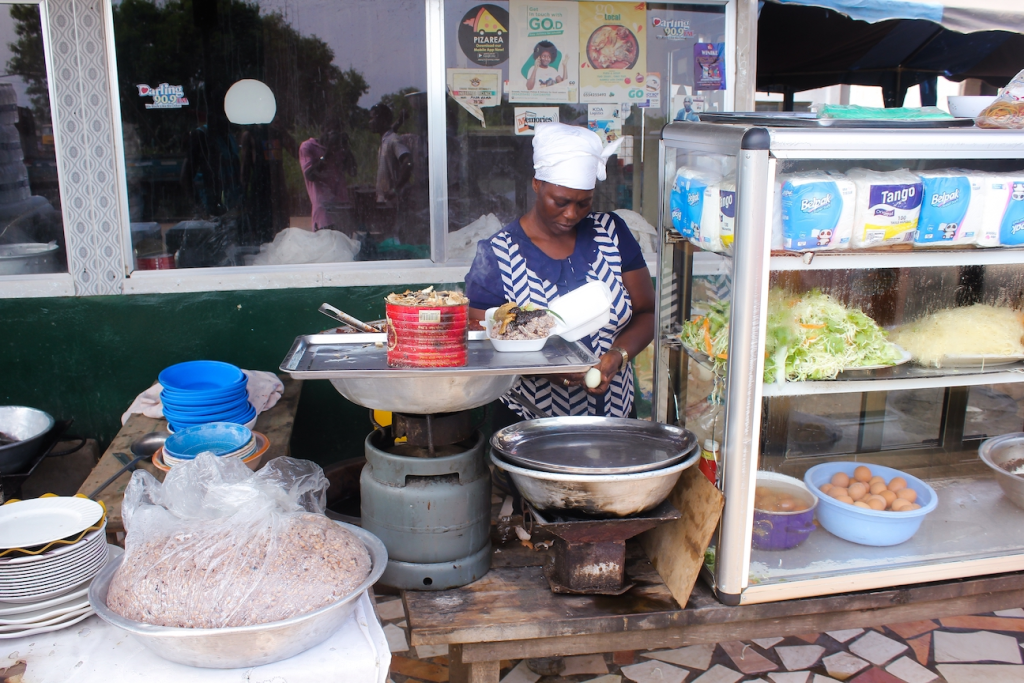
Investment Breakdown:
- Cooking equipment: KSh 2,000 – KSh 3,000 (frying pans, cooking stove)
- Initial inventory (food supplies): KSh 4,000 – KSh 5,000
Why It Works:
- High demand for affordable food: With a growing population and increasing urbanization, people are constantly looking for cheap and fast food options.
- Low startup cost: The food business doesn’t require a high initial investment, and you can scale the business by reinvesting the profits.
C. Freelancing (Writing, Graphic Design, Digital Marketing)
If you have a skill in writing, graphic design, or digital marketing like Marsha Creatives and Host Kenya, freelancing is a great way to start a business with little to no investment. Websites like Upwork, Fiverr, and Freelancer offer a platform to connect with clients globally. Additionally, Kenya’s growing tech sector offers many opportunities for digital entrepreneurs to thrive.

Investment Breakdown:
- Laptop/PC: KSh 5,000 – KSh 7,000 (used/refurbished)
- Internet Access: KSh 1000 – KSh 2,000 per month
Why It Works:
- Access to global clients: Freelancing allows you to serve clients worldwide, expanding your reach beyond local markets.
- Flexibility and low costs: You can start offering your services immediately with little overhead.
D. Agricultural Products (Fruits, Vegetables, or Poultry Farming)
Agriculture remains one of the most profitable sectors in Kenya. Starting a small farming business with minimal capital can be a sustainable way to generate income. This could include selling fresh fruits and vegetables at local markets or starting a small-scale poultry farm.

Investment Breakdown:
- Seeds and fertilizers: KSh 2,000 – KSh 3,000
- Small poultry (initial setup): KSh 5,000 – KSh 8,000
Why It Works:
- Consistent demand: There is always a steady demand for fresh agricultural products in local markets and stores.
- Support from government initiatives: The Kenyan government often provides subsidies and support to small farmers, making it easier to start in agriculture.
IV. Step-by-Step Guide to Starting a Small Business in Kenya for Less Than KSh 10,000
Starting a small business in Kenya with a budget of under KSh 10,000 requires careful planning and smart decision-making. Here’s a step-by-step guide to help you get started:
Step 1: Choose the Right Business Idea
Choosing the right business is the first and most important step. Consider factors such as market demand, your skills, and available resources. Do some market research and analyze your target audience to ensure there’s demand for your product or service.
Step 2: Create a Simple Business Plan and Budget
A business plan doesn’t have to be complicated, but it should outline your goals, target market, pricing strategy, and marketing plans. Also, create a budget to determine how you will allocate your KSh 10,000. Make sure to prioritize essential expenses like tools, marketing, and inventory.
Step 3: Source Affordable Materials and Supplies
Keep costs low by sourcing materials locally and finding affordable suppliers. Look for second-hand equipment, bargain deals, or local markets that offer discounts. For example, if you’re selling food, source your ingredients from wholesale markets for the best deals.
Step 4: Market Your Business on a Budget
Use low-cost marketing strategies like social media, WhatsApp, and word-of-mouth to spread the word about your business. Building a strong network within your community can help generate leads and attract customers.
V. Legal Considerations When Starting Small Businesses in Kenya
Before launching your small business in Kenya, it’s crucial to understand the legal requirements. This includes registering your business, obtaining necessary permits, and understanding tax obligations.

A. Do You Need to Register Your Small Business in Kenya?
In Kenya, small businesses can be registered through the eCitizen platform. While registration may not be mandatory for some businesses with a low turnover, it is essential for legitimizing your business and protecting your intellectual property.
B. Understanding Taxation and Licensing
All businesses in Kenya, even small ones, must comply with tax laws. You may need to obtain a KRA PIN and submit tax returns depending on your business type and revenue. Licensing varies by industry and location, so it’s essential to check with the local authorities for any specific requirements.
VI. How to Market Your Small Business in Kenya Without Breaking the Bank
Marketing is crucial for any small business in Kenya, but it’s often one of the biggest hurdles for entrepreneurs with limited budgets. Fortunately, there are several low-cost strategies you can implement to help your business gain visibility and attract customers without spending a fortune.
A. Using Social Media to Promote Your Small Business in Kenya
Social media is one of the most powerful and cost-effective marketing tools available today. With platforms like Facebook, Instagram, and Twitter, you can connect with a wide audience for little to no cost. Here’s how you can leverage social media for your business:
- Create a Business Profile: Set up a business account on platforms like Facebook or Instagram and share your products, services, and offers. These platforms also allow for free engagement with your audience.
- Post Consistently: Regularly post updates, new offerings, and behind-the-scenes content to engage your audience. Be sure to include high-quality photos or videos showcasing your products or services.
- Engage with Followers: Respond to comments, messages, and reviews. Engaging with your followers creates a loyal community and encourages word-of-mouth marketing.
- Leverage Hashtags: Use relevant hashtags such as #SmallBusinessInKenya, #KenyaStartups, and #MadeInKenya to reach a larger audience interested in local businesses.
Tip: Run promotions, giveaways, or discounts exclusively for your social media followers to encourage interaction and increase brand awareness.
B. Networking via WhatsApp and Telegram Groups
In Kenya, WhatsApp and Telegram are incredibly popular tools for communication and local networking. You can use these platforms to promote your business and engage with potential customers:
- Join Local Groups: Many local neighborhoods and business groups exist on WhatsApp and Telegram. Join relevant groups, introduce your business, and share your offerings with the community.
- Create Your Own Group: You can create a WhatsApp group for your customers to share updates, special offers, and promotions. By offering exclusive deals to group members, you can build loyalty and encourage repeat customers.
- Customer Feedback: Use these groups to gather feedback, address concerns, and improve your products or services. Direct communication with your customers helps build trust and strengthens your brand.
C. Collaborating with Influencers and Other Bloggers
Influencer marketing doesn’t always require a big budget, especially if you collaborate with micro-influencers or local bloggers who have a smaller but highly engaged audience.
- Identify Local Influencers: Look for influencers or bloggers in your niche who align with your brand. Reach out to them and offer free products or services in exchange for a review or mention on their platform.
- Create Mutually Beneficial Partnerships: Partnering with other small business owners or influencers allows you to tap into their audience while they benefit from promoting your business.
- Build Relationships with Local Bloggers: The Bloggers Association of Kenya (BAKE) is an excellent community of bloggers and digital content creators. Collaborating with them can help increase your online presence.
D. Email Marketing Basics
Though email marketing may seem like a more traditional approach, it’s still highly effective when done right. The good news is, email marketing platforms like Mailchimp and Sendinblue offer free plans that allow you to send emails to up to 500 subscribers per month.
- Build an Email List: Offer incentives like discounts or free resources in exchange for email sign-ups. Use lead magnets such as free guides, eBooks, or downloadable content to attract subscribers.
- Create Engaging Email Campaigns: Craft valuable and relevant content for your subscribers. Keep your emails short, visually appealing, and to the point. Include a clear call to action (CTA) that encourages recipients to make a purchase or visit your store.
- Track Performance: Monitor the success of your email campaigns by reviewing open rates, click-through rates, and other analytics provided by the platform.
VII. How to Make Money from Small Businesses in Kenya
Once you’ve successfully started your small business in Kenya, the next challenge is generating consistent revenue. There are several ways you can monetize your business, depending on the type of business you run.

A. Ad Networks and Display Ads
Monetizing your website or blog through display ads is a common method for businesses that offer digital content. If you have a blog or website for your business, you can apply for ad networks such as Google AdSense.
- Google AdSense: This program places ads on your website, and you earn money each time visitors click on them. However, you’ll need a decent amount of traffic to generate significant revenue.
- Ezoic and Mediavine: These ad networks are ideal for websites with higher traffic. They offer more lucrative ad placements than AdSense and are worth considering once your website gains traction.
B. Affiliate Marketing in Kenya
Affiliate marketing is a way to earn commissions by promoting other businesses’ products or services. As a small business in Kenya, you can join affiliate programs such as Jumia’s Affiliate Program or Amazon Associates.
- Jumia Affiliate Program: As one of Kenya’s largest e-commerce platforms, Jumia offers affiliate opportunities for promoting their products. You can earn commissions on any sales made through your referral links.
- Amazon Associates: While Amazon doesn’t directly operate in Kenya, you can still promote their products using affiliate links. However, you may need to work around international payment methods such as PayPal.
C. Sponsored Posts and Brand Collaborations
If you have a strong social media presence or a well-established blog, brands may approach you to post sponsored content. These brands will pay you to create posts that promote their products or services.
- How to Pitch to Brands: When pitching to brands, create a media kit that includes your audience demographics, social media statistics, and previous work. Highlight how your business aligns with their target market.
- Rate Cards: If you plan to work with several brands, create a rate card detailing your pricing for sponsored posts, product reviews, and mentions.
D. Selling Digital Products and Services
Selling digital products is an excellent way to generate income without worrying about inventory or shipping. Some popular digital products you can sell include:
- Ebooks: If you have expertise in a specific field, consider writing and selling ebooks. Topics like business advice, cooking, and self-improvement are always in demand.
- Online Courses: With platforms like Udemy and Teachable, creating and selling online courses has become more accessible. This is a great option for entrepreneurs with valuable knowledge to share.
- Consulting Services: If you have expertise in areas like marketing, business development, or finance, consider offering consulting services to help others grow their businesses.
- Payment Methods: Use M-Pesa, PayPal, or Flutterwave to receive payments from customers both locally and internationally.
VIII. Overcoming Common Challenges for Small Businesses in Kenya
Starting a small business in Kenya comes with its fair share of challenges. Here’s how you can overcome some of the most common hurdles:
A. Limited Capital
Many entrepreneurs struggle with limited capital, especially when starting a business with less than KSh 10,000. To overcome this:
- Start small and scale gradually.
- Prioritize spending on essentials (tools, marketing, etc.).
- Look for ways to cut costs without compromising quality (e.g., using second-hand equipment, working from home).
B. Competition from Larger Businesses
Larger businesses often dominate the market, making it difficult for small businesses to compete. To overcome this:
- Focus on niche markets that larger businesses may overlook.
- Offer exceptional customer service that sets you apart from the competition.
- Use local networks and word-of-mouth marketing to build loyal customers.
C. Navigating Regulatory Challenges
Kenya’s regulatory environment can sometimes be difficult to navigate, especially for new entrepreneurs. However:
- Stay informed about tax laws, licenses, and business registration requirements.
- Utilize resources like the Kenya Revenue Authority (KRA) and KenInvest to ensure compliance.
IX. Real-Life Success Stories of Small Businesses in Kenya
Learning from the experiences of others who have successfully started small businesses in Kenya with minimal capital can provide valuable insights and inspiration. Below, we share some case studies of entrepreneurs who began with less than KSh 10,000 and built thriving businesses.
A. Case Study 1: A Street Food Vendor’s Journey
One of the most common and successful small businesses in Kenya that can be started with minimal capital is a food vending business. Take the example of Jane Wanjiru, who started her mandazi (Kenyan fried dough) business in Nairobi with just KSh 5,000. With her savings, she bought the basic ingredients (flour, sugar, oil) and a small stove to cook the food.
Jane initially set up her stall near Kilimani, an area known for its high traffic, especially around the lunch and evening hours. She started selling mandazi and samosas to students and office workers, focusing on offering high-quality, affordable snacks. Over time, her business grew as she expanded her menu to include more local delicacies like nyama choma (roasted meat) and kachumbari (vegetable salad).
Today, Jane operates several food stalls in Nairobi, has expanded into catering for events, and has become a well-known vendor in her area. Her success story shows that with KSh 5,000, a food business can grow into a profitable venture.
Key Takeaways:
- Location: Picking a high-traffic location is critical.
- Start small, scale gradually: Jane didn’t try to expand too quickly. She reinvested her profits to grow her menu and expand her customer base.
- Offer value: Jane built her customer base by providing value—serving high-quality, affordable food.
B. Case Study 2: Freelancing Success in Nairobi
Masha, a freelance graphic designer based in Nairobi, Under Business name Marsha Creatives is another example of how small businesses in Kenya can be started with minimal capital. Masha started his freelancing career with KSh 7,000, which he used to buy a second-hand laptop. He had already acquired skills in graphic design through online tutorials and practice.

He began by offering design services to local businesses, including logo creation and marketing materials. With his laptop and internet connection, Michael started advertising his services on social media platforms and freelancing websites like Upwork. His initial clients were small businesses that needed affordable design work but lacked the budget to hire large agencies.
After building a solid reputation and gaining experience, Masha expanded his services to include website design and digital marketing. Today, he is a successful freelancer, working with both local and international clients, and has built a portfolio that showcases his expertise. He has been able to scale his business to the point where he no longer works alone but has now hired additional staff to assist with his growing client base.
Key Takeaways:
- Low startup costs: With just a laptop and internet access, Masha turned his passion into a profitable business.
- The power of networking: Social media and freelancing platforms helped him gain clients and build credibility.
- Consistency and skill development: Masha continually worked on honing his skills, allowing him to attract higher-paying clients.
X. Final Tips for Starting Small Businesses in Kenya with Less Than KSh 10,000
Starting a small business in Kenya with a limited budget requires careful planning, creativity, and resourcefulness. To maximize your chances of success, here are some final tips for aspiring entrepreneurs:

A. Stay Consistent and Focus on Customer Value
One of the most important things you can do is to stay consistent with your efforts. Whether you’re offering products or services, customer satisfaction should always be your priority. Happy customers are likely to become repeat customers, which is essential for long-term success.
- Focus on quality: Even if you’re operating with a limited budget, ensure the quality of your offerings is top-notch.
- Customer service: Make sure to be friendly, reliable, and responsive to customer inquiries.
B. Keep Learning and Adapting to Market Trends
The market is always evolving, and businesses must adapt to stay relevant. Continuously learning about new trends, technologies, and tools in your industry can help you improve your services or products.
- Online resources: Take advantage of free online courses, webinars, and communities. Platforms like Coursera, Udemy, and YouTube are valuable sources of information.
- Market research: Regularly assess the needs of your customers and adjust your business model as necessary.
C. Reinvest Your Profits for Growth
Instead of taking all the profits from your business, reinvest a portion of it into expanding your business. Whether it’s buying better equipment, improving marketing efforts, or diversifying your product offerings, reinvesting will help you scale your business over time.
D. Focus on Building Strong Relationships with Customers
Word-of-mouth and customer referrals can be powerful marketing tools. By building strong relationships with your customers, you ensure that they keep coming back and spread the word about your business.
- Ask for reviews: Encourage customers to leave reviews and testimonials on your social media pages or website.
- Referral programs: Create a referral program where customers earn rewards for referring friends or family to your business.
Conclusion: Start Your Small Business in Kenya Today
In conclusion, starting small businesses in Kenya with less than KSh 10,000 is not only possible but can also lead to sustainable success. The key is to choose a business idea that suits your skills, interests, and market demand. Focus on delivering value to your customers, and be persistent in the face of challenges. With the right mindset and approach, your small business can grow into a profitable venture.
Whether you’re starting a food stall, offering freelance services, or engaging in agriculture, there are countless opportunities available to entrepreneurs in Kenya. Take advantage of the low-cost business ideas and resources available, and begin your entrepreneurial journey today.