I. Introduction: Learn Website Building in Kenya in 2025 (Step-by-Step)
What is Website Building in Kenya?
Website building in Kenya is the process of designing, developing, and maintaining a website to ensure that it’s functional, aesthetically pleasing, and user-friendly. In Kenya, website building has become an essential skill for entrepreneurs, small business owners, bloggers, and even tech enthusiasts. As businesses and individuals increasingly realize the importance of having an online presence, mastering the process of website building in Kenya has never been more crucial.
In 2025, the demand for digital services in Kenya is expected to continue growing, driven by a thriving e-commerce market, the rise of digital marketing, and the increasing adoption of mobile devices. Websites are not just a tool for information anymore; they are platforms for generating sales, providing customer service, and building a digital brand. Therefore, learning how to build a website can open doors to numerous opportunities, whether you’re an entrepreneur or looking to pursue a career in tech.
Why Website Building in Kenya is Important in 2025
The Digital Economy in Kenya
Kenya’s digital economy is expanding at a rapid pace. In 2025, an estimated 60% of the population will have access to the internet, with mobile internet being the most popular form of connectivity. According to the Communications Authority of Kenya, mobile internet penetration increased by 9.5% in 2020 alone, and this growth is expected to continue as smartphones become more affordable.
This presents a huge opportunity for businesses, entrepreneurs, and even students looking to create an online presence. For instance, small businesses in Kenya can use websites to sell products, communicate with customers, and improve brand visibility. Learning website building in Kenya can thus enable individuals and businesses to tap into this expanding digital economy.
Career Opportunities in Website Building
Website building in Kenya isn’t just for entrepreneurs. The demand for web developers and designers in the country is growing. The rise of tech hubs such as Nairobi’s iHub and Mombasa’s Tech City has given rise to a new generation of developers. There are many job opportunities for web developers, particularly those skilled in building mobile-first websites or e-commerce platforms, as these skills are in high demand in the Kenyan market.
Overview of the Article
This article will guide you through the step-by-step process of website building in Kenya. We’ll cover everything from the basics of website creation to advanced techniques, including designing a site, choosing the right platform, selecting hosting services, and optimizing for Kenyan audiences.
Here’s a brief breakdown of what to expect:
- Understanding Website Building in Kenya – We’ll cover the essential skills and tools you need to get started.
- Choosing the Right Website Type – Whether you’re building a personal blog, a business website, or an e-commerce store, we’ll help you decide what type of website to create.
- Step-by-Step Guide to Building Your Website – From domain registration to choosing a hosting provider, we’ll walk you through the entire process.
- Optimizing Your Website for Kenyan Audiences – We’ll explore how to make your site mobile-friendly and ensure it loads quickly for Kenyan users.
- Promoting Your Website – Learn how to drive traffic to your site using social media, WhatsApp, and influencer collaborations.
- Monetizing Your Website – We’ll show you how to make money from your website through ads, affiliate marketing, and more.
- Legal and Regulatory Considerations – Understand the legal requirements for running a website in Kenya.
- Common Challenges and Solutions – We’ll highlight the challenges you might face while building your website and provide solutions.
By the end of this article, you’ll have the knowledge to start building your own website in Kenya, whether for business, blogging, or personal projects.
What You Will Learn in This Guide:
- Key Skills: What skills are required to build a website in Kenya and why they matter.
- Tools and Platforms: The best tools and platforms for building a website, with specific recommendations for Kenyan users.
- Step-by-Step Guide: A detailed, easy-to-follow walkthrough on how to build and launch your website.
- SEO & Mobile Optimization: How to ensure your website ranks well in search engines and loads fast for Kenyan users.
- Promotion & Monetization: Strategies for driving traffic to your site and turning your website into a revenue-generating asset.
- Legal Compliance: The regulations you need to be aware of when running a website in Kenya.
II. Understanding the Basics of Website Building in Kenya
Before diving into the actual process of website building, it’s important to understand the foundational skills and tools you’ll need. Whether you’re planning to build a blog, an e-commerce site, or a personal portfolio, knowing the basics will ensure you build a site that’s both functional and appealing to users.

A. What Skills Are Needed for Website Building in Kenya?
Building a website involves multiple stages, each requiring a unique set of skills. Below are the primary skills necessary for website building in Kenya in 2025:
- HTML (Hypertext Markup Language): HTML is the backbone of any website. It’s the language used to create the structure of web pages. Understanding HTML allows you to create and organize content such as headings, paragraphs, images, links, and other multimedia elements.
- CSS (Cascading Style Sheets): CSS is responsible for the design and layout of your website. While HTML structures the content, CSS controls its appearance, including fonts, colors, spacing, and positioning. Mastering CSS is essential to creating visually appealing websites.
- JavaScript: JavaScript is a scripting language that adds interactivity to a website. For example, it allows you to create dynamic content like forms, image sliders, pop-ups, and interactive maps. JavaScript is a key skill for building responsive and user-friendly websites.
- Responsive Design: Since a large portion of internet users in Kenya access websites via mobile devices, it’s critical to design websites that adapt to different screen sizes. This requires knowledge of media queries and the use of frameworks like Bootstrap to ensure your site looks great on both desktop and mobile.
- SEO (Search Engine Optimization): SEO ensures that your website ranks well on search engines like Google, increasing its visibility. Learning how to use SEO techniques such as keyword optimization, meta tags, image alt text, and backlinks is crucial for driving traffic to your website.
- Basic Web Hosting and Domain Knowledge: To make your website accessible on the internet, you need to understand how web hosting works and how to register a domain name. Hosting services store your website files, while the domain name provides a web address (like www.example.com).
B. Essential Tools for Website Building in Kenya
To streamline the website building process, several tools and platforms can help you design, develop, and host your website. Here are some essential tools you’ll need:
- Website Builders (No Code Options):
- Wix: A popular drag-and-drop website builder that allows users to create websites without any coding knowledge. It’s great for beginners and small businesses.
- Shopify: Ideal for building e-commerce websites. Shopify offers a simple platform to set up an online store, manage products, and process payments, which is very popular among Kenyan entrepreneurs.
- WordPress: The most widely used platform for blogging and website creation. WordPress is open-source and offers a range of themes and plugins that allow users to create highly customizable websites.
- Content Management Systems (CMS):
- WordPress.org: If you prefer to have full control over your website, self-hosted WordPress is the way to go. It allows you to customize your site extensively through plugins and themes, making it perfect for businesses and personal websites.
- Joomla and Drupal: These are also robust CMS platforms, though they are generally less beginner-friendly compared to WordPress.
- Design Tools:
- Canva: An easy-to-use design tool that’s perfect for creating website graphics, logos, banners, and social media content. Canva also provides templates tailored to websites.
- Figma & Adobe XD: These tools are excellent for designing website mockups and wireframes before actual development begins. They’re widely used by web designers for creating high-fidelity designs.
- Code Editors:
- Visual Studio Code: A lightweight, open-source code editor that’s great for writing HTML, CSS, and JavaScript. It offers powerful extensions for web development.
- Sublime Text: Another popular code editor known for its speed and user-friendly interface. It supports syntax highlighting for web languages, making coding easier.
- Web Hosting Services:
- Local Kenyan Hosts: For a local presence, you can choose Kenyan hosting services like Host Kenya, HostPinnacle, Kenya Web Experts, and TrueHost. These companies offer domain registration, email hosting, and affordable packages suited to Kenyan businesses.
- International Hosts: Bluehost and SiteGround are excellent choices for global reach and top-notch customer service. They also offer WordPress integration, making it easy to get started with website creation.
- Image and Video Optimization Tools:
III. Step-by-Step Guide to Website Building in Kenya
Now that you have an understanding of the basic skills and tools, let’s move on to the actual process of website building. In this section, we’ll break down the essential steps, from choosing the type of website you want to build to launching it for the world to see.
A. Step 1: Choosing the Type of Website You Want to Build
Before you start building a website, it’s important to decide what kind of website you want to create. Here are a few options:
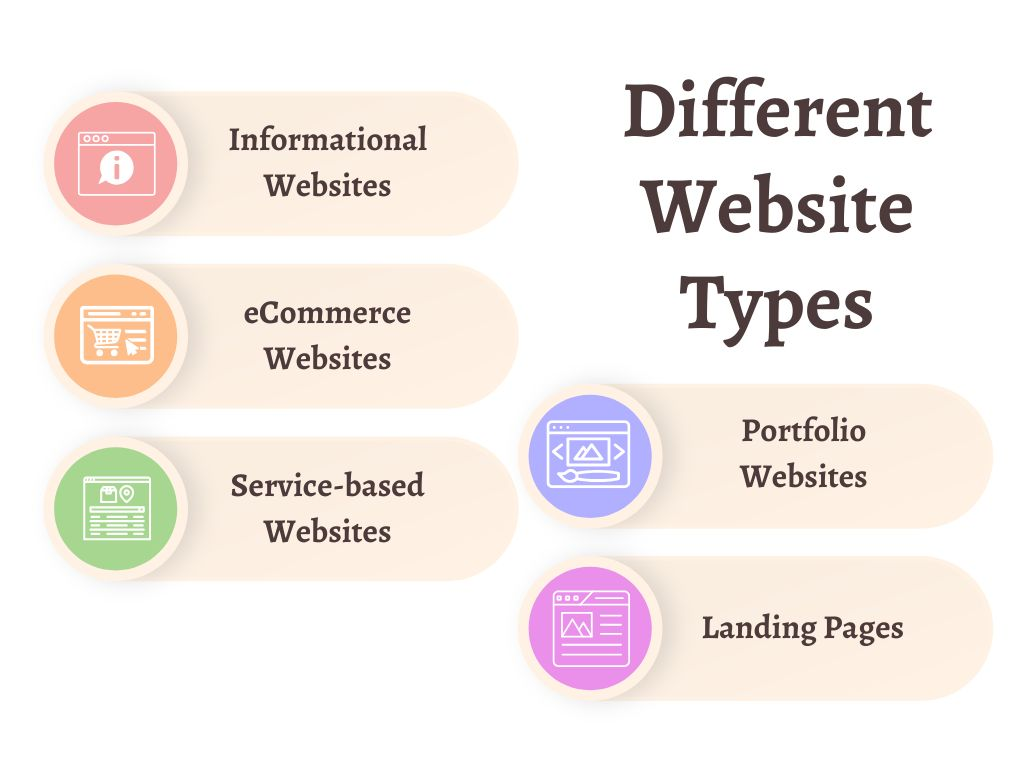
- Personal Blog: Great for individuals who want to share their thoughts, experiences, or expertise on a particular subject. For example, if you’re passionate about Kenyan culture, you could create a travel blog showcasing local experiences.
- Business Website: If you own a business, a professional website can help showcase your products or services, provide contact details, and engage with customers. Many small businesses in Kenya are adopting websites to expand their reach beyond local markets.
- E-commerce Store: Building an online store is increasingly popular in Kenya, especially with platforms like Jumia and Kilimal. Creating an e-commerce website allows you to sell products directly to consumers and reach a broader audience.
- Portfolio Website: If you are a photographer, writer, designer, or other creative professional, a portfolio website is an excellent way to showcase your work and attract potential clients.
Tip: Understanding the purpose of your website will guide your decisions on the platform, design, and features.
B. Step 2: Registering a Domain Name
A domain name is the web address where people can find your website (like www.yourname.com). Choosing a memorable and relevant domain name is crucial.\
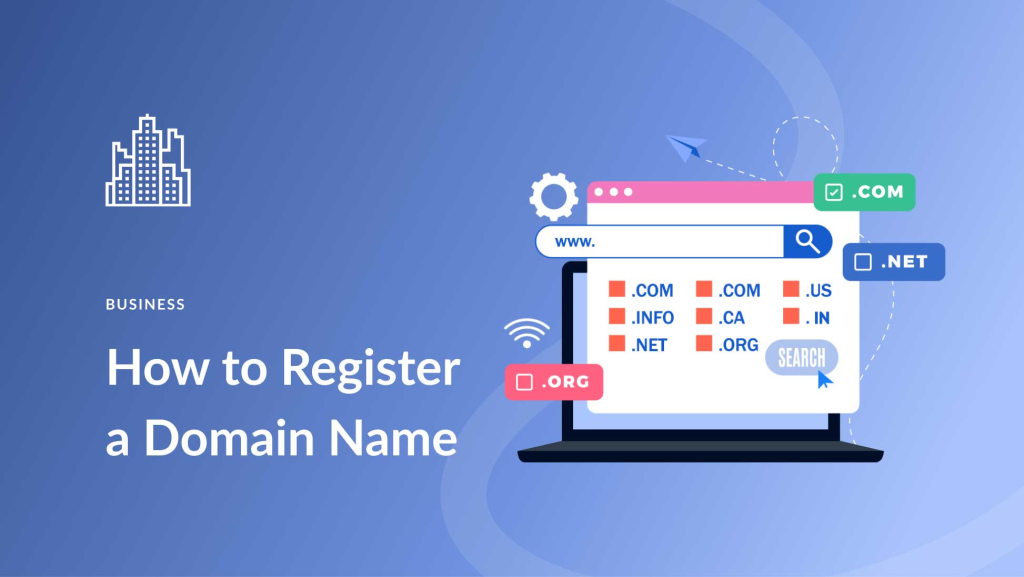
- Local Domain Extensions: In Kenya, the .co.ke domain extension is popular and gives your website a local identity. It also builds trust with Kenyan users.
- Global Extensions: While .com is the most common, .org, .net, and .africa are also valid choices depending on your website’s purpose.
How to Register a Domain Name:
- Choose a unique and short name that reflects your brand or niche.
- Use a domain registrar like Host Kenya, TrueHost, KenyaWebExperts, or Namecheap to search for available domain names.
- Register your domain for at least one year to ensure your site remains live.
C. Step 3: Setting Up Web Hosting
Once you’ve chosen your domain, the next step is to select a web hosting service. Web hosting stores your website’s files and makes them accessible to visitors.
- Shared Hosting: Affordable and suitable for small websites or blogs. It’s the most common type of hosting.
- VPS Hosting: Ideal for growing websites that need more control and resources.
- Dedicated Hosting: Best for large websites with high traffic.
Kenyan Hosting Providers:
- HostPinnacle: Affordable hosting with local customer support.
- Host Kenya: Reliable and secure hosting for Kenyan businesses.

International Providers:
- Bluehost: Great for WordPress sites with excellent customer support.
- SiteGround: Known for fast and secure hosting, especially for WordPress.
D. Step 4: Designing Your Website Layout
Now comes the creative part—designing your website. Whether you’re using a website builder like Wix or WordPress, you’ll need to select a design that fits your brand.
- Themes and Templates: Most website builders provide a range of templates that make it easy to get started. Look for a template that aligns with your website’s goals.
- Customization: Tailor your theme by adding your logo, changing fonts and colors, and adjusting the layout to suit your niche.
E. Step 5: Building and Adding Content to Your Website
Now that you have the basics set up, it’s time to start adding content to your website. The content is the heart of your site, and it plays a significant role in engaging your audience, improving your SEO, and achieving your website’s goals.

1. Creating Pages:
At the core of most websites are a few essential pages. Here’s a breakdown of common pages you’ll need:
- Home Page: The landing page that gives visitors an overview of your website and directs them to important sections.
- About Page: A page to introduce yourself, your business, or your blog. This page helps build trust with your audience.
- Contact Page: A place where visitors can reach out to you. You can include a contact form, your email, or even a map with your physical address if you’re running a local business.
- Blog: If you’re planning on running a blog, this page will display your posts. The blog is an essential tool for attracting organic traffic through SEO.
2. Adding Blog Posts or Product Pages:
Depending on the type of website you’re building, you’ll need to create blog posts or product pages. For e-commerce sites, product pages are crucial. Each product should have:
- A high-quality image (optimized for web speed)
- A detailed description including features and benefits
- Price and any promotional details
- A call-to-action (e.g., “Add to Cart” or “Buy Now”)
For blogs, it’s essential to create content that is not only relevant but also valuable to your target audience. Here are some tips:
- Write SEO-friendly blog posts by incorporating relevant keywords naturally throughout your article.
- Use images, infographics, and videos to make your posts visually engaging.
- Include internal links to other blog posts or pages on your website to improve SEO.
3. Media and Files:
When adding images, videos, and other media, it’s essential to optimize them for fast loading times without compromising quality. Use tools like TinyPNG to compress images without losing resolution.
F. Step 6: Testing and Optimizing Your Website
Before launching your website, it’s important to ensure everything is functioning properly. Testing your website for usability, speed, and responsiveness will ensure a smooth experience for your visitors.

1. Browser Compatibility:
Your website may look perfect on one browser, but not on others. Test your website on multiple browsers (Chrome, Firefox, Safari, Edge) to ensure it appears and functions the same way on all of them.
2. Mobile Responsiveness:
Given the high rate of mobile internet usage in Kenya, it’s crucial that your website looks great on mobile devices. Use responsive design techniques to make sure your website adjusts seamlessly to different screen sizes.
To test responsiveness, you can use tools like Google Mobile-Friendly Test to check if your site is mobile-optimized. You should also ensure that buttons and navigation are easy to use on mobile devices.
3. Website Speed Optimization:
Speed is one of the most important factors for user experience and SEO. A slow website leads to higher bounce rates and lower rankings. Here are some tips for optimizing your site’s speed:
- Use a Content Delivery Network (CDN): A CDN helps deliver content to users from the nearest server, reducing loading times.
- Optimize images and media: Compress large images and videos to ensure fast loading.
- Enable browser caching: This allows your website to load faster for return visitors by storing static files (like images and stylesheets) in their browser cache.
Tools like Google PageSpeed Insights and GTmetrix can help identify areas for improvement.
IV. How to Promote Your Website in Kenya
Once your website is live, the next step is promoting it to attract traffic. In Kenya, online visibility is critical for success, whether you’re running a business, a blog, or an e-commerce store.

A. Using Social Media Effectively
1. Best Social Media Platforms for Kenyan Audiences:
Kenya is home to a large and active social media user base. To drive traffic to your website, consider using the following platforms:
- Facebook: With a large number of users in Kenya, Facebook is a great platform for sharing blog posts, promoting products, and engaging with potential customers.
- Instagram: This is especially useful for visual content like fashion, food, or travel blogs. Instagram Stories and posts with engaging visuals can drive significant traffic.
- Twitter (X): A great platform for real-time updates and conversations. Use it to engage with influencers, share content, and build a following.
- TikTok: TikTok’s popularity is on the rise in Kenya, especially among younger audiences. Use it for creative, short-form video content that links back to your website.
2. Building a Content Funnel:
To convert visitors into loyal readers or customers, you need a content funnel. Here’s how to build one:
- Top of the Funnel (Awareness): Use social media and blog posts to attract people to your website.
- Middle of the Funnel (Engagement): Offer valuable resources, like free guides or newsletters, to engage visitors.
- Bottom of the Funnel (Conversion): Offer products, services, or exclusive content to convert visitors into paying customers.
B. Leveraging WhatsApp and Telegram Groups
In Kenya, WhatsApp and Telegram are widely used for communication, and they can be powerful tools for promoting your website.
- WhatsApp Groups: Create a WhatsApp group for your audience and share updates, new content, or promotions directly with your followers.
- Telegram Channels/Groups: Use Telegram to build niche communities, share content, and interact with your audience. Telegram allows for easier management of large groups compared to WhatsApp.
Both platforms provide direct access to your audience, allowing for immediate feedback and community-building opportunities.
C. Collaborating with Influencers and Other Bloggers
1. Kenyan Bloggers Association (BAKE):
One of the best ways to increase your website’s reach is by networking with influencers and other bloggers. In Kenya, the Blogger Association of Kenya (BAKE) provides a platform for bloggers to collaborate, share knowledge, and amplify their voices.
- Influencer Marketing: Partner with Kenyan influencers who have a large following in your niche. Influencers can help promote your website through sponsored content, mentions, or product reviews.
2. Benefits of Collaborating with Bloggers:
- Guest Blogging: Write guest posts on popular Kenyan blogs to gain exposure and drive traffic to your website.
- Link Building: Get backlinks to your website by collaborating with bloggers. This improves SEO and boosts your website’s ranking in search engines.
D. Email Marketing Basics
1. Building an Email List:
Email marketing remains one of the most effective ways to promote your website. Offer a lead magnet (free resource or discount) to encourage visitors to sign up for your email list.
2. Tools for Email Marketing:
- Mailchimp: A user-friendly platform for managing email campaigns, sending newsletters, and automating email sequences.
- Sendinblue: Another excellent tool for email marketing, offering both email campaigns and SMS marketing features.
3. Creating Effective Email Campaigns:
- Personalize emails to make them more engaging.
- Offer exclusive content, discounts, or updates to encourage subscribers to revisit your website.
V. How to Make Money from Website Building in Kenya
Website building isn’t just about creating a site; it’s also about leveraging it for income. Below are some common ways to monetize your website in Kenya.

A. Ad Networks and Display Ads
1. Google AdSense: Once your site has enough traffic, you can apply for Google AdSense. This ad network places display ads on your site, and you earn money whenever visitors click on the ads.
2. Local Ad Networks: For more localized options, you can partner with Kenyan-based ad networks like Adclick Africa, which connects advertisers with Kenyan websites.
3. Ezoic and Mediavine: These networks are excellent for higher-traffic websites. They allow you to optimize and monetize display ads more effectively.
B. Affiliate Marketing in Kenya
1. Jumia Affiliate Program: Partner with Jumia, Kenya’s leading e-commerce platform, to promote products on your website. You earn a commission every time a user clicks on an affiliate link and makes a purchase.
2. Amazon Associates: While Amazon’s affiliate program has limitations in Kenya, you can still promote products from international retailers and earn commissions. Use workarounds like linking to Amazon’s global stores.
C. Sponsored Posts and Brand Collaborations
Brands are constantly looking for ways to reach Kenyan audiences. If you have an established website with good traffic, you can approach companies for sponsored posts or collaborate on product reviews.
- Pitching to Brands: Create a media kit and send it to potential sponsors outlining your audience demographics, traffic statistics, and previous collaborations.
VI. Legal and Regulatory Considerations in Kenya
When running a website in Kenya, it’s important to ensure that you are compliant with local laws and regulations. This not only protects you legally but also builds trust with your audience. Below, we will discuss the key legal and regulatory requirements that you should consider when building and managing your website in Kenya.
A. Do You Need to Register Your Website as a Business?
In Kenya, you don’t necessarily need to register your website as a business unless you are operating it as a formal business entity. However, if you are using your website to sell products or services, or if it’s part of your business operations, you may need to register your business.
1. Business Registration in Kenya:
- If you plan to turn your website into an online store or provide paid services, you must register your business with the Registrar of Companies through the eCitizen portal.
- You will need to decide on the type of business structure: sole proprietorship, partnership, or limited company.
- Registering your business provides legal protection, builds credibility, and makes it easier to comply with tax regulations.
2. Benefits of Registration:
- Tax Compliance: As a registered business, you can file tax returns with the Kenya Revenue Authority (KRA). This is particularly important if you are generating income through the website.
- Trust with Customers: A registered business adds legitimacy, making it easier to gain trust, especially in e-commerce.
B. Understanding Copyright Laws in Kenya
Website owners need to be aware of copyright laws to protect their original content and avoid legal issues. The Kenya Copyright Board (KECOBO) is the authority responsible for copyright protection in Kenya.
1. Protecting Your Content:
- Copyright protects original works, including text, images, videos, and website designs. If you create original content for your website, you automatically have the rights to it.
- It’s advisable to include a Copyright Notice at the footer of your website to indicate that the content is protected.
2. Using Others’ Content:
- If you use content created by others (such as images, music, or text), ensure that you have the appropriate permissions. You can obtain content through licenses or use royalty-free sources such as Pixabay or Unsplash for images.
- Always give credit where it’s due, and check the terms of use of any third-party content you incorporate into your website.
3. Fair Use in Kenya:
- Fair use allows you to use copyrighted content for purposes such as commentary, criticism, or education, but it should not infringe on the original creator’s rights.
C. Data Protection and Privacy Policy Requirements
The Data Protection Act, 2019, regulates how businesses handle personal data in Kenya. If you’re collecting personal information from users (such as names, email addresses, or payment details), you must ensure compliance with this law.
1. Data Protection in Kenya:
- The Data Protection Act requires you to obtain explicit consent from your users before collecting their data.
- You must inform your users about how their data will be used, stored, and protected.
2. Privacy Policy:
- A privacy policy is a legal requirement for most websites, especially if you are collecting personal data. The policy must explain how user data is collected, stored, and shared.
- Free privacy policy generators like Termly or Iubenda can help you create a privacy policy that complies with Kenyan laws.
3. Security Measures:
- Implement SSL encryption on your website to secure user data, especially if you are handling sensitive information such as payment details.
- Use secure payment gateways (like M-Pesa, PayPal, or Flutterwave) that comply with data protection standards.
VII. Blogging and Website Building Tools for Kenyan Users
As you build your website, using the right tools can save time, improve quality, and make your website-building experience much smoother. Here are some essential tools that will be particularly useful for Kenyan users.
A. Writing Tools
Creating high-quality content is vital for the success of any website. Fortunately, there are several tools available that can help improve your writing:
- Grammarly: This tool helps you write error-free content by checking for grammar, punctuation, and style mistakes.
- Hemingway Editor: This tool improves readability by highlighting long sentences and complex words, making your writing simpler and more concise.
B. SEO and Analytics Tools
Search Engine Optimization (SEO) is key to making your website visible on search engines like Google. These tools help you optimize your website for higher rankings:
- Google Search Console: This free tool helps you monitor your website’s performance in search results. It provides insights into your site’s traffic, search queries, and any issues affecting your site’s ranking.
- SEMrush: A powerful tool for keyword research, competitor analysis, and tracking your website’s SEO performance.
- Google Analytics: This tool allows you to track and analyze website traffic, helping you understand your audience’s behavior and preferences.
C. Graphic Design and Visual Tools
Visuals play an important role in the user experience. Here are some tools to help you design eye-catching graphics:
- Canva: A user-friendly tool for creating graphics, logos, and banners. Canva offers a range of templates to help you design content for your website without requiring professional design skills.
- Figma: A design tool that’s ideal for creating high-fidelity website mockups and prototypes. It’s popular among web designers for its collaboration features and ease of use.
D. Local Communities and Courses
For Kenyan users, joining local communities and taking online courses can be incredibly valuable for building your website-building skills:
- BAKE (Blogger Association of Kenya): BAKE offers resources, networking opportunities, and events for Kenyan bloggers and website owners.
- Ajira Digital: A Kenyan government initiative that provides training and resources for digital skills, including website building and freelancing.
- Coursera, Udemy, Alison: These platforms offer online courses that cover a wide range of topics, including web development, SEO, and digital marketing.
VIII. Common Challenges and Solutions for Website Builders in Kenya
Building a website in Kenya comes with its unique set of challenges. However, these challenges can be overcome with the right strategies..

A. Slow Internet and Limited Tech Infrastructure
Challenge: In some parts of Kenya, slow internet speeds and limited access to technology can make website building a challenging task.
Solution:
- Work offline using website builders or code editors that allow you to build websites without requiring constant internet access.
- Choose local hosting providers that offer fast and reliable hosting in Kenya.
B. Dealing with Inconsistent Traffic and Motivation
Challenge: Many website owners face challenges with traffic generation, especially when starting.
Solution:
- Develop a content strategy that includes consistent blog posts, SEO optimization, and social media promotion.
- Batch your content: Create several posts at once, then schedule them for later publication to maintain consistency.
C. Monetization Delays
Challenge: Monetizing a website takes time, especially when traffic is still growing.
Solution:
- Diversify income sources early. In addition to ad revenue, consider affiliate marketing, selling digital products, and offering services.
- Focus on building an audience first, as monetization will be more successful once you have a steady stream of visitors.
D. Handling Negative Feedback or Trolling
Challenge: Negative comments or trolling can be discouraging, especially for new website owners.
Solution:
- Establish community guidelines: Set clear rules for interaction on your website and social media.
- Use moderation tools to filter inappropriate comments.
- Engage positively with your audience and use constructive feedback to improve.
IX. Final Thoughts: Learn Website Building in Kenya in 2025 (Step-by-Step)
Website building in Kenya presents a wealth of opportunities for individuals and businesses alike. As the digital landscape continues to evolve, having a strong online presence is crucial for success.

Whether you’re building a website for personal use, launching an e-commerce platform, or creating a blog to share your passions, the process of website building can be an incredibly rewarding experience.
Key Takeaways:
- Learn the fundamental skills of HTML, CSS, and JavaScript, and practice them regularly.
- Use website builders and tools that cater to your specific needs, whether you’re a beginner or an advanced user.
- Always optimize your website for mobile and ensure it loads quickly for Kenyan users.
- Promote your website on social media, collaborate with influencers, and use email marketing to grow your audience.
- Consider legal aspects such as business registration, copyright protection, and data privacy to protect yourself and your website visitors.
By following the steps outlined in this guide, you’ll be well on your way to building a successful website in Kenya in 2025.
X. Frequently Asked Questions (FAQ)
As you begin your journey into website building in Kenya, you may have a few questions about the process. Here, we address some of the most common queries to ensure you’re fully prepared to start building and launching your website.
1. How Much Does It Cost to Build a Website in Kenya?
The cost of building a website in Kenya varies depending on the type of website you want to create and the tools you use. Here’s a breakdown of typical costs:
- Domain Name: The cost of a domain name usually ranges from KES 1,000 to KES 2,500 per year for a .co.ke domain, depending on the registrar. Global domain extensions like .com can cost around KES 1,500 to KES 3,000 per year.
- Web Hosting: Hosting costs in Kenya start from KES 1,500 per year for shared hosting. For more robust options like VPS or dedicated hosting, you may pay anywhere between KES 5,000 to KES 25,000 annually.
- Website Builders: Platforms like Wix or Shopify offer free plans with limitations, but paid plans generally range from KES 1,500 to KES 10,000 per month depending on the features you need.
- Design and Development: If you choose to hire a designer or developer, costs vary widely based on expertise and complexity. Freelancers in Kenya may charge KES 20,000 to KES 100,000 for a custom website design.
Total Estimated Cost: For a basic website, expect to pay around KES 5,000 to KES 20,000 per year for domain, hosting, and platform fees. For custom websites or e-commerce stores, the cost can be higher, especially if you hire a professional.
2. What Are the Best Hosting Providers in Kenya?
There are several hosting providers in Kenya, each offering various features depending on your needs. Some of the best-known hosting services include:
- TrueHost: Known for affordable pricing and reliable services. They offer shared hosting, VPS, and dedicated hosting with local support.
- Host Kenya: A well-established local provider offering excellent customer service, especially for Kenyan entrepreneurs looking to grow their online presence.
- HostPinnacle: A trusted provider with a range of hosting options, including shared and cloud hosting, suitable for businesses and personal websites.
For international hosting providers, Bluehost and SiteGround offer great support for WordPress sites and are highly recommended if you’re targeting a global audience.
3. Can I Build a Website without Coding Experience?
Yes, you can! Thanks to website builders like Wix, WordPress, and Shopify, anyone can create a website without knowing how to code. These platforms offer drag-and-drop interfaces and pre-designed templates, which make the process much easier for beginners.
However, having basic knowledge of HTML, CSS, and SEO can significantly improve the quality and performance of your website. It’s always a good idea to learn the fundamentals to have more control over your site’s design and functionality.
If you want to go beyond simple templates and create a unique design or add custom functionality, learning some basic coding will be helpful.
4. How Long Does It Take to Build a Website?
The time it takes to build a website depends on several factors:
- Type of Website: A basic personal blog can be set up in as little as 1-2 days, while an e-commerce website may take 1-2 weeks to develop and fully launch.
- Experience Level: If you’re a beginner, it may take longer to learn how to use the tools and platforms. However, once you get the hang of it, building a website will become faster.
- Custom Development: A fully custom-built website (especially if you hire a web developer) can take several weeks to months, depending on complexity.
In general, for someone with some basic knowledge of website building, expect to spend a few days to a week setting up a standard website, depending on how much content and customization you need.
5. How Can I Ensure My Website Is Mobile-Friendly in Kenya?
Kenya has a high number of mobile internet users, and ensuring your website is mobile-friendly is critical for reaching a wide audience. Here’s how you can ensure your website is optimized for mobile:
- Responsive Design: Use a responsive theme or design your website using media queries in CSS to ensure your site adapts to various screen sizes (from smartphones to tablets and desktops).
- Mobile Testing: Use tools like Google Mobile-Friendly Test to check if your website is mobile-responsive and identify any areas for improvement.
- Fast Loading Speed: Since mobile internet connections can be slower than desktop ones, optimize your website for fast loading times by compressing images and reducing unnecessary scripts.
6. Is Website Building a Good Career in Kenya?
Yes, website building is a great career in Kenya, especially as the demand for digital services continues to rise. Web development and design are highly sought-after skills, and many businesses, from small startups to large corporations, require websites to establish their digital presence.

The Kenyan tech ecosystem is thriving, with numerous tech hubs like iHub in Nairobi providing support and networking opportunities for tech professionals. Freelancers and agencies that specialize in web development can find plenty of opportunities, both locally and internationally.
Additionally, the growth of e-commerce platforms, such as Jumia and Kilimali, presents even more opportunities for web developers who can create and manage online stores. As more businesses move online, there will continue to be an increasing demand for skilled web developers in Kenya.
7. How Do I Make My Website Rank Higher on Google in Kenya?
To rank higher on Google, you need to ensure your website is SEO-optimized. Here are some important tips for ranking well in Kenyan search results:
- Keyword Research: Use tools like Google Keyword Planner, Ubersuggest, or Google Trends Kenya to find relevant keywords related to your website and target audience.
- SEO-Friendly Content: Write high-quality, informative content that includes relevant keywords. Ensure that your titles, meta descriptions, and image alt texts are optimized for SEO.
- Mobile Optimization: As more Kenyans access websites via mobile, Google gives higher rankings to mobile-friendly websites.
- Local SEO: If you’re targeting a local Kenyan audience, make sure to include location-specific keywords like “website building in Nairobi” or “Kenyan e-commerce websites” in your content. Also, set up a Google My Business profile to enhance your local search visibility.
- Build Backlinks: Get backlinks from reputable websites to improve your website’s authority. This can be achieved through guest blogging, partnerships, and influencer marketing.
XI. Conclusion: Building Your Website in Kenya in 2025
Website building in Kenya is not just a technical skill but a gateway to countless opportunities in the growing digital economy. Whether you’re launching a personal blog, building an e-commerce platform, or creating a business website, the steps outlined in this guide will help you create a strong online presence.
In 2025, learning to build a website is an invaluable skill, especially with the increasing mobile internet usage and the digital transformation happening in Kenya. By following this step-by-step guide, you can ensure that your website not only meets the needs of Kenyan audiences but also stands out in a competitive market.
Key Takeaways:
- Start by understanding the essential skills (HTML, CSS, JavaScript) and tools (WordPress, Wix, Shopify).
- Choose the right website type (blog, business, e-commerce) based on your goals.
- Optimize for mobile and speed to cater to Kenyan users, who largely access the internet via smartphones.
- Promote your website using social media, influencer collaborations, and email marketing.
- Monetize your website through ads, affiliate marketing, and selling digital products.
- Stay compliant with local laws and regulations to protect your website and users.
Now, it’s time to take action and start building your website today!