
I. Introduction: Understanding Tax Deductions in Kenya
When it comes to managing your finances, tax deductions play an essential role in reducing the amount of income tax you owe. But what exactly are tax deductions in Kenya, and how can you benefit from them? This article explores some of the tax deductions in Kenya you may not be aware of, and provides you with

a thorough understanding of how to leverage these deductions to reduce your taxable income.
Tax deductions are provisions under the tax laws of Kenya that allow individuals and businesses Like Marsha Creatives and Host Kenya to reduce their taxable income, thus lowering the total amount of tax payable. These deductions can significantly reduce the financial burden of paying taxes, but they must be claimed correctly to be effective.
Why Should You Care About Tax Deductions in Kenya?
Whether you are an employee, business owner, or self-employed individual, tax deductions in Kenya can have a substantial impact on your net income. If you’re not taking advantage of all the available deductions, you’re essentially leaving money on the table. With the Kenya Revenue Authority (KRA) introducing more ways to save on taxes, it’s essential to stay updated on which tax reliefs you are eligible for and how to claim them.
In this guide, we’ll delve into both the commonly known and lesser-known tax deductions in Kenya. We’ll explore the most beneficial tax reliefs, how to claim them, and some practical tips to make sure you’re optimizing your tax situation.
II. Common Available Tax Deductions in Kenya
While some tax deductions in Kenya are widely known, many individuals are not fully aware of the specific ways they can save on taxes. Here are the most commonly utilized tax deductions available in Kenya:

A. Pay As You Earn (PAYE) Tax Relief
One of the primary ways for Kenyan employees to reduce their taxable income is through the Pay As You Earn (PAYE) tax relief. PAYE is the system in which employers deduct tax directly from employees’ wages or salaries. However, there are various tax reliefs that can reduce the taxable amount.
- Personal Relief: Every taxpayer in Kenya is entitled to a personal relief, which is a fixed amount subtracted from the total tax liability. This relief is applied automatically by the employer based on the employee’s income.
- Tax Relief for Pension Contributions: Contributions to a pension scheme or provident fund are deductible from taxable income, provided the contributions are made to a registered pension scheme. The Kenyan tax laws allow taxpayers to reduce their taxable income by contributing to these schemes.
- How to Claim PAYE Relief: Employees do not need to take action to claim PAYE tax relief, as employers calculate the tax deductions directly. However, ensuring that the correct deductions are made requires checking payslips and tax returns to ensure the relief has been applied correctly.
B. Mortgage Interest Deduction
Many Kenyan homeowners are unaware that they can claim a mortgage interest deduction to reduce their taxable income. Under Kenyan tax laws, taxpayers can deduct the interest paid on loans used to purchase or improve a home.
- Eligibility Criteria: The property must be owned by the taxpayer, and the mortgage must be for the purpose of purchasing or improving the home. The deduction applies to interest paid on the loan, not the principal amount.
- Maximum Deductible Amount: There are limits on the amount of mortgage interest that can be deducted. Typically, you can claim a maximum of Ksh 150,000 per year on interest payments.
Why It’s Beneficial
This tax relief is particularly valuable for homeowners who are paying significant amounts in interest. It helps reduce the effective cost of mortgage repayments by lowering the taxable income.
C. Retirement Savings Contributions (Pension and Provident Funds)
Another common tax deduction in Kenya is the retirement savings deduction. Contributions to pension schemes or provident funds, such as the National Social Security Fund (NSSF), are tax-deductible.
- Contribution Limits: The tax laws specify a certain percentage of your income that you can contribute to a pension scheme and still claim tax relief. For example, a typical deduction for voluntary pension contributions is up to 30% of the employee’s monthly income.
- Impact of Contributions: By contributing to a pension scheme, you reduce your taxable income, which lowers the amount of tax payable. This is especially beneficial for self-employed individuals who do not have mandatory contributions deducted by an employer.
For businesses, contributions to an employee pension fund are also tax-deductible, making it a valuable way to reduce business tax liability while supporting employee welfare.
III. Lesser-Known Tax Deductions in Kenya
While many people are aware of the main tax reliefs, there are several lesser-known tax deductions in Kenya that could significantly impact your taxes. Let’s explore some of them in detail:
A. Medical Expenses Deduction
Did you know you can claim deductions for medical expenses in Kenya? Medical expenses are one of the more underutilized tax deductions available to both individuals and businesses.
- What Qualifies for Medical Expense Deduction?: You can claim medical expenses for yourself, your spouse, and your children. This includes hospital bills, surgery costs, consultations, and even medical insurance premiums.
- Requirements for Claiming: In order to claim medical expenses, you must retain receipts for all medical services rendered, and the services must be provided by licensed practitioners or institutions.
Example: If you spend Ksh 50,000 on medical expenses, this amount can be deducted from your taxable income, reducing the overall tax burden.
B. Educational Expenses for Dependents
Kenyan tax law allows parents to claim a deduction for educational expenses incurred on their dependent children.
- What Expenses Qualify?: This includes school fees for primary, secondary, and even tertiary education. The institution must be recognized by the Ministry of Education in Kenya.
- Limitations: The amount that can be claimed is capped, and the education deduction only applies to dependent children (i.e., children who are financially supported by the taxpayer).
This is a helpful tax break for families with school-aged children, as education costs are often one of the largest household expenses.
C. Donations to Charitable Organizations
Kenyan taxpayers are eligible to claim deductions for donations made to registered charitable organizations. These donations can include monetary gifts, goods, or services provided to non-profit entities.
- Eligible Charities: The charity must be registered with the Kenya Revenue Authority (KRA). Many Kenyan NGOs and religious organizations qualify for this deduction.
- How to Claim: Keep receipts of all donations made, and ensure that the charity is properly registered with KRA. The amount you donate can be deducted from your taxable income.
Why It’s Beneficial: This deduction encourages charitable giving while providing tax savings, making it a win-win for both taxpayers and the community.
D. Business Expenses for Self-Employed Individuals
For self-employed individuals, there are many business-related expenses that can be claimed as tax deductions in Kenya. Whether you are a freelancer, consultant, or small business owner, you can reduce your taxable income by claiming these business-related costs.
- Eligible Business Expenses: This includes office supplies, business-related travel, advertising, utilities, and rent for business premises.
- How to Claim: Keep detailed records and receipts of all business expenses. You will need to submit these records when filing your annual tax return.
By claiming legitimate business expenses, you can significantly lower your taxable income, especially if your business has significant operational costs.
II. How to Claim Tax Deductions in Kenya
Now that we’ve explored the tax deductions in Kenya available to individuals and businesses, the next important step is understanding how to claim them. While the process may seem complex, following the correct steps and ensuring that all necessary documents are in place can make the process seamless and efficient. Here’s a detailed breakdown of how to claim your tax deductions in Kenya, whether you’re an individual employee, self-employed, or a business owner.
A. Filing Your Taxes: Step-by-Step Guide
To successfully claim tax deductions in Kenya, it’s essential to understand the tax filing process. The Kenya Revenue Authority (KRA) provides an online platform called iTax, where individuals and businesses can file their taxes and claim deductions.
- Registering for iTax:
- To begin, you must have a Personal Identification Number (PIN) from the KRA. If you don’t have one yet, you can easily register online through the iTax portal.
- For business owners, ensure that your company is registered with the KRA and has a tax PIN.
- Logging into iTax:
- Once you have your PIN, log into the iTax system and access your account. You’ll find options to file returns, pay taxes, and claim deductions.
- Keep your tax documents and receipts handy for reference during the filing process.
- Filling Out the Tax Return Forms:
- The iTax system will guide you through the process of filling out your tax return. Ensure that you provide accurate details about your income and the deductions you wish to claim.
- Important Tip: When declaring deductions such as mortgage interest, pension contributions, or medical expenses, make sure to input the correct amounts based on your records.
- Submitting the Return:
- Once all the information is filled out, including your tax deductions in Kenya, review the details thoroughly. If everything is correct, submit your return. The KRA will process your return and calculate the tax you owe, considering the deductions you have claimed.
- Deadline: Ensure that you submit your tax returns before the set deadlines to avoid penalties or interest for late submission.
B. Documentation for Deductions
Proper documentation is crucial when claiming tax deductions in Kenya. The Kenya Revenue Authority requires taxpayers to provide supporting evidence to back up their claims. Here are the types of documents you need to keep and submit when claiming specific deductions:
- For Mortgage Interest Deduction:
- Loan Agreement: A copy of the mortgage loan agreement showing the loan amount and interest rates.
- Payment Receipts: Bank statements or receipts showing payments made towards the mortgage loan.
- Eligibility: Make sure the property is registered in your name and that the loan was taken for purchasing or improving a residential property.
- For Retirement Contributions:
- Pension Scheme Statement: A copy of your pension scheme or provident fund contribution statement.
- Contributions Receipts: Ensure that you retain receipts or bank statements confirming your contributions to the scheme.
- For Medical Expenses:
- Medical Bills/Receipts: Keep all receipts from healthcare providers, including hospital bills, doctor’s consultation fees, and medical insurance premiums.
- Insurance Premiums: If you pay premiums for medical insurance, ensure the payments are documented with receipts from the insurer.
- For Donations to Charities:
- Donation Receipts: Ensure that you obtain receipts for all donations made to registered charities. These receipts should include the charity’s registration number and the donation amount.
- For Business Expenses:
- Invoices and Receipts: Retain all invoices and receipts for business-related expenses such as office supplies, travel expenses, and business utilities.
- Bank Statements: Keep detailed bank statements showing business-related transactions.
The more organized your records are, the smoother the tax filing process will be. Also, maintaining these documents for several years is crucial in case the KRA requests them for verification purposes.
C. Using the iTax System to Claim Deductions
The iTax system makes it easier for Kenyans to file their taxes and claim deductions online. Here’s a guide to help you navigate the system:
- Login to iTax:
- Go to the official KRA iTax portal (https://itax.kra.go.ke) and enter your PIN and password to access your account.
- Start Your Tax Return:
- Select the relevant tax return form for the year you are filing. The system will ask for your income details, including salary, business income, and any other sources of income.
- Enter Deductions:
- Once you reach the section for deductions, you will be prompted to input the amounts for the deductions in Kenya that apply to you. For example:
- Mortgage Interest: Enter the total interest paid during the tax year.
- Retirement Contributions: Input the contributions made to your pension scheme.
- Medical Expenses: Enter the total amount spent on medical bills.
- Once you reach the section for deductions, you will be prompted to input the amounts for the deductions in Kenya that apply to you. For example:
- Review and Submit:
- After entering all your deductions, review the return carefully to ensure everything is accurate. Once satisfied, submit the tax return electronically through iTax.
- The system will calculate your final tax liability, considering the deductions you’ve claimed.
- Wait for KRA Assessment:
- The KRA will review your submission and issue an assessment, either confirming the tax amount you owe or issuing a refund if you’ve overpaid.
D. Important Tips for Claiming Tax Deductions in Kenya
To maximize your tax deductions in Kenya and avoid errors that could lead to rejection, here are some tips:
- Stay Organized: Keep all records, receipts, and documents in one place. Using a digital filing system can help you track documents more easily.
- Check Deduction Limits: Ensure that you are aware of any limits on specific deductions. For example, mortgage interest deductions have a cap, so make sure you don’t exceed it.
- Double-Check Your Figures: Incorrect amounts on your tax return can result in a rejected claim. Double-check your figures to ensure accuracy.
- File Early: Avoid last-minute rushes by filing your taxes early. This gives you time to address any issues that may arise and ensures you don’t miss the filing deadline.
By following these steps, you can efficiently claim the tax deductions in Kenya available to you and optimize your tax return.
Claiming tax deductions in Kenya doesn’t have to be complicated. With the right documentation, knowledge of the deductions available, and a streamlined process through the iTax system, you can ensure you’re not overpaying on taxes. Whether it’s mortgage interest, medical expenses, retirement contributions, or donations to charities, make sure you take full advantage of the tax reliefs available to you.
By staying organized and being aware of the relevant deadlines, you can significantly reduce your tax burden, leaving more money in your pocket.
III. What Happens if Your Tax Deduction Claim is Rejected?
While filing for tax deductions in Kenya can be straightforward, there are instances when your claim may be rejected by the Kenya Revenue Authority (KRA). Understanding why a claim might be rejected, as well as the steps you can take to resolve any issues, is critical in ensuring your tax filings are successful. In this section, we’ll explore the common reasons for rejection, how to handle a denied claim, and what steps you can take to appeal the decision.
A. Reasons for Rejection of Tax Deduction Claims
There are several reasons why the KRA might reject a tax deduction claim. Understanding these reasons can help you avoid common mistakes and increase your chances of successfully claiming your deductions.
- Insufficient or Incorrect Documentation
- One of the most common reasons for a rejected tax deduction claim is the lack of proper documentation. For example, if you are claiming deductions for medical expenses or charitable donations, you must submit clear receipts and supporting documents.
- Solution: Ensure that you keep accurate records of all your receipts, invoices, and bank statements. For donations, always ensure the charity is registered with the KRA, and keep the receipt that includes the organization’s details.
- Exceeding Deduction Limits
- Some tax deductions in Kenya have limits. For instance, mortgage interest deductions are capped at Ksh 150,000 per year. If you claim more than the allowable amount, the KRA will disallow the excess portion.
- Solution: Always be aware of the deduction limits and ensure that your claims are within the prescribed limits. You can find these limits on the KRA website or consult with a tax expert for clarification.
- Ineligible Deductions
- Ineligible deductions occur when you attempt to claim something that does not meet the criteria set out by the KRA. For example, claiming personal expenses (e.g., travel costs unrelated to business) or medical expenses that aren’t supported by receipts.
- Solution: Carefully read the KRA guidelines on eligible tax deductions and ensure that the expense you are claiming falls within these categories. If you’re unsure, it’s always a good idea to consult with a tax expert.
- Incorrect Filing Information
- If the information you provided on your tax return doesn’t match the records KRA has on file, your deductions may be rejected. For instance, if your income declaration doesn’t match your payslip, or if you’ve submitted the wrong PIN details, your claim will likely be denied.
- Solution: Always double-check the information on your tax return. Cross-reference your payslips, bank statements, and other financial records before submitting your tax return to ensure consistency.
- Late or Incorrect Filing
- Filing your tax returns after the due date or failing to file at all can result in KRA denying your claims. Additionally, if your tax return is not filed in the correct format or you miss key details, your deductions may not be accepted.
- Solution: File your taxes before the deadline and ensure that all forms are correctly filled out. Keep track of any changes in tax filing requirements or deadlines through the KRA portal.
B. How to Appeal a Rejected Tax Deduction Claim
If your tax deduction claim is rejected, all is not lost. You have the right to appeal the decision. Here’s how to go about it:
- Review the Rejection Notice
- Once your claim is rejected, KRA will send you a notice explaining why the claim was denied. Carefully review the notice to understand the specific reason(s) for the rejection.
- Gather Supporting Documents
- If the rejection was due to insufficient or incorrect documentation, gather any additional or corrected documents to support your claim. For example, if your mortgage deduction was rejected due to missing interest payment receipts, ensure that you submit the correct proof of payments.
- File an Appeal
- After reviewing the notice and gathering supporting documents, you can file an appeal. To do this, log into your iTax account and submit the appeal online. In your appeal, explain why the rejection was incorrect, and attach all supporting documents to back up your claim.
- Appeal Deadlines: You typically have 30 days from the date you receive the rejection notice to file your appeal. It’s important to submit your appeal within this timeframe to avoid losing your right to challenge the decision.
- Appeal to the Tax Appeals Tribunal
- If KRA rejects your appeal, you can take the matter to the Tax Appeals Tribunal (TAT). This independent body reviews tax disputes between taxpayers and the KRA.
- Process: To appeal to the TAT, you need to file a formal application, including all necessary documentation, and pay the required fees.
- Seek Professional Help
- If you’re facing difficulty navigating the appeals process, it might be a good idea to consult a tax professional or lawyer. These experts can help you prepare the necessary documents and represent you during the appeal process.
C. Preventing Future Tax Deduction Rejection
To prevent future rejections of tax deductions in Kenya, consider these best practices:
- Stay Organized: Keep thorough records of all financial transactions, especially those related to tax deductions. This includes receipts, invoices, bank statements, and proof of payments. Using a digital filing system can help you stay organized and quickly access documents when needed.
- Consult with a Tax Professional: If you’re unsure about which deductions you’re eligible for or how to properly claim them, it’s a good idea to consult with a tax expert. They can help you maximize your deductions and ensure that you follow the correct process.
- File on Time: Avoid the hassle of last-minute filings by submitting your tax returns well in advance of the deadline. This gives you time to correct any issues that may arise.
- Understand the Deduction Limits: Before claiming deductions, make sure you understand the limits and eligibility criteria. Overclaiming or making ineligible deductions can lead to rejection.
- Follow KRA’s Guidelines: Ensure that your claims align with the KRA’s rules and guidelines. Regularly check the KRA website for updates on tax deduction rules and ensure that your claims meet the requirements.
Understanding the reasons behind the rejection of tax deductions in Kenya and how to appeal is critical to managing your tax returns successfully. While it can be frustrating to have your claim rejected, knowing how to handle the situation, whether by appealing or correcting your filings, can help you avoid future issues. Stay organized, double-check your claims, and consult professionals when necessary to ensure you’re maximizing your tax deductions in Kenya.
IV. How Tax Deductions Impact Your Tax Refund in Kenya
Tax deductions not only reduce your taxable income but also play a significant role in determining whether you are eligible for a tax refund. Understanding how tax deductions in Kenya can lead to a tax refund is crucial for maximizing your financial benefits. In this section, we’ll explore how tax deductions affect your tax refund, how to calculate potential refunds, and what to do if you qualify for one.

A. What Is a Tax Refund?
A tax refund occurs when the amount of tax you’ve paid exceeds the actual tax liability calculated by the Kenya Revenue Authority (KRA) based on your income and applicable tax deductions. Essentially, if you’ve overpaid on your taxes throughout the year, you may be entitled to a refund.
For example, if your employer withholds more tax through the Pay As You Earn (PAYE) system than you actually owe after accounting for deductions, the excess amount can be refunded to you.
B. How Tax Deductions Affect Your Refund
The primary way tax deductions in Kenya impact your tax refund is by reducing the amount of taxable income you have. Here’s how it works:
- Lower Taxable Income: When you claim deductions such as mortgage interest, medical expenses, or contributions to pension schemes, your taxable income decreases. Since tax is calculated based on your taxable income, lowering it means you could end up paying less tax overall.
- Overpayment of Tax: If your employer or business has withheld more tax throughout the year than necessary (because they didn’t account for your deductions), you could qualify for a tax refund. By reducing your taxable income through deductions, you effectively lower the amount of tax withheld, leading to a refund if you’ve paid more than required.
- Refund Eligibility: To be eligible for a refund, your total tax liability (after deductions) must be lower than what you’ve paid. If you are entitled to a refund, the KRA will process this once your tax return is filed and assessed. Refunds typically take some time to process, depending on the volume of returns being handled by the KRA.
C. Example Calculation of Taxable Income and Refund
Let’s walk through an example to illustrate how tax deductions in Kenya can lead to a refund.
Scenario:
- Annual Salary: Ksh 1,000,000
- Mortgage Interest Paid: Ksh 120,000
- Pension Contributions: Ksh 50,000
- Medical Expenses: Ksh 30,000
Assume the tax rate for your income bracket is 30%. Here’s how the calculation would unfold:
- Calculate Initial Taxable Income:
- Salary: Ksh 1,000,000
- Subtract Mortgage Interest: Ksh 1,000,000 – Ksh 120,000 = Ksh 880,000
- Subtract Pension Contributions: Ksh 880,000 – Ksh 50,000 = Ksh 830,000
- Subtract Medical Expenses: Ksh 830,000 – Ksh 30,000 = Ksh 800,000
- Tax Liability:
- Tax on Ksh 800,000 at 30%: Ksh 240,000
- Tax Paid:
- If the PAYE tax withheld by your employer throughout the year was Ksh 280,000, you’ve overpaid by Ksh 40,000.
- Refund:
- Since your actual tax liability is Ksh 240,000 and you paid Ksh 280,000, you are entitled to a refund of Ksh 40,000.
D. How to Maximize Your Tax Refund Using Deductions
If you’re aiming to maximize your tax refund in Kenya, there are several strategies you can implement:
- Maximize Deductible Expenses: Ensure that you’re claiming all eligible tax deductions. This includes mortgage interest, medical expenses, donations to registered charities, and pension contributions. Keeping detailed records and receipts will help ensure you don’t miss out on any potential deductions.
- Understand Limits on Deductions: Some deductions have limits, such as mortgage interest and pension contributions. Be aware of these caps so that you don’t over-claim, which could result in your claim being rejected.
- Keep Detailed Records: Accurate and organized documentation is key to ensuring that your deductions are accepted and properly processed. Maintain receipts, contracts, and statements related to any claims you’re making, as KRA may require these when assessing your refund.
- Review Your PAYE Deductions: If you’re employed, periodically check your payslips to ensure that your PAYE deductions are in line with the tax reliefs you’re entitled to. If your employer is not applying the correct deductions, you may end up overpaying and could qualify for a refund.
- File Your Return Early: Submitting your tax return as early as possible gives the KRA more time to process your refund. If there are any issues with your claim, filing early gives you time to resolve them before the deadline.
E. How Long Does It Take to Get a Tax Refund in Kenya?
The time it takes for the KRA to process and issue a tax refund can vary depending on several factors:
- Processing Time: The KRA typically processes tax returns within 30 days after submission. However, if your return is more complicated or requires additional verification, it may take longer.
- Bank Details: Once your return is assessed and you’re entitled to a refund, KRA will deposit the refund directly into your bank account. Ensure your bank details are correctly updated on the iTax system to avoid delays.
- Delays in Refund Processing: Occasionally, refunds may be delayed due to high volumes of returns being processed or if there are issues with your return. If this happens, you can follow up with the KRA through their customer service or visit the nearest KRA office.
F. What to Do If You Don’t Receive Your Refund?
If you believe you’re entitled to a tax refund in Kenya but haven’t received it within the expected time frame, here are some steps you can take:
- Check Your iTax Account: Log into your iTax account to ensure that your return has been successfully processed and that your refund is in progress.
- Contact KRA: If there’s no update, you can contact the KRA either through their customer care hotline or by visiting their offices for an update on your refund status.
- Appeal for Delays: If you feel that your refund is unjustly delayed, you can submit a formal complaint to the KRA, stating the reason for your concern.
Tax deductions in Kenya not only reduce your taxable income but can also result in a substantial tax refund if you’ve overpaid throughout the year. By understanding how deductions impact your tax refund and following the proper procedures, you can maximize your tax savings. Make sure to claim all eligible deductions, file your return on time, and keep accurate records to ensure the KRA processes your refund efficiently.
With a little effort and attention to detail, claiming your tax refund can be a smooth and rewarding experience.
V. Upcoming Changes in Tax Deductions in Kenya
The Kenyan tax landscape is continuously evolving, and changes in tax policies can have a significant impact on the deductions available to taxpayers. As tax reforms are introduced, staying informed about upcoming changes ensures you don’t miss out on potential savings. In this section, we’ll explore some of the anticipated changes to tax deductions in Kenya, and how these changes could affect individuals and businesses.
A. What to Expect in Future Tax Reforms
As part of ongoing efforts to improve Kenya’s tax system, the government is likely to introduce changes to the tax deductions in Kenya over the coming years. Some of these changes may focus on simplifying the tax process, expanding eligibility for certain deductions, or introducing new types of reliefs. Here are some key areas to watch:
- Increase in Tax Reliefs:
- There have been discussions in the government about expanding personal tax reliefs for individuals, particularly those with lower incomes. This could include increasing the personal relief amount or introducing more specific reliefs targeted at certain groups, such as youth or vulnerable populations.
- Impact: If these reliefs are expanded, more individuals may be able to claim higher deductions, leading to larger refunds or reduced tax liabilities.
- Broadening Deductions for Health and Education:
- Given the increasing costs of healthcare and education in Kenya, it’s likely that we will see more robust tax reliefs in these areas. There may be reforms that allow higher deductions for medical expenses or education costs for children.
- Impact: Such reforms would benefit families who face significant costs in education and healthcare, allowing them to claim higher deductions on these expenses.
- Corporate Tax Deductions:
- The government is exploring ways to provide more incentives for businesses to invest in technology and innovation. One potential change could be the introduction of tax deductions for research and development (R&D), which would encourage businesses to invest in innovative practices.
- Impact: Companies that engage in R&D activities could benefit from additional deductions, lowering their overall tax burden and encouraging business growth and technological advancement.
- Environmental and Sustainability Deductions:
- As part of the global push for sustainability, Kenya may introduce tax reliefs for businesses and individuals who invest in environmentally friendly practices. For example, there could be tax deductions for renewable energy investments, green technologies, or recycling programs.
- Impact: This would provide both individuals and companies with incentives to adopt sustainable practices, reducing their taxable income while contributing to environmental conservation.
B. Digitalization of Tax Filing and Deductions
With the introduction of iTax, the Kenyan government has already begun digitizing its tax processes. In the future, we can expect even greater reliance on technology to simplify tax filing and improve compliance. Here are some anticipated developments in this area:
- Enhanced iTax Features:
- The iTax system is expected to become more user-friendly, with enhanced features that allow taxpayers to track their tax deductions in Kenya in real-time. This may include tools for automatically calculating deductions based on the taxpayer’s income and expenditures, reducing errors in filing.
- Impact: Enhanced features will make it easier for taxpayers to claim their deductions, reducing the likelihood of errors and ensuring a more streamlined tax filing process.
- Integration with Mobile Payment Platforms:
- Given the popularity of mobile payment systems in Kenya, it’s likely that tax filing and payments will become more integrated with platforms like M-Pesa, PayPal, and other mobile money services. This could make it easier for individuals and businesses to pay taxes or claim refunds directly from their mobile devices.
- Impact: More accessible tax filing will improve overall compliance rates and allow taxpayers to claim their tax deductions seamlessly from their phones.
- Real-Time Tax Deductions for Employers:
- The KRA may also introduce systems where employers can deduct tax-relief amounts for their employees in real-time, through integrated systems in payroll software. This would ensure that all available tax reliefs, such as retirement savings and health deductions, are applied immediately, rather than after filing the annual return.
- Impact: This would make tax reliefs more immediate and reduce the likelihood of employees overpaying or underpaying their taxes.
- Automated Tax Audits:
- With the increased use of technology, the KRA could introduce automated audits for tax filings. This would allow for quicker verification of tax returns and claims for deductions. If the system flags any discrepancies, it can automatically request additional documentation from the taxpayer.
- Impact: This would reduce the manual burden on both taxpayers and the KRA, speeding up the processing time for refunds and reducing errors in the tax filing process.
C. Tax Deductions for New Categories of Taxpayers
As Kenya’s economy continues to grow and evolve, there may be the introduction of new tax reliefs targeted at emerging sectors. These could include:
- Freelancers and Gig Economy Workers:
- The gig economy has gained significant traction in Kenya, with many individuals working as freelancers or part-time workers. Tax deductions for freelancers could be introduced to support these workers in the same way salaried employees are supported.
- Impact: New tax deductions for freelancers could help them lower their tax liability, encouraging more individuals to participate in the growing gig economy.
- Youth-Focused Tax Deductions:
- In an effort to support young entrepreneurs, the government may introduce tax reliefs or deductions specifically aimed at youth-owned businesses. These could include startup incentives, tax breaks for youth entrepreneurs, and relief for youth-driven innovation projects.
- Impact: These measures would encourage young people to start businesses, reducing financial barriers and helping them succeed in the competitive market.
- Women Entrepreneurs and Tax Reliefs:
- There may be tax reliefs introduced to specifically benefit women entrepreneurs. These could include deductions for businesses owned by women, or additional tax credits for those operating in sectors that are critical to empowering women and communities.
- Impact: Women entrepreneurs would receive support in the form of tax savings, encouraging more women to enter the entrepreneurial ecosystem and contribute to the economy.
D. Implications of Future Changes on Taxpayers
As tax reforms continue to take shape, it’s important for taxpayers to stay informed about changes that might affect their deductions. Here’s what you need to know:
- Proactive Planning:
- Being aware of potential changes to tax deductions in Kenya can help you plan your finances accordingly. If new deductions are introduced, make sure you adjust your financial planning to take full advantage of them.
- Increased Complexity:
- As the tax system becomes more complex with additional reliefs and deductions, taxpayers may need professional advice to navigate the changes. Consulting with a tax advisor or accountant can ensure you’re maximizing all available deductions.
- Potential for More Refunds:
- With the expansion of tax reliefs in areas like health, education, and sustainability, taxpayers could see a greater likelihood of qualifying for tax refunds. This could improve overall financial wellbeing, particularly for families and small businesses.
The landscape of tax deductions in Kenya is poised for growth, with the government exploring new ways to support taxpayers and promote economic development. From increased tax reliefs to the digitalization of the tax system, these changes will benefit both individuals and businesses, offering more opportunities to reduce tax liabilities and improve overall financial outcomes.
By staying informed and proactive, taxpayers can take full advantage of these reforms and ensure they’re optimizing their deductions. Whether you’re a salaried employee, self-employed individual, or business owner, the evolving tax landscape presents new opportunities to reduce your tax burden and increase your savings.
VI. Tax Planning Strategies to Maximize Deductions in Kenya
Tax planning is an essential aspect of managing your financial well-being. By implementing a few key strategies, you can optimize your tax deductions and lower your tax liability effectively. Here are some strategies you can use to make the most of the available tax deductions in Kenya:
A. Timing Your Deductions
One of the most effective ways to maximize your deductions is by strategically timing when you make your deductible payments. For example:
- Pension Contributions: If you are nearing the end of the year and want to maximize your deductions, consider making additional voluntary pension contributions. These contributions are tax-deductible, so increasing your contribution before the end of the financial year can help lower your taxable income.
- Medical Expenses: If you anticipate significant medical expenses in the coming months, consider planning for them in advance. For instance, scheduling medical procedures or paying for health insurance premiums before the year ends will help you claim these expenses for the tax year.
B. Combining Deductions
Some deductions in Kenya can be combined to reduce your taxable income further. For example:
- Mortgage Interest and Pension Contributions: Both mortgage interest and pension contributions are deductible. If you qualify for both, claiming both deductions together can significantly reduce your taxable income.
- Business Expenses for Self-Employed Individuals: If you’re self-employed, you can combine various business-related expenses, such as office supplies, rent, and travel costs, to claim a larger deduction. Keeping detailed records of all these expenses will ensure you don’t miss out on potential savings.
C. Investing in Tax-Advantaged Accounts
Certain types of investment accounts or savings vehicles may offer tax benefits in Kenya. By contributing to these accounts, you can reduce your tax liability while saving for the future. Some investment options that may provide tax advantages include:
- Retirement Savings Accounts: As mentioned earlier, contributions to pension and provident funds are deductible. Consider maximizing your contributions to these funds to reduce your taxable income.
- Tax-Exempt Investments: Kenya offers some tax-exempt investment opportunities, such as government bonds. Earnings from these investments are not subject to tax, which can contribute to long-term tax savings.
D. Keep Track of Tax Credits and Reliefs
In addition to deductions, Kenya offers tax credits and reliefs that can further reduce your tax liability. For instance, the Personal Relief allows you to reduce your tax liability by a fixed amount each year. Keep track of these credits, as they are automatically applied by your employer but should still be monitored for accuracy.
VII. Special Tax Deductions for Businesses in Kenya
For business owners in Kenya, there are several tax deductions that can help reduce business tax liability. Here’s a deeper look at some of the key deductions available to businesses in Kenya:
A. Business Expenses
Similar to self-employed individuals, businesses in Kenya can deduct various expenses related to their operations. Some common deductible business expenses include:
- Operating Expenses: Rent, utilities, office supplies, and software subscriptions used for business operations are all tax-deductible.
- Employee Salaries and Benefits: Salaries, pensions, medical benefits, and other employee-related expenses can be deducted from the business’s income.
- Depreciation: Businesses can claim depreciation on assets such as machinery, equipment, and property. This helps reduce the taxable income of the business over time.
B. Investment in Capital Assets
Capital investments in business assets are typically deductible over several years. Businesses that purchase property, machinery, or vehicles may be eligible for deductions related to these assets through depreciation schedules.
C. Research and Development (R&D)
Kenya may introduce tax reliefs for businesses investing in research and development (R&D) activities. These deductions would encourage innovation, and businesses that invest in R&D could potentially reduce their tax liability.
D. Loss Carryforwards
If a business incurs losses in a given year, those losses can be carried forward and used to offset taxable income in subsequent years. This provides businesses with a cushion during tough financial periods, allowing them to reduce taxes owed in future years.
VIII. Common Mistakes to Avoid When Claiming Tax Deductions
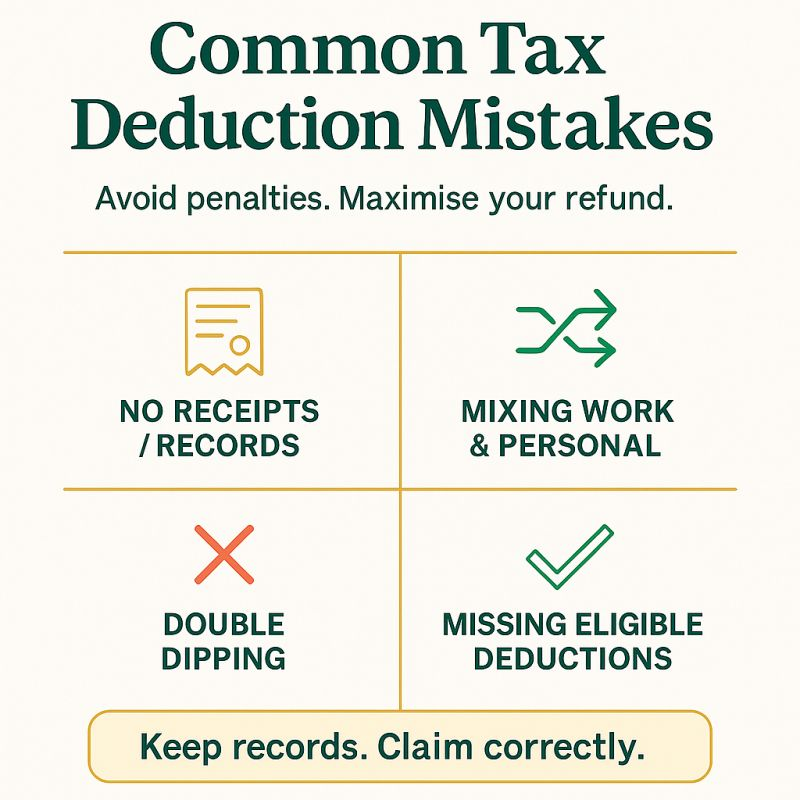
Tax filing can be tricky, and there are common mistakes that many people make when claiming tax deductions. Avoiding these mistakes will ensure that your deductions are accepted and your tax filing is correct. Here are some common pitfalls to watch out for:
A. Not Keeping Proper Documentation
Documentation is the backbone of your tax claims. Failing to keep proper records of your deductible expenses could result in your deductions being rejected. Ensure that you keep receipts, bank statements, and other supporting documents for all claims, and store them in an organized manner.
B. Claiming Ineligible Deductions
Be aware of the eligibility criteria for each deduction. Claiming a deduction for an expense that doesn’t qualify (such as personal travel or non-educational expenses for children) could lead to your tax return being rejected. Familiarize yourself with the KRA’s guidelines and ensure that your claims are within the rules.
C. Missing Tax Filing Deadlines
Failing to file your tax return on time can result in penalties and missed opportunities for deductions. Mark the tax filing deadlines on your calendar and ensure you submit your return well in advance.
D. Overclaiming Deductions
Be mindful of the limits set on specific deductions. For instance, mortgage interest deductions are capped at Ksh 150,000 per year. Exceeding these limits will result in the disallowance of the excess portion. Always check the KRA guidelines for deduction caps and ensure you stay within the prescribed limits.
E. Ignoring Changes in Tax Laws
Tax laws and regulations in Kenya can change from year to year. Keeping yourself updated with any changes to tax deductions is crucial. The KRA provides updates on tax reliefs and deductions through their website, so be sure to stay informed.
IX. Conclusion: Making the Most of Tax Deductions in Kenya
Tax deductions play an integral role in reducing your taxable income and, ultimately, your tax liability. Whether you’re an employee, self-employed, or a business owner, understanding the available deductions, following the correct procedures for claiming them, and staying organized can result in significant savings.
As tax reforms evolve, staying up-to-date with changes in the tax landscape will help you take full advantage of any new reliefs or deductions. Remember to keep accurate records, consult with tax experts if necessary, and file your taxes on time to ensure that you’re getting the most out of the available tax deductions.
By strategically utilizing the tax deductions discussed in this guide, you can reduce your tax burden, increase your savings, and potentially even qualify for a tax refund. Whether it’s mortgage interest, medical expenses, or retirement contributions, make sure to claim all the deductions you’re entitled to—this will help you maximize your financial situation and reduce your overall tax liability in Kenya.