
What is Digital Literacy and Why Does it Matter in Kenya?
Digital literacy refers to the ability to use digital tools and technologies effectively to access, manage, and create information. In the context of Kenya, digital literacy involves understanding how to navigate the internet, utilize various software and devices, and engage in activities such as online communication, e-commerce, and digital education. As Kenya continues to advance technologically, the importance of digital literacy becomes even more pronounced, especially as it directly affects the economic, social, and educational development of the country.
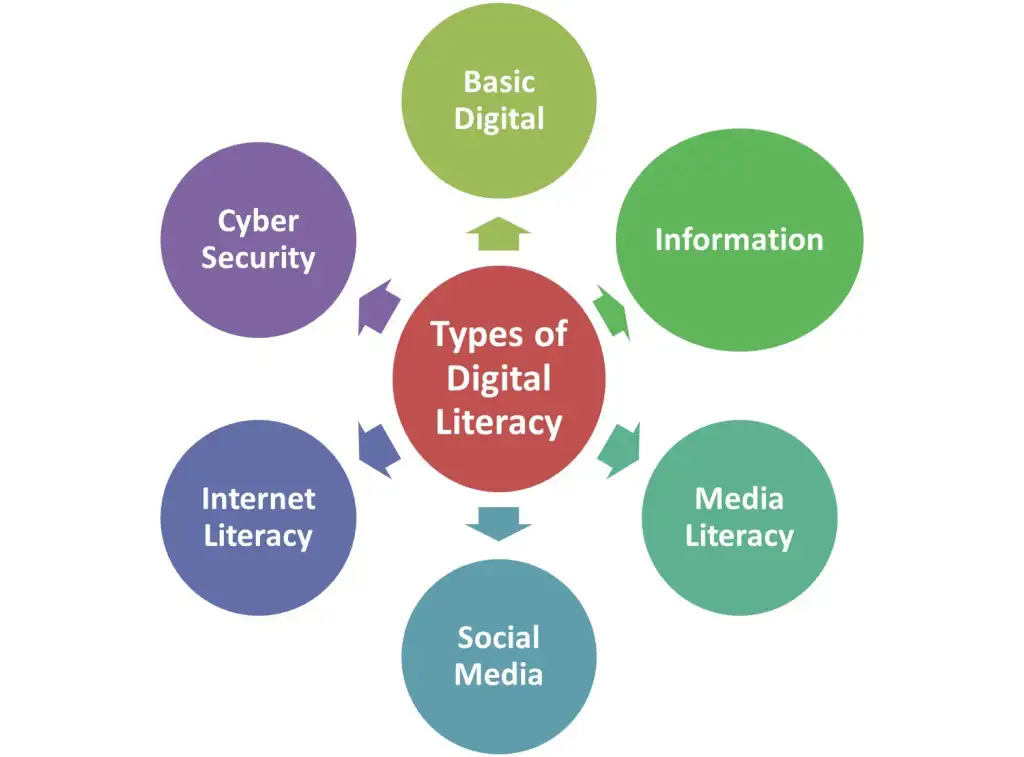
In today’s fast-paced, digital world, the capacity to leverage technology is no longer a luxury—it’s a necessity. Whether it’s accessing government services online, participating in the global job market, or learning new skills, digital literacy in Kenya has far-reaching implications for individuals and the nation as a whole.
Why Digital Literacy Matters in Kenya: The Big Picture
Kenya has been a leader in technological innovations in Africa, particularly with mobile banking platforms like M-Pesa, which revolutionized financial services. With mobile phone penetration reaching over 90% and internet access becoming more widespread, digital literacy is becoming an essential skill for the entire population.
In Kenya, digital literacy is more than just a skill—it’s a bridge to economic opportunities, educational advancement, and social inclusivity. As the country embraces the digital age, digital literacy in Kenya has become a national priority to ensure that everyone, from students to workers and entrepreneurs, is equipped with the skills necessary to thrive in the digital era.
Key points:
- Digital literacy is fundamental to leveraging technology for personal, educational, and professional growth.
- Kenya has already made significant strides in mobile technology, with M-Pesa being one of the most notable examples of how mobile services can transform a nation.
- The growing importance of digital literacy in Kenya is driven by the need for better access to services, jobs, and education through digital means.
The Importance of Digital Literacy for Kenya’s National Growth
- Economic Empowerment:
Digital literacy in Kenya opens doors to new job opportunities and self-employment. It allows people to access online jobs, engage in digital entrepreneurship, and become part of the growing digital economy. By understanding and utilizing digital tools, individuals can unlock the full potential of their businesses, improve productivity, and gain access to the global market. - Educational Advancements:
Digital literacy in Kenya allows students and teachers to explore new learning tools and online resources. It bridges the gap between urban and rural areas in terms of access to educational content. For instance, e-learning platforms such as Kenya’s eLimu provide engaging, interactive lessons for students who otherwise wouldn’t have access to traditional educational resources. - Social Inclusion and Empowerment:
With digital literacy, marginalized groups, including those in rural areas, women, and persons with disabilities, gain better access to critical services like healthcare, financial services, and government initiatives. Kenya‘s digital transformation is not just about technology—it’s about using that technology to ensure that no one is left behind.
Digital Literacy in Kenya: The Path to Achieving Vision 2030
Kenya’s Vision 2030 aims to make the country a middle-income economy by the year 2030. As part of this ambitious plan, digital literacy plays a crucial role in building a knowledge-based economy. From the education sector to healthcare and business, embracing digital tools is seen as essential for the nation’s growth.
Kenya’s National ICT Master Plan emphasizes the need for widespread digital literacy to ensure that citizens are equipped with the necessary skills to participate in and benefit from the digital economy. The government’s commitment to digital literacy in Kenya is reflected in initiatives like the Digital Literacy Programme (DLP), which aims to provide digital devices and training to students and teachers in primary schools.
In Summary:
- Digital literacy is central to Kenya’s long-term growth strategy.
- Economic, educational, and social development all hinge on the ability to effectively use digital tools and platforms.
- The role of digital literacy in Kenya’s Vision 2030 highlights its importance in transforming the nation into a knowledge-driven economy.
The Role of Digital Literacy in Kenya’s Economic Development
How Digital Literacy Fuels Job Creation and Economic Empowerment
One of the most significant benefits of digital literacy in Kenya is its potential to create job opportunities and drive economic empowerment. In an increasingly interconnected world, Kenya’s digital economy has grown rapidly, offering countless opportunities for self-employment, freelancing, and digital entrepreneurship. As mobile phone penetration and internet access rise, more individuals in Kenya are turning to digital tools to generate income, from online jobs to running e-commerce businesses.

Key Aspects of Digital Literacy in Job Creation:
- Freelancing and Online Employment:
The rise of global freelancing platforms like Upwork, Fiverr, and Freelancer has enabled Kenyans to offer their skills and services worldwide. From graphic design to writing and software development, digital literacy is the key to unlocking these opportunities. Young people, especially those in urban centers, are using these platforms to earn a living, sometimes even replacing traditional employment Like Host Kenya and Marsha Creatives - Digital Entrepreneurship:
With basic digital literacy, individuals can start their own online businesses—whether by opening an e-commerce store, offering digital marketing services, or creating content. Kenya’s e-commerce market has seen a surge in businesses like Jumia and Kilimall, which offer platforms for entrepreneurs to reach customers locally and internationally. By mastering digital marketing tools and social media, Kenyan entrepreneurs can tap into a global market and increase their business reach. - Boosting Small and Medium Enterprises (SMEs):
Small businesses are the backbone of the Kenyan economy. Digital literacy in Kenya allows SMEs to streamline operations, improve customer service, and access new markets. With tools like Google My Business, small business owners can create an online presence, manage online sales, and track customer feedback, ultimately contributing to their growth and sustainability.
The Rise of Digital Entrepreneurs in Kenya
Digital literacy has been a catalyst for a new wave of digital entrepreneurs in Kenya, especially among the youth. As the internet becomes more accessible, young people are increasingly turning to the digital space to pursue their passions and create profitable ventures. This shift is supported by a growing number of tech hubs and innovation centers in cities like Nairobi, which have nurtured startups focused on tech solutions and services.
Examples of Digital Entrepreneurs in Kenya:
- Jumia:
Founded in 2012, Jumia has become one of Africa’s largest e-commerce platforms. The company’s growth is a direct result of digital literacy in Kenya, where young entrepreneurs leverage the internet to sell products, manage orders, and connect with customers. - M-Pesa Entrepreneurs:
The advent of M-Pesa, Kenya’s mobile money platform, has led to the rise of mobile money agents. These agents, often small business owners or entrepreneurs, facilitate transactions for people who may not have access to formal banking. This digital solution has empowered individuals to become part of the financial system and run their own businesses. - Tech Startups:
Startups like Twiga Foods, an e-commerce platform that connects farmers to retailers, and Soko Directory, a digital business news platform, demonstrate how digital literacy in Kenya is fostering innovation and creating new business models that benefit both entrepreneurs and consumers.
Digital Literacy and the Growth of Kenya’s Digital Economy
Kenya’s digital economy has been growing steadily, with sectors like fintech, e-commerce, and agritech seeing exponential growth. The ability to use digital tools for business operations, marketing, and customer engagement is essential for thriving in this increasingly digital world.
- Fintech:
Kenya is known for its leadership in mobile financial services. Platforms like M-Pesa have transformed how Kenyans manage money, transfer funds, and pay for goods and services. Digital literacy ensures that people can access and use these financial services, which are vital for economic participation, particularly in underbanked and rural areas. - E-commerce and Online Retail:
With Jumia, Kilimall, and Pigiame, e-commerce in Kenya is booming. These platforms allow entrepreneurs to sell products to a nationwide audience, increasing revenue opportunities. Digital literacy enables sellers to optimize their listings, understand online marketing, and engage with customers in more meaningful ways. - Agriculture and Agritech:
Kenya’s agriculture sector, which employs a significant portion of the population, is benefiting from agritech. Digital literacy enables farmers to access mobile apps that provide weather forecasts, market prices, and farming advice, improving productivity and profitability. Platforms like Twiga Foods help farmers sell their products directly to retailers, cutting out the middlemen and ensuring better earnings.
Digital Literacy and Education in Kenya
The Importance of Digital Literacy in Schools
As Kenya’s educational system evolves, the integration of digital literacy has become a vital component of ensuring that the next generation is equipped to thrive in a technology-driven world. Digital literacy in Kenya plays a critical role in shaping the future of education, helping students access a wealth of information and educational resources that were once unavailable.

The government’s efforts to introduce digital literacy in schools through programs like the Digital Literacy Programme (DLP) are transforming the educational landscape. By providing students with access to devices like laptops and tablets, the government is giving them the tools to learn in a modern, technology-driven environment.
Key Aspects of Digital Literacy in Education:
- Access to Learning Resources:
Digital literacy allows students to access a broad range of learning materials beyond traditional textbooks. Through the internet, students can access online courses, e-books, academic journals, and educational videos. This not only enhances the quality of education but also provides an avenue for continuous learning beyond the classroom. - Interactive and Engaging Learning:
The integration of digital tools in the classroom—such as e-learning platforms, educational apps, and interactive whiteboards—has made learning more engaging and dynamic. These tools allow teachers to create interactive lessons that cater to different learning styles and encourage student participation. For example, programs like Khan Academy and eLimu offer Kenyan students the opportunity to learn at their own pace, gaining a deeper understanding of subjects like mathematics, science, and languages. - Developing 21st-Century Skills:
Teaching digital literacy in Kenya fosters critical skills such as problem-solving, communication, collaboration, and digital citizenship. These skills are essential for preparing students for the demands of the modern job market, where technology is ubiquitous across every industry.
Challenges in Integrating Digital Literacy into the Education System
While the benefits of digital literacy in Kenya are undeniable, there are several challenges that need to be addressed to fully integrate digital tools into the education system.
- Limited Infrastructure and Access to Devices:
One of the primary barriers to digital literacy in Kenyan schools is the lack of adequate infrastructure, especially in rural areas. Many schools still lack access to electricity, stable internet connections, and the necessary digital devices such as computers or tablets. In 2018, the Kenya National Bureau of Statistics reported that over 60% of public primary schools in rural areas did not have access to the internet. This digital divide restricts the ability of students and teachers in these areas to fully benefit from digital education. - Teacher Training and Readiness:
Even in schools where digital tools are available, there is a significant gap in teacher preparedness. Many educators have not received formal training in how to use digital tools and incorporate them into their teaching. Without proper training, teachers are unable to effectively guide students in digital literacy or use educational technology to its full potential. Training teachers in these skills is crucial for ensuring that digital literacy becomes an effective part of the curriculum. - Unequal Access to Quality Content:
While the internet offers a wealth of educational resources, not all content is accessible or appropriate for every student. There are concerns about the quality of online content and whether students have the skills to evaluate and critically engage with it. Additionally, many students in Kenya do not have the resources to access high-quality online learning materials, especially in lower-income areas.
How the Digital Literacy Programme (DLP) is Changing Education in Kenya
The Digital Literacy Programme (DLP) is one of the Kenyan government’s flagship initiatives aimed at enhancing digital literacy in schools. Launched in 2016, the program aims to equip primary school students with digital skills by providing access to ICT tools and resources. Through this initiative, the government has provided tablets and laptops to students, alongside the necessary training for teachers.
Key Goals of the Digital Literacy Programme:
- Improving Access to Educational Technology:
The DLP aims to ensure that students across Kenya, regardless of their geographic location, have access to digital learning tools. By providing devices and training to schools, the program strives to create an equitable learning environment where all students can develop the skills needed to thrive in a digital world. - Enhancing Teaching and Learning Methods:
The DLP encourages teachers to incorporate digital tools and interactive learning methods into their classrooms. This shift in teaching styles fosters a more engaging and collaborative learning environment, where students can work on projects, research topics, and develop digital content. - Expanding Digital Literacy Beyond the Classroom:
The program does not only focus on the formal school system but also encourages students to take digital learning beyond the classroom. With access to digital devices and content, students can continue learning at home and participate in online communities that foster skill development.
The Impact of Digital Literacy on Educational Outcomes in Kenya
- Bridging the Gap Between Urban and Rural Education:
One of the most significant impacts of digital literacy in Kenya is its ability to bridge the education gap between urban and rural areas. Rural students, who traditionally had fewer resources and access to educational materials, can now access online courses and resources from any location. This opens up new educational opportunities and helps ensure that all students, regardless of their background, can compete in a modern world. - Improved Student Performance:
Studies have shown that the integration of digital literacy into the curriculum leads to improved student performance. By engaging with interactive learning materials, students are more likely to retain information and develop a deeper understanding of subjects. Furthermore, the ability to access real-time information and collaborate with peers globally enhances students’ overall learning experiences. - Enhancing Teacher Effectiveness:
Digital literacy has also enhanced teacher effectiveness. With access to online resources and teaching tools, teachers can customize lessons to suit the needs of their students, track their progress, and find new ways to engage learners. Teachers who are digitally literate are also better able to adapt to changes in the educational landscape, particularly during the COVID-19 pandemic when many schools shifted to online learning.
In Summary:
- Digital literacy in Kenya plays a crucial role in transforming the education sector by providing students and teachers with the tools to thrive in a digital world.
- The Digital Literacy Programme (DLP) is a key initiative by the government to provide access to digital learning tools, especially for students in underserved areas.
- While there are challenges, such as limited infrastructure and a lack of teacher training, the benefits of digital literacy in education far outweigh the obstacles, creating new opportunities for students across Kenya.
Digital Literacy for Social Inclusion in Kenya
How Digital Literacy Promotes Social Inclusion in Kenya
Digital literacy in Kenya goes beyond just economic and educational benefits; it also plays a significant role in promoting social inclusion. By enabling marginalized groups—such as those in rural areas, women, and persons with disabilities—to access digital services and opportunities, digital literacy has the potential to reduce inequality and foster a more inclusive society.
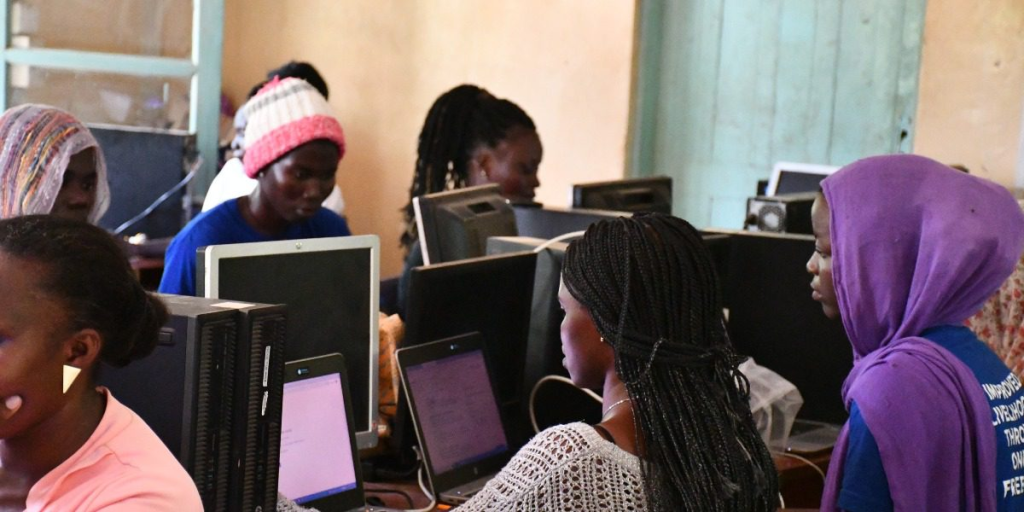
In Kenya, where over 70% of the population lives in rural areas, access to digital tools and resources is vital for ensuring that everyone can participate in the digital economy and access essential services.
Key Ways Digital Literacy Promotes Social Inclusion:
- Access to Government Services:
Digital literacy has made it easier for Kenyans to access government services through e-government platforms. Services like Huduma Centres provide citizens with a range of services, from applying for identification cards to accessing social services and business registration. By teaching citizens how to navigate these online platforms, digital literacy helps ensure that even those in remote areas can engage with government services efficiently. - Healthcare Access:
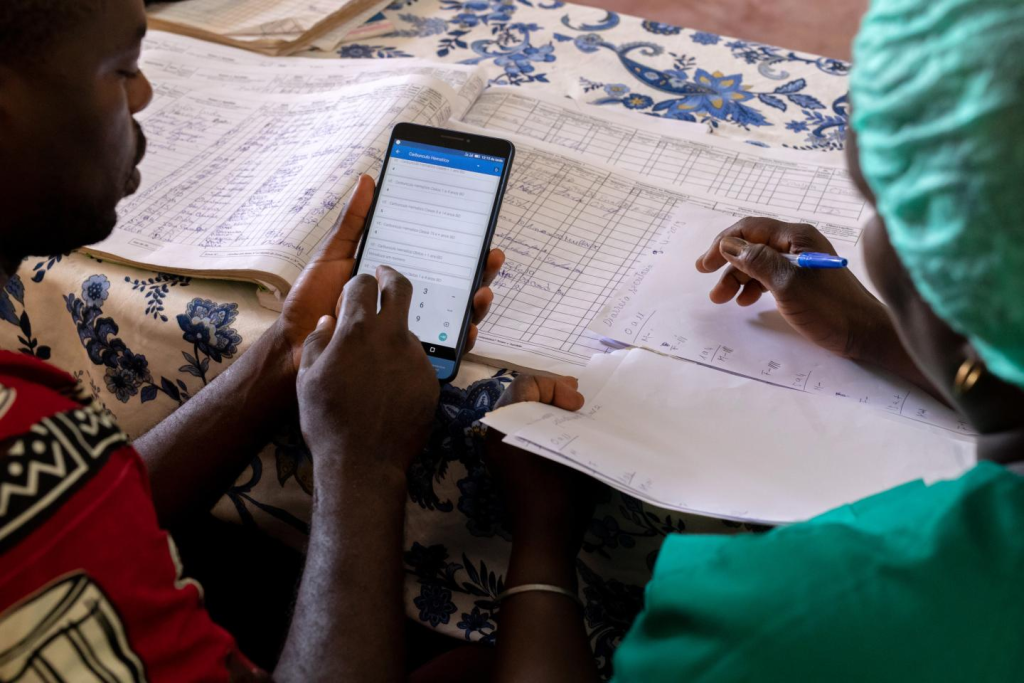
Digital health services have transformed healthcare delivery in Kenya, particularly in remote and underserved areas. Through mobile health applications like M-Tiba, people can access healthcare services, track health records, and receive medical consultations. For people with limited access to healthcare facilities, these digital tools have become life-saving resources. Digital literacy enables users to fully engage with these platforms and make informed health decisions. - Financial Inclusion:
Mobile banking services like M-Pesa have brought financial inclusion to millions of Kenyans, particularly in rural areas. However, digital literacy is essential for individuals to understand how to use these platforms effectively. By teaching people how to send money, pay bills, and save using mobile phones, digital literacy ensures that more people can benefit from these financial services, reducing the barriers to financial independence. - Civic Engagement:
Digital literacy encourages active participation in democratic processes. Kenyans are now able to engage in online discussions, access news, and participate in public consultations, thanks to digital tools. This helps foster a more informed and engaged citizenry, where people can contribute to policy discussions, vote, and stay updated on matters that affect them.
The Role of Digital Literacy in Bridging the Gender Gap
In Kenya, there is a significant gender disparity in access to digital literacy and technology. According to a UN Women report, women in rural Kenya are less likely to own smartphones or have access to the internet compared to men. Digital literacy in Kenya is essential for bridging this gap and empowering women, particularly in rural and marginalized communities.
How Digital Literacy Supports Women in Kenya:
- Entrepreneurship and Economic Empowerment:
Through digital tools, women can start and run businesses, gain financial independence, and access global markets. Initiatives like Ajira Digital focus on training young people, especially women, in digital skills such as virtual assistance, transcription, and content creation. By equipping women with these skills, digital literacy enables them to participate more fully in the economy. - Education and Skill Development:
Digital literacy is also crucial in providing women with access to education and skill development programs. Through e-learning platforms, women can acquire new skills in various fields, from IT to healthcare and business management. This opens up new career opportunities and helps women break out of traditional gender roles. - Access to Digital Health Services:
Mobile health services like M-Tiba have empowered women, particularly mothers, by providing them with access to health services and maternal care information. Digital literacy ensures that women can use these platforms effectively, improving their health and the health of their families. - Social Connections and Support Networks:
Social media platforms and online communities have allowed women in Kenya to connect with each other, share experiences, and support one another. Digital literacy enables women to join these online networks, where they can access resources, advice, and opportunities for personal and professional growth.
Digital Literacy and the Empowerment of Persons with Disabilities
In Kenya, people with disabilities often face significant barriers to accessing education, employment, and social services. However, digital literacy has the potential to level the playing field by providing assistive technologies and accessible digital platforms that allow individuals with disabilities to participate in society more fully.
How Digital Literacy Enhances Accessibility for Persons with Disabilities:
- Assistive Technologies:
There are several assistive technologies available in Kenya, including screen readers, voice recognition software, and mobile apps designed to help individuals with visual, hearing, or physical impairments. Digital literacy ensures that people with disabilities can use these technologies effectively, gaining access to education, work opportunities, and online services. - Access to Education:
Digital platforms offer inclusive educational resources for persons with disabilities. For example, platforms like eLimu can be adapted to cater to learners with special needs, offering audio content and interactive features. Digital literacy allows individuals with disabilities to engage with these resources, ensuring that they have the same opportunities as others. - Workplace Inclusion:
As more businesses adopt digital tools for communication and operations, digital literacy provides persons with disabilities the skills necessary to engage in the workforce. Remote work and online job platforms can create new job opportunities for people with disabilities, allowing them to earn a living and contribute to society. - Social Inclusion:
Digital tools enable persons with disabilities to engage with their communities, access information, and participate in social activities. Whether it’s through social media or online forums, digital literacy fosters inclusion by allowing people with disabilities to interact, share experiences, and build support networks.
In Summary:
- Digital literacy in Kenya plays a significant role in promoting social inclusion by providing access to government services, healthcare, financial tools, and educational opportunities.
- Women, particularly in rural areas, face significant challenges in accessing digital tools, but digital literacy initiatives are helping to bridge the gender gap and empower women through entrepreneurship and education.
- For persons with disabilities, digital literacy provides access to assistive technologies and inclusive educational resources, improving their quality of life and work opportunities.
Government and Private Sector Initiatives to Promote Digital Literacy in Kenya
What is the Kenyan Government Doing to Promote Digital Literacy?
The Kenyan government has recognized the importance of digital literacy in Kenya as a key driver of national growth and development. Over the years, the government has launched several initiatives aimed at improving access to digital tools and equipping citizens with the necessary skills to participate in the digital economy. From policy frameworks to national programs, the government has been proactive in making digital literacy a central part of its development agenda.

Key Government Initiatives to Promote Digital Literacy:
- The Digital Literacy Programme (DLP):
Launched in 2016, the Digital Literacy Programme (DLP) is one of Kenya’s flagship projects aimed at enhancing digital literacy among primary school students. Through the DLP, the government has provided tablets and laptops to students in public primary schools across the country. The program also focuses on training teachers to incorporate digital tools into their teaching, ensuring that students are well-equipped for the future. The DLP is aligned with Kenya’s Vision 2030 and the National ICT Master Plan, both of which emphasize the importance of digital literacy in creating a knowledge-based economy. This initiative has reached thousands of schools, providing students with the skills needed to navigate the digital world. - Kenya National ICT Master Plan:
The Kenya National ICT Master Plan outlines the government’s vision for the role of technology in the country’s development. A key aspect of this plan is the goal to make digital literacy in Kenya universal by 2030. It focuses on expanding access to technology, increasing internet penetration, and ensuring that every Kenyan has the digital skills needed to participate in the economy. By improving digital infrastructure and increasing access to ICT tools in both urban and rural areas, this initiative aims to create a more digitally inclusive society where all citizens, regardless of their location or background, can benefit from the opportunities digital technologies offer. - Ajira Digital Programme:
The Ajira Digital Programme was launched in 2016 by the Ministry of Information, Communications, and Technology. Its primary objective is to empower youth, particularly women, by providing them with digital skills and online job opportunities. Through this initiative, participants receive training in digital fields such as virtual assistance, content writing, data entry, and digital marketing. The program also connects them to global freelancing platforms, enabling them to earn income and gain valuable experience. Ajira Digital plays a crucial role in promoting digital literacy in Kenya by equipping young people with the skills they need to succeed in the growing digital economy.
How the Private Sector Supports Digital Literacy in Kenya
In addition to government efforts, the private sector has been instrumental in promoting digital literacy in Kenya. Technology companies, non-governmental organizations (NGOs), and educational institutions have all played a key role in bridging the digital divide and ensuring that more people have access to digital tools and education.
Private Sector Contributions to Digital Literacy in Kenya:
- Safaricom:
As one of Kenya’s largest telecommunications companies, Safaricom has played a significant role in improving digital literacy. Through initiatives like M-Pesa Foundation Academy, Safaricom has provided scholarships to students, especially those from underserved communities, to learn about technology and digital skills. Additionally, Safaricom’s partnerships with other organizations have helped promote digital literacy through training programs and workshops. Safaricom also supports the Kenya Schools eLearning Programme, which provides schools with digital devices and resources to enhance the learning experience. Through these initiatives, Safaricom has helped drive digital literacy in both the education and business sectors. - Google:
Google Kenya has partnered with various organizations to offer digital skills training for youth and small businesses. Google’s Digital Skills for Africa program, for example, has trained over 1 million Kenyans in digital skills, including online marketing, entrepreneurship, and data analysis. By providing free, accessible training, Google has helped many individuals and businesses build the skills needed to thrive in the digital economy. Google’s support for digital literacy also extends to education, where the company has equipped schools with the necessary tools to integrate digital learning into their curriculum. - Microsoft:
Microsoft Kenya has been actively involved in promoting digital literacy through initiatives like Microsoft 4Afrika. This program focuses on providing young people with the digital skills necessary to succeed in a globalized economy. By offering free online courses, providing access to software, and partnering with schools and universities, Microsoft has supported the development of digital skills in Kenya. In addition, Microsoft has worked with businesses in Kenya to improve their digital capabilities, helping companies adopt digital tools to streamline operations and improve productivity. - NGOs and Local Organizations:
Several NGOs and local organizations have also contributed to promoting digital literacy in Kenya. For example, the Kenya ICT Action Network (KICTANet) works to create a policy framework that supports digital literacy and ICT access for all Kenyans. Through its advocacy and capacity-building initiatives, KICTANet plays a vital role in bridging the digital divide. Technovation Kenya is another initiative that focuses on empowering young girls with the skills to develop tech solutions. Through workshops and mentorship, girls are taught to code and create apps, helping them become digital leaders in their communities.
Collaborations Between Government and Private Sector
The collaboration between the Kenyan government and the private sector has been pivotal in advancing digital literacy in Kenya. These partnerships allow for the pooling of resources, expertise, and infrastructure to ensure that digital tools and education are accessible to all Kenyans.
- Public-Private Partnerships:
One of the most notable examples of public-private partnerships is the collaboration between the Ministry of ICT and Safaricom in the Kenya Schools eLearning Programme. By working together, they have been able to provide schools with the resources they need to integrate technology into the classroom. This partnership has provided both students and teachers with digital tools that enhance the learning experience. - Innovation Hubs and Incubators:
Both the government and private sector have invested in innovation hubs and tech incubators like iHub and Nailab. These spaces foster innovation by providing entrepreneurs and young people with access to digital tools, mentorship, and training. These hubs have become important platforms for promoting digital literacy and driving the growth of tech-based businesses in Kenya.
In Summary:
- The Kenyan government has made significant strides in promoting digital literacy in Kenya, with initiatives like the Digital Literacy Programme and the Ajira Digital Programme playing central roles.
- Private sector players like Safaricom, Google, and Microsoft have contributed to digital literacy efforts through training programs, access to resources, and partnerships.
- Public-private collaborations have been essential in driving the growth of digital literacy in Kenya, ensuring that citizens from all walks of life can access the tools and education they need to thrive in a digital world.
The Challenges of Achieving Widespread Digital Literacy in Kenya
While digital literacy in Kenya has made significant progress, especially with the introduction of various government and private sector initiatives, there are several challenges that hinder its widespread adoption and effectiveness. Addressing these challenges is crucial for ensuring that all Kenyans, regardless of their geographic location, socio-economic status, or education level, can benefit from the opportunities that digital literacy offers.
1. Limited Access to Digital Devices and Internet Connectivity
One of the most significant barriers to achieving digital literacy in Kenya is the limited access to digital devices and reliable internet connectivity, especially in rural areas. While Kenya’s urban centers like Nairobi and Mombasa enjoy relatively high levels of internet penetration, rural areas still face challenges in accessing the necessary tools and infrastructure.

Key Issues:
- Cost of Devices:
While mobile phones have become more affordable, smartphones and computers are still out of reach for many families in rural areas. Even with government programs providing digital tools, the overall reach is limited by the availability of these devices in schools and households. According to the World Bank, over 60% of rural households in Kenya do not own a smartphone, which significantly limits their ability to access online education or services. - Internet Accessibility:
Despite the growth of mobile data subscriptions in Kenya, internet speeds and availability remain inconsistent, particularly in rural and remote areas. The lack of reliable internet infrastructure means that many students and workers cannot participate in online education, remote work, or access digital government services. - Electricity Gaps:
In some areas, inconsistent or lack of access to electricity also makes it challenging to use digital devices. Without a reliable power source, it becomes difficult for students to engage in e-learning, for businesses to operate digitally, or for households to take full advantage of mobile and online services.
2. Skills Gap Among the Kenyan Workforce
Although the Kenyan government has made significant efforts to promote digital literacy, there is still a considerable skills gap within the workforce. Many Kenyans, particularly those in rural areas or from disadvantaged backgrounds, lack the advanced digital skills necessary to compete in the modern job market.

Key Issues:
- Limited Access to Advanced Digital Training:
While basic digital literacy programs have been successful in introducing people to the fundamentals of using smartphones, computers, and the internet, there is a shortage of advanced training programs. As industries become more dependent on digital tools, there is an increasing demand for specialized skills like data analytics, cybersecurity, coding, and digital marketing. However, the availability of these training programs is still limited, and those who need them the most are often unaware of the opportunities or unable to afford them. - Lack of Technical Skills for Employment:
Many Kenyan workers still struggle to gain the technical skills necessary for employment in the digital economy. For instance, while the number of tech jobs in Kenya continues to rise, there remains a shortage of qualified software developers, data scientists, and other specialized roles. This gap in digital skills limits the potential for economic growth, especially in sectors that rely heavily on technology.
3. Gender Disparities in Digital Literacy
Although there has been notable progress in promoting digital literacy in Kenya, gender inequality remains a significant challenge. Women, particularly in rural areas, face greater barriers to accessing digital tools and acquiring digital skills compared to men. This digital gender gap limits women’s participation in the digital economy, entrepreneurship, and education.

Key Issues:
- Cultural and Societal Norms:
In many rural communities, traditional gender roles often limit women’s access to digital tools. For example, in some families, women may be discouraged from using technology, while men are given priority access to devices such as smartphones and computers. These societal norms contribute to the widening digital gender gap, where women are left behind in terms of skills and access. - Limited Opportunities for Women:
Programs aimed at empowering women with digital skills, such as Ajira Digital, are helping, but there is still a significant need for more gender-focused digital literacy initiatives. Women often face greater challenges in accessing the internet and learning digital skills because of competing household responsibilities, lack of time, and limited access to financial resources. - Digital Violence and Harassment:
Another factor that discourages women’s full participation in the digital space is the issue of online harassment and cyberbullying. Women, particularly young women, are more likely to face gender-based violence online, which can deter them from participating in online education or digital entrepreneurship.
4. Insufficient Teacher Training in Digital Tools
While digital literacy in Kenya has been incorporated into school curricula, many teachers still lack the proper training to effectively use digital tools in the classroom. As the education system continues to embrace technology, it is essential to ensure that teachers are adequately trained to integrate digital tools into their teaching methods.

Key Issues:
- Lack of Teacher Training Programs:
Despite the government’s efforts to train teachers through initiatives like the Digital Literacy Programme (DLP), many educators have not received sufficient training in how to incorporate technology into lessons. Without proper training, teachers are unable to fully leverage digital tools to improve learning outcomes. According to a report by the UNESCO, only 35% of teachers in Kenya have received formal training in using ICT for teaching. - Access to Continuous Professional Development:
Teachers in Kenya, particularly in rural schools, often have limited access to professional development opportunities in the field of digital education. Continuous training is crucial for keeping educators up-to-date with the latest digital tools and techniques, ensuring that students receive the highest quality education in a digital environment.
5. Affordability and Sustainability of Digital Literacy Programs
While various initiatives have been launched to promote digital literacy in Kenya, the sustainability and affordability of these programs remain a challenge. Government-funded programs and private sector initiatives often struggle to maintain long-term impact due to financial constraints, lack of resources, and inconsistent funding.
Key Issues:
- Financial Constraints:
The government’s investment in providing digital devices to schools and communities is commendable, but the cost of maintaining and updating these devices can be a barrier. Without adequate funding, it becomes difficult to ensure that digital tools remain functional and up-to-date. - Short-Term Programs:
Many digital literacy programs in Kenya are short-term, and once the initial project concludes, there is often a lack of follow-up or continued support. To create lasting impact, there is a need for long-term initiatives that not only provide access to technology but also ensure that communities have the ongoing support to effectively use and maintain these tools.
In Summary:
- Limited access to digital devices and internet connectivity remains a major obstacle to achieving universal digital literacy in Kenya, particularly in rural areas.
- The skills gap among the Kenyan workforce, especially in advanced digital areas, hampers the nation’s ability to fully capitalize on the opportunities of the digital economy.
- Gender disparities in access to digital literacy continue to limit women’s participation in the digital space, requiring more targeted programs to bridge this gap.
- Teacher training in digital tools is still insufficient, with many educators lacking the necessary skills to effectively integrate technology into their classrooms.
- Affordability and sustainability of digital literacy programs are challenges that need to be addressed to ensure long-term, widespread impact.
What’s the Future of Digital Literacy in Kenya?
Preparing the Youth for the Digital Future
As Kenya continues to transition into a knowledge-based economy, the future of digital literacy in Kenya lies in preparing the youth for the rapidly changing digital landscape. The current generation of students and young people will play a critical role in shaping the country’s digital future, and it is essential that they are equipped with the necessary skills to thrive in this increasingly interconnected world.

Key Aspects of Preparing Youth for the Digital Future:
- Expanding Digital Education Initiatives:
Government and private sector initiatives like the Digital Literacy Programme (DLP) have laid the foundation, but the future of digital literacy in Kenya will require a more comprehensive approach. Schools, universities, and training institutions must prioritize digital education in their curricula, equipping students not only with basic digital skills but also with advanced competencies in areas such as coding, data science, and cybersecurity. For example, programs like Kenya’s ICT Innovation Centre are already providing coding and software development training to young people, giving them the tools to build the next generation of digital technologies. - Fostering Digital Entrepreneurship:
With the rise of digital platforms and online businesses, young people have an unprecedented opportunity to become digital entrepreneurs. Training youth in digital marketing, e-commerce, and app development can help them start businesses from their smartphones and create job opportunities, rather than relying solely on traditional employment avenues. The future of digital literacy in Kenya must include entrepreneurship programs that empower youth to innovate and lead in the digital economy. - Access to Digital Tools and Resources:
Ensuring that young people have access to digital tools, such as computers, smartphones, and reliable internet, will be key to the future of digital literacy. Partnerships between the government, private sector, and non-governmental organizations (NGOs) can provide the infrastructure and resources needed to equip young people with the tools to learn and thrive digitally.
The Role of Emerging Technologies in Shaping Digital Literacy in Kenya
As technology evolves, digital literacy in Kenya must adapt to include emerging technologies like Artificial Intelligence (AI), the Internet of Things (IoT), and blockchain. These technologies are transforming industries, creating new job opportunities, and reshaping the way we live and work. Ensuring that the Kenyan population, particularly youth, is equipped with the knowledge and skills to work with these technologies will be critical in maintaining the country’s competitive edge in the global economy.
Key Emerging Technologies in Kenya’s Digital Future:
- Artificial Intelligence (AI) and Machine Learning:
AI is rapidly transforming industries worldwide, and Kenya is no exception. In sectors like agriculture, healthcare, and finance, AI is being used to improve decision-making, automate processes, and create innovative solutions. Digital literacy in Kenya will need to incorporate AI and machine learning education to ensure that young people are prepared to enter AI-driven job markets. The AI Centre of Excellence, established by the government and private sector, is an example of an initiative that can drive digital literacy in this critical area. - The Internet of Things (IoT):
As more devices become connected to the internet, the IoT is creating new opportunities for industries like agriculture (e.g., precision farming) and healthcare (e.g., remote patient monitoring). By understanding IoT, young people in Kenya can become the next generation of innovators, building solutions that solve local problems while contributing to the global tech ecosystem. - Blockchain Technology:
Blockchain, the technology behind cryptocurrencies, has the potential to revolutionize sectors like finance, supply chain management, and governance. By including blockchain in digital literacy programs, Kenya can prepare its youth for the jobs and innovations in this fast-evolving field.
Kenya’s Vision 2030 and the Role of Digital Literacy
Kenya’s Vision 2030 is an ambitious development agenda that aims to transform the country into a middle-income, industrialized nation by the year 2030. Digital literacy will play a central role in achieving this vision, particularly in terms of building a knowledge-based economy, improving access to services, and fostering innovation.
Key Contributions of Digital Literacy to Vision 2030:
- Building a Knowledge-Based Economy:
Vision 2030 emphasizes the importance of knowledge-driven industries, which require a highly skilled workforce. Digital literacy in Kenya is a fundamental part of this transition, as it provides the foundation for skills in sectors like IT, finance, and education. - Enhancing E-Government Services:
Kenya’s Vision 2030 also focuses on improving e-government services to enhance transparency, accountability, and efficiency in public administration. As more government services move online, citizens will need digital skills to access these services, from paying taxes to applying for permits. Thus, digital literacy will be essential for achieving the government’s goal of becoming a fully digitalized society. - Encouraging Innovation and Entrepreneurship:
Vision 2030 seeks to position Kenya as a regional hub for innovation and entrepreneurship. To achieve this, it is critical that young people are equipped with the digital skills needed to develop new technologies, create startups, and drive economic growth. Digital literacy will enable youth to use emerging technologies to create solutions that address local and global challenges.
Sustainability and Long-Term Investment in Digital Literacy
For digital literacy in Kenya to have a lasting impact, long-term investment is needed from both the government and private sector. It is crucial that the momentum gained through digital initiatives is sustained to ensure that every Kenyan has access to the tools and education needed to thrive in the digital economy.
Key Strategies for Ensuring Long-Term Success:
- Government Commitment to Digital Infrastructure:
Continued investment in digital infrastructure—such as expanding internet connectivity, building tech hubs, and improving access to digital devices—is essential to ensure that digital literacy in Kenya reaches every corner of the country. Rural areas, in particular, must be prioritized in these efforts to bridge the digital divide. - Private Sector Collaboration and Investment:
The private sector must continue to invest in digital skills training programs and support initiatives that promote digital literacy. This includes partnerships with schools, universities, and vocational training institutions to provide access to training in advanced digital skills. - Community and Local-Level Initiatives:
Local communities must be actively involved in promoting digital literacy, with NGOs and grassroots organizations helping to raise awareness and provide digital education at the community level. By involving local stakeholders, digital literacy programs can be better tailored to the unique needs of different regions.
In Summary:
- The future of digital literacy in Kenya will be shaped by the country’s commitment to preparing youth for the digital economy through education, entrepreneurship, and access to digital tools.
- Emerging technologies like AI, IoT, and blockchain will play a pivotal role in the digital future, and it is essential to integrate them into digital literacy programs to ensure Kenya remains competitive.
- Kenya’s Vision 2030 emphasizes the importance of digital literacy in building a knowledge-based economy and improving access to services, fostering innovation, and creating job opportunities.
- Long-term sustainability of digital literacy programs in Kenya will require continued investment in digital infrastructure, private sector collaboration, and community-based initiatives.
Conclusion: Why Digital Literacy in Kenya is a National Priority
Recap of Key Benefits and Future Implications
As Kenya continues to evolve in the digital age, digital literacy in Kenya has become a cornerstone of the country’s future success. From economic empowerment and educational transformation to social inclusion, digital literacy plays a critical role in shaping a more inclusive and prosperous society. The government, private sector, and various organizations have made significant strides in integrating digital literacy into schools, businesses, and communities.
However, the journey is far from over. Kenya’s rapidly expanding digital economy requires a digitally literate population that can navigate, innovate, and compete on the global stage. As we have discussed, the benefits of digital literacy in Kenya are vast—enabling economic growth, improving educational access, promoting social inclusion, and preparing the youth for the challenges and opportunities of the future.
Key Benefits of Digital Literacy in Kenya:
- Economic Empowerment: Digital literacy creates job opportunities, facilitates entrepreneurship, and boosts small businesses by enabling access to digital platforms like M-Pesa and Jumia.
- Educational Transformation: It provides students and teachers with access to a wealth of learning resources, interactive platforms, and tools that enhance the learning experience.
- Social Inclusion: It helps marginalized groups, such as women, people with disabilities, and those in rural areas, gain access to essential services like healthcare, financial services, and government resources.
- Preparing for Emerging Technologies: It equips young people with the skills needed to work with technologies like AI, IoT, and blockchain, positioning Kenya as a leader in the digital economy.
The Road Ahead: What Needs to Be Done Next?
To build on the success of current initiatives and ensure that digital literacy becomes widespread, the government and private sector must continue to invest in the digital infrastructure, training, and support that are needed to help all Kenyans succeed in the digital economy. This requires a multi-faceted approach that addresses the challenges and barriers to digital literacy, especially in underserved and rural areas.
Key Recommendations for the Future:
- Expanding Digital Infrastructure:
Ensuring that internet access and digital tools are available to all Kenyans, especially in rural areas, is essential for bridging the digital divide. The government must continue to invest in expanding internet infrastructure and providing affordable devices to schools, businesses, and households. - Increased Investment in Teacher Training:
Teacher training remains a critical element in the success of digital literacy programs. More resources should be dedicated to training educators in the use of digital tools, ensuring they can effectively integrate technology into their teaching. Continuous professional development in digital education should be made a priority to keep teachers up-to-date with emerging technologies. - Gender-Inclusive Digital Literacy Programs:
Gender disparity in digital literacy must be addressed to ensure that women have equal access to digital tools and education. Initiatives that target women and girls in rural and marginalized communities should be expanded to encourage female participation in the digital economy and entrepreneurship. - Private Sector Collaboration:
The private sector can continue to support digital literacy through partnerships with the government and NGOs. By investing in training programs, providing access to software and hardware, and creating opportunities for youth employment in the tech sector, businesses can help bridge the gap in digital skills and support the growth of Kenya’s digital economy. - Focus on Lifelong Learning and Skill Development:
As digital tools continue to evolve, it is essential that Kenyans, particularly workers, are given opportunities for continuous learning. This includes offering online courses, certification programs, and workshops that help people upgrade their digital skills and remain competitive in the job market.
Final Thoughts: A Call to Action
As Kenya continues its journey towards becoming a digitally inclusive society, the importance of digital literacy cannot be overstated. The government, private sector, and civil society must collaborate to ensure that digital literacy is not just a privilege for a select few, but a right for all Kenyans.
By addressing the challenges of infrastructure, access, and training, Kenya can ensure that digital literacy reaches every corner of the country, empowering individuals and communities to take full advantage of the digital economy. With continued investment and focus on digital literacy, Kenya will not only catch up to the digital age—it will thrive in it, creating new opportunities for economic growth, innovation, and social development.
In Conclusion:
- Digital literacy in Kenya is a national priority that holds the key to the country’s future success. It is vital for economic growth, social inclusion, education, and preparing for the digital future.
- To achieve the full potential of digital literacy, continued investment and collaboration across all sectors of society are needed.
- With the right investments and a focus on equity, Kenya can become a leading digital economy, ensuring that no Kenyan is left behind in the digital age.
Call to Action
Now is the time for action. Whether you’re a student, teacher, entrepreneur, or policymaker, there are many ways to contribute to the future of digital literacy in Kenya. Embrace digital learning, encourage others to develop their digital skills, and advocate for continued investment in digital infrastructure and education. By working together, we can ensure that digital literacy becomes a reality for all Kenyans, helping the country realize its full potential in the digital era.