

Withholding tax In Kenya is a key concept for startups, and understanding how it works is crucial for compliance with Kenyan tax laws. In this guide, we will dive deep into what withholding tax is, how it affects your business, and the steps you need to take to ensure you’re compliant with the Kenya Revenue Authority (KRA).

Whether you’re a new startup or an established business, withholding tax plays a significant role in your tax obligations, and it’s essential to stay informed to avoid penalties.
Introduction: What is Withholding Tax in Kenya?
Definition of Withholding Tax in Kenya
Withholding tax in Kenya is a tax that is deducted at the source of income before the recipient receives it. Essentially, when a business makes a payment to an individual or another business, it is required to deduct a certain percentage of that payment and remit it to the Kenya Revenue Authority (KRA) on behalf of the payee.
This tax is typically applied to various types of income, including salaries, payments for services, interest, dividends, and rents. The amount withheld is then paid directly to the KRA, relieving the recipient of the tax burden.
For example, if a Kenyan startup hires a contractor and agrees to pay them Ksh 100,000 for a service, the startup would withhold a percentage (e.g., 5%) of the payment and send it directly to the KRA. The contractor will receive the net payment of Ksh 95,000.
This system helps the government collect taxes more efficiently and ensures that businesses and individuals comply with their tax obligations.
Why Withholding Tax in Kenya Matters for Startups
Understanding and properly managing withholding tax is critical for Kenyan startups for several reasons:
- Ensures Compliance with KRA Regulations: The Kenya Revenue Authority (KRA) requires businesses to withhold taxes when making payments. Failing to do so can result in penalties, fines, and even legal action.
- Prevents Tax Evasion: By deducting taxes at the source, withholding tax reduces the chance of tax evasion. It ensures that taxes are paid promptly and in full.
- Improves Government Revenue Collection: Withholding tax allows the government to collect taxes in a more systematic and predictable manner. For businesses, this can be a relief as it reduces the administrative burden of having to collect taxes themselves.
How Does Withholding Tax Benefit Startups?
- Reduced Administrative Burden: For businesses, withholding tax simplifies the process of paying taxes by making it the responsibility of the payer (e.g., the startup) to deduct the tax and remit it to the government.
- Timely Payment: Withholding tax ensures that taxes are paid promptly and reduces the risk of delayed payments that could lead to penalties.
- Cash Flow Management: By deducting the tax upfront, startups can avoid large lump-sum tax payments, helping to better manage cash flow.
How Withholding Tax in Kenya Works
In this section, we’ll explore the mechanics of withholding tax in Kenya, including what payments are subject to withholding tax, who is responsible for withholding it, and how the process works in practice. Understanding these aspects will help Kenyan startups navigate the tax system with confidence.

What Payments Are Subject to Withholding Tax in Kenya?
Withholding tax in Kenya applies to a variety of income types. Below is a breakdown of common payment categories subject to withholding tax:
1. Salaries and Wages
One of the most common applications of withholding tax is on employee salaries. Employers are required to deduct tax at source from their employees’ wages and remit the amount to the KRA. The tax deducted is based on the tax bands and rates set by the KRA.
Example: If Host Kenya hires an employee with a gross salary of Ksh 100,000 per month, Host Kenya must calculate the tax deduction based on the applicable rate for that salary band and pay it to the KRA.
2. Professional Fees and Contractors
Withholding tax also applies to payments made for professional services. This includes fees paid to independent contractors, consultants, and service providers. The rate for withholding tax on professional fees is typically 5% for local service providers, though the rate can vary depending on the specific service or sector.
Example: If Host Kenya hires a marketing consultant for Ksh 50,000, Host Kenya would need to withhold 5% of that amount (Ksh 2,500) and remit it to the KRA. The consultant will receive Ksh 47,500 after the withholding tax.
3. Rent Payments
Kenyan businesses that pay rent to landlords are also subject to withholding tax. This typically applies to rent paid on commercial properties, but it can also apply to residential leases depending on the circumstances.
Example: A business renting office space for Ksh 200,000 per month would be required to withhold a percentage of the rent and send it to the KRA.
4. Interest and Dividends
Payments of interest on loans and dividends paid to shareholders are subject to withholding tax. This applies both to local and foreign entities. The rate of withholding tax on interest and dividends is typically set at 15%.
Example: If a startup pays Ksh 10,000 in interest to a lender, it would be required to withhold 15% of that amount (Ksh 1,500) and send it to the KRA.
5. Payments to Foreign Entities
When a business makes payments to foreign companies for services or goods, withholding tax may apply. This is generally applied to payments for services, royalties, or technical assistance provided by foreign entities to Kenyan businesses. The rate is usually set at 20% for such payments.
Example: If a startup in Kenya hires a foreign company for software development services, the payment of Ksh 100,000 will be subject to a withholding tax of 20% (Ksh 20,000), which must be paid to the KRA.
How is Withholding Tax Collected in Kenya?
Withholding tax is typically deducted at the time the payment is made. The payer—whether it’s a business or an individual—has the responsibility to withhold the tax and ensure it’s remitted to the KRA. Here’s how the process generally works:

- Step 1: Deduction at Source
When making a payment (e.g., salary, rent, professional fees), the business or payer deducts the appropriate withholding tax from the amount owed to the recipient. - Step 2: Remittance to the KRA
The payer then remits the withheld tax to the KRA. This is usually done through the KRA’s iTax portal, which simplifies the filing and payment process. - Step 3: Issuance of Certificates
After remitting the tax, the payer must issue a withholding tax certificate to the payee. This certificate serves as proof of tax payment and can be used by the payee when filing their own tax returns. - Step 4: Reporting and Filing
Businesses are required to file monthly or quarterly returns to the KRA, reporting the amounts of withholding tax they have deducted and paid.
Who is Responsible for Withholding Tax in Kenya?
While the payer (the business or employer) is responsible for withholding tax, the recipient (the employee, contractor, or landlord) remains the ultimate taxpayer. However, the responsibility lies with the payer to ensure that the correct amount is withheld and remitted to the KRA.
Entities Responsible for Withholding Tax:
- Employers: Responsible for withholding tax from employee salaries.
- Businesses: Responsible for withholding tax from contractors, service providers, and rental payments.
- Financial Institutions: Responsible for withholding tax on interest payments.
- Investors/Shareholders: For dividends, the company issuing dividends must withhold tax before payment.
How is Withholding Tax Calculated in Kenya?
The withholding tax rate depends on the type of payment and the specific tax regulations in place. Let’s look at some common rates for withholding tax in Kenya:

| Payment Type | Withholding Tax Rate |
|---|---|
| Salaries and Wages (Individuals) | Based on progressive tax bands |
| Professional Fees (Local) | 5% |
| Rent Payments (Commercial) | 10% |
| Interest Payments (Local) | 15% |
| Dividends (Local) | 15% |
| Payments to Foreign Contractors | 20% |
Withholding Tax in Kenya: Rates, Examples, and What Startups Must Know
Understanding the current rates is half the battle. Below is a practical, founder-friendly breakdown of withholding tax in Kenya by payment type, with resident vs. non-resident rates where applicable.
Quick note: PAYE on salaries is not the same as withholding tax; it’s a separate payroll obligation on a graduated scale. KRA explicitly treats PAYE separately from withholding tax. kra.go.ke
Core Withholding Tax in Kenya Rates (Resident vs. Non-Resident)
The table below consolidates key rates from KRA’s FAQs and guidance. Use it as a working reference when raising POs or approving vendor payments. kra.go.ke+2kra.go.ke+2
| Payment Type | Resident WHT rate | Non-resident WHT rate | What This Usually Covers |
|---|---|---|---|
| Management / Professional / Training fees | 5% | 20% | Consulting, legal, audit, training invoices |
| Contractual fees | 3% | 20% | General contract services where specifically classified as “contractual fees” |
| Royalties | 5% | 20% | IP licensing, content, software royalties |
| Dividends | 5% (nil for resident companies holding >12.5% shares) | 10% | Company distributions to shareholders |
| Interest (bank and most debt) | 15% | 15% | Loan interest, bank deposit interest |
| Rent / leasing of immovable property (commercial) | 10% | 30% | Office, shop, warehouse space |
| Rent / leasing of movable property | N/A | 15% | Equipment leases to non-residents |
| Pension/retirement annuity | Graduated scale | 5% | Pension withdrawals/annuities (per KRA table) |
| Winnings (betting & gaming) | 20% | 20% | Betting/gaming payouts |
Sources: KRA rate tables and FAQs; KRA dividend guidance clarifying 5% for residents/EAC and 10% for non-residents; KRA pages on rental/withholding distinctions. kra.go.ke+2kra.go.ke+2
Founder tip: Keep a lightweight “WHT Matrix” for your finance team that maps common vendors to the correct row above. It reduces last-minute confusion at payment runs.
Commercial Rent vs. Residential Rental—Don’t Mix Two Different Regimes
It’s easy to conflate rental taxes. Here’s the clean way to remember it:

- Withholding on Commercial Rent (Immovable property): Typically 10% withheld by appointed agents on rent paid to resident landlords; different rules apply to non-residents. kra.go.ke
- Monthly Residential Rental Income Tax: A separate regime filed monthly by landlords on gross residential rent (final tax). KRA has communicated a 7.5% rate effective 1 January 2024 (the framework documents show transition timelines); however, remember this is not “withholding tax”—it’s the landlord’s own monthly tax. kra.go.ke+2kra.go.ke+2
Actionable rule of thumb:
If you are paying rent for business premises, think withholding (10% for residents).
If you are a landlord receiving residential rent, think monthly rental income tax (final tax regime). kra.go.ke+1
Visual Snapshot — Common Resident Rates
Here’s a quick visual for the most common resident WHT rates startups see (professional/management, contractual, dividends, interest, rent, royalties). Use it in your team wiki:
Note: Chart summarizes representative resident rates; always confirm the exact classification of your payment before applying a rate. kra.go.ke
Practical Examples for Kenyan Startups
Paying a local consultant (professional fee)e,g Marsha Creatives
- Invoice: KES 100,000.
- WHT (resident professional fees): 5% = KES 5,000.
- You pay vendor KES 95,000 and remit KES 5,000 to KRA. Issue WHT certificate via iTax. kra.go.ke
Paying a foreign software specialist (non-resident)
- Invoice: USD 2,000 (assume service is taxable in Kenya as a fee).
- WHT (non-resident professional/management): 20%.
- You withhold 20%, remit to KRA, and pay the balance to the vendor (consider gross-up clauses). kra.go.ke
Declaring dividends to local founders
- Dividend: KES 1,000,000 to resident individuals.
- WHT (resident/EAC): 5% = KES 50,000 withheld and remitted by the company before paying out KES 950,000. (If a Kenyan resident company shareholder holds >12.5%, dividend to that company may be nil at source per KRA guidance.) kra.go.ke
Bank interest paid to you
- A bank credits interest to your account. Banks withhold 15% and remit to KRA. You typically receive the net amount and a withholding certificate/statement. kra.go.ke
Paying commercial office rent to a resident landlord
- Monthly rent: KES 200,000.
- If you are an appointed agent, withhold 10% = KES 20,000, remit to KRA, and pay landlord KES 180,000. (Appointment as an agent is notified via iTax/letter.) kra.go.ke
How Often to Withhold and Remit (Timing & Certificates)
- When to deduct: At the time of payment or crediting the payee.
- When to remit: On or before the 20th of the following month via iTax (and KRA PayBill 572572 if paying via M-PESA; use the PRN as the account number).
- Certificates: Generate and issue the Withholding Tax Certificate in iTax to the payee; they’ll use it to claim a credit. kra.go.ke+1
Startup playbook: Add a control to your payment run checklist—“WHT computed, PRN generated, certificate issued”—before marking an invoice as “Paid.”
Decision Tree — Do We Withhold on This Payment?
- Is the payee resident or non-resident?
- Non-resident rates are generally higher (often 20%). kra.go.ke
- What’s the payment type?
- Match to the KRA table (professional, management, contractual, royalties, dividends, interest, rent). kra.go.ke
- Any thresholds or exemptions?
- Small monthly totals for resident professional/management/training/contractual fees ≤ KES 24,000 may be exempt from WHT for that month per KRA guide. Keep evidence. kra.go.ke
- Are you an appointed rent WHT agent?
- If yes, you must withhold on the rent you pay. kra.go.ke
- Is this PAYE instead?
- Salaries to employees follow PAYE (graduated scale), not WHT. kra.go.ke
Common Pitfalls (and How to Avoid Them)
- Misclassifying service types: E.g., calling a professional fee “reimbursement” to avoid WHT. KRA expects WHT on the fee component. Keep clear SOWs that separate non-taxable disbursements from taxable fees. kra.go.ke
- Forgetting non-resident uplift: Contracts with foreign providers often need gross-up clauses to reflect 20% WHT; otherwise, your startup bears the cost. kra.go.ke
- Missing the 20th-of-next-month deadline: Leads to penalties/interest. Build a recurring calendar task and a “payment run” SOP. kra.go.ke
- Confusing commercial rent WHT with residential monthly rental tax: These are separate regimes; apply the correct one. kra.go.ke+1
Mini Case Study — A Kenyan SaaS Startup’s Quarter
Context:
- Hires a local law firm (KES 300,000), a non-resident UI/UX freelancer (USD 3,000), pays commercial office rent (KES 240,000/month), declares dividends (KES 2,000,000) to two resident founders.
Compliance moves:
- Law firm fee: 5% WHT → Withhold KES 15,000 and remit; pay KES 285,000 net. kra.go.ke
- Non-resident freelancer: 20% WHT on the fee amount → withhold and remit; contract had a gross-up clause so vendor still receives agreed net. kra.go.ke
- Office rent (agent appointed): 10% WHT each month → withhold KES 24,000 and pay KES 216,000; file by the 20th of the following month. kra.go.ke
- Dividends to resident founders: 5% WHT → withhold KES 100,000 total, remit, then pay out the balance; issue WHT certificates. kra.go.ke
Outcome:
- Zero late penalties. Clean audit trail in iTax. Founders claim credits where relevant.
Quick-Answer Box (Featured-Snippet Style)
What are the main withholding tax in Kenya rates for startups?
5% on resident professional/management/training fees, 3% on resident contractual fees, 10% on commercial rent (resident landlords), 15% on interest, 5% on resident dividends (10% non-resident), 5% on royalties (20% non-resident for most services/fees). Always remit by the 20th of the following month and issue a WHT certificate via iTax. kra.go.ke+2kra.go.ke+2
Compliance with Withholding Tax in Kenya: Filing, Remittance, and Penalties
In this section, we will explore the compliance aspects of withholding tax in Kenya, including how to file and remit withholding tax, the penalties for non-compliance, and how the iTax system makes the process easier for Kenyan startups.

How to File Withholding Tax Returns in Kenya
Startups are required to file monthly or quarterly returns for withholding tax to the Kenya Revenue Authority (KRA). Filing returns is an essential part of the compliance process, and failure to do so on time can lead to penalties.
Step-by-Step Guide to Filing Withholding Tax Returns
- Register on iTax
- First, ensure that your startup is registered with KRA and has an iTax account. This will allow you to file withholding tax returns online.
- If your business is not yet registered, you can do so through the KRA iTax portal (https://itax.kra.go.ke).
- Access the Withholding Tax Section in iTax
- Log in to your iTax account, and navigate to the Withholding Tax section.
- Here, you can file your monthly or quarterly returns, report the amount of tax withheld, and ensure that your payments are up to date.
- Fill Out the Withholding Tax Return Form
- Select the relevant form based on the type of tax you’re filing. For example, if you’re filing for Professional Fees, you will need to select the appropriate form under the Income Tax section.
- Enter the amounts withheld for the relevant period. Be sure to match these amounts with the payments you made to your contractors, employees, or service providers.
- Check your calculations carefully to avoid mistakes. The iTax system may not catch every error, so it’s important to double-check your entries before submitting.
- Submit the Return
- After filling in the required details, you can submit the return online. You will receive a confirmation receipt from KRA once the filing is successful.
- Keep a copy of the confirmation for your records.
- Payment of Withholding Tax
- You can pay the tax directly through iTax via a KRA PayBill number or at authorized banks. Ensure you remit the payment by the 20th of the following month to avoid penalties.
- KRA provides unique Payment Registration Numbers (PRNs) for every payment, and these must be used to ensure that the payment is correctly applied to your business.
Penalties for Non-Compliance
Non-compliance with withholding tax in Kenya can result in both financial penalties and legal consequences. It’s important to understand the potential risks of missing deadlines, failing to remit taxes, or making incorrect filings.

1. Late Filing Penalties
- If you fail to file your withholding tax return on time, KRA will impose a penalty of Ksh 2,000 per month (for each month the return is late).
- In addition to the filing penalty, you may also be charged interest on the unpaid taxes.
2. Late Payment Penalties
- If you fail to remit the withheld taxes to KRA by the 20th of the following month, KRA will charge interest at 1% per month on the outstanding amount.
- This interest is compounded monthly, so the longer the payment is delayed, the higher the penalty becomes.
3. Incorrect or Underpayment
- If the withholding tax amount is not calculated correctly (either by underreporting the tax withheld or making errors in your filings), KRA may impose penalties and interest on the difference.
- In cases of gross negligence or intentional evasion, criminal penalties may also apply, including fines or even imprisonment.
4. Failure to Issue Withholding Tax Certificates
- Businesses are required to issue Withholding Tax Certificates to the payees. Failure to do so can result in penalties of Ksh 5,000 per month for each failure to issue a certificate.
- These certificates are crucial for payees to file their tax returns and claim credit for the tax withheld.
5. Prosecution for Evasion
- If a business is found to be deliberately evading its withholding tax obligations, the penalties can include criminal prosecution, which may result in a fine or jail sentence, depending on the severity of the evasion.
Example:
A Kenyan startup that consistently misses the 20th deadline for remittance might face monthly penalties. If the tax liability is Ksh 100,000, the interest for one month might be Ksh 1,000 (1%), and the late filing penalty could be an additional Ksh 2,000. This quickly adds up, especially when multiple late filings accumulate.
Remitting Withholding Tax to the KRA (What You Need to Know)
Remitting withholding tax in Kenya is a straightforward process, but it requires timely action. Below is a step-by-step guide to ensure you’re doing it correctly:

- Determine the Total Amount of Withholding Tax
- Before remitting, calculate the total amount of withholding tax you need to send to KRA. This includes all taxes withheld during the reporting period (e.g., monthly or quarterly).
- Use the Correct Payment Method
- You can remit the withheld tax via M-Pesa (PayBill 572572) or by making a direct bank payment using the PRN provided by iTax.
- Ensure that the correct payment method is used to avoid delays or errors in processing.
- Use the Payment Registration Number (PRN)
- The PRN is a unique code that is generated when you file your return. It ensures that your payment is linked to the correct business and period.
- Always use the PRN when remitting payment to KRA to avoid discrepancies.
- Make the Payment on Time
- Payments must be made on or before the 20th of the following month after the tax is withheld. KRA strictly enforces this deadline, and any delays can incur penalties and interest.
- Retain Payment Receipts
- After making the payment, save the payment receipt and keep it for your records. You may be asked to provide this during an audit or when filing your annual returns.
Using iTax to Simplify Withholding Tax Compliance
The iTax platform provides a user-friendly way for Kenyan startups to manage their withholding tax obligations. Here are a few reasons why you should rely on iTax:
- Real-Time Filing: File your withholding tax returns online and submit them in real time, without the need for physical paperwork.
- Payment Tracking: Monitor the status of your payments and filings directly from your iTax account.
- Instant WHT Certificates: Issue and print withholding tax certificates for payees instantly from your account, ensuring smooth tax filing for both you and your contractors/employees.
- Easy Access to Records: View your payment history and returns to maintain accurate records and easily prepare for audits.
Challenges Kenyan Startups Face with Withholding Tax
Despite its importance, managing withholding tax in Kenya can be challenging for startups. Many businesses, especially those in the early stages of growth, struggle to navigate the complexities of tax regulations, the administrative burden of compliance, and managing cash flow. Let’s explore some of the common challenges startups face and ways to overcome them.

1. Understanding Complex Tax Rates
Withholding tax rates in Kenya can vary significantly depending on the type of payment being made. For example, the rate for professional fees might be 5%, while interest payments could attract a rate of 15%. The rates are also different for local versus foreign transactions. These complexities can make it difficult for startups to apply the correct tax rate consistently.
Common Issues:
- Multiple Rate Categories: For example, payments to contractors, dividends, and rent all attract different rates. Startups may mistakenly apply the wrong rate, leading to underpayment or overpayment of taxes.
- Foreign Payments: When paying foreign contractors, the withholding tax rate could be as high as 20%. This can be confusing, especially if the startup is not familiar with the nuances of cross-border tax regulations.
How to Overcome It:
- Create a Tax Rate Reference Guide: Startups should create a simple, easy-to-reference document that outlines the different tax rates for various payments. This should include both resident and non-resident rates and common payment types.
- Use Accounting Software: Many accounting software systems offer tax rate templates that can be customized based on the types of payments a business makes. This can help ensure the correct rate is applied automatically.
- Consult a Tax Expert: When in doubt, a tax advisor can help clarify complex tax rates, especially for foreign payments or unusual business expenses.
2. Managing Cash Flow Impact of Withholding Tax
One of the most significant challenges startups face when dealing with withholding tax in Kenya is the impact it can have on cash flow. Startups may feel the immediate pinch of having to withhold a percentage of payments to contractors, employees, and service providers.
Common Issues:
- Delayed Payment to Contractors/Employees: For example, when a startup withholds tax from a contractor’s payment, the contractor receives less than the agreed amount. This could affect relationships with suppliers or service providers.
- Impact on Business Operations: Withholding tax must be remitted to KRA by the 20th of each month, which may put a strain on cash flow, especially for businesses with tight margins or irregular revenue streams.
How to Overcome It:
- Plan for Withholding Tax Deductions: Include withholding tax obligations as part of your financial planning. By calculating the total tax withheld each month, startups can ensure they have enough liquidity to meet their tax obligations without disrupting operations.
- Consider Grossing Up Payments: When negotiating contracts with contractors, consider including a gross-up clause. This means the startup will adjust payments to ensure the contractor receives the agreed amount even after tax is deducted.
- Monitor Cash Flow Regularly: Use cash flow management tools or accounting software to track your business’s finances closely. This will help ensure you can anticipate and manage the timing of tax remittances.
3. Navigating the iTax System and Filing Errors
The iTax system is a valuable tool for filing and managing withholding tax in Kenya, but it can be challenging for new users. The platform’s interface can be complex, and small errors in filing can result in delays or penalties.
Common Issues:
- Confusing Interface: The iTax system, while useful, can be difficult to navigate for users who are unfamiliar with it. For example, choosing the correct tax form or entering the right details can be confusing.
- Incorrect Data Entry: Simple mistakes in entering payment amounts or filing the wrong tax form can cause issues with KRA. If data is entered incorrectly, businesses might face penalties or fines.
- Missing Withholding Tax Certificates: Startups may forget to issue withholding tax certificates to contractors and employees, which can result in additional penalties.
How to Overcome It:
- Complete iTax Training: KRA offers online training materials and resources for using the iTax platform. Startups should ensure that their finance or accounting teams are well-trained in how to use iTax effectively.
- Double-Check Entries: Before submitting returns, carefully review all the data entered into iTax, especially payment amounts and payee details.
- Keep Track of Certificates: Ensure that withholding tax certificates are issued promptly after payments are made and taxes are remitted. This will help ensure that contractors can claim the taxes they’ve paid when filing their own returns.
4. Risk of Non-Compliance and Penalties
Kenyan startups that fail to comply with withholding tax regulations face the risk of significant penalties and interest charges. In some cases, non-compliance can even lead to criminal charges if the tax authorities believe the business is deliberately evading taxes.
Common Issues:
- Failure to File on Time: The deadline for remitting withholding tax to KRA is the 20th of the following month. Many startups miss this deadline due to administrative oversights or cash flow issues, resulting in penalties and interest.
- Failure to Pay Correct Amounts: Incorrect calculations of withholding tax, whether due to human error or misunderstanding of the rates, can lead to underpayment. This could result in additional penalties or audits.
How to Overcome It:
- Automate Payment Reminders: Use calendar tools or accounting software to set reminders for withholding tax remittances. This will help ensure that the business never misses the 20th deadline.
- Set Up Regular Audits: Conduct regular internal audits to ensure compliance with withholding tax obligations. Having a dedicated person or team responsible for tax compliance can help identify and resolve issues early.
- Consult a Tax Professional: If you’re unsure about the rules or need help with tax filings, it’s always a good idea to consult with a tax advisor. A professional can help ensure compliance and reduce the risk of penalties.
5. Keeping Track of Withholding Tax Certificates
As a business, you are required to issue withholding tax certificates to contractors and service providers. These certificates serve as proof that taxes were withheld, and they allow payees to claim a tax credit when they file their own returns.
Common Issues:
- Failure to Issue Certificates: Businesses sometimes overlook the requirement to issue withholding tax certificates, which can cause issues for contractors or employees during their own tax filings.
- Lost or Inaccurate Certificates: If certificates are lost or not issued correctly, contractors may have trouble claiming their tax credit, which can cause frustration and impact relationships.
How to Overcome It:
- Create a Standard Process: Set up a standard process for issuing and distributing withholding tax certificates immediately after tax remittance.
- Use iTax to Generate Certificates: The iTax platform allows businesses to easily generate withholding tax certificates. Ensure that your team is familiar with this process to avoid delays.
- Store Copies: Keep copies of all withholding tax certificates issued for future reference or in case of an audit.
Tips for Managing Withholding Tax Effectively for Kenyan Startups
Successfully managing withholding tax in Kenya is essential for ensuring that your startup stays compliant with the Kenya Revenue Authority (KRA) regulations. Efficient tax management not only helps avoid penalties but also contributes to smoother business operations. In this section, we’ll discuss some key tips and best practices that can help you manage withholding tax effectively.

1. Keep Accurate Records of Withholding Tax Deductions
One of the most important practices for managing withholding tax is to maintain accurate and organized records of all tax deductions. This will not only ensure compliance but also make it easier to track and report your obligations.
Why It Matters:
- Track Payments: Accurate records allow you to keep track of the total tax withheld over time, which is essential when filing returns.
- Simplifies Audits: In the event of an audit by KRA, having organized records will make the process much smoother.
- Avoid Mistakes: Accurate records help ensure that you don’t accidentally underreport or overreport the tax withheld, which could result in penalties.
How to Implement:
- Use Accounting Software: Invest in reliable accounting or bookkeeping software that can automate the process of tracking withholding tax. These tools can help you record each payment, calculate the tax deduction, and generate reports.
- Create a Tax Filing Calendar: Set up a calendar to track filing deadlines and ensure timely remittance of withheld taxes.
- Maintain Electronic and Physical Records: Keep both electronic and physical records of all payments and deductions. Ensure that all receipts, invoices, and payment confirmation slips are retained for reference.
2. Use Technology to Streamline Withholding Tax Compliance
Technology plays a vital role in ensuring tax compliance, particularly for small and growing startups. By using the right tools, you can automate many aspects of withholding tax management, making the process much simpler and less time-consuming.
Why It Matters:
- Reduces Errors: Automating calculations reduces the risk of human error, which can lead to overpayment or underpayment of taxes.
- Saves Time: Withholding tax software can help you streamline processes like filing returns, remitting payments, and generating certificates.
- Improves Efficiency: Technology improves your overall tax management workflow, allowing you to focus more on running your business.
How to Implement:
- iTax Portal: Use the KRA iTax portal for filing returns, paying taxes, and generating withholding tax certificates. The portal is user-friendly and ensures that all data is stored securely.
- Accounting Software with Tax Integration: Choose accounting software that integrates with iTax and can automatically update tax filings and remittance details.
- Tax Automation Tools: Consider using specialized tax automation tools that help startups calculate, withhold, and remit taxes according to KRA guidelines.
3. Work with a Tax Advisor or Accountant
As your startup grows, you may find that the complexities of withholding tax in Kenya become more challenging to manage. In such cases, hiring a tax advisor or accountant with expertise in Kenyan tax laws can be incredibly beneficial.
Why It Matters:
- Expert Guidance: Tax professionals can provide expert advice on how to structure your contracts, payments, and tax filings to ensure compliance.
- Save Time and Money: A tax advisor can help you avoid costly mistakes that could result in penalties or overpayment of taxes.
- Stay Updated on Tax Reforms: Kenyan tax laws are subject to change, and a professional will keep you updated on any new regulations or adjustments to withholding tax rates.
How to Implement:
- Consult a Tax Advisor: Hire a local tax advisor who is familiar with withholding tax in Kenya. They can help guide your startup through complex tax scenarios and ensure compliance.
- Outsource Accounting: If you don’t have an in-house accountant, consider outsourcing accounting and tax services to professionals who can handle your financial records and tax filings.
4. Plan for Withholding Tax in Your Financial Budget
To ensure smooth cash flow management and avoid unexpected financial strain, it’s essential to plan for withholding tax as part of your business’s regular budgeting process. This proactive approach will help ensure you have the funds available when tax remittances are due.
Why It Matters:
- Avoid Cash Flow Disruptions: Withholding tax can be a significant expense for startups, especially if multiple payments are made throughout the month. By including withholding tax in your financial planning, you can avoid running into cash flow issues when taxes are due.
- Predictable Expenses: By planning for withholding tax, your startup can predict and prepare for the regular tax remittances, ensuring that the money is available when needed.
How to Implement:
- Include Tax Deductions in Cash Flow Projections: Incorporate withholding tax deductions in your monthly or quarterly cash flow forecasts.
- Set Aside Funds: Consider setting up a separate account to keep the funds you’ve withheld, so they are ready for payment when the due date arrives.
5. Regularly Review and Update Your Tax Strategies
As tax laws and business conditions change, it’s important to regularly review and update your tax strategies to ensure compliance with withholding tax in Kenya and optimize your tax management.
Why It Matters:
- Stay Compliant: Regularly reviewing your tax obligations ensures that you stay compliant with the latest KRA regulations.
- Optimize Tax Deductions: Updating your tax strategies allows you to take advantage of any exemptions, lower rates, or new tax incentives that may apply to your business.
- Avoid Penalties: By staying informed about changes to tax laws and adjusting your practices accordingly, you reduce the risk of non-compliance and penalties.
How to Implement:
- Monitor Changes in Tax Regulations: Keep an eye on KRA announcements, tax bulletins, and the Kenyan budget to stay informed about any changes to withholding tax rates or requirements.
- Schedule Regular Tax Reviews: Set up a recurring schedule (e.g., quarterly or annually) to review your tax strategies with your accountant or tax advisor.
6. Communicate with Contractors and Vendors About Withholding Tax
Effective communication with contractors, service providers, and vendors is key to managing withholding tax in Kenya smoothly. By clearly outlining how tax will be deducted from their payments, you can avoid misunderstandings and ensure that everyone is on the same page.
Why It Matters:
- Transparency: Communicating withholding tax deductions clearly from the beginning helps contractors understand the process and eliminates confusion later on.
- Avoid Disputes: When both parties understand the withholding tax requirements, you can avoid disputes over payment amounts or tax remittance.
How to Implement:
- Include WHT Terms in Contracts: Ensure that your contracts with contractors and vendors clearly outline the withholding tax deduction process and the applicable rates.
- Discuss WHT Before Payment: Before making payments, confirm with contractors or vendors the tax deductions that will be applied to their invoices. This helps avoid any last-minute disagreements.
Conclusion: What Startups Need to Know About Withholding Tax in Kenya
Summary of Key Takeaways
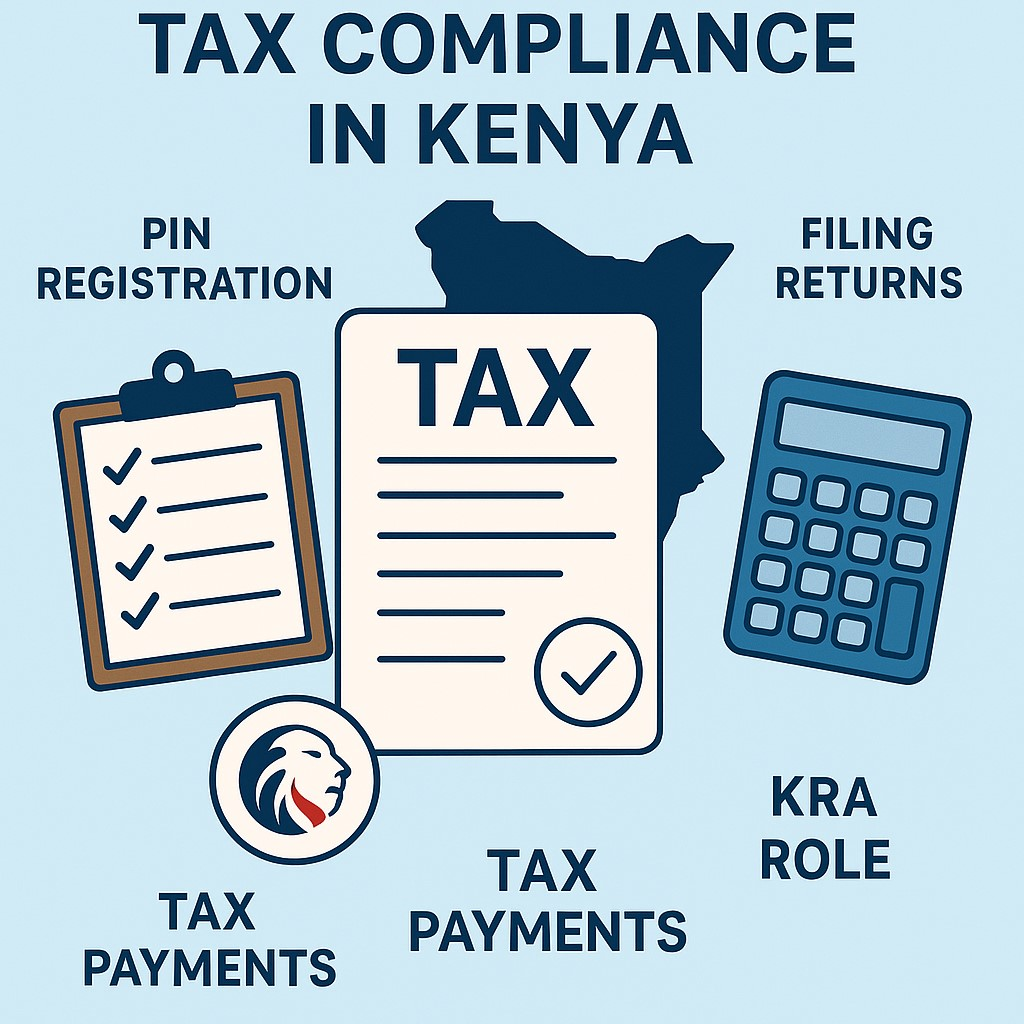
As a Kenyan startup i.e Host Kenya and Marsha Creatives understanding withholding tax in Kenya is essential for staying compliant with the Kenya Revenue Authority (KRA) and ensuring your business operates smoothly. Here’s a quick recap of what we’ve covered:
- What is Withholding Tax in Kenya?
- Withholding tax is deducted at the source before payments are made to employees, contractors, or vendors. It’s a mechanism used by KRA to collect taxes efficiently, and it applies to various types of payments such as salaries, professional fees, and rent.
- How Withholding Tax Works
- The payer (your business) is responsible for withholding the tax and remitting it to KRA. Payments subject to withholding tax include salaries, rent, professional fees, interest, and dividends.
- Rates vary depending on the payment type and whether the recipient is a resident or non-resident.
- Compliance and Filing
- Filing your withholding tax returns on time through the KRA iTax portal is crucial to avoid penalties. Payment must be made by the 20th of the following month, and failure to comply can result in fines and interest charges.
- Challenges Startups Face
- Understanding the complexities of tax rates, managing cash flow, and staying compliant with iTax filings can be difficult for many startups. Using accounting software and working with a tax professional can help streamline the process.
- Best Practices for Managing Withholding Tax
- Keep accurate records, use technology to automate tax filings, work with a tax advisor, and plan ahead to ensure your business stays compliant and minimizes the impact of withholding tax on cash flow.
Final Thoughts on Withholding Tax in Kenya for Startups
Managing withholding tax in Kenya is not only a legal requirement but also a smart business practice. By staying on top of your tax obligations, understanding the rates, and leveraging tools like iTax, you can ensure that your business remains in good standing with the KRA.
Additionally, the tax system is designed to support the government’s efforts in maintaining fair tax collection, and it benefits businesses by making the process more streamlined.
Practical Next Steps for Kenyan Startups
- Review Your Current Contracts: Ensure that you are including appropriate withholding tax clauses in all agreements with contractors, employees, and vendors.
- Consult with a Tax Expert: If you’re unsure about your withholding tax obligations or need help navigating the iTax platform, consider working with a tax professional to ensure compliance.
- Stay Up to Date: Keep track of any changes to withholding tax rates and filing deadlines through KRA updates or tax advisory services.
Finally, being proactive and planning ahead for withholding tax ensures you’re not only legally compliant but also better prepared for growth and expansion in the future.
Resources and References
- Kenya Revenue Authority (KRA): Official Website for all official tax guidelines, including withholding tax.
- iTax Portal: iTax Login for filing returns and remitting taxes.
- Tax Advisory Services: Consider working with professionals who can assist you in tax planning and compliance.
- Taxation Act of Kenya: Refer to the Income Tax Act for more details on withholding tax rules and rates.
By understanding and managing withholding tax in Kenya effectively, startups can avoid unnecessary tax pitfalls and build a strong foundation for financial growth. Proper tax compliance not only keeps you legally secure but also contributes to a positive business reputation in the eyes of your contractors, employees, and the government.
Feel free to refer to this guide whenever you need clarity on your withholding tax obligations, and remember to consult with tax professionals when in doubt. Your business’s compliance today will pave the way for a smoother and more successful future.