

Why Understanding Web Hosting in Kenya is Crucial for Your Online Success
Establishing a robust online presence is no longer a luxury—it’s a necessity for any business aiming to compete in the modern Kenyan marketplace. At the foundation of every successful website is its web hosting. Think of web hosting as the digital land your business occupies on the internet; just like a physical storefront, its location, security, and infrastructure directly impact your customer’s experience and, ultimately, your bottom line.

For businesses operating in Kenya, the choice of a hosting provider carries unique considerations. It goes beyond simple disk space and bandwidth; it involves factors like local server proximity, the convenience of local payment methods like M-Pesa, and culturally aware, rapid customer support. Choosing the right web hosting in Kenya ensures your website is fast, secure, and always accessible to your local target audience, giving you a competitive edge.
This comprehensive guide will break down the essential aspects of web hosting, compare top local providers, and offer an in-depth analysis of the key features you must look for to power your business’s digital growth.
Web Hosting Types: Shared vs. VPS vs. Dedicated
The three main types of web hosting differ primarily in the amount of server resources allocated, control given to the user, and cost.
| Feature | Shared Hosting 🤝 | VPS Hosting 🏠 | Dedicated Hosting 🏰 |
| Concept | Multiple websites share one physical server and all its resources. | A physical server is partitioned into several private, virtual servers, each with guaranteed resources. | The entire physical server is rented exclusively by one user. |
| Ideal User | Small blogs, personal sites, low-traffic startups, first-time website owners. | Growing businesses, e-commerce sites, high-traffic dynamic websites, developers. | Large enterprises, sites with massive traffic, high-security applications, resource-intensive web applications. |
| Resources | Shared and unguaranteed; performance can suffer if a “neighbor” site gets a traffic spike (the “bad neighbor effect”). | Dedicated allocation of CPU, RAM, and Storage; performance is consistent. | All server resources are exclusively yours for maximum performance. |
| Cost | Lowest ($), very affordable. | Mid-range ($$), a good balance between cost and performance. | Highest ($$$), significant investment. |
| Control | Very limited; server is fully managed by the host. No root access. | Full control (root access) over your virtual environment for custom configurations. | Full control (root access) over the entire physical server and operating system. |
| Technical Skill | None required; the host handles all maintenance. | Moderate to High, as you are responsible for OS updates, security, and maintenance (unless you choose Managed VPS). | High, requires expert system administration knowledge. |
| Scalability | Limited; must upgrade to a higher shared plan or move to VPS. | Highly scalable; resources (RAM, CPU) can often be increased quickly and virtually. | Less flexible; requires physically adding components or migrating to a new server. |
Advantages of Local Web Hosting in Kenya 🇰🇪
For businesses targeting an audience primarily within Kenya, choosing a host with local data centers offers significant benefit Like Host Kenya and Marsha Creatives

1. Superior Speed and Performance (Lower Latency)
- Reduced Latency: Hosting your website on a server physically located in Kenya dramatically reduces the distance data has to travel to reach your local customers. This results in faster loading times and a better user experience.
- Improved SEO: Page speed is a critical factor for Google’s search rankings. A faster site, aided by lower latency, contributes to better Search Engine Optimization (SEO) for a Kenyan audience.
2. Enhanced Data Sovereignty and Compliance
- Legal Compliance: Storing data within the country’s borders can help businesses comply with local data protection and privacy laws, which is crucial for handling sensitive customer data.
3. Better Local Support and Payment Options
- Localized Support: You often benefit from 24/7 technical support in the local time zone (EAT), which is essential for prompt issue resolution. Support staff are also more familiar with local network infrastructure and issues.
- Kenyan Payment Gateways: Local providers are more likely to support Kenyan-specific payment methods like M-Pesa and local bank transfers, making payment and billing easier.
4. Reliability and Uptime
- Reduced External Dependence: Local hosting can sometimes offer increased reliability and protection from international outages or connectivity issues that might affect global data centers. They are directly connected to the local internet exchange point (like KIXP).
The Kenyan Small Business Website: A Comprehensive Guide 🇰🇪
A professional website is a vital asset for any small or medium-sized enterprise (SME) in Kenya, offering credibility, a 24/7 sales channel, and a platform to showcase products and services to a wider audience. The choice of how to build this presence typically comes down to using a do-it-yourself (DIY) website builder, a versatile content management system like WordPress, or opting for custom development.
1. Top Benefits of a Website for Kenyan SMEs
Having a well-designed website provides significant advantages in the Kenyan market:
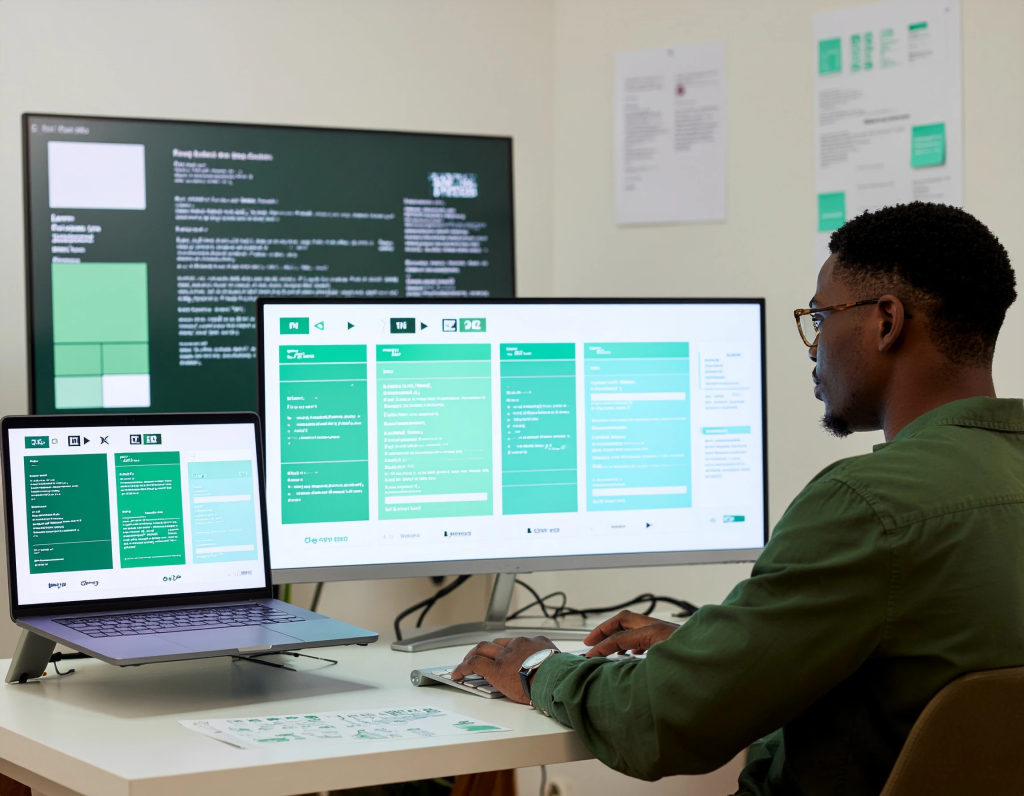
- Increased Credibility & Professionalism: A website acts as a digital storefront, lending legitimacy and building trust with potential clients who often check online for a business’s background, contact details, and portfolio.
- 24/7 Availability: Unlike a physical shop, a website is always open, allowing customers to browse products, get information, or make inquiries outside of regular business hours.
- Wider Market Reach: It allows a business to reach customers far beyond its immediate geographic location in Nairobi, Mombasa, or other towns, tapping into the national and even international market.
- Cost-Effective Marketing: A website, especially when optimized for Search Engine Optimization (SEO), is a more affordable and efficient long-term marketing tool than traditional advertising.
- Showcasing & Portfolio: It’s the best place to clearly display your full range of products, services, price lists, and past work (portfolio or testimonials).
- Data Collection & Customer Service: Features like contact forms, chat support, and analytics help you gather customer leads and understand their needs better, improving service delivery.
2. Platform Comparison: DIY vs. CMS vs. Custom Development
The best choice of platform depends heavily on your budget, technical skill, and long-term business goals.
| Feature | DIY Website Builders (e.g., Wix, Squarespace) | Self-Hosted CMS (e.g., WordPress.org) | Custom Development |
| Best For | Absolute beginners, very simple sites, personal portfolios. | SMEs that need flexibility, blogging, and serious SEO/e-commerce. | Businesses with unique, complex feature requirements or high-level scalability needs. |
| Ease of Use | Very High (Drag-and-drop, no coding). | Moderate to High (Steeper initial learning curve, but excellent page builders exist). | Low (Requires professional developers). |
| Initial Cost | Low. Free plans available, paid plans start affordable (approx. KES 1,500 – 5,000/month). | Low to Moderate. Software is free, but you pay for hosting, domain, and potentially premium themes/plugins. | High. Significant upfront cost for design and coding. |
| Customization & Flexibility | Limited. Restricted to the platform’s templates and apps. Difficult to move the site later. | Extremely High. Endless themes and over 59,000 plugins allow for almost any feature. | Unlimited. Built exactly to your specifications. |
| Scalability | Limited. Can become restrictive as the business grows. | High. Can handle everything from a small blog to a large e-commerce store. | Highest. Built to handle specific, high-traffic, or complex demands. |
| Local Integration | Basic support; custom coding often limited. | Excellent via dedicated plugins for M-Pesa or local e-commerce extensions. | Perfect; local payment gateways and specific logistics are coded in. |
3. Cost Breakdown for a Website in Kenya (2024 Estimates)
The cost is comprised of initial setup costs and recurring annual/monthly costs, highly dependent on the complexity. Costs are given in Kenyan Shillings (KES).
A. Core Annual/Monthly Costs (Applies to all options)
| Item | Cost Range (KES) | Notes |
| Domain Name | KES 1,000 – 3,000 (per year) | Varies by extension (.co.ke is cheaper than .com). |
| Web Hosting | KES 3,000 – 15,000 (per year) | Shared hosting is affordable for SMEs. Higher traffic or complex sites need faster VPS/Cloud hosting. |
| Builder Subscription | KES 18,000 – 60,000 (per year) | This replaces hosting for platforms like Wix/Squarespace (paid plans). |
B. Initial Design and Development Costs
| Website Type/Method | Cost Range (KES) | Details |
| Basic DIY | KES 0 – 5,000 (Upfront) | Using a free builder plan (with ads) or paying for the first month of a premium builder. |
| Basic Professional Site | KES 20,000 – 50,000 | A simple 3-5 page business website built by a freelancer/agency using a platform like WordPress. |
| Standard Business Site | KES 50,000 – 150,000 | A professional, 10-20 page website with a blog, forms, and custom design elements. |
| E-commerce Store | KES 100,000 – 500,000+ | Requires product listings, inventory, local payment gateway integration (M-Pesa, card), and shipping calculators. |
C. Ongoing Maintenance Costs (Highly Recommended)
| Item | Cost Range (KES) | Notes |
| Maintenance & Security | KES 10,000 – 30,000 (per year) | For updates, backups, security checks, and minor bug fixes (essential for WordPress). |
| SEO & Marketing | KES 10,000 – 50,000+ (per month) | Highly variable, depends on the scope of digital marketing and content creation. |
For most Kenyan SMEs, a professional WordPress site offers the best balance of cost, flexibility, and scalability, with total initial setup costs often falling between KES 30,000 and KES 100,000, plus annual recurring costs for domain and hosting.
Building a High-Converting Website for a Kenyan Small Business
A high-converting website for a small business (SME) in Kenya must be mobile-first, localized for trust and payment, and driven by clear calls-to-action (CTAs). It is a sales tool, not just a digital brochure

Here are the key features and considerations, broken down into essential sections:
1. User Experience & Design (Mobile-First Imperative) 📱
Given that over 85% of Kenyan internet users access the web via mobile, a Mobile-First Design approach is non-negotiable for success.
- Speed is Critical: The site must load fast (ideally under 3 seconds). Users in Kenya often use slower mobile data connections, and slow sites lead to high bounce rates. Optimizing images and using lightweight code is essential.
- Mobile Responsiveness: The design must adapt seamlessly to all phone and tablet screen sizes, focusing on a single-column layout, large click-targets (thumb-friendly), and minimal scrolling to access key information.
- Clarity Over Creativity: Visitors should understand what the business offers and what action to take within the first 5 seconds of landing. Use a powerful, benefit-driven Headline and a clear Value Proposition above the fold.
- Intuitive Navigation: Simplify menus for mobile. Essential links like ‘Services,’ ‘Pricing,’ ‘About,’ and ‘Contact/WhatsApp’ must be easily accessible, often in a clear hamburger menu.
2. Trust, Localization, and Conversion 🇰🇪
To convert visitors into customers, the website must immediately establish trust and cater to local realities.
- Localized Social Proof: Trust is currency. Include:
- Testimonials with real names, roles, and Kenyan locations (e.g., “Wanjiru M., Director — Westlands, Nairobi”).
- Client Logos (even a small number).
- Embedded Google Reviews or screenshots.
- “As Seen On/Featured In” badges from local media (if applicable).
- Clear Calls-to-Action (CTAs): Tell the user exactly what to do next. CTAs should be highly visible, action-oriented, and repeated throughout the page.
- Kenyan-context CTAs: “Request a Quote on WhatsApp,” “Book a Consultation (Today),” “Start Your Project (Mpesa Accepted).”
- M-Pesa Integration: For any business selling goods or services online (e-commerce), M-Pesa integration is mandatory. M-Pesa is the primary mobile money payment method, and integrating it via a Paybill or Till Number (especially with an STK Push prompt) is vital for convenience, security, and reducing cart abandonment.
- WhatsApp Integration: A persistent, easily accessible WhatsApp button is a must-have for instant customer service and inquiries, as it is a dominant business communication tool in Kenya.
3. Essential Pages and Content
Every small business website needs a core set of pages to inform, convince, and convert.
| Page | Purpose & Key Content |
| Homepage | The hook. Clear Value Proposition, most compelling CTA, and a snapshot of top services/products and social proof. |
| Services/Products | The details. Clear explanation of what is offered, benefits, and pricing (or link to a pricing page). Use high-quality, non-stock visuals. |
| About Us | The story. Humanize the brand. Share the company’s story, mission, team photos, and what makes the business reliable and different in the Kenyan market. |
| Contact | The connection. Clear phone number (clickable), physical address (if applicable), embedded map, contact form, and WhatsApp link. |
| Pricing/Packages | The offer. Transparent and easy-to-compare pricing options. Avoid hiding costs. |
| Blog / Resources | The authority. High-quality, SEO-optimized content to answer common customer questions and establish thought leadership. |
4. Technical and Legal Foundation
These elements ensure the site is found, secure, and compliant.
- Search Engine Optimization (SEO): The site structure, content, and code must be optimized for search engines (Google’s mobile-first indexing). This involves:
- Using relevant local keywords (e.g., “web design in Nairobi,” “plumbers near me“).
- Optimizing titles, meta descriptions, and image alt text.
- Ensuring a strong site structure with internal links.
- Security: An SSL Certificate (HTTPS) is required to encrypt data and build customer trust.
- Legal Pages: Essential for credibility and compliance with Kenya’s Data Protection Act (2019). Include a clear Privacy Policy and Terms & Conditions (especially for e-commerce).
- Analytics: Integration with tools like Google Analytics 4 (GA4) is necessary to track user behavior, measure conversion rates, and make data-driven improvements.
Top Digital Marketing Strategies for Kenyan SMEs in 2024
Small and Medium Enterprises (SMEs) in Kenya thrive on building local trust and maximizing reach with cost-effective methods. The most effective strategies blend global digital best practices with local Kenyan digital behavior.

1. Local Search Engine Optimization (SEO) & Google Business Profile 🗺️
Being visible when a local customer searches is non-negotiable.
- Google Business Profile (GBP) is Key: Claim, verify, and fully optimize your GBP listing (formerly Google My Business). Include accurate business hours, location (especially for foot traffic), photos, and a clear description with local keywords (e.g., “Best café in Westlands,” “Hardware store Kisii”).
- Encourage Reviews: Actively ask satisfied customers for five-star reviews on your GBP. Local social proof builds immense trust.
- Localized Content: Use relevant local keywords in your website content and blog posts. For example, a travel agency shouldn’t just target “Kenya Safari” but “Affordable Family Safari Packages from Nairobi.”
2. Strategic Social Media Marketing (SMM) & Content
Don’t be everywhere; be where your audience is and create content that resonates with the Kenyan context.
| Platform | Best For | Strategy Notes |
| Facebook & Instagram | Broad audience reach, visual products (fashion, food), building community, and running targeted ads. | Use high-quality visuals. Run Facebook Ads with specific geo-targeting (e.g., targeting residents of a specific estate or mall area in Nairobi). Leverage Stories and Reels for high engagement. |
| WhatsApp Business | Direct customer service, quick sales, personal engagement, and trust-building. | See dedicated section below. This is an essential platform in Kenya. |
| TikTok | Reaching younger audiences (Gen Z) and building brand awareness through creative, short-form video. | Focus on local trends, humor, and user-generated content (UGC). It’s perfect for viral marketing on a small budget. |
| B2B services (consulting, accounting, IT), professional networking, and building industry authority. | Share insights, company updates, and educational articles. |
- Authentic Content: Share customer success stories and testimonials. Infuse your marketing with local culture and, where appropriate, local language to build a deeper connection.
3. Harnessing the Power of WhatsApp Business
WhatsApp is a core communication and commerce channel in Kenya, providing a personal and immediate touchpoint.
- WhatsApp Business App: Use the free app to set up a professional profile, create a product catalog (a mini-storefront), and set automated messages (e.g., a welcome message or an ‘away’ message).
- Direct-to-WhatsApp Ads: Run paid ads (via Facebook/Instagram) that direct interested users to a chat on WhatsApp instead of a website landing page. This dramatically lowers the friction for inquiries and sales, as most Kenyans prefer to chat.
- Broadcast Lists: Use this feature to send non-spammy, personalized updates to segments of your audience, like new stock alerts or exclusive promos. Always ensure customers have opted in to receive messages.
- WhatsApp Status: Treat your Status like Instagram or Facebook Stories. Use it to share behind-the-scenes content, quick polls, or limited-time flash sales.
Paid Advertising: Google Ads vs. Facebook/Meta Ads
For quick visibility and sales, paid advertising is highly effective. The best choice depends entirely on your business goal and where the customer is in their buying journey.
| Feature | Google Ads (Search Network) | Facebook/Meta Ads (Facebook/Instagram) |
| User Intent | High Intent: Users are actively searching for a specific product or solution (e.g., “car rental Nairobi,” “emergency plumber”). | Low Intent/Discovery: Users are passively scrolling and are interrupted by your ad. You create demand. |
| Best For | Capturing existing, immediate demand; Services with immediate needs; businesses with a high-intent keyword list. | Building brand awareness; highly visual products (fashion, food); targeting niche lifestyles/interests; retargeting past website visitors. |
| Targeting | Primarily by Keywords and geographic location. | Extremely detailed targeting by Demographics, Interests, Behaviors, and Lookalike Audiences. |
| Cost | Generally higher Cost-Per-Click (CPC) because of the high buying intent, but often a higher conversion rate for immediate sales. | Generally lower CPC, allowing for greater reach for a given budget, but may require more touchpoints to convert. |
Verdict for Kenyan SMEs:
- Service-based businesses (e.g., mechanics, real estate, professional services) should prioritize Google Ads to capture high-intent searches.
- Visual, e-commerce, or lifestyle businesses (e.g., clothing, restaurants, health products) should prioritize Facebook/Meta Ads for brand building and audience discovery.
- Ideally, use both: Use Google Ads for high-intent conversion and Facebook/Meta Ads for brand awareness and retargeting people who visited your site from Google.
Digital Marketing Trends for Kenyan Small and Medium Enterprises (SMEs) in 2025
The digital marketing landscape for Kenyan Small and Medium Enterprises (SMEs) in 2025 is being shaped by three dominant, interconnected trends: the widespread adoption of Artificial Intelligence (AI), the dominance of short-form video content, and the accelerating growth of social commerce.
1. Artificial Intelligence (AI) Adoption 🤖
AI is moving from a buzzword to a fundamental tool for Kenyan SMEs, helping to level the playing field by providing cost-effective, time-saving, and highly personalized marketing capabilities.

- Content Generation and Curation: Tools like ChatGPT and Jasper AI are being used to rapidly generate high-quality marketing copy, blog posts, social media captions, and product descriptions, streamlining content workflows for small teams.
- Hyper-Personalization: AI-powered analytics allow businesses to analyze customer behavior to deliver highly relevant content, personalized email campaigns, and dynamic product recommendations, enhancing the customer experience on platforms like Jumia Kenya and individual e-commerce sites.
- Customer Engagement Automation: The use of AI-powered chatbots (often integrated with popular messaging apps like WhatsApp and Facebook Messenger) is increasing to handle real-time customer queries, provide instant support, and automate lead qualification, significantly improving customer service efficiency.
- Ad Optimization: AI-driven platforms are helping SMEs optimize paid ad campaigns (Google Ads, social media ads) by identifying the most effective targeting, bid strategies, and creatives to maximize Return on Investment (ROI) with limited budgets.
2. Dominance of Short-Form Video Content 🎬
Short-form video, primarily on platforms like TikTok, Instagram Reels, and YouTube Shorts, is the most powerful format for engaging the mobile-first Kenyan consumer.
- High Engagement and Virality: Due to its quick, engaging, and easily digestible nature, short-form video achieves higher engagement rates and is more likely to go viral than static content, making it an ideal tool for rapid brand awareness.
- Relatable Storytelling: SMEs are leveraging the format for authentic brand storytelling, product demonstrations, customer testimonials, and behind-the-scenes content that builds trust and connection with the audience.
- Ease of Creation: The in-app editing tools on platforms like TikTok and Instagram make video production accessible and low-cost, enabling even the smallest businesses to create professional-looking content without expensive equipment.
- Conversion Driver: Short videos are highly effective in driving conversions, with many marketers reporting that concise videos under 60 seconds generate higher conversion rates by getting straight to the point and creating a sense of urgency for promotions.
3. Accelerated Growth of Social Commerce 🛍️
Social commerce—the direct buying and selling of products within social media platforms—is booming in Kenya by meeting consumers where they already spend their time and addressing local challenges.
- Seamless Path to Purchase: Platforms like Facebook Shops, Instagram Shopping, and WhatsApp Business eliminate friction by allowing consumers to discover products, engage with the brand, and complete a purchase without leaving the social app.
- Building Trust: In a market where consumer trust in traditional e-commerce can be low, social commerce thrives on social proof (reviews, likes, and comments) and the personal connection created by transacting with a familiar, visible entity (the social seller or local brand).
- M-Pesa Integration: The success of social commerce is intrinsically linked to Kenya’s mobile-first payment culture. Integrating mobile-friendly payment solutions like M-Pesa directly into the social selling process is crucial for conversion.
- Live Shopping and Influencer Marketing: Live selling events and collaborations with micro and nano influencers are key strategies. These smaller, more authentic influencers have highly engaged niche audiences, making their product recommendations more credible and effective for driving targeted sales within the social platform.
Digital Transformation Challenges for Kenyan SMEs
Kenyan Small and Medium Enterprises (SMEs) face a distinct set of hurdles when adopting key digital tools and strategies like Artificial Intelligence (AI), social commerce, and short-form video marketing. These challenges often stem from a combination of financial constraints, a lack of specialized skills, and unique local market complexities. 🇰🇪
1. Artificial Intelligence (AI) Adoption
The push for AI adoption is met with significant obstacles that prevent many Kenyan SMEs from effectively leveraging its potential.
- High Costs and Limited Finances: The initial implementation costs for sophisticated AI systems, including software licenses and custom development, are often prohibitive for budget-constrained SMEs.
- Data and Local Context Issues: AI systems are only as good as the data they’re trained on. Many SMEs lack the necessary volume of clean, quality, and locally relevant data. Generic international AI tools may fail to account for unique Kenyan market nuances like matatu traffic routes, local languages (e.g., Swahili, vernaculars), cultural holidays, and infrastructure challenges (e.g., during rainy seasons).
- Skill Gaps and Cultural Resistance: There is a critical shortage of local talent skilled in developing, integrating, and managing AI systems. Furthermore, internal cultural resistance to change and fear of job displacement among employees can lead to poor adoption and underutilization of new tools.
- Lack of Strategic Planning: Many SMEs implement AI without first clearly identifying a specific business problem (e.g., “I need to reduce customer response time”) or defining measurable Key Performance Indicators (KPIs), leading to wasted resources.
2. Social Commerce Logistics
While social commerce (selling directly via platforms like WhatsApp, TikTok, and Instagram) is a booming sector, the last-mile logistics in Kenya present a major challenge.

- Inadequate Infrastructure and Delivery Delays: Diverse geography, poor road conditions, and often unclear or unstandardized physical addresses make efficient and timely delivery complex. This often leads to frustrating delivery delays and high cart abandonment rates.
- Customer Trust and Payment Systems: Many Kenyan consumers still prefer to transact in cash, making Cash-on-Delivery (COD) a vital component. Managing COD logistics, especially reconciliation and security for social sellers, adds a layer of operational complexity not present in purely digital transactions.
- Fragmentation: Social commerce operates outside the unified system of traditional e-commerce. This fragmentation makes it difficult for small sellers to achieve shipment visibility and coordinate effectively between the multiple stakeholders involved (seller, customer, and local courier/delivery agent).
- High Last-Mile Costs: The challenges of navigating the local transport network often result in higher last-mile logistics costs, which small businesses must absorb or pass on to consumers.
3. Short-Form Video Marketing Costs
Short-form video platforms (like TikTok, Instagram Reels, and YouTube Shorts) are powerful for engagement, but they involve distinct cost challenges for SMEs.
- Production Costs (Internal vs. External):
- In-house: While free to post, creating high-quality, consistent, and engaging content requires an internal time investment for script writing, shooting, and editing. This diverts an owner’s or employee’s time from core business operations.
- Outsourced: Hiring a digital marketing agency or professional freelancer to produce video content or manage campaigns can be expensive. Content creation (including video) can range from KES 1,000 to over KES 50,000 per piece, depending on complexity.
- Advertising Spend: Beyond organic content, running paid ads on these platforms requires a dedicated budget. For example, managed TikTok advertising packages offered by agencies can start from around KES 90,000 for a basic package, which is a steep entry point for many micro and small enterprises.
- Consistency and Trend Expertise: To maintain visibility on these fast-paced platforms, SMEs need to publish content consistently and keep up with ever-changing local and global trends. The investment in monitoring, strategy development, and a continuous content calendar represents an ongoing expense that can quickly strain a limited budget.
4. Data Privacy and Ethical Marketing
Compliance with data regulations and maintaining ethical marketing standards present legal and reputational risks for Kenyan SMEs.
- Compliance with the Data Protection Act (DPA): Many SMEs have limited awareness or resources to fully comply with Kenya’s DPA (2019). Common pitfalls include:
- Informal Data Collection: Collecting customer data (e.g., through WhatsApp, handwritten notes) without proper consent or security.
- Lack of Internal Policies: Failure to establish simple data protection guidelines or to train employees on secure data handling.
- Misconception of Exemption: The mistaken belief that the DPA only applies to large corporations, not small businesses.
- Reputational and Financial Risk: Non-compliance can lead to significant regulatory fines (up to KES 3 million or 1% of annual turnover, whichever is higher) and, more damagingly, a loss of consumer trust following a data breach. For an SME, recovering from this reputational damage is particularly difficult.
- Ethical Marketing Concerns: As SMEs use digital channels, they must be vigilant against engaging in practices such as misleading advertising, algorithmic bias in targeting, or the unverified sharing of customer information, which can erode trust and lead to public backlash.
Challenges and Gaps in Kenya’s SME Digitalization Efforts
While Kenya has established strong policy frameworks like the Digital Economy Blueprint, several significant challenges hinder the full and equitable digitalization of its Small and Medium Enterprises (SMEs):

1. The Digital Divide and Access Gaps
- Rural-Urban Disparity: Despite extensive fiber backbone networks, last-mile connectivity and affordability remain a challenge, especially in rural areas. Many SMEs outside major cities face poor internet quality or high data costs.
- Device and Infrastructure Costs: The initial capital outlay for digital equipment (computers, point-of-sale systems) and reliable power supply is often prohibitive for micro and small enterprises.
2. Affordability and Complexity of Digital Tools
- High Cost of Customized Solutions: While basic AI tools (like chatbots) are becoming accessible, the specialized software needed for complex tasks like inventory management, advanced analytics, or sector-specific automation remains too expensive for the average SME.
- Lack of Localization: Many global digital and AI platforms are not fully adapted to the Kenyan market, often lacking support for local languages (like Swahili) or integration with common local business practices and payment systems (like M-Pesa).
- Skills Mismatch: Training programs often focus on basic digital literacy (e.g., the Ajira Digital Program’s core mission), but there is a significant gap in advanced, job-specific digital skills (e.g., cybersecurity, cloud architecture, advanced data analysis) necessary for scaling and integrating AI technologies effectively.
3. Regulatory and Data Governance Hurdles
- Compliance Burden: Although the tiered registration fee for the Data Protection Act (DPA) is meant to accommodate SMEs, compliance remains complex. Small businesses often lack the in-house expertise to conduct necessary audits, develop policies, or appoint a Data Protection Officer, forcing reliance on expensive private consultants.
- Data Sharing and Ecosystem Barriers: While the government aims to encourage data sharing for value creation (as mentioned in the Digital Transformation Center initiative), SMEs often face issues accessing clean, high-quality, and standardized local data sets needed to train and deploy effective AI models tailored to the Kenyan consumer or market.
4. Limited Access to Finance
- Lack of Digital-Specific Financing: Access to credit to purchase digital tools, integrate cloud services, or invest in cybersecurity measures is scarce. Traditional lenders are often hesitant to finance intangible digital transformation assets, and there is a lack of specialized venture capital or angel investors focused on early-stage SME digital adoption.
These challenges highlight that simply creating policies is not enough; the next phase requires targeted interventions to close the access, skills, and finance gaps for micro and small businesses.
Recommended Strategies to Accelerate SME Digital Adoption
To effectively address the gaps in skills, access, and finance, a multi-pronged approach involving government, private sector, and academia is required:
1. Close the Digital Skills Gap with Targeted Programs
- Modular, Job-Specific Training: Move beyond basic digital literacy to offer targeted, short-term courses for SME owners and employees in high-demand areas. This should include Data Privacy Compliance for the DPA, AI Tool Integration (e.g., using AI for basic bookkeeping, marketing content generation), and Cybersecurity Best Practices.
- “Digital Sherpa” Mentor Programs: Establish a national volunteer or subsidized mentorship network (potentially housed within the Digital Innovation Hubs) where tech professionals offer hands-on, one-on-one assistance to SMEs to choose and implement their first digital tool or to comply with regulations.
2. Improve Affordability and Access to Technology
- SME Digital Vouchers/Subsidies: The government could introduce a voucher system to subsidize the cost of three key areas for micro and small businesses:
- High-speed internet installation.
- Basic accounting/inventory software subscriptions.
- Tiered cloud storage services.
- Public-Private Partnerships for Localized AI: Incentivize local software developers and tech hubs to create and commercialize affordable, Swahili-enabled, and M-Pesa-integrated AI tools for specific sectors, such as agriculture or retail. This would ensure the technology is both relevant and accessible.
3. Enhance Regulatory Support and Financial Inclusion
- Simplified DPA Compliance for Micro-Enterprises: The Office of the Data Protection Commissioner (ODPC) should release a highly simplified, checklist-style “DPA Compliance Starter Kit” specifically for micro-enterprises. This would focus on essential steps like lawful consent and secure data storage without the need for extensive, complex policy drafting.
- Innovative Digital Financing Products: Financial institutions, supported by government guarantees or tax breaks, should develop specialized lending products for digital investment, such as:
- Low-interest, unsecured “Digital Equipment Loans.”
- Invoice financing tied to digital platform sales.
- Leveraging the Ajira Digital Program: Expand the mandate of the existing Ajira Digital Centers to also serve as “SME Digital Advice Hubs,” connecting small businesses with freelance digital talent (the youth trained by Ajira) for low-cost project work like building a simple e-commerce website or managing social media.
This approach transforms policy into practical, localized support, effectively moving SMEs from basic digitalization to advanced technology adoption.
Impact and Future Outlook
The combined efforts of the Kenyan government and its partners have yielded noticeable results, positioning Kenya as a regional leader in the digital economy. However, the future requires sustained focus to realize the goal of an inclusive and AI-driven economy.
Current Impact and Achievements
- Growth of the Gig Economy: Programs like the Ajira Digital Program have been instrumental in preparing a large segment of the youth for digital work. This has fueled the growth of Kenya’s gig and freelancing economy, which is a major pillar of the digital business sector.
- Digital Financial Inclusion: Kenya continues to be a global leader in mobile money, primarily through M-Pesa. This robust digital payments infrastructure significantly lowers the barrier for SMEs to participate in e-commerce and digital transactions.
- Policy and Governance Foundations: The creation and operationalization of the Data Protection Act (DPA) and the development of the Kenya National AI Strategy provide crucial frameworks. These policies establish the necessary regulatory certainty to attract foreign investment and encourage responsible innovation by local SMEs.
- Strengthened Ecosystem: Initiatives like the Digital Transformation Center and the planned Digital Innovation Hubs have helped formalize and strengthen the tech ecosystem, offering physical and virtual spaces for SMEs to network, receive mentorship, and access new technologies.
Future Outlook and Key Focus Areas
The success of the national digital agenda hinges on the effective implementation of the next phase of the Kenya National Digital Master Plan (2022-2032), particularly concerning AI and deep tech adoption:
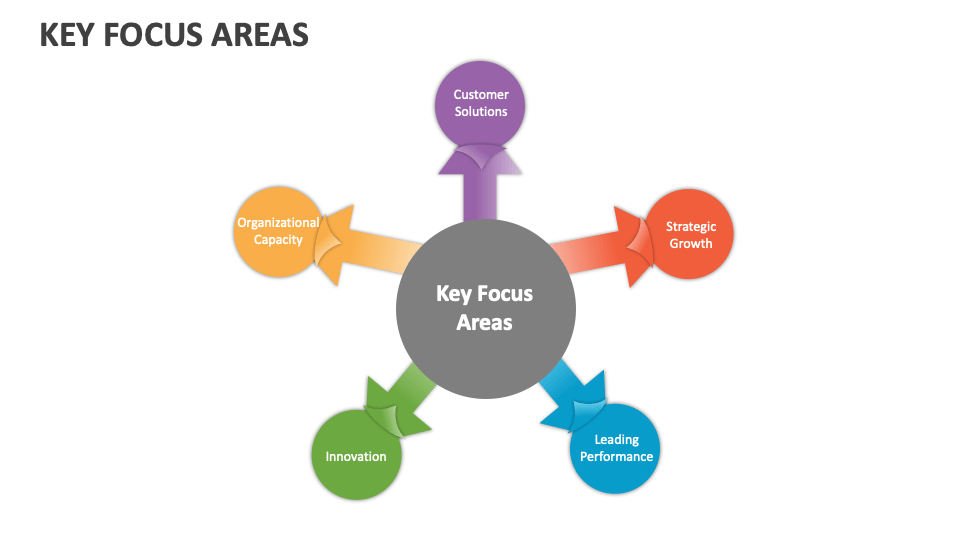
- Scaling AI Adoption for SMEs: The focus will shift from simple digital tools to more complex, efficiency-driving AI and machine learning (ML) applications. The government needs to execute its plan to provide AI resource toolkits and cloud credit access to SMEs to ensure this transition is affordable and practical.
- Deepening Digital Inclusion: Future efforts must explicitly target the current divides. This means prioritizing last-mile fiber connectivity in underserved counties and implementing more aggressive subsidies to ensure women, marginalized groups, and rural SMEs can acquire digital devices and pay for bandwidth.
- Ethical AI and Data Sovereignty: As AI adoption grows, Kenya will need to be vigilant about the ethical use of AI, as outlined in its national strategy. This includes ensuring algorithms do not introduce bias that harms small businesses or consumers and reinforcing the principles of the DPA to build public trust in digital platforms.
- TVET and Workforce Alignment: To address the advanced skills gap, government, through the Ministry of Education and TVET institutions, must quickly integrate the new AI and cloud computing skills identified in the Digital Master Plan into technical training curricula, ensuring the next generation of SME owners and employees can build, not just use, digital technology.
Sustained execution on these fronts is essential for Kenya to cement its status as “Silicon Savannah” and ensure its digital economy is both dynamic and genuinely inclusive.
Conclusion and Call to Action
Kenya is at a critical juncture in its quest to establish an inclusive, digitally-enabled, and AI-driven economy. Strong foundational policies, such as the Digital Economy Blueprint and the Kenya National AI Strategy, have been laid, but their full realization depends on closing critical gaps that disproportionately affect Small and Medium Enterprises (SMEs).
Summary of the Digital Trajectory
The country’s success is currently anchored in digital financial services (M-Pesa) and the growth of the gig economy (Ajira Digital Program). However, the move from basic digital literacy to widespread, productive AI adoption and Data Protection Act (DPA) compliance among SMEs is constrained by three core issues: Affordability, Advanced Skills, and Access to localized, high-quality digital tools.
Call to Action for Key Stakeholders
Accelerating SME digitalization requires a focused commitment from the following key actors:
- Government (Ministry of ICT and ODPC):
- Prioritize Infrastructure: Aggressively fund and expedite last-mile connectivity in rural and underserved areas.
- Simplify Compliance: Issue a Micro-Enterprise DPA Compliance Starter Kit to reduce the regulatory burden on the smallest businesses.
- Incentivize AI Adoption: Actively implement the promise of subsidized AI resource toolkits and cloud credits for SME-focused startups.
- Private Sector (Banks, Telcos, and Tech Hubs):
- Develop Digital-Specific Finance: Create and market low-interest, unsecured loans tailored for digital investments (e.g., software, equipment).
- Localize Technology: Invest in developing affordable, Swahili-enabled, and M-Pesa-integrated AI and software solutions for local business needs.
- Academia and Training Institutions (TVETs and Universities):
- Revamp Curricula: Rapidly integrate practical, short-term courses on Data Privacy Compliance, Cybersecurity, and AI Tool Integration into technical and vocational training.
- Launch “Digital Sherpa” Programs: Formalize mentorship programs that match tech students with SME owners to provide hands-on, subsidized digital adoption support.
By taking these targeted actions, Kenya can ensure that its “Silicon Savannah” vision translates into a truly inclusive digital revolution, allowing its vital SME sector to thrive in the global digital economy.