

I. Introduction:
Blogging has become an essential medium for self-expression, education, business, and even digital entrepreneurship in Kenya. With the increase in internet access and the growing mobile phone penetration, more and more Kenyans are starting blogs to share their experiences, expertise, and knowledge. Whether you’re a student, an entrepreneur, or a digital creator, blogging provides an opportunity to express your thoughts, build a personal brand, and even monetize your content.

However, in the fast-evolving world of digital content creation, having the right tools can make all the difference. This is where blogging tools in Kenya come into play. In this blog post, we’ll explore the essential blogging tools in Kenya that can help Kenyan writers and bloggers create high-quality content, improve their SEO, increase their audience, and ultimately build a successful blog.
A. What is a Blog?
A blog is a personal or professional online platform where individuals, groups, or organizations regularly share content in the form of articles, videos, photos, or podcasts. It serves as an online journal or magazine that is updated with fresh, engaging content to attract and retain a specific audience. Blogs can range from simple personal reflections to complex, professionally curated resources aimed at driving business growth.
In Kenya, blogging has evolved into a powerful tool for both personal and professional development. It allows Kenyans to:
- Share their experiences and stories with the world.
- Establish themselves as thought leaders in various industries.
- Build online communities around shared interests and causes.
B. Why Start a Blog in Kenya?
Starting a blog in Kenya opens up a world of possibilities, both personally and professionally. As more Kenyans get online, blogging provides a platform for individuals to share their voices, connect with like-minded people, and create a profitable online presence. Here are some key reasons why starting a blog in Kenya is a smart choice:
- Digital Self-Employment: Blogging offers an avenue for digital entrepreneurship. Writers can generate income through various monetization methods, including ads, affiliate marketing, and sponsored posts. For many Kenyans, blogging has become a primary source of income.
- Thought Leadership: Blogging allows Kenyan writers to position themselves as experts in their chosen fields. By consistently sharing valuable and insightful content, writers can gain authority and influence in their niches, whether it’s technology, finance, fashion, or lifestyle.
- Community Building: A blog can serve as a hub for building and nurturing a community of followers. By engaging with readers through comments, social media, and newsletters, Kenyan bloggers can create a loyal audience that trusts their content and recommendations.
With the rise of the digital economy in Kenya, blogging tools in Kenya are crucial for maximizing the potential of your blog. But how do you decide which tools to use, and what tools are the most effective?
C. Benefits of Blogging in Kenya
Blogging is not just a way to share personal stories; it can also provide a range of benefits that help Kenyan writers grow their online presence, earn passive income, and enhance their skills.
- Passive Income:
One of the key benefits of blogging is the potential to earn passive income. Through methods like Google AdSense, affiliate marketing, and selling digital products (like eBooks and online courses), bloggers can generate revenue even when they aren’t actively creating content. This makes blogging a sustainable and long-term way to earn money in Kenya. - Personal Branding:
A well-maintained blog helps you establish your personal brand. Whether you’re sharing lifestyle tips, business advice, or educational content, your blog serves as a portfolio that showcases your expertise and personality. Over time, this builds your reputation and makes you a trusted authority in your niche. - Skill Development:
Blogging also offers opportunities for continuous learning. From writing and SEO to social media marketing and web design, bloggers acquire a diverse skill set. This helps them stay ahead of the curve in a competitive online world. By utilizing blogging tools in Kenya, bloggers can streamline their processes and improve the quality of their content.
II. Choosing a Blogging Niche: What Should You Write About?
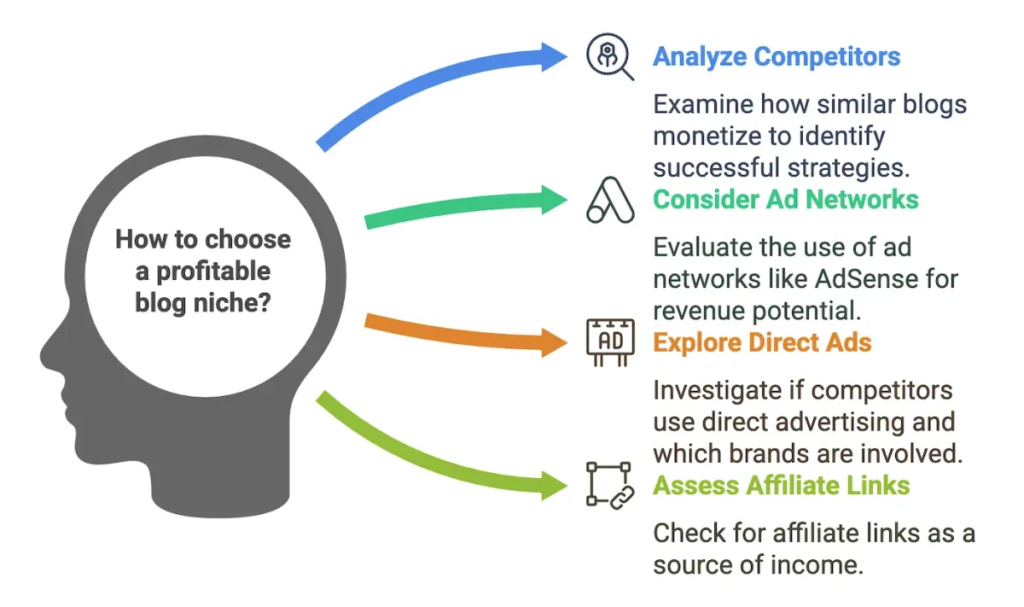
One of the first and most important decisions you’ll make as a blogger is choosing a niche. A niche determines the focus of your blog and helps you connect with a specific audience. In Kenya, where the blogging scene is rapidly growing, choosing the right niche is crucial for standing out and reaching the right readers.
A. What is a Niche and Why Does it Matter?
A niche is essentially the specific subject or area of interest that your blog will focus on. It defines who your audience is and what type of content you will create. When selecting a niche, think about topics you are passionate about, but also consider what your potential readers are interested in.
In Kenya, the demand for niche content is high, as people search for specialized information, advice, and entertainment tailored to their needs. Whether it’s blogging about local food, cultural heritage, or financial tips for Kenyans, having a clear niche helps you:
- Attract the right audience: A well-defined niche attracts readers who are genuinely interested in your content.
- Stand out from the crowd: By focusing on a specific area, you avoid competing with every other blog out there. You can carve out your own space.
- Monetize effectively: When you know your audience, you can better monetize your blog through affiliate marketing, ads, and sponsored content that speaks directly to their needs.
In the world of blogging tools in Kenya, selecting a niche is vital for creating focused, high-quality content and using the right tools to optimize your blog’s success.
B. Popular Blog Niches in Kenya
Kenya’s digital landscape is diverse, and there are a variety of popular niches that Kenyan bloggers are exploring. Here are some of the most in-demand blogging niches in Kenya:
- Travel & Culture (e.g., Explore254):
Kenya is a country rich in culture, heritage, and breathtaking landscapes. Kenyan travel bloggers often explore destinations like Maasai Mara, the Kenyan coast, and Nairobi’s urban life. By sharing travel tips, itineraries, and hidden gems, travel bloggers can inspire local and international readers to visit Kenya. Example: Explore254 is a popular blog that shares Kenyan travel stories and guides, promoting both domestic tourism and Kenya’s unique cultural heritage. - Food & Recipes:
Food blogs in Kenya are gaining traction, especially those that showcase local recipes or explore food from various cultures. From Nyama Choma to Githeri, food bloggers have the opportunity to celebrate Kenyan cuisine and cater to food lovers worldwide. With the rise of social media, food bloggers can share beautiful images, videos, and cooking tutorials to attract a large following. - Personal Finance (e.g., Centonomy):
Personal finance is a growing niche in Kenya, as more individuals seek financial independence, budgeting advice, investment tips, and savings strategies. Personal finance bloggers provide valuable content for Kenyans looking to improve their financial literacy, make informed decisions, and achieve financial freedom. Example: Centonomy is one of Kenya’s top personal finance blogs, offering practical advice on budgeting, investing, and wealth management. - Career & Education:
With many young people entering the workforce or seeking higher education, career and education blogs are crucial for guiding the next generation. Content can include job opportunities, interview tips, scholarship information, study resources, and career growth strategies, specifically targeted to the Kenyan audience. - Tech Reviews:
Technology is a major part of Kenya’s economy, with mobile tech and smartphones at the forefront. Kenyan tech bloggers review gadgets, apps, and innovations, providing insights on how these technologies impact daily life. Bloggers in this niche often attract a highly engaged audience that is eager for the latest tech news and product recommendations. - Fashion & Lifestyle:
Kenyan fashion bloggers have gained significant attention for showcasing local designers, street style, and the fashion industry in Kenya. This niche is perfect for individuals passionate about fashion, beauty, or lifestyle topics, allowing bloggers to work with brands, promote new trends, and share style guides.
C. How to Choose the Right Niche for You
Selecting the right niche for your blog involves balancing personal passion with market demand. Below are some practical steps to help you make this decision:
- Passion vs. Market Demand:
Choose a niche that you are passionate about, as writing about topics you love will keep you motivated and engaged. However, ensure that there is market demand for your niche. You can validate this by conducting keyword research to check the search volume and interest in your topic. - Keyword Research Tools:
Use tools like Google Trends Kenya and Ubersuggest to assess the popularity of your chosen niche. These tools allow you to:- Discover trending topics and identify the most searched terms in Kenya.
- Find out what Kenyan readers are looking for, helping you tailor your content to their needs.
Key Takeaways:
- Niche selection is critical for standing out as a blogger in Kenya. It will define your audience and content strategy.
- Popular niches like Travel & Culture, Personal Finance, Tech Reviews, and Food & Recipes are great places to start.
- Conducting keyword research using tools like Google Trends Kenya and Ubersuggest can help you understand the demand for your chosen niche and ensure you’re creating content that resonates with your audience.
III. Setting Up Your Blog: Step-by-Step Guide
Now that you’ve chosen your niche, it’s time to set up your blog! In this section, we’ll guide you through the process of setting up a blog using essential blogging tools in Kenya. From selecting a platform to installing WordPress, we will cover the steps you need to take to get your blog up and running efficiently.

A. Choosing a Blogging Platform
One of the first decisions to make when setting up a blog is choosing the right platform. A blogging platform is a software that allows you to create, manage, and publish content on your blog. There are several platforms available, but for Kenyan bloggers, the most popular and effective options are WordPress, Blogger, and Wix.
- WordPress.org (self-hosted) vs WordPress.com vs Blogger:
- WordPress.org (self-hosted): This is the most popular blogging platform globally, and it’s highly recommended for serious bloggers. With WordPress.org, you have full control over your site, themes, plugins, and monetization options. However, you will need to purchase hosting and a domain.
- Pros: Full control over design, plugins, SEO, and monetization options.Cons: Requires a hosting provider, technical setup needed.
- Pros: Simple to use, no hosting required.Cons: Limited customization, ads are shown on your blog unless you upgrade.
- Pros: Free and easy to use, integrated with Google tools.Cons: Limited features and customization, not ideal for long-term growth.
- WordPress.org (self-hosted): This is the most popular blogging platform globally, and it’s highly recommended for serious bloggers. With WordPress.org, you have full control over your site, themes, plugins, and monetization options. However, you will need to purchase hosting and a domain.
B. Picking a Domain Name and Hosting Provider
Once you’ve chosen your platform, the next step is picking a domain name (the web address for your blog) and a hosting provider (the service that stores your website files).
- Domain Name:
- Your domain name is your blog’s online identity, so it’s essential to choose one that reflects your niche and is easy to remember.
- Consider using your blog’s name or keywords related to your niche.
- Keep it short, relevant, and memorable (e.g., KenyanFoodies.com for a food blog).
- Hosting Providers in Kenya:
Selecting a reliable hosting provider ensures your website will be accessible to visitors at all times. Here are some local and international hosting providers popular in Kenya:- Local Providers:
- Host Kenya: Affordable hosting with good customer service, tailored to the Kenyan market.
- Local Providers:

- Truehost: Offers great value for money, with several hosting plans and local support.
- HostPinnacle: Provides high-performance hosting and local support, making it suitable for Kenyan bloggers.
- KenyaWebExperts: A local provider known for its reliable services and excellent support.
- Bluehost: Recommended by WordPress, known for reliability and great customer support.
- SiteGround: Fast, secure, and optimized for WordPress blogs. It’s one of the best hosting providers globally.
C. Installing WordPress (or Other Platforms)
After purchasing your domain name and hosting plan, the next step is installing WordPress (or your chosen platform).
- Step-by-Step Installation:
- Using cPanel: Most hosting providers (like Host Kenya and Bluehost) offer a one-click WordPress installation via cPanel. Here’s how to install WordPress:
- Log in to your hosting account.
- Go to cPanel (Control Panel).
- Locate and click on WordPress Installer (usually in the Softaculous Apps Installer section).
- Fill in your website details (site name, admin username, password).
- Click Install.
- Using cPanel: Most hosting providers (like Host Kenya and Bluehost) offer a one-click WordPress installation via cPanel. Here’s how to install WordPress:
- One-Click Install via cPanel: Many local Kenyan hosting providers also offer one-click installs for WordPress, making the process very straightforward. Tip: Once WordPress is installed, you can log into your dashboard at
yourdomain.com/wp-adminto begin customizing your blog.
D. Selecting and Installing a Theme
Themes control the design and layout of your blog, and there are thousands of options available. Choosing a theme that is both functional and visually appealing is essential for making a positive first impression on visitors.
- Free vs Premium Themes:
- Free Themes: WordPress offers a wide variety of free themes. While they can be a good starting point, free themes are often limited in customization options.
- Premium Themes: For more advanced features, you can opt for a premium theme, which typically offers better customization, customer support, and premium features. Some popular premium themes for Kenyan bloggers include Astra, Divi, and GeneratePress.
- Relevance to Niche:
- When selecting a theme, consider your niche. For example, if you’re running a food blog, look for a theme that highlights images and recipes. Astra, for example, is ideal for content-heavy blogs and comes with a variety of customizable options for different niches.
E. Must-Have Plugins for Kenyan Bloggers
Plugins are additional tools or software that extend the functionality of your WordPress blog. With the right plugins, you can improve your blog’s performance, security, and SEO. Here are some must-have plugins for Kenyan bloggers:
- Yoast SEO:
- SEO is crucial for driving traffic to your blog. Yoast SEO is one of the best plugins for optimizing your blog posts for search engines. It provides an easy-to-follow guide for adding meta descriptions, keywords, and other SEO elements.
- WP Super Cache:
- This plugin helps to improve your website’s loading speed by caching your blog posts. Faster websites lead to better user experience and higher SEO rankings.
- Akismet:
- Akismet protects your blog from spam comments and malicious content. This plugin ensures that your blog remains clean and free from unnecessary clutter.
- Jetpack:
- Jetpack is an all-in-one plugin that offers features like website analytics, security protection, and social sharing tools. It’s ideal for Kenyan bloggers who want to streamline their blog management.
Key Takeaways:
- Choosing the right platform (WordPress.org) and domain name is crucial for your blog’s long-term success.
- Reliable hosting providers in Kenya, such as Host Kenya and Truehost, are affordable options.
- Installing WordPress using one-click installation simplifies the setup process.
- Selecting a theme that matches your niche ensures your blog looks professional and appealing to your audience.
- Plugins like Yoast SEO, WP Super Cache, and Akismet help enhance your blog’s performance, SEO, and security.
IV. Creating Content: What to Write and How to Write It
Creating content is the heart of blogging. After setting up your blog, the next crucial step is to start writing posts that resonate with your audience, establish your authority, and rank well on search engines. In this section, we’ll walk you through the best practices for planning and writing effective blog content, optimizing your posts for SEO, and making sure your content engages and adds value to your Kenyan audience.
A. How to Plan Your Blog Content
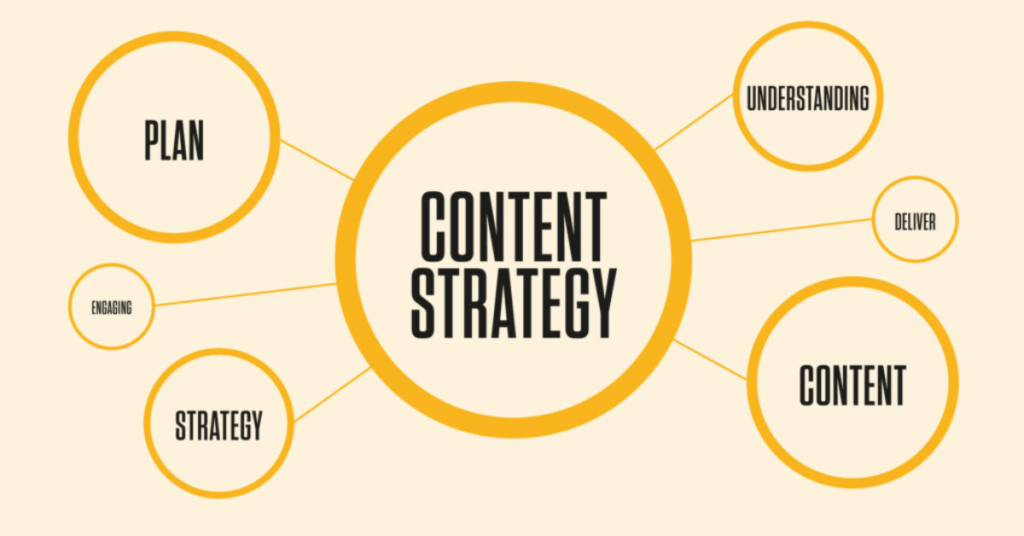
Planning your content is essential for staying organized and ensuring that your posts are timely, relevant, and engaging. A well-planned content strategy will help you maintain consistency, attract more readers, and improve your blog’s performance over time.
- Content Calendar:
A content calendar helps you schedule blog posts, plan topics in advance, and stay on track with your publishing goals. By having a calendar, you can ensure that your blog is regularly updated with fresh content that aligns with your niche and audience interests. Tips for Creating a Content Calendar:- Post Frequency: Decide how often you will publish new content (e.g., once a week, twice a month).
- Topic Categories: Break your content into broad categories based on your niche (e.g., for a Kenyan travel blog, categories might include “Local Destinations,” “Cultural Experiences,” and “Travel Tips”).
- Holidays & Events: Plan posts around important events and holidays in Kenya (e.g., Jamhuri Day, Easter, or local festivals) to stay relevant and capitalize on trending topics.
- Evergreen vs. Trending Content:
- Evergreen Content: These are topics that are relevant long-term, such as “The Best Kenyan Travel Destinations” or “How to Save Money in Nairobi.” Evergreen content continues to attract traffic over time, providing consistent value to your readers.
- Trending Content: Trending content focuses on current events, popular topics, or hot trends in Kenya. These topics can generate a quick spike in traffic but may not have lasting relevance. For example, writing about Kenya’s presidential elections or current tech trends might attract short-term traffic.
B. Writing SEO-Friendly Blog Posts
For your blog to rank well on search engines like Google, it’s essential to write content that is both engaging and SEO-optimized. This ensures that search engines can crawl and index your blog posts, making them discoverable by readers.

- Keyword Research:
Start by researching keywords related to your niche. For Kenyan bloggers, tools like Google Keyword Planner, Ubersuggest, and Google Trends Kenya are perfect for identifying popular and relevant keywords for your blog posts. Example: If your blog is about Kenyan travel, you could target keywords like “best places to visit in Kenya,” “affordable travel in Kenya,” or “Kenyan travel tips.” - Optimizing for Keywords:
- Main Keyword in the Title: Ensure that your primary keyword (e.g., “blogging tools in Kenya”) is included in the title of the post. Keep it natural and compelling.
- Keyword in Subheadings (H2, H3): Use your keywords and variations of it in subheadings. For example, “Top Blogging Tools in Kenya for Beginners” or “How to Use Blogging Tools in Kenya for SEO.”
- Keyword in Meta Description: The meta description is a brief summary of your post that appears in search results. Make sure it includes your main keyword and is within 155-160 characters.
- Using SEO Plugins:
- Yoast SEO or Rank Math can help you optimize each blog post. These plugins provide real-time analysis of your content, checking for keyword usage, readability, and other factors that influence SEO.
- Focus on Readability:
- Short Paragraphs: Break long paragraphs into shorter ones (3 sentences or fewer) for better scannability.
- Use Bullet Points and Lists: Lists and bullet points are easy for readers to scan and understand, making the content more digestible.
- Internal Linking: Link to other relevant blog posts within your website to keep readers engaged and improve SEO.
- External Linking: Link to authoritative external sites to increase your credibility (e.g., linking to reputable travel blogs or financial resources).
C. Understanding Your Audience
To create successful blog posts, it’s crucial to understand your audience—especially in Kenya, where cultural and regional diversity plays a major role in content consumption. Knowing your audience’s demographics, preferences, and challenges will help you create content that truly resonates.
- Demographics: Kenyan Millennials & Gen Z:
In Kenya, millennials and Gen Z are key consumers of blog content. These age groups are highly active on social media and are increasingly using blogs for information on a wide range of topics, including fashion, tech, and finance. Targeting Kenyan Readers:- Tech-Savvy: Focus on mobile-first content, as most Kenyan readers access blogs via smartphones.
- Cultural Relevance: Tailor your content to Kenyan culture by using local references, idioms, and culturally relevant examples.
- Practical Advice: Millennials and Gen Z value actionable and practical tips—whether that’s how to make money online, start a business, or save money.
- Google Analytics Setup:
- Set up Google Analytics to track the behavior of your readers, including the pages they visit, the time they spend on your site, and how they interact with your content. This data will help you adjust your strategy, improve content relevance, and increase engagement.
- Engage Your Audience:
Encourage engagement by allowing comments on your posts and responding to feedback. This helps build a loyal audience and creates a sense of community around your blog.
D. Using Images, Videos & Infographics
Visual content plays a significant role in enhancing user engagement and making your blog more visually appealing. For Kenyan bloggers, incorporating local visuals that resonate with your audience will set you apart from others.
- Image Optimization:
- Use high-quality images related to your content. For example, if you run a Kenyan travel blog, include stunning pictures of Maasai Mara, Nairobi city, or the Kenyan coastline.
- Compress images using tools like TinyPNG or ImageOptim to improve page load speed and SEO rankings.
- Infographics:
Infographics are an excellent way to present complex information in a visually appealing format. You can create infographics for Kenyan financial tips, tech reviews, or travel itineraries. Tools to Create Infographics:- Canva: Easy-to-use and offers free templates for creating beautiful graphics.
- Piktochart: Another excellent tool for creating infographics and visual reports.
- Videos:
Video content is increasingly popular in Kenya, especially for social media engagement. Embedding YouTube or Instagram videos into your blog posts can improve engagement and attract a wider audience.
Key Takeaways:
- Keyword research and SEO optimization are essential for writing blog posts that rank well on search engines and attract a wider audience.
- Use a content calendar to stay organized and maintain a consistent posting schedule.
- Engage your Kenyan audience by offering relevant content tailored to their interests and needs.
- Incorporate images, videos, and infographics to enhance your content and make it more engaging.
V. How to Promote Your Blog in Kenya
Once your blog is live and you’ve started creating content, the next step is promoting it. Without promotion, even the best blog posts can go unnoticed. This section will explore the most effective strategies for promoting your blog in Kenya and growing your audience. From leveraging social media to collaborating with influencers, we’ll cover the tools and techniques that can help you reach a wider audience.

A. Using Social Media Effectively
In Kenya, social media is one of the most powerful tools for promoting blog content and engaging with your audience. Platforms like Facebook, Twitter (X), Instagram, and TikTok offer Kenyan bloggers opportunities to share their content, build their brand, and drive traffic to their websites.
- Facebook:
- Facebook Groups: Join relevant Kenyan Facebook groups related to your niche. For example, if you’re running a tech blog, look for groups where people discuss tech gadgets, mobile apps, and Kenyan startups. Share your blog posts in these groups to attract a more targeted audience.
- Paid Ads: Facebook’s ad platform allows you to run paid ads that can target specific demographics, interests, and locations within Kenya. It’s an excellent way to increase visibility for your blog.
- Twitter (X):
- Hashtags: Use popular Kenyan hashtags to increase the reach of your blog posts. For instance, hashtags like #KenyaBlogs, #KenyanWriters, or #KenyaTech can help you reach the right audience.
- Engagement: Engage in conversations, respond to tweets, and retweet content related to your niche to build your online presence.
- Instagram:
- Visual Content: Instagram is ideal for blogs that focus on visual content (such as travel, fashion, or food). Share high-quality images from your blog, behind-the-scenes stories, and IGTV videos to build your audience.
- Instagram Stories & Highlights: Utilize Instagram Stories to showcase new posts and create Highlights for important blog categories or frequently asked questions.
- TikTok:
- TikTok is rapidly gaining popularity in Kenya, particularly among Gen Z. Bloggers can use TikTok to create short-form videos that promote their blog posts. For example, a Kenyan fashion blogger could show off outfits in quick, engaging TikTok videos and direct followers to the full blog post for more information.
B. Leveraging WhatsApp and Telegram Groups
In Kenya, WhatsApp and Telegram groups are essential for local engagement and community building. These platforms allow you to connect with your audience on a more personal level, provide instant feedback, and share content directly.
- WhatsApp:
- Create a WhatsApp Group: Building a WhatsApp community centered around your blog’s niche allows you to share exclusive content, updates, and engage directly with your audience. For instance, if you run a Kenyan food blog, you could create a WhatsApp group for food lovers to share recipes and discuss local cuisine.
- Broadcast Lists: Use WhatsApp’s broadcast feature to send updates to a list of contacts without creating a group. This feature ensures you stay connected with your most engaged followers.
- Telegram:
- Create a Telegram Channel: Telegram is an excellent tool for broadcasting your blog content to your audience. You can use it to share updates, post new articles, and engage with your followers directly.Telegram Groups: Similar to WhatsApp, Telegram groups provide a space for discussions and feedback. Joining relevant Kenyan groups in your niche can expose your blog to new audiences.
C. Collaborating with Influencers and Other Bloggers
Collaborating with influencers and other Kenyan bloggers can greatly increase the reach of your blog and establish you as an authority in your niche. Influencers have established audiences, and by partnering with them, you can tap into their follower base to drive more traffic to your blog.
- Partnering with Influencers:
- Kenyan influencers in niches like fashion, travel, food, and tech have a huge following. By collaborating with influencers, you can gain exposure to a broader audience. For example, a fashion blogger could partner with a Kenyan Instagram influencer to feature their content in a styling post.
- Sponsored Content: Work with influencers to create sponsored posts that promote your blog. This can be a win-win, as the influencer will earn money for promoting your content, and you will gain more visibility.
- Blogger Communities:
- The Bloggers Association of Kenya (BAKE) is a great resource for Kenyan bloggers looking to network, collaborate, and share ideas. By joining BAKE or similar communities, you can connect with fellow bloggers for guest posts, backlinking, and mutual promotion.
- Tip: Be sure to target influencers whose audience aligns with your niche to ensure your collaboration is authentic and beneficial.

D. Email Marketing Basics
Email marketing is one of the most powerful methods for driving traffic to your blog and keeping your readers engaged. Building an email list allows you to communicate directly with your audience, share new posts, and offer exclusive content.
- Mailchimp:
- Mailchimp is a popular email marketing tool that helps you create and manage email campaigns. With Mailchimp, you can set up automated emails to notify subscribers when a new blog post is published, or send them a personalized newsletter with curated content.
- Lead Magnets: To grow your email list, create lead magnets (free resources such as eBooks, checklists, or printables) and offer them in exchange for email sign-ups.
- Sendinblue:
- Another great tool for email marketing, Sendinblue offers a range of email automation features and is known for its affordable pricing for Kenyan bloggers starting out.
Key Takeaways:
- Social media platforms like Facebook, Instagram, and TikTok are essential for promoting your blog in Kenya and reaching a wide audience.
- WhatsApp and Telegram groups allow you to engage directly with your Kenyan audience and promote your blog content within local communities.
- Influencer collaborations and networking with other bloggers are effective ways to extend your reach and build authority in your niche.
- Email marketing remains one of the most powerful tools for driving traffic and retaining an engaged audience. Tools like Mailchimp and Sendinblue are perfect for Kenyan bloggers.
VI. How to Make Money from Blogging in Kenya
Blogging isn’t just about writing and sharing content; it’s also a viable avenue for generating income. As a Kenyan blogger, you can monetize your blog through various channels, from ad networks to affiliate marketing, sponsored posts, and even selling your own digital products. In this section, we will explore the most effective ways to make money from blogging in Kenya.

A. Ad Networks and Display Ads
One of the most common methods for monetizing a blog is through display ads. By partnering with ad networks, bloggers can earn money every time their readers click on an ad or view it (depending on the type of ad network).
- Google AdSense:
- Google AdSense is the most popular ad network globally, and it’s available for Kenyan bloggers. To get started, you need to apply for an AdSense account, integrate the ad code into your blog, and then Google will display relevant ads based on your content and visitors.
- How It Works: You earn money each time a visitor clicks on an ad (CPC – Cost Per Click) or views the ad (CPM – Cost Per Thousand Impressions). However, you need a consistent amount of traffic for it to be profitable.
- Ezoic and Mediavine:
- For bloggers with higher traffic, Ezoic and Mediavine are excellent alternatives to AdSense. Both platforms offer higher-paying ad networks with more control over the ads displayed on your site.
- How They Work: They offer programmatic advertising, which means they use AI to place the highest-paying ads for your audience. Typically, you need around 50,000 monthly sessions to join Mediavine and a bit less for Ezoic.
B. Affiliate Marketing in Kenya
Affiliate marketing is another popular monetization method, especially for bloggers in Kenya. With affiliate marketing, you earn a commission for promoting other companies’ products or services through unique links. Here’s how it works:
- How Affiliate Marketing Works:
- You promote a product or service in your blog posts, and when your readers click on your affiliate links and make a purchase, you earn a commission.
- Affiliate marketing is a great way to earn income without needing to handle any physical products or services yourself.
- Kenyan Affiliate Programs:
- Jumia Affiliate Program: One of the most popular affiliate programs in Kenya, Jumia offers a wide variety of products ranging from electronics to fashion. Kenyan bloggers can earn commissions by promoting Jumia’s products on their blog.
- Amazon Associates: Although there are some limitations in Kenya regarding payment methods, Amazon Associates remains a valuable option for bloggers in Kenya. Bloggers can promote Amazon products and earn commissions from international sales.
- Local Companies: Many Kenyan businesses and brands are now offering affiliate programs. For instance, Kenyan fintech companies like M-Pesa or Safaricom may offer affiliate opportunities for promoting their mobile money services or products.
- Affiliate Networks:
- CJ Affiliate (formerly Commission Junction): One of the world’s largest affiliate networks, CJ Affiliate offers access to a variety of global brands that offer affiliate programs.
- ShareASale: Another great network where Kenyan bloggers can find products to promote and earn commissions.
C. Sponsored Posts and Brand Collaborations
As your blog grows and attracts more traffic, you can start partnering with brands to write sponsored posts. Brands pay bloggers to write about their products, services, or campaigns. These posts can provide a significant source of income.
- How Sponsored Posts Work:
- Brands will reach out to you (or you can pitch them) to write posts that feature their product or service. You will receive a flat fee or payment based on the exposure and audience reach your blog provides.
- Sponsored posts can also involve product reviews, where you get paid to review a product and share your honest opinion on your blog.
- How to Pitch to Brands:
- Create a media kit that highlights your blog’s metrics (traffic, audience demographics, social media following) and why you’re the right person to represent their brand.
- You can also list rate cards that outline the pricing for different types of sponsored content (e.g., a standard blog post, a product review, or a social media post).
D. Selling Digital Products and Services
Selling digital products is one of the best ways to generate revenue as a blogger. Unlike physical products, digital products have low overhead costs, can be sold globally, and offer the potential for passive income.
- Types of Digital Products You Can Sell:
- eBooks: If you have expertise in your niche, writing and selling an eBook can be a lucrative way to monetize your blog. For example, a Kenyan food blogger could write an eBook of traditional recipes or a tech blogger could sell a guide to the latest mobile apps.
- Online Courses: If you have a skill or knowledge in your field, consider creating and selling an online course. Platforms like Teachable, Udemy, and Skillshare make it easy to host and sell your courses.
- Consulting Services: For bloggers who are experts in their niche, offering consulting services can be a great source of income. Whether it’s business advice, financial consulting, or personal coaching, you can use your blog to attract clients.
- Payment Tools for Kenyan Bloggers:
- M-Pesa: M-Pesa is widely used in Kenya and is a great payment option for bloggers who want to sell digital products or services.
- PayPal: PayPal is widely accepted internationally and is an easy way to process payments for digital products.
- Flutterwave: An African payment platform that allows you to accept payments in multiple currencies, including Kenyan Shillings.
Key Takeaways:
- Ad Networks like Google AdSense, Ezoic, and Mediavine are perfect for monetizing your blog with display ads. Earning is based on clicks and impressions, and traffic is key to profitability.
- Affiliate marketing through Jumia, Amazon Associates, and local Kenyan affiliate programs provides bloggers with an opportunity to earn commissions by recommending products.
- Sponsored posts allow you to collaborate with brands and get paid for writing about their products and services.
- Selling digital products like eBooks, online courses, and consulting services can provide a sustainable income stream.
- Kenyan bloggers can use M-Pesa, PayPal, and Flutterwave to accept payments for digital products and services.
VII. Legal and Regulatory Considerations in Kenya
As a blogger in Kenya, it’s important to understand the legal and regulatory landscape that governs your activities online. Whether you’re monetizing your blog, partnering with brands, or dealing with intellectual property, ensuring that your blog complies with local laws is crucial for long-term success. In this section, we’ll explore the legal requirements Kenyan bloggers need to be aware of, including business registration, copyright laws, and data protection.

A. Do You Need to Register Your Blog as a Business?
In Kenya, you may need to register your blog as a business if you plan to generate consistent revenue or if blogging is your primary source of income. Registering your blog helps you comply with local tax laws and provides legitimacy to your online presence.
- Business Name Registration:
- If you are running a for-profit blog and monetizing through ads, affiliate marketing, or selling digital products, you may need to register your blog as a business.
- In Kenya, you can register your business through eCitizen, an online platform that allows Kenyans to register their business names and complete other government processes.
- Tax Implications:
- Kenya Revenue Authority (KRA) requires that individuals earning income from a business (including blogging) pay taxes. Bloggers are required to file annual returns and VAT if they exceed a certain income threshold.
- Personal Business vs. Company: If you are blogging as a sole proprietor, registering as a personal business may suffice. However, if your blog grows into a more significant business with multiple employees, you may want to consider setting up a limited company.
B. Understanding Copyright Laws in Kenya
When it comes to creating and sharing content, it’s essential to understand copyright laws in Kenya to protect your intellectual property and avoid legal issues.
- Kenya Copyright Board (KECOBO):
- The Kenya Copyright Board (KECOBO) is the body responsible for enforcing copyright laws in Kenya. It protects the rights of content creators by ensuring that their work is not reproduced or distributed without permission.
- If you’re creating original content on your blog, such as articles, photographs, or videos, you automatically own the copyright to that content under Kenyan law. This means no one can copy or republish your work without your consent.
- Protecting Your Content:
- Watermarking: To prevent unauthorized use of your images, consider watermarking your photos or videos.
- Licensing: If you plan to allow others to use your content (e.g., for educational purposes or through guest posts), you can provide licensing agreements that outline how your content can be used.
- Creative Commons: For bloggers who wish to share their content more freely, the Creative Commons license allows you to specify how your content can be used while still retaining ownership.
C. Data Protection and Privacy Policy Requirements
As a Kenyan blogger, you are likely collecting personal information from your readers, such as email addresses for newsletters or contact details for comments. It’s essential to comply with data protection and privacy laws to protect both your readers and your blog.
- Data Protection Act (Kenya, 2019):
- The Data Protection Act in Kenya, enacted in 2019, governs how businesses and individuals handle personal data. This law aligns with international standards like the GDPR (General Data Protection Regulation) and ensures that individuals’ personal information is protected.
- Bloggers must ensure that they are transparent about how they collect, store, and use personal data. This includes any information collected through comment forms, subscription forms, and email marketing.
- Privacy Policy:
- Privacy Policies are legal documents that explain to your users how their personal information is collected and used on your website. If you collect emails for newsletters or offer contact forms, you must have a clear and concise privacy policy.
- You can use free privacy policy generators available online, or consult with a lawyer to create one that complies with the Data Protection Act and international standards.
- Cookies and Tracking:
- Many blogs use cookies and tracking technologies (e.g., Google Analytics) to monitor visitor activity. According to data protection laws, you need to inform users that cookies are being used and give them the option to accept or decline these cookies.
Key Takeaways:
- If you are earning income from your blog, consider registering it as a business through eCitizen to comply with Kenyan tax laws.
- Protect your content by understanding copyright laws in Kenya. Use tools like watermarking and licensing agreements to safeguard your intellectual property.
- Data protection is a critical aspect of blogging. Comply with the Data Protection Act (Kenya, 2019) by ensuring you have a clear privacy policy and implement cookie consent tools on your blog.
VIII. Blogging Tools in Kenya and Resources for Bloggers
In today’s digital world, having the right set of blogging tools in Kenya can significantly enhance your productivity, content quality, and audience engagement. Whether you’re just starting or looking to optimize your blog’s performance, using the right tools can help you streamline your work, improve SEO, and even grow your revenue. In this section, we’ll cover some of the essential tools that every Kenyan blogger should consider using.

A. Writing Tools
Writing is at the core of blogging, and using the right tools can help you improve your content, ensure it’s error-free, and boost engagement. Here are some writing tools that every Kenyan blogger should use:
- Grammarly:
- Grammarly is an AI-powered writing assistant that helps you with grammar, spelling, and punctuation checks. It also provides suggestions for improving sentence structure and style, making your writing clearer and more professional.
- Key Features:
- Real-time grammar and spelling corrections.
- Style suggestions for readability.
- Tone detection to ensure your writing matches the mood you want.
- Hemingway Editor:
- The Hemingway Editor helps you make your writing concise and easy to read by highlighting complex sentences and suggesting simpler alternatives. It’s perfect for creating blog posts that are not only error-free but also enjoyable to read.
- Key Features:
- Highlights sentences that are hard to read.
- Suggests simpler word choices.
- Measures readability with a grade level score.
B. SEO and Analytics Tools
For Kenyan bloggers looking to increase their visibility on search engines and track their progress, SEO and analytics tools are a must. These tools help you optimize your blog posts, track traffic, and measure your SEO efforts.
- Yoast SEO:
- Yoast SEO is one of the most popular and user-friendly SEO plugins for WordPress. It helps optimize your content for search engines, ensuring that you use the right keywords, structure, and metadata.
- Key Features:
- Real-time SEO analysis for each blog post.
- Suggestions for improving keyword usage, meta descriptions, and internal links.
- Integration with Google Search Console for enhanced analytics.
- Google Analytics:
- Google Analytics is a free tool that helps you track visitors to your blog, understand your audience’s behavior, and identify the most popular content.
- Key Features:
- Tracks the number of visitors, page views, and bounce rates.
- Provides demographic data about your readers (e.g., location, interests).
- Tracks how readers engage with your content, including time on page and conversions.
- Ubersuggest:
- Ubersuggest is a great tool for keyword research, especially when targeting a Kenyan audience. It allows you to find high-traffic keywords related to your niche and provides insights into your competition.
- Key Features:
- Keyword research and SEO analysis.
- Provides content ideas and competitive insights.
- Tracks your website’s SEO performance.
C. Graphic Design and Visual Tools
Visual content is crucial for making your blog posts more engaging and shareable. Here are some of the best graphic design tools for Kenyan bloggers to enhance the visual appeal of their posts:
- Canva:
- Canva is an easy-to-use design tool that allows bloggers to create high-quality visuals without needing advanced design skills. Whether you need to create blog headers, social media graphics, or infographics, Canva has templates and tools to help.
- Key Features:
- Pre-designed templates for blog posts, social media, and more.
- Easy drag-and-drop interface.
- Free and paid options, with access to millions of photos and icons.
- Pixabay and Unsplash:
- Pixabay and Unsplash are great resources for free, high-quality stock images. You can find images that match your blog content, ensuring that your blog posts are visually appealing.
- Key Features:
- Access to high-resolution images and videos for free.
- Easy search functionality to find images related to your niche.
- No attribution required for most images.
- Figma:
- Figma is an advanced design tool that allows you to create custom graphics, logos, and interface designs. While it’s a bit more advanced than Canva, it offers great flexibility for professional bloggers and businesses looking to create custom designs.
- Key Features:
- Collaborative design tool for teams.
- Advanced features for creating custom illustrations and icons.
- Cloud-based, so you can access your designs from anywhere.
D. Local Communities and Courses
As a Kenyan blogger, connecting with local communities and gaining access to online courses can help you learn new skills, stay updated on blogging trends, and network with other bloggers.
- BAKE (Bloggers Association of Kenya):
- BAKE is one of Kenya’s largest and most influential blogging communities. It offers support, networking opportunities, and resources for bloggers to grow their online presence.Key Features:
- Annual blogging awards and recognition.Workshops and events for bloggers in Kenya.Advocacy for bloggers’ rights and interests.
- BAKE is one of Kenya’s largest and most influential blogging communities. It offers support, networking opportunities, and resources for bloggers to grow their online presence.Key Features:
- Ajira Digital:
- Ajira Digital is a government initiative that trains young Kenyans to earn money through online work, including blogging. The platform offers free training and resources to help you monetize your blog and build a sustainable income.Key Features:
- Free courses on digital skills.Information on online job opportunities.Resources to help you become a successful digital entrepreneur.
- Ajira Digital is a government initiative that trains young Kenyans to earn money through online work, including blogging. The platform offers free training and resources to help you monetize your blog and build a sustainable income.Key Features:
- Online Courses (e.g., Alison, Coursera):
- Platforms like Alison and Coursera offer free and paid courses on blogging, SEO, content creation, and digital marketing. These courses are a great way for Kenyan bloggers to enhance their skills and stay competitive.Key Features:
- Free courses and certification options.Comprehensive content on digital marketing, SEO, and content creation.
- Platforms like Alison and Coursera offer free and paid courses on blogging, SEO, content creation, and digital marketing. These courses are a great way for Kenyan bloggers to enhance their skills and stay competitive.Key Features:
Key Takeaways:
- Writing Tools like Grammarly and Hemingway Editor help you refine your content for readability and clarity.
- SEO and Analytics Tools such as Yoast SEO, Google Analytics, and Ubersuggest are essential for optimizing your content and tracking performance.
- Visual Tools like Canva, Unsplash, and Figma enhance your blog’s aesthetics, making it more engaging for readers.
- Local Communities like BAKE and Ajira Digital, along with online courses, provide valuable resources and networking opportunities for Kenyan bloggers.
IX. Common Challenges Faced by Beginner Bloggers in Kenya
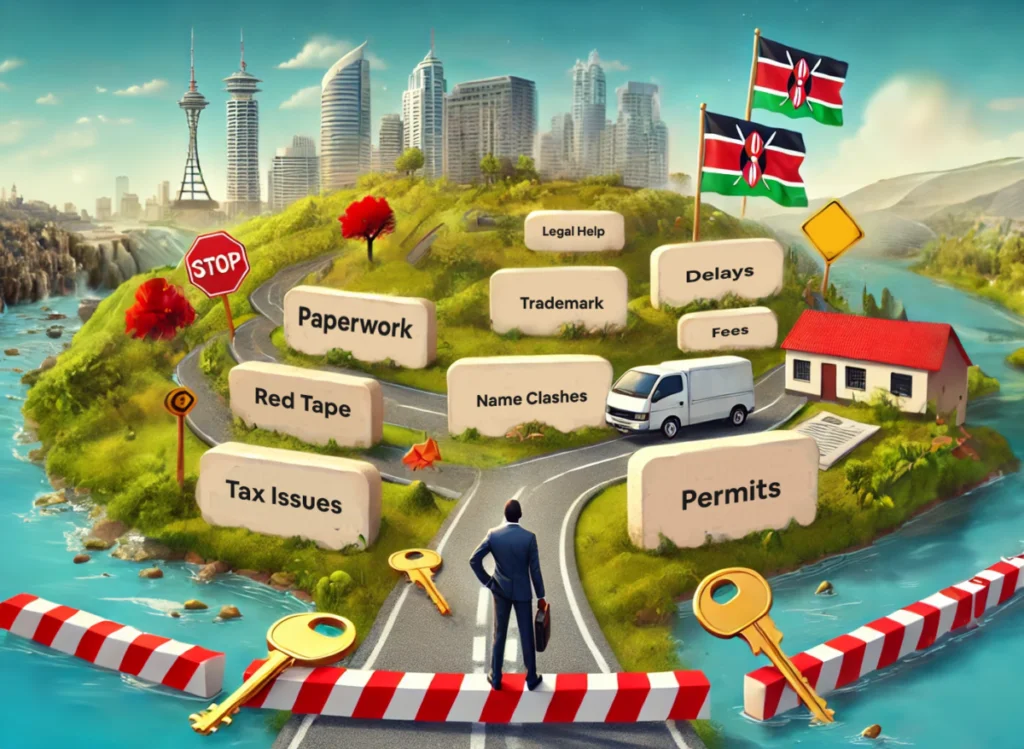
Starting a blog in Kenya is an exciting venture, but like any other business, it comes with its own set of challenges. From slow internet speeds to inconsistent traffic, there are several obstacles that Kenyan bloggers might encounter along their blogging journey. In this section, we’ll explore some of the most common challenges faced by beginner bloggers in Kenya and provide practical solutions to help you overcome them.
A. Slow Internet and Tech Infrastructure
In Kenya, internet speed and reliable access to technology can be a significant barrier for many bloggers, especially those living in rural or remote areas. While urban areas like Nairobi have relatively good internet speeds, bloggers in rural Kenya might face difficulties with slow connections or limited access to tech infrastructure.
- Challenges:
- Slow Internet Speed: Slow internet speeds can hinder the ability to upload and edit blog posts, research, and post images and videos effectively.
- Limited Tech Infrastructure: In some areas, access to powerful laptops or desktop computers may be limited, which can restrict content creation and the overall blogging process.
- Solutions:
- Offline Writing: One way to overcome slow internet is to write your blog posts offline using tools like Microsoft Word or Google Docs (with offline mode enabled). Once the content is written, you can upload it when you have access to faster internet.
- Use Faster Hosting: Choosing a hosting provider that offers faster server speeds (such as Host Kenya or Bluehost) can reduce the time it takes to upload content and images to your blog.
- Mobile Blogging: If you have access to a smartphone with good internet connectivity, consider using mobile blogging tools like WordPress mobile app to manage your blog and publish content directly from your phone.
B. Inconsistent Traffic and Motivation
As a beginner blogger in Kenya, it’s natural to face periods of low traffic, especially in the early stages of your blogging journey. With so many blogs competing for attention, it can be difficult to stand out and attract consistent readers. Low traffic can often lead to frustration, especially when you’re not seeing immediate results for your hard work.
- Challenges:
- Inconsistent Traffic: It can be disheartening when your blog doesn’t attract as much traffic as you anticipated, especially when you’re working hard to create high-quality content.
- Lack of Motivation: Without immediate success, many new bloggers struggle to stay motivated and consistent with their content creation.
- Solutions:
- Content Strategy: Create a content strategy with a clear posting schedule and topics that resonate with your target audience. Regular, valuable content will attract more visitors over time.
- Content Batching: Batching content can help keep your blog active even during times when you’re busy. Write multiple posts in advance, schedule them for publication, and use tools like Buffer or Hootsuite to schedule your social media posts.
- Networking: Engage with other bloggers in Kenya or globally by joining blogging communities like BAKE (Bloggers Association of Kenya). Networking with others can provide motivation, collaboration opportunities, and audience cross-promotion.
- Patience: Building a successful blog takes time. Don’t be discouraged by slow traffic in the beginning. Focus on creating high-quality content that will attract readers over time.
C. Monetization Delays
Monetizing your blog can be one of the most rewarding aspects of blogging, but it’s often not an instant process. New bloggers in Kenya might find it difficult to generate income from their blogs, particularly in the early stages. With Google AdSense, affiliate marketing, and sponsored posts all requiring significant traffic, monetization may take longer than expected.
- Challenges:
- Delayed Earnings: Platforms like Google AdSense typically require a consistent amount of traffic (usually at least 10,000 monthly views) before you start earning a significant income. Similarly, affiliate marketing depends on your ability to generate conversions, which can take time.
- Difficulties in Partnering with Brands: If your blog is still small, it may be challenging to attract sponsorships or brand collaborations, which are another great way to earn revenue.
- Solutions:
- Diversify Income Streams: Don’t rely on just one method of monetization. Combine AdSense, affiliate marketing, and selling digital products (like eBooks or online courses) to create multiple income sources.
- Focus on Traffic: Instead of focusing solely on monetization, prioritize building a loyal audience. Focus on content quality, SEO optimization, and social media promotion to increase your traffic. Once you start getting consistent visitors, monetization opportunities will follow.
- Pitching to Brands: Even if you’re a new blogger, start pitching to local brands for collaborations. Create a media kit that showcases your blog’s performance, audience demographics, and niche. Brands might be willing to work with you if you offer value, even if your blog is still growing.
D. Handling Negative Feedback or Trolling
As a public figure online, it’s inevitable that you will encounter negative feedback or trolling at some point in your blogging career. This can be discouraging, especially for Kenyan bloggers who are just starting to build their audience. Criticism can be constructive, but online harassment or trolling can be emotionally draining.
- Challenges:
- Negative Comments: Some readers may leave critical comments, and others may resort to trolling or harassment.
- Emotional Impact: Continuous negative feedback can affect your mental health and reduce your motivation to continue creating content.
- Solutions:
- Moderate Comments: Use comment moderation tools on your blog to filter out spam and offensive comments. You can also set rules for what type of comments are acceptable on your blog.
- Focus on Constructive Criticism: Learn to separate constructive feedback from trolling. If someone offers helpful advice or points out an error in your content, use it to improve your blog.
- Build a Supportive Community: Encourage positive engagement from your readers by creating a welcoming environment in the comment sections and on your social media platforms. A strong, supportive community can help mitigate the effects of trolling.
- Ignore Trolls: Don’t engage with trolls. They thrive on attention, so it’s best to ignore them and focus on the positive feedback from your loyal readers.
Key Takeaways:
- Slow internet can be managed by using offline writing tools and faster hosting providers. Consider mobile blogging if you’re limited by tech infrastructure.
- Inconsistent traffic is common in the early stages. Focus on content strategy, networking, and content batching to stay consistent and attract more readers.
- Monetization delays are normal. Diversify your income streams, focus on growing traffic, and pitch to brands to get the ball rolling.
- Handling negative feedback is part of being a blogger. Use comment moderation tools, focus on constructive criticism, and ignore trolls to maintain a positive blogging experience.
X. Final Thoughts: These Blogging Tools Are a Must for Kenyan Writers
Blogging in Kenya has emerged as an important avenue for self-expression, entrepreneurship, and building an online presence. As the digital landscape continues to grow, bloggers have an opportunity to share their voices, make an impact, and even monetize their efforts. However, achieving success as a blogger requires more than just creating content; it also involves utilizing the right blogging tools in Kenya to streamline your work, optimize your content, and connect with your audience.

In this article, we’ve explored essential blogging tools, monetization strategies, and the challenges that Kenyan bloggers face. Whether you’re just starting out or looking to grow your blog, the right combination of writing tools, SEO tools, social media platforms, and design tools will make a significant difference in your blogging journey.
A. Recap of Opportunities and Challenges
- Opportunities for Kenyan Bloggers:
- Digital Entrepreneurship: Blogging offers Kenyan writers a chance to become digital entrepreneurs. By building a blog, you can create a personal brand, attract an audience, and monetize your content in multiple ways, including ads, affiliate marketing, and selling digital products.
- Local and Global Reach: Kenyan bloggers have the opportunity to reach both local and international audiences. By producing content that resonates with Kenyan culture and experiences, bloggers can connect with readers around the world.
- Skill Development: Blogging helps you develop a wide range of skills—from writing and SEO to digital marketing and web design. These skills are not only valuable for blogging but can also help you in other professional endeavors.
- Challenges Kenyan Bloggers Face:
- Slow Internet and Tech Limitations: While blogging can be challenging due to slow internet speeds and limited access to high-end tech in some areas, creative solutions such as mobile blogging and offline writing tools can help mitigate these challenges.
- Monetization Delays: Generating income from your blog takes time. Monetizing through Google AdSense, affiliate marketing, and sponsored posts requires consistent traffic and audience engagement, but diversifying income sources and focusing on building an audience will pay off in the long run.
- Handling Negative Feedback: As your blog gains visibility, you may encounter negative comments or trolling. It’s important to moderate comments, focus on constructive criticism, and build a supportive community around your blog.
B. Final Tips for Aspiring Bloggers
- Stay Consistent:
Consistency is key in blogging. Set realistic goals for how often you’ll post and stick to a regular publishing schedule. Even if you’re only posting once a week, consistency helps build momentum and a loyal audience. - Focus on Value Creation:
Your blog’s success will ultimately depend on the value you offer to your audience. Whether you’re sharing Kenyan travel tips, financial advice, or fashion trends, make sure your content addresses your audience’s needs, provides solutions, and offers insightful, well-researched information. - Keep Learning and Adapting:
The digital landscape is constantly evolving, and successful bloggers need to stay up to date with the latest tools, trends, and strategies. SEO algorithms change, new social media platforms emerge, and new blogging tools are released regularly. Keep learning and adapting to ensure your blog stays relevant and competitive. - Leverage Local Communities:
As a Kenyan blogger, tap into local resources like BAKE (Bloggers Association of Kenya) and Ajira Digital for support, networking, and training. Engaging with these communities will help you grow your network, learn from experienced bloggers, and stay motivated.
Conclusion: The Future of Blogging in Kenya
The future of blogging in Kenya is bright. With an increasing number of internet users and a growing digital economy, bloggers have more opportunities than ever to share their voices, build their brands, and create successful online businesses. By using the right blogging tools in Kenya—from SEO plugins and writing assistants to social media platforms and email marketing tools—Kenyan writers can optimize their blogs for success.
Whether you’re a new blogger just starting or an experienced writer looking to scale your blog, embracing the right tools and strategies will help you achieve your goals. Remember, blogging is a journey, and the tools you use are just as important as the content you create.
Key Takeaways:
- Blogging offers Kenyan writers opportunities for digital entrepreneurship and personal growth.
- To succeed in blogging, you must consistently produce valuable content, use SEO tools, and promote your blog effectively.
- Monetization may take time, but diversifying your income streams and staying patient will lead to long-term success.
- Networking with local blogging communities and staying up to date with trends will keep you ahead of the competition.
By following these tips and leveraging the right blogging tools, you’ll be well on your way to building a successful blog in Kenya. Keep creating, stay consistent, and enjoy the process!