
What is Digital Marketing in Kenya?
Digital marketing in Kenya has experienced significant growth in recent years, becoming a crucial component of business strategies across various sectors. At its core, digital marketing involves promoting products and services through online platforms and channels, including social media, search engines, email, and websites.

In Kenya, digital marketing has proven to be an essential tool for businesses to reach a wider audience, enhance their brand visibility, and increase sales. The rise of digital platforms such as social media, e-commerce websites, and mobile apps has made it easier for both large enterprises and small businesses to connect with customers in a more targeted and cost-effective way.
The Evolution of Digital Marketing in Kenya
Digital marketing in Kenya began to gain traction in the early 2000s with the rise of internet access and mobile phone usage. However, it truly accelerated in the last decade due to the following factors:
- Increased internet penetration: According to the Communications Authority of Kenya, internet penetration in Kenya reached over 90% by 2021, enabling a larger population to access digital platforms.
- The role of mobile phones: With the introduction of affordable smartphones and mobile data, mobile marketing has become one of the most popular ways to reach Kenyan consumers.
- Social media boom: Platforms such as Facebook, Instagram, Twitter, and TikTok have become vital marketing tools for businesses, especially among the younger Kenyan demographic.
These developments have allowed Kenyan businesses to tap into digital marketing strategies that were once out of reach for many due to the costs associated with traditional advertising methods.
Why Digital Marketing in Kenya Matters
The importance of digital marketing in Kenya cannot be overstated. Below are some key reasons why businesses in Kenya are increasingly turning to digital marketing strategies:
1. Expanding Reach and Audience Engagement
One of the primary advantages of digital marketing is the ability to reach a larger and more targeted audience. With Kenya’s population of over 50 million, a significant portion of the population is active online. Digital marketing enables businesses to connect with this audience in ways that traditional marketing methods cannot.

For instance, businesses can target specific demographics, such as age groups, locations, and interests, through social media ads, Google Ads, and more. This targeted approach ensures that marketing efforts are focused on the people most likely to convert into customers.
2. Cost-Effective Marketing
Traditional forms of marketing, such as print advertisements, television, and radio spots, can be costly, especially for small businesses. Digital marketing in Kenya, on the other hand, offers a more affordable alternative. With tools like social media ads and Google Ads, businesses can start campaigns with small budgets and scale them as needed.
This cost-effective nature of digital marketing allows small businesses and startups in Kenya to compete on a level playing field with larger corporations. In fact, digital marketing has opened doors for digital entrepreneurs and online businesses to thrive, helping them reach customers without the need for a physical storefront.
3. Real-Time Analytics and Insights
Another major benefit of digital marketing in Kenya is the ability to track campaigns in real-time. Unlike traditional marketing methods, which may require months of data collection, digital marketing platforms such as Google Analytics and Facebook Insights allow businesses to monitor the performance of their ads, track customer interactions, and make adjustments in real time.
For example, businesses can see which ads are driving the most traffic, which social media posts are getting the most engagement, and which keywords are performing best. This data helps marketers refine their strategies, optimize budgets, and achieve better results over time.
4. Increasing Competition in the Kenyan Market
As more businesses embrace digital marketing in Kenya, competition has intensified. Companies now have access to global and local markets, which means they must continually innovate to stay relevant. The ability to differentiate a brand through digital marketing techniques—such as personalized ads, influencer marketing, and SEO—is more important than ever.
For instance, Safaricom, Kenya’s leading mobile service provider, has used targeted digital marketing campaigns to engage customers with personalized offers, promotions, and customer service. This helps them maintain a competitive edge in an increasingly crowded market.
5. Strengthening Customer Relationships
Digital marketing in Kenya enables businesses to engage with their customers in meaningful ways. Through social media, email marketing, and personalized content, businesses can communicate directly with their customers, answer questions, and resolve issues in real time. This creates a sense of loyalty and trust, which is essential for long-term business success.
Moreover, businesses can use email newsletters to nurture relationships with customers by offering them relevant content, discounts, or exclusive offers. The ability to build such close relationships with customers would be impossible through traditional marketing methods.
6. Localized Marketing for Kenyan Consumers
Kenyan consumers have specific preferences and behaviors that businesses must understand to effectively reach them. Digital marketing in Kenya allows businesses to create locally relevant content and campaigns that resonate with the local audience. For example, brands can use local languages, showcase Kenyan culture, or promote local events through their digital marketing efforts.
A great example of localized digital marketing is Jumia Kenya, which tailors its online ads and promotions to Kenyan customers by offering discounts on popular products, providing localized customer service, and partnering with local influencers.
The Role of Digital Marketing in Kenya’s Economy
Digital marketing has also played a role in the broader economic landscape of Kenya. The rise of online businesses, digital entrepreneurs, and digital marketing agencies has created numerous job opportunities. According to the Kenya National Bureau of Statistics (KNBS), the digital economy is contributing to an increase in employment and economic output, especially in urban areas like Nairobi.

For example, digital marketing agencies have proliferated in Kenya, offering services such as social media management, SEO, and pay-per-click (PPC) advertising i.e Host Kenya and Marsha Creatives. These agencies help local businesses navigate the digital landscape, and in return, they create employment opportunities for skilled professionals in marketing, design, content creation, and data analysis.
In addition, online education platforms like Ajira Digital and Moringa School are equipping Kenyans with the skills needed for digital marketing, creating a workforce that can drive future economic growth.
The Landscape Of Digital Marketing in Kenya
What Drives the Growth of Digital Marketing in Kenya?
The rise of digital marketing in Kenya is influenced by several key factors, from technological advancements to changing consumer behavior. These drivers have not only transformed how businesses market their products and services but have also shaped the broader economy.
1. Internet and Mobile Access
Kenya’s increasing internet penetration is one of the most significant contributors to the growth of digital marketing. According to the Communications Authority of Kenya, over 40 million Kenyans have internet access, which represents more than 80% of the population. This has enabled businesses to reach a wide audience across the country, even in remote areas where traditional marketing methods may not be as effective.

Mobile phone usage has also played a critical role. With over 50 million mobile phone subscriptions in Kenya (many of which are smartphones), businesses can now engage directly with customers through mobile-friendly platforms like WhatsApp, Facebook, Instagram, and mobile apps. The ability to reach customers through these mobile devices allows businesses to maintain constant communication with their target audience.
Key Stats:
- Mobile internet penetration: Over 90% of internet users in Kenya access the web via mobile devices.
- Social media usage: Kenya has one of the highest social media penetration rates in Africa, with Facebook and Instagram being the most popular platforms.
2. The Role of Social Media Platforms
Social media has become one of the most powerful tools for digital marketing in Kenya. Platforms such as Facebook, Instagram, TikTok, and Twitter have billions of active users, many of whom are based in Kenya. Social media allows businesses to interact with their audience, promote their products, and run targeted advertising campaigns.
Social media also provides a unique opportunity for businesses to leverage influencer marketing, where influencers use their platforms to promote brands. Influencers like Sharon Mundia and Elsa Majimbo have amassed large followings and often collaborate with brands to reach their audiences in authentic ways.
Benefits of Social Media Marketing in Kenya:
- Targeted advertising: Social media platforms allow businesses to target specific demographics based on location, age, gender, interests, and more.
- Cost-effective campaigns: Businesses can start with low-budget campaigns and adjust their spend based on performance.
- Real-time engagement: Social media enables brands to engage with their audience instantly, addressing customer queries, complaints, and feedback.
3. E-commerce Growth and Digital Marketplaces
Kenya’s e-commerce sector is booming, driven by platforms such as Jumia, Kilimall, and Masoko. The convenience of online shopping, coupled with affordable mobile payment options like M-Pesa, has made e-commerce a viable option for consumers and businesses alike. According to the Kenya National Bureau of Statistics, e-commerce transactions in Kenya grew by 23% in 2020, and this trend is expected to continue as more businesses move online.
Digital marketing plays a crucial role in driving e-commerce growth. Through SEO, paid search campaigns, and social media ads, businesses can promote their products directly to consumers on these platforms. For instance, Jumia uses targeted ads on Facebook and Google to drive traffic to its platform, increasing sales and brand awareness.
Key Stats:
- Jumia’s reach: Jumia has over 2 million monthly active users in Kenya, making it one of the leading e-commerce platforms in the country.
- M-Pesa transactions: Over 27 million Kenyans use M-Pesa for mobile payments, which has enabled easier online transactions and digital marketing integrations.
4. The Emergence of Digital Marketing Agencies
As digital marketing in Kenya continues to grow, so does the demand for digital marketing expertise. Local agencies specializing in areas such as search engine optimization (SEO), social media marketing, and pay-per-click (PPC) advertising are on the rise. These agencies play a vital role in helping businesses develop and execute digital marketing strategies that are tailored to the Kenyan market.
For example, agencies like Lynx Digital and WebsPlanet offer businesses the necessary tools and knowledge to create effective online campaigns, track their performance, and optimize for better results. These agencies have become key players in helping small and medium-sized enterprises (SMEs) thrive in an increasingly digital world.
Services Provided by Digital Marketing Agencies in Kenya:
- SEO: Ensuring websites rank high on Google search results for relevant keywords.
- Social media management: Creating and managing content on platforms like Facebook and Instagram.
- Content creation: Producing blogs, videos, and graphics to engage the target audience.
- Paid advertising: Running campaigns on Google Ads, Facebook, and Instagram to drive traffic and sales.
Key Digital Platforms in Kenya for Marketing
Understanding which digital platforms are most effective in Kenya is essential for crafting a successful digital marketing strategy. Below are some of the key platforms businesses use to reach their target audience in Kenya.

1. Facebook
Facebook remains the most popular social media platform in Kenya, with millions of active users. It allows businesses to create pages, share content, and run paid ads targeting specific demographics. According to Datareportal, over 10 million Kenyans use Facebook regularly, making it an ideal platform for digital marketing.
- Why Facebook Works: Businesses can reach a wide audience with a variety of ad formats such as image ads, video ads, carousel ads, and more. Facebook also allows businesses to interact with customers directly via Messenger, providing an additional channel for customer service.
2. Instagram
Instagram has grown in popularity among Kenyan consumers, particularly among the youth. Businesses use Instagram to showcase products, run contests, and engage with followers. Instagram’s visual nature makes it a great platform for industries like fashion, food, and travel.
- Instagram Ads: Instagram offers a wide range of advertising options, including Stories ads, post ads, and influencer partnerships. Brands like Naivas Supermarket and EatOut Kenya have successfully used Instagram to increase engagement and brand visibility.
3. TikTok
TikTok has exploded in popularity across the globe, and Kenya is no exception. TikTok allows businesses to create engaging short-form video content that resonates with younger audiences. The platform’s algorithm enables viral content, meaning businesses have the potential to reach millions with a single viral video.
- Why TikTok Works: TikTok’s user base in Kenya is rapidly growing, especially among Gen Z and Millennials. The platform’s ability to create viral content makes it a powerful tool for businesses to build brand awareness and drive traffic.
4. Google Ads
Google remains the dominant search engine globally, and businesses in Kenya leverage Google Ads to run paid search campaigns targeting specific keywords. SEO is also vital for ensuring organic traffic from Google. Google Ads allows businesses to target users who are actively searching for their products or services.
- Why Google Ads Works: Google Ads offers businesses the ability to bid on specific keywords, ensuring they appear at the top of search results. For instance, a local coffee shop could bid on keywords like “best coffee in Nairobi” to reach potential customers in their area.
The Impact of Digital Marketing in Kenya on Businesses
How Digital Marketing in Kenya is Transforming Businesses
Digital marketing in Kenya has fundamentally changed the way businesses operate and engage with their customers. Before the rise of digital marketing, many small and medium-sized businesses (SMBs) in Kenya struggled to reach a broader audience and establish their brand presence. With the advent of digital tools, however, businesses can now access a vast pool of potential customers both locally and internationally.
1. Targeted Advertising for Local and International Markets
One of the primary advantages of digital marketing in Kenya is the ability to target specific customer segments. Unlike traditional marketing methods like television and print ads, which cast a wide net, digital marketing allows businesses to target consumers based on their demographics, behaviors, and interests.
For example, Tusky’s Supermarket, one of Kenya’s largest retail chains, runs highly targeted digital marketing campaigns on social media and Google Ads. The supermarket uses Facebook Ads to target specific age groups, incomes, and locations in Nairobi, ensuring that their promotions reach the most relevant audience.
Benefits of Targeted Advertising:
- Increased ROI: By targeting specific demographics, businesses can maximize their marketing spend and increase conversions.
- Better engagement: Ads and content are more relevant to the audience, leading to higher levels of interaction and engagement.
2. Enhancing Brand Visibility
Digital marketing in Kenya is a powerful tool for boosting brand visibility. For businesses that want to expand their reach, platforms like Google Ads, Facebook, and Instagram can help businesses become more visible to a broader audience. The ability to run paid campaigns alongside organic social media content and search engine optimization (SEO) techniques helps businesses stay top of mind for consumers.
A perfect example of a Kenyan brand that has successfully enhanced its visibility through digital marketing is Safaricom. As the leading telecommunications provider in Kenya, Safaricom uses a combination of social media marketing, Google Ads, and influencer partnerships to increase brand awareness and engage with their customers.
3. Building Customer Loyalty
With digital marketing in Kenya, businesses can foster stronger relationships with their customers by engaging with them directly. Social media platforms, email marketing, and online customer service channels enable businesses to provide a more personalized experience, which is crucial for customer retention.
For example, Kenya Airways, the country’s flagship carrier, uses email marketing to send personalized flight offers and newsletters to loyal customers. By analyzing customer data, they can offer customized deals and keep customers engaged with the brand.
Key Strategies for Building Customer Loyalty:
- Personalized communication: Use email and social media to send targeted content and offers.
- Customer feedback: Engage with customers through surveys, reviews, and direct messages to improve service.
- Reward programs: Introduce loyalty programs that reward repeat customers with discounts or exclusive offers.
Brand Awareness and Consumer Engagement through Social Media
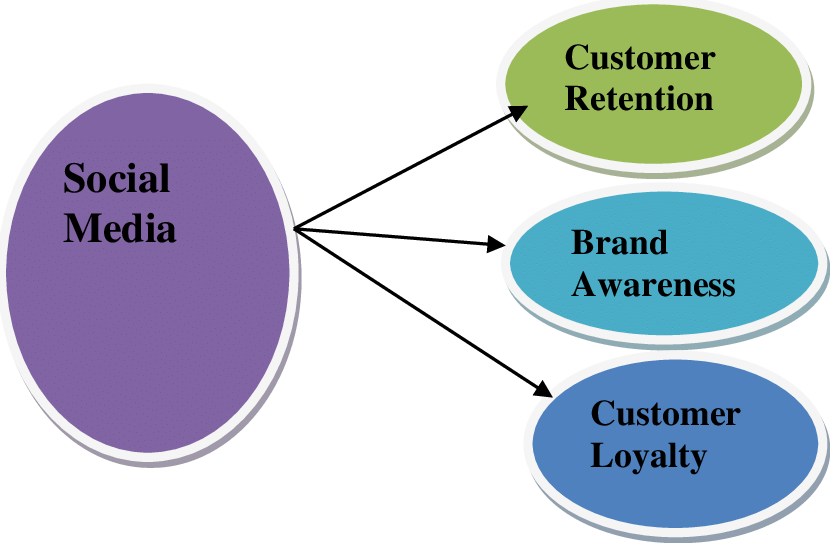
Social media is one of the most effective tools for building brand awareness and fostering consumer engagement in Kenya. With the rise of platforms such as Facebook, Instagram, and TikTok, businesses can connect directly with their customers and create a sense of community around their brand.
1. Leveraging Social Media Platforms
Kenya has one of the highest social media penetration rates in Africa, with millions of Kenyans actively using Facebook, Instagram, and Twitter. These platforms offer a unique opportunity for businesses to interact with their audience, respond to customer inquiries, and showcase their products or services.
For instance, EatOut Kenya, a popular restaurant guide and food delivery service, uses social media platforms to promote new restaurants, share food reviews, and engage with food lovers across Kenya. The brand’s ability to engage with consumers in real-time has helped it build a strong following and drive significant traffic to its website.
Effective Social Media Strategies:
- Content Creation: Share engaging content that resonates with your target audience, including behind-the-scenes looks, customer testimonials, and product demonstrations.
- User-Generated Content: Encourage customers to share their experiences with your product and repost their content on your social media pages.
- Engagement: Respond to comments, direct messages, and mentions to build relationships with your audience.
2. Influencer Marketing
Influencer marketing has become a powerful strategy in Kenya, where influencers on platforms like Instagram and YouTube have significant sway over their followers’ purchasing decisions. Kenyan businesses can partner with influencers to promote their products and services to a highly engaged audience.
For example, Sharon Mundia, a popular Kenyan fashion and lifestyle influencer, has worked with local brands such as Nairobi Fashion Market and Huawei Kenya to promote their products to her millions of followers. Through authentic endorsements and collaborations, brands can increase their reach and trust among Kenyan consumers.
Benefits of Influencer Marketing:
- Authentic endorsements: Influencers offer a more genuine and relatable form of advertising, leading to better customer trust.
- Increased reach: Partnering with influencers allows businesses to tap into established audiences and increase brand exposure.
- Targeted promotion: Businesses can choose influencers whose followers align with their target demographic.
3. Engaging Content Creation
Creating high-quality, engaging content is essential for driving consumer engagement on social media. Brands that consistently produce relevant, interesting, and useful content are more likely to gain followers, increase engagement, and build a loyal customer base.
For example, KOT (Kenya Airways) uses video content, behind-the-scenes looks, and customer stories to showcase the experiences of their passengers. This type of content helps humanize the brand and encourages followers to engage with the posts.
Key Content Types for Social Media Engagement:
- Videos: Short, engaging videos on platforms like Instagram and TikTok can capture attention and drive engagement.
- Polls and Surveys: Engage with your audience by asking for feedback or conducting polls about new products or services.
- Live Streaming: Host live sessions to interact with customers in real-time, answer their questions, and showcase new products.
Cost-Effective Marketing: Why Digital is the Best Choice for Kenyan Businesses
When it comes to marketing in Kenya, digital marketing offers an unparalleled level of cost-effectiveness compared to traditional forms of advertising such as TV, radio, or print media.
1. Budget-Friendly Advertising Options
Digital marketing platforms, particularly social media, allow businesses to start small and scale their campaigns based on performance. With paid ads on platforms like Facebook, businesses can start with a budget as low as KSh 500 and see significant results in terms of reach and engagement.
Businesses can also use tools like Google Ads to bid on specific keywords, ensuring that their ads are shown to people actively searching for products or services. This ability to control budgets and track ROI makes digital marketing a highly cost-effective option for Kenyan businesses.
2. High Return on Investment (ROI)
The ability to target specific audiences through digital marketing ensures that businesses spend their advertising budgets on the people most likely to convert. For example, Mookh Kenya, a local e-commerce platform, has used targeted Google Ads campaigns to drive traffic to their website, increasing sales by over 30% while keeping ad spend low.
In contrast to traditional marketing, where businesses often have to guess their target audience, digital marketing offers the precision needed to get the most out of every marketing shilling.
Key Factors that Contribute to High ROI:
- Targeted advertising: Ads are shown to users based on their location, age, interests, and search history.
- Real-time performance tracking: Businesses can track how well their ads are performing and adjust them to optimize for conversions.
- Budget flexibility: Businesses can scale campaigns up or down based on their marketing goals and budget.
Digital Marketing Channels and Strategies in Kenya
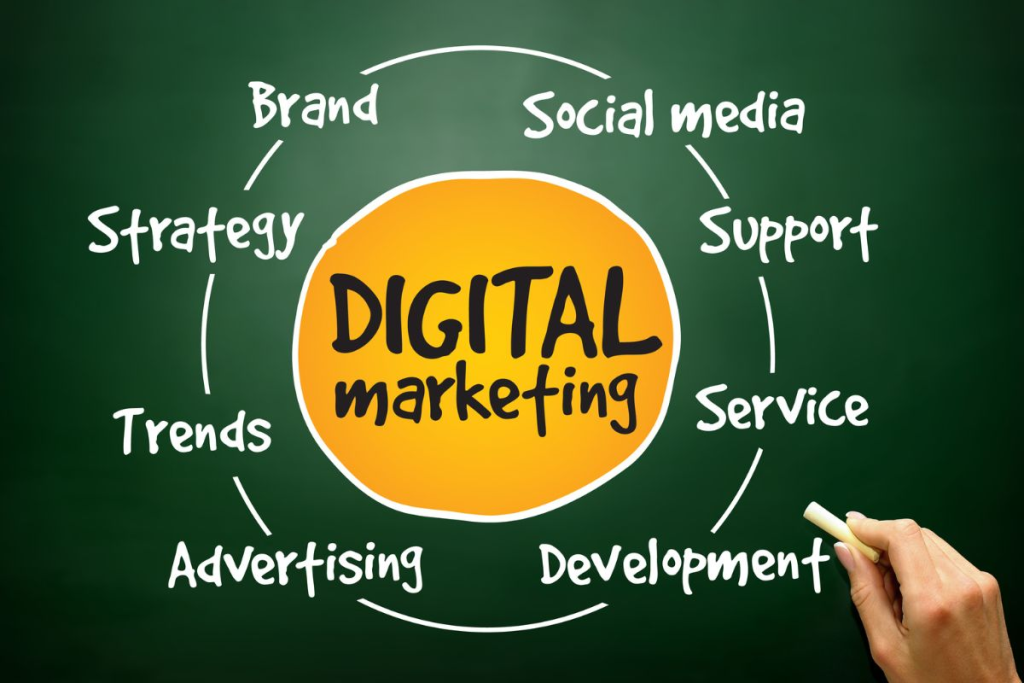
In Kenya, businesses are increasingly embracing a wide array of digital marketing channels to boost their visibility, drive sales, and build brand loyalty. By understanding how to effectively leverage these channels, companies can reach the right audience and achieve significant results. Below are some of the key digital marketing channels and strategies used by businesses in Kenya.
1. Social Media Marketing in Kenya
Social media marketing plays a critical role in digital marketing in Kenya, where platforms like Facebook, Instagram, Twitter, and TikTok are widely used. Kenyan businesses have realized the immense potential of these platforms to promote products, engage with customers, and build brand awareness. Social media marketing offers several benefits, including:
- Direct communication with customers: Businesses can respond to customer inquiries, handle complaints, and engage with their audience in real time.
- Brand building: Social media allows businesses to create a distinct brand voice and personality that resonates with their target audience.
- Cost-effective campaigns: With tools like Facebook Ads and Instagram promotions, businesses can run highly targeted campaigns at a fraction of the cost of traditional advertising.
How Kenyan Businesses Use Social Media:
- Brand awareness: Many Kenyan businesses use social media to introduce their brands to potential customers. For example, Java House Kenya shares regular updates on promotions, events, and new menu items on their social media pages, engaging with followers and increasing brand visibility.
- Influencer collaborations: Influencer marketing is growing rapidly in Kenya. Brands partner with influencers like Elsa Majimbo and Joy Kendi to reach wider audiences and promote their products authentically.
- Paid advertising: Platforms like Facebook and Instagram offer powerful ad targeting features that allow businesses to hone in on specific demographics such as age, interests, location, and behavior.
2. Search Engine Optimization (SEO)
SEO plays a crucial role in digital marketing in Kenya by helping businesses increase their organic visibility on search engines like Google. SEO involves optimizing a website’s content and structure to ensure that it ranks highly for relevant search terms. This is particularly important because Google is the most commonly used search engine in Kenya, and businesses that rank on the first page of search results can attract significant traffic.
Why SEO is Crucial for Kenyan Businesses:
- Increased visibility: Appearing at the top of search engine results helps businesses stand out and attract more clicks from potential customers.
- Local SEO: Local businesses in Kenya can use local SEO strategies to appear in searches that are specific to their geographic location. For instance, a Nairobi-based restaurant can optimize its website to rank for phrases like “best pizza in Nairobi.”
- Long-term results: Unlike paid advertising, which stops as soon as you stop paying, SEO provides long-term benefits by continuously driving organic traffic to your website.
Key SEO Strategies for Kenyan Businesses:
- Keyword research: Understanding which keywords your target audience is searching for is crucial for SEO. Tools like Google Keyword Planner and Ubersuggest can help identify high-traffic keywords specific to the Kenyan market.
- Content creation: Creating high-quality, relevant content is essential for ranking well in search results. For example, a local travel agency can write blog posts about Kenya’s top tourist destinations, which not only help with SEO but also establish the agency as an authority in the travel industry.
- On-page SEO: Optimizing elements like title tags, meta descriptions, headings, and image alt text on your website can improve rankings.
- Mobile optimization: With more than 90% of Kenyan internet users accessing the web via mobile devices, optimizing your website for mobile is essential for SEO success.
3. Pay-Per-Click Advertising (PPC)
PPC advertising, particularly through platforms like Google Ads and Facebook Ads, is another highly effective strategy for businesses in Kenya looking to drive immediate traffic to their websites. In a PPC campaign, businesses only pay when a user clicks on their ad. This makes PPC a cost-effective way to attract high-intent traffic.
Benefits of PPC Advertising in Kenya:
- Quick results: Unlike SEO, which can take time to show results, PPC ads can generate traffic as soon as the campaign goes live.
- Targeting precision: PPC allows businesses to target users based on specific keywords, demographics, and even device types.
- Local targeting: Kenyan businesses can use geo-targeting features to show ads to users in specific cities or regions, such as Nairobi, Mombasa, or Kisumu.
For instance, Jumia and Kilimmall, two of Kenya’s largest e-commerce platforms, run successful Google Ads campaigns to drive traffic to their websites. These ads target users searching for specific products, such as “smartphones in Nairobi” or “laptops in Kenya.”
4. Email Marketing in Kenya
Email marketing remains one of the most effective ways for businesses to directly communicate with their customers. With the growing adoption of smartphones in Kenya, email has become a reliable tool for businesses to engage with their audience, promote products, and increase sales.
Why Email Marketing Works in Kenya:
- Cost-effective: Email marketing is much more affordable than traditional marketing methods like print or TV ads, making it ideal for small businesses.
- Direct communication: Through emails, businesses can send personalized messages to their customers, keeping them informed about new products, sales, and promotions.
- Automation: With tools like Mailchimp and Sendinblue, businesses can automate their email marketing campaigns, making it easier to manage large email lists and track performance.
How Kenyan Businesses Use Email Marketing:
- Product promotions: Businesses send newsletters and promotional emails to inform subscribers about discounts or limited-time offers. For example, Kilimall frequently sends promotional emails about flash sales and new arrivals to their customers.
- Customer retention: Sending personalized emails to loyal customers with exclusive offers can help foster brand loyalty and encourage repeat business.
5. Mobile Marketing in Kenya
With the vast majority of internet users in Kenya accessing the web via mobile phones, mobile marketing has become an essential aspect of digital marketing in the country. Businesses can use mobile marketing strategies such as mobile-friendly websites, SMS marketing, and mobile app promotions to engage with customers.
Why Mobile Marketing Matters:
- High mobile penetration: As of 2021, Kenya had over 50 million mobile phone subscriptions, with a significant percentage of users owning smartphones.
- Mobile payment systems: The popularity of mobile payment solutions like M-Pesa has made it easier for businesses to integrate mobile marketing with transaction processes.
- Location-based targeting: With mobile devices, businesses can use geo-targeting to send location-specific ads or promotions to users.
Examples of Mobile Marketing in Kenya:
- M-Pesa: Safaricom’s M-Pesa mobile payment service is integrated with various businesses’ digital marketing campaigns. For example, an e-commerce business might offer discounts or promotions to customers who pay using M-Pesa.
- SMS marketing: Kenyan businesses are increasingly using SMS marketing to send offers and updates directly to customers’ phones. For instance, Zuku TV often sends promotional SMSs to their subscribers.
- How to Promote Your Business Using Digital Marketing in Kenya
Promoting your business effectively in Kenya requires understanding the diverse digital marketing strategies available and knowing how to leverage them to reach your target audience. From social media to email campaigns, the key to success lies in using the right combination of digital channels tailored to your business goals. - 1. Using Social Media Effectively
Social media has proven to be one of the most powerful tools for businesses in Kenya to connect with their target audience. With platforms like Facebook, Instagram, Twitter, and TikTok dominating the Kenyan market, businesses can promote their products, engage with customers, and drive sales all within one platform. - Best Practices for Social Media Marketing in Kenya:
Know your audience: Understanding who your customers are and what they like is essential for crafting relevant content. Kenyan consumers are highly active on social media, and businesses must engage them by sharing content they care about. - Consistency is key: Regularly posting on social media keeps your brand top of mind for your audience. Sharing updates, promotions, behind-the-scenes content, and user-generated content can help build a loyal community.
Use targeted ads: Social media platforms provide robust targeting tools to help you reach specific demographics based on age, interests, and location. Kenyan businesses should take advantage of these features to ensure they are reaching the right people.
For instance, Safaricom regularly posts product updates, promotions, and engaging content on its Facebook and Instagram pages, ensuring its audience stays engaged and informed.
Examples of Effective Social Media Strategies: - Product launches: Use Instagram Stories and Facebook Events to promote new product launches or services. For example, Jumia Kenya often creates buzz around sales and offers by posting teaser videos and countdowns to launch dates.
Engagement: Host giveaways or contests to encourage interaction and get your followers involved. Brands like Puma Kenya frequently use contests on Instagram to increase engagement and drive traffic to their websites. - 2. Leveraging WhatsApp and Telegram for Business Promotion
While many businesses in Kenya focus on mainstream social media platforms, WhatsApp and Telegram have emerged as powerful tools for more personalized customer engagement. These platforms allow businesses to create customer support channels, share updates, and even facilitate direct sales. - Why WhatsApp and Telegram Work for Kenyan Businesses:
Instant communication: WhatsApp and Telegram are ideal for responding to customer inquiries in real time. This can lead to higher customer satisfaction and improved trust in your brand.
Broadcasting promotions: Businesses can use WhatsApp’s broadcast feature to send promotions, product updates, and news to a list of subscribers. Telegram channels also allow businesses to send messages to a larger audience.
Cost-effective: Both WhatsApp and Telegram are free platforms, making them affordable tools for businesses, especially small enterprises in Kenya that may have limited marketing budgets. - 3. Collaborating with Influencers and Other Bloggers
Influencer marketing has become a dominant force in digital marketing in Kenya. Local influencers and bloggers have significant sway over their followers, and businesses are increasingly turning to these individuals to promote their products or services. - Why Influencer Marketing Works in Kenya:
Trust and authenticity: Influencers often have close relationships with their followers, making their endorsements feel more authentic. Kenyan influencers, such as Sharon Mundia and Elsa Majimbo, have cultivated a strong following by sharing personal experiences and promoting brands in an organic way.
Wider reach: Influencers allow businesses to tap into established audiences and expand their brand’s reach. By partnering with influencers who align with your brand values, businesses can increase their visibility and drive conversions. - How to Collaborate with Influencers:
Choose the right influencer: Make sure the influencer’s audience matches your target demographic. For example, a tech brand might partner with a tech-focused influencer, while a fashion brand could collaborate with a lifestyle influencer.
Set clear expectations: Outline the goals, deliverables, and compensation before starting a collaboration to ensure both parties are on the same page.
Monitor results: Track the performance of influencer campaigns to determine ROI and adjust strategies accordingly. - 4. Email Marketing for Business Promotion
Email marketing continues to be one of the most effective ways to nurture relationships with customers. It provides businesses with the opportunity to send personalized messages, promotions, and valuable content directly to their customer base.
Why Email Marketing is Crucial for Kenyan Businesses: - Direct communication: With email, businesses can communicate directly with their customers, informing them about new products, special offers, and important updates.
Automation: Tools like Mailchimp and Sendinblue allow businesses to automate their email campaigns, making it easier to send consistent, relevant messages to large subscriber lists.
Personalization: Email marketing allows businesses to segment their audience and send tailored messages based on customer behavior, purchase history, or location. - Effective Email Marketing Strategies:
Welcome emails: Send a welcome email to new subscribers with a discount or promotion to encourage them to make their first purchase.
Segment your list: Segmenting your email list based on customer behavior allows for personalized campaigns that speak directly to each group’s needs.
Regular newsletters: Keep your customers engaged by sending them regular updates, news, and offers.
5. Content Marketing: Creating Value through Valuable Content
Content marketing is an essential digital marketing strategy that focuses on creating and distributing valuable, relevant, and consistent content to attract and engage a target audience. In Kenya, businesses can use content marketing to educate their customers, build trust, and improve brand awareness. - Why Content Marketing is Important in Kenya:
Establishes authority: By creating informative, well-researched content, businesses can establish themselves as thought leaders in their respective industries.
Improves SEO: Quality content helps improve search engine rankings, making it easier for businesses to get discovered by potential customers.
Generates leads: Offering valuable content such as guides, e-books, or tutorials can generate leads by encouraging visitors to provide their contact information in exchange for the content. - Types of Content Marketing Strategies:
Blogs: Regularly updated blogs that address your audience’s pain points or provide helpful tips can drive traffic and establish your authority.
Videos: Video content on platforms like YouTube, Instagram, and TikTok allows businesses to visually engage their audience and convey complex messages easily.
Infographics: Infographics simplify complex information, making it easier for audiences to absorb and share.
For example, Centonomy, a popular Kenyan financial literacy platform, regularly produces blog posts and videos about personal finance, helping the company build trust and authority in the finance industry.
6. Digital Marketing on Local Platforms
While global platforms like Facebook and Google dominate, Kenyan businesses also leverage local platforms to reach a more targeted audience. Platforms like Jumia and M-KOPA are integral to Kenya’s digital economy, and businesses can use them to expand their reach.
Why Local Platforms Matter:
Localized engagement: Local platforms allow businesses to tailor their messages to the Kenyan market, ensuring that campaigns resonate with the local audience.
Better conversion rates: Local platforms, such as Jumia, attract Kenyan shoppers who are more likely to convert due to their familiarity with the platform and trust in the services it offers.
Key Benefits of Local Platforms:
Localized offers: Businesses can create promotions tailored to Kenyan holidays or shopping behaviors.
Payment integration: Local platforms seamlessly integrate mobile payment solutions like M-Pesa, making transactions easier for Kenyan consumers.
How to Make Money from Digital Marketing in Kenya
Digital marketing in Kenya doesn’t just help businesses grow their customer base and brand visibility—it can also be a direct revenue driver. By leveraging various digital marketing strategies, businesses in Kenya can not only boost sales but also create sustainable income streams. This section will explore different ways Kenyan businesses and entrepreneurs can monetize their digital marketing efforts.
1. Ad Networks and Display Ads
One of the most common ways businesses can generate revenue through digital marketing is by using ad networks, such as Google AdSense, or running display ads on their websites and social media channels. These ad networks allow businesses to earn money whenever a user clicks on an ad (pay-per-click or PPC), views an ad (cost per thousand impressions or CPM), or completes a specific action (conversion).
Why Ad Networks Work in Kenya:
- Minimal effort: Once the ads are set up, businesses can generate revenue without having to actively sell products or services.
- Global reach: Google AdSense and other ad networks help Kenyan businesses tap into international markets, earning money from global traffic.
- Flexible monetization: Businesses can run display ads on their websites, YouTube channels, or even social media profiles, making ad networks versatile across platforms.
How Kenyan Businesses Use Ad Networks:
- Content-driven websites: Kenyan bloggers and news outlets, like Kenya Buzz or The Star, use display ads to generate revenue from high traffic. They incorporate Google AdSense or local ad networks to serve relevant ads to visitors.
- YouTube channels: Content creators in Kenya who have a significant number of subscribers, such as H-Art The Band or Sauti Soul, monetize their videos through YouTube’s ad network, earning money from ad views.
Key Benefits of Display Ads:
- Low initial investment: Businesses don’t need to create their own products or services to benefit from display ads.
- Passive income: Once the ads are in place, they generate income continuously without much effort.
- Scalability: As website or video traffic increases, ad revenue can grow proportionally.
2. Affiliate Marketing in Kenya
Affiliate marketing is another profitable way for businesses and individuals in Kenya to make money through digital marketing. With affiliate marketing, businesses promote products or services from other companies and earn a commission for each sale or lead generated through their referral link.
Why Affiliate Marketing Works in Kenya:
- No product creation required: Kenyan businesses and marketers can earn commissions by simply promoting third-party products or services.
- Scalability: As traffic to your website or social media grows, so does your potential to earn affiliate commissions.
- Variety of niches: There are affiliate programs in virtually every industry, from fashion and beauty to tech and finance, allowing businesses in Kenya to choose products that align with their audience’s interests.
Examples of Affiliate Marketing in Kenya:
- Jumia Affiliate Program: Jumia Kenya, one of the largest e-commerce platforms in the country, offers an affiliate program where businesses or content creators can promote Jumia’s products and earn a commission on sales made through their referral links.
- Amazon Associates: Though Amazon does not have a direct Kenyan presence, Kenyan affiliate marketers can still promote Amazon products and earn commissions through the Amazon Associates program. Many Kenyan bloggers and YouTubers promote popular international products through their affiliate links.
Benefits of Affiliate Marketing:
- Low startup costs: You don’t need to invest in product development, and you can start affiliate marketing with minimal upfront costs.
- Flexible income source: Whether you run a blog, social media account, or website, affiliate marketing allows you to monetize your digital content effortlessly.
3. Sponsored Posts and Brand Collaborations
As the digital marketing landscape grow in Kenya, businesses are increasingly collaborating with influencers, content creators, and bloggers to promote their products through sponsored posts. These collaborations can result in significant income for influencers and can drive revenue for brands by amplifying their message to a larger audience.
Why Sponsored Posts Work in Kenya:
- Authentic promotion: Consumers trust influencers and bloggers, so their recommendations often lead to higher conversion rates.
- Wider audience reach: Collaborating with popular influencers or bloggers in Kenya can help a brand expand its audience base quickly.
- Higher engagement: Sponsored posts can help businesses reach a highly engaged audience that is more likely to take action.
Examples of Sponsored Posts in Kenya:
- Sharon Mundia’s Instagram: Influencers like Sharon Mundia often work with Kenyan and international brands to create sponsored content. Through her Instagram posts, Sharon promotes fashion, beauty, and lifestyle brands, which helps them reach her audience of over 1 million followers.
- Elsa Majimbo: Elsa Majimbo, a Kenyan comedian and social media personality, has worked with global brands such as Coca-Cola and Fendi. These brand collaborations generate income for Elsa and allow brands to tap into a younger, digitally savvy audience in Kenya.
Key Tips for Sponsored Posts:
- Choose the right influencer: Make sure the influencer or blogger you collaborate with aligns with your brand’s values and audience.
- Clear agreements: Set clear terms regarding compensation, content type, posting frequency, and key performance indicators (KPIs).
- Track performance: Measure the effectiveness of sponsored posts by monitoring engagement rates, sales, and audience feedback.
4. Selling Digital Products and Services
Kenyan entrepreneurs are increasingly turning to the sale of digital products and services as a means of generating revenue. This can include things like eBooks, online courses, consulting services, or downloadable software.
Why Selling Digital Products Works in Kenya:
- Low overhead costs: Selling digital products eliminates the need for physical inventory and shipping, making it an affordable business model.
- Global reach: Digital products can be sold globally, allowing businesses to reach customers outside Kenya and generate revenue from international markets.
- Scalable: Once a digital product is created, it can be sold an unlimited number of times, providing a high return on investment.
Examples of Digital Products in Kenya:
- Online courses: Kenyan businesses such as Moringa School and Ajira Digital offer online courses that teach various digital skills, from web development to digital marketing.
- E-books: Authors and educators in Kenya, like Catherine Kamau, sell e-books on topics ranging from personal finance to entrepreneurship.
- Consulting services: Business coaches and consultants in Kenya are using digital marketing to promote their services, offering one-on-one consultations or group webinars.
Benefits of Selling Digital Products:
- Global market access: The internet allows you to sell to a global audience, which means your potential customer base is massive.
- No inventory management: Since the products are digital, there’s no need for stock management or shipping logistics.
- Passive income: Once digital products are created, they can generate passive income with little ongoing effort.
5. M-Pesa Integration for Online Payments
M-Pesa, Kenya’s leading mobile money platform, has revolutionized how businesses handle payments. By integrating M-Pesa into digital marketing strategies, Kenyan businesses can offer convenient and secure payment options for their customers.
Why M-Pesa Works for Digital Marketing in Kenya:
- Convenience: M-Pesa allows businesses to receive payments instantly from customers without the need for a bank account.
- Wide usage: With over 27 million M-Pesa users in Kenya, businesses can reach a massive customer base who are comfortable using mobile payments.
- Security: M-Pesa offers a secure, cashless way for businesses to accept payments, reducing the risks associated with handling physical money.
How M-Pesa Enhances Digital Marketing:
- E-commerce transactions: Kenyan e-commerce platforms like Jumia and Kilimall use M-Pesa to offer a seamless payment experience for their customers.
- Mobile promotions: Businesses can run SMS marketing campaigns offering M-Pesa payment discounts or bonuses for using mobile payments, increasing sales and customer loyalty.
Legal and Regulatory Considerations for Digital Marketing in Kenya
As digital marketing continues to grow in Kenya, it’s crucial for businesses to understand the legal and regulatory framework surrounding online activities. While digital marketing offers numerous benefits, it also presents new challenges in terms of data protection, intellectual property, and business registration. This section will cover the key legal and regulatory considerations that Kenyan businesses need to be aware of when engaging in digital marketing.
1. Do You Need to Register Your Blog or Business?
In Kenya, businesses engaging in digital marketing must consider whether they need to formally register their operations. While some small businesses operate without formal registration, digital marketing campaigns—especially those involving paid ads, affiliate marketing, or e-commerce—often require businesses to be legally established.
Business Name Registration in Kenya
If you’re running a digital marketing campaign through a blog, e-commerce site, or online service, it is advisable to register your business with the Business Registration Service (BRS) through the eCitizen portal. This ensures that your business is recognized by the government and that you’re compliant with local tax laws.
Key Considerations:
- Business structure: Depending on your needs, you can register your business as a sole proprietorship, partnership, or limited liability company (LLC).
- Legal protection: Registering your business protects your brand, intellectual property, and ensures you can legally enter contracts, process payments, and manage taxes.
Benefits of Registration:
- Legitimacy: Registration establishes your business as legitimate in the eyes of customers, investors, and partners.
- Tax compliance: Registered businesses must comply with tax regulations, ensuring you pay the correct amount of tax on earnings.
- Access to government support: Registered businesses can access various government programs aimed at supporting local enterprises, especially in the tech and digital space.
2. Understanding Copyright Laws in Kenya
Copyright is a critical aspect of digital marketing, especially for businesses involved in content creation. Whether you’re creating blog posts, videos, graphics, or social media content, it’s important to understand how copyright laws in Kenya protect your intellectual property.
Kenya Copyright Board (KECOBO)
The Kenya Copyright Board (KECOBO) is the primary authority responsible for overseeing copyright laws in the country. Copyright protects original works of authorship, including literary, artistic, musical, and dramatic works, as well as computer programs and websites.
As a business owner, you must ensure that the content you create and distribute—such as blog posts, videos, and social media posts—is protected under copyright. Additionally, you must avoid infringing on the copyrights of others by using copyrighted materials without permission.
Key Guidelines for Copyright Compliance:
- Create original content: Ensure that any content created for your digital marketing efforts is original and not copied from others.
- Obtain licenses for third-party content: If you use images, videos, music, or other content created by others, ensure you have the appropriate licenses or permissions to use them.
- Register your content: Although copyright protection is automatic upon creation, registering your work with KECOBO offers additional legal protection if needed.
Penalties for Copyright Infringement:
- Fines and penalties: Businesses that violate copyright laws may face legal action, fines, and orders to pay compensation to the content owner.
- Reputational damage: Using copyrighted content without permission can harm your brand’s reputation and lead to loss of consumer trust.
3. Data Protection and Privacy Policy Requirements
Data protection and privacy laws are becoming increasingly important as more businesses in Kenya use digital marketing tools to collect and process consumer data. The Data Protection Act, 2019 provides guidelines for businesses on how to handle and store customer data securely.
The Data Protection Act, 2019
This law regulates how businesses can collect, process, store, and share personal data of their customers. It is designed to protect individuals’ privacy rights and ensure that businesses are transparent about how they use personal information.
Key provisions under the Act include:
- Consent: Businesses must obtain explicit consent from individuals before collecting and processing their data. For example, when collecting email addresses for newsletters, businesses must ask customers if they are comfortable with receiving marketing emails.
- Data security: Companies are required to take reasonable measures to protect customer data from unauthorized access, loss, or theft.
- Right to access: Consumers have the right to access the data businesses hold about them and can request to have their data deleted.
Privacy Policy Requirements for Kenyan Websites
As part of compliance with data protection laws, Kenyan businesses must include a clear privacy policy on their websites. This policy should outline:
- The types of data collected (e.g., email addresses, phone numbers, payment information)
- How the data will be used (e.g., for marketing, order fulfillment)
- How data will be protected and stored
- How users can opt-out or request their data to be deleted
Many businesses also use cookie banners on their websites to inform visitors that their data will be collected for analytics or marketing purposes.
Tools for Data Protection Compliance:
- Free privacy policy generators: There are several online tools, such as Termly and Iubenda, that can help businesses create privacy policies tailored to their operations.
- Data protection tools: Software tools like GDPR.eu and OneTrust can help businesses manage compliance and keep track of data processing activities.
Penalties for Non-Compliance:
- Fines and penalties: Businesses that fail to comply with data protection regulations can face significant fines, with penalties of up to KSh 5 million or 1% of annual turnover.
- Reputation damage: Failure to protect customer data can severely damage a business’s reputation, eroding customer trust and loyalty.
4. Consumer Protection Laws in Kenya
As digital marketing in Kenya expands, businesses must also be aware of consumer protection laws that safeguard customers from unfair trade practices. The Consumer Protection Act, 2012 ensures that consumers are treated fairly and that businesses operate transparently.
Key Consumer Protection Regulations:
- False advertising: Businesses must ensure that all advertising claims are truthful and not misleading. This applies to digital ads, social media promotions, and email marketing campaigns.
- Refund and return policies: E-commerce businesses must have clear refund and return policies to protect customers who purchase faulty products or services online.
- Transparency: Businesses are required to provide clear information about prices, terms of service, and delivery costs when selling products online.
How Consumer Protection Affects Digital Marketing:
- Accurate product descriptions: Digital marketers must ensure that product listings are accurate, with no exaggerations or false claims.
- Clear terms and conditions: Whether you’re selling digital products or physical goods, it’s essential to provide customers with clear and accessible terms and conditions.
Penalties for Violating Consumer Protection Laws:
- Fines and legal action: Businesses found in violation of consumer protection laws may face fines or lawsuits filed by consumers or regulatory bodies.
Conclusion: Navigating Legal and Regulatory Considerations in Kenya
As digital marketing continues to grow in Kenya, it is essential for businesses to comply with local laws and regulations. By understanding and adhering to the Data Protection Act, consumer protection laws, and copyright laws, businesses can protect their interests, build customer trust, and avoid legal complications.
By ensuring that digital marketing efforts are legally compliant, businesses in Kenya can continue to thrive in the digital space while contributing to the overall growth of the digital economy.