The Best Money Market Funds in Kenya for 2025: Your MMF Guide
Why Kenyan Investors Are Choosing Money Market Funds (MMFs) Right Now
The financial landscape in Kenya has undergone a significant transformation. For years, traditional bank savings accounts were the default choice for holding readily accessible cash. However, as of 2025, there has been a massive shift towards Money Market Funds in Kenya (MMFs), moving trillions of shillings from bank deposits into these managed instruments. This is not a fleeting trend; it’s a fundamental change driven by macroeconomics and the search for better value.
Money Market Funds in Kenya is essentially a collective investment scheme (CIS) that pools money from thousands of investors. The fund manager then invests this capital into highly liquid, low-risk, short-term securities. These securities primarily include Treasury Bills, Fixed Deposit Receipts, and Commercial Paper. This strategy offers the best of both worlds: high liquidity (easy access to your money) and stability.
The High-Yield Appeal: Outpacing Traditional Savings
The most compelling reason for the popularity of Money market funds in Kenya is the sheer difference in returns compared to conventional savings accounts. With persistent inflationary pressures and a high cost of living, simply maintaining capital is no longer enough; investors need their money to work harder to preserve its real value.
In 2025, the average savings account in Kenya offers minimal returns, often around $1.0\%$ to $3.0\%$ per annum. In stark contrast, top-performing Money Market Funds in Kenya consistently deliver gross annual yields well over $10\%$, and in some cases, approaching $12-14\%$ or higher. This significant difference is the engine driving mass adoption.
Key Financial Fact (2025):
The Consumer Price Index (CPI) in Kenya often keeps inflation figures elevated. When your investment yield is lower than the rate of inflation, your money is losing purchasing power. MMFs provide a crucial hedge, often delivering positive real returns (returns that beat inflation) that traditional bank accounts cannot match.
Liquidity and Safety: The Core MMF Promise
While high returns draw attention, the combination of safety and liquidity is what truly secures the MMF’s place as a cornerstone investment vehicle. Investors want assurance that their capital is secure and accessible when needed, such as for an emergency fund or a short-term goal like school fees.
High Liquidity: MMFs allow for withdrawal requests that are typically processed within 24 to 72 hours. Many funds, particularly those with strong mobile integration (e.g., M-Pesa), offer instant or same-day withdrawal for smaller amounts. This near-instant access makes them a perfect alternative to checking or emergency savings accounts.
Capital Preservation: Because MMFs invest in short-term, low-risk instruments, the capital value (the initial amount you invested) is designed to remain stable. Unlike stocks or bonds, which fluctuate daily, the risk of capital loss in a well-managed, CMA-regulated Money Market Funds in Kenya is exceptionally low, focusing instead on earning interest.
Quote from a Financial Analyst:
“In Kenya’s current economic climate, the Money Market Fund acts as the essential bridge between a zero-return bank account and the volatility of the stock market. It’s the most responsible, low-barrier entry point for any investor looking for capital preservation and stable growth.”
What Exactly is a Money Market Fund in Kenya? (A Beginner’s Guide)
To truly appreciate why certain Money Market Funds in Kenya perform better than others, you must first understand the mechanism behind them. An MMF is a specific type of Collective Investment Scheme (CIS), also known as a Unit Trust Fund (UTF). Think of it as a financial cooperative where thousands of investors pool their money together. This collective pool of capital is then entrusted to a professional fund manager.
The key distinction of Money Market Funds in Kenya is its mandated investment objective: capital preservation, liquidity, and generating steady income. Unlike a balanced fund (which might hold stocks and bonds) or an equity fund (which focuses purely on shares), MMFs are legally restricted to only investing in highly stable, short-term debt instruments. This restriction is the primary reason MMFs are considered the safest option outside of government-guaranteed deposits.
The Investment Portfolio: What Your Money Buys
When you invest in Money Market Funds in Kenya, your money is not sitting idle in a bank vault. Instead, it is diversified across various low-risk, interest-earning assets that typically mature within a year. This aggressive and professional diversification is what generates the impressive yields.
The core assets in which most MMFs in Kenya invest include:
Treasury Bills (T-bills): These are short-term debt instruments issued by the Government of Kenya (GoK) through the Central Bank of Kenya (CBK). T-bills are considered virtually risk-free because they are backed by the full faith and credit of the government. MMFs benefit by buying these T-bills in large volumes.
Fixed Deposits (FDs) & Call Deposits: These are placements with reputable commercial banks and deposit-taking institutions. Because a fund manager pools billions of shillings, they can negotiate significantly higher interest rates than any individual investor could achieve on their own.
Commercial Paper (CP): This is unsecured, short-term debt issued by high-credit-rated corporations (e.g., major manufacturers or utilities) to meet immediate short-term funding needs. MMFs act as one of the primary buyers of this paper, but regulations strictly require the issuer to have an excellent credit profile to minimize default risk.
Corporate Bonds (Short-term): These are debt instruments issued by corporations, but MMFs will only target those with a very short maturity (less than one year) and high credit quality.
Case Study Analogy:
Imagine you have Ksh 10,000. On your own, you might get a bank fixed deposit rate of $6.0\%$. However, when a fund manager pools Ksh 10 billion from all investors, they can negotiate an institutional fixed deposit rate of $11.5\%$ with the same bank. By buying a unit in the MMF, you get a slice of that negotiated, high-return portfolio.
Who Regulates MMFs? The Role of the CMA
Investor confidence in Money Market Funds in Kenya stems directly from the robust regulatory structure put in place by the Capital Markets Authority (CMA). The CMA is the primary regulator and superviser of all Collective Investment Schemes, including MMFs.
The structure is intentionally layered to protect the investor:
Party
Role in the MMF Structure
CMA Oversight & Function
Fund Manager
Licensed professional company (e.g., Old Mutual, Sanlam) that makes investment decisions.
Licensed and constantly supervised by the CMA. Responsible for adhering to investment guidelines and ensuring the fund meets its objectives.
Custodian
A separate, independent financial institution (usually a bank) that physically holds the fund’s assets (T-Bills, cash, etc.) on behalf of the investors.
Must be approved by the CMA. Crucially, the Fund Manager never has direct access to the investor’s principal, preventing unauthorized withdrawal or misuse of funds.
Trustee
An independent financial body that oversees the Fund Manager and the Custodian, acting as the ultimate whistleblower for investor protection.
Vetted and approved by the CMA to ensure they are impartial and focused on the investors’ best interests.
This clear separation of roles—the manager invests, the custodian holds, and the trustee watches—is the CMA’s main defense against mismanagement and fraud. This framework is what makes MMFs highly regulated and helps preserve capital, which is the primary goal of any investor in a Money Market Fund in Kenya.
How to Find the Best Money Market Funds in Kenya: Key Evaluation Factors
Choosing the right Money Market Funds in Kenya requires looking beyond the advertised daily rate. A savvy investor understands that a combination of yield, fees, accessibility, and regulatory compliance ultimately determines the net return—the money that actually lands in your pocket. This section provides a clear, actionable guide on the metrics that matter most when evaluating various MMFs.
The Yield Reality: Gross vs. Net Returns
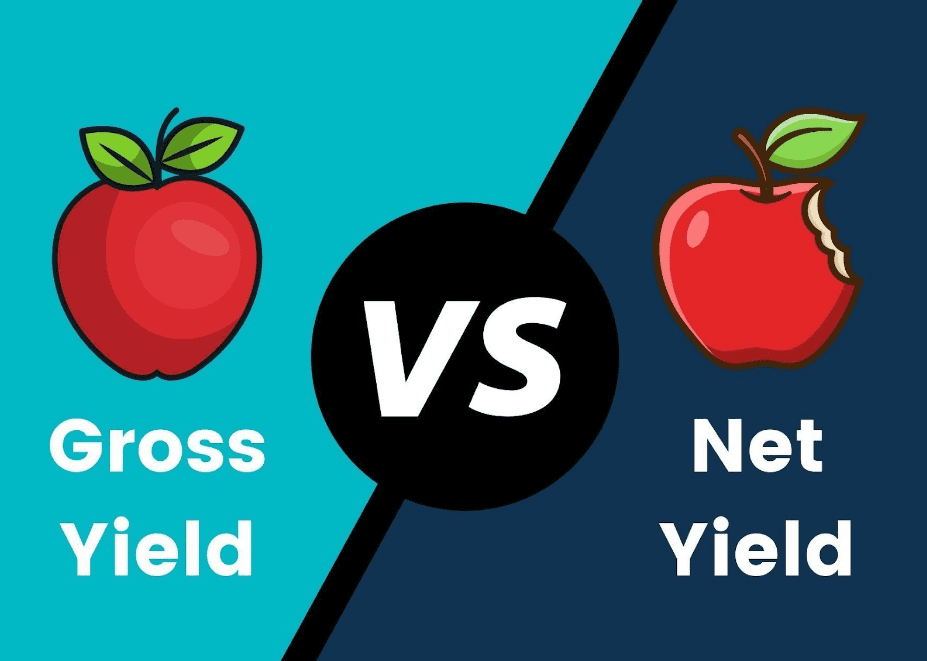
The single biggest mistake a new investor makes is looking only at the Gross Yield or Headline Yield. This is the return the fund manager’s underlying investments earn before deducting expenses and taxes. The figure you care about is the Net Effective Annual Yield (EAY).
Understanding the Calculation Components:
Yield Term
Definition
Impact on the Investor
Gross Yield
Total interest earned by the fund’s assets (T-Bills, FDs) before any deductions.
Misleading. It is the maximum potential but not the actual return you receive.
Management Fee
An annual fee charged by the Fund Manager for their professional services. (Typically 1.5% to 2.5% of the Assets Under Management, or AUM).
Crucial. This fee is deducted from the Gross Yield before the return is credited to your account. A lower fee significantly boosts your Net Yield.
Withholding Tax
A government tax on the interest income, currently 15% for MMFs in Kenya.
Mandatory Deduction. This is applied to the interest income portion of your return.
Net Yield (EAY)
The actual return rate you receive after all fees and taxes have been deducted.
The Only Figure that Matters. This is the real growth rate of your investment.
Example Data Table Comparison (Illustrative):
Fund Name
Gross Yield (Advertised)
Management Fee (Annual)
Net Yield (Approximate)
Fund A (High Fee)
$12.50\%$
$2.00\%$
$\approx 10.45\%$
Fund B (Low Fee)
$12.00\%$
$1.50\%$
$\approx 10.62\%$
Fund C (Top Performer)
$13.00\%$
$1.80\%$
$\approx 11.00\%$
Observation: Fund B, with a lower Gross Yield than Fund A, delivers a higher Net Yield due to its lower management fee. Always demand to know the Net Yield.
Accessibility and Flexibility: The Liquidity Test
Money Market Funds in Kenya are lauded for their high liquidity, but the specifics can vary between providers. Assess these three practical factors before committing:
Minimum Investment and Top-Up: MMFs have democratized investing by dramatically lowering the barrier to entry. Many popular MMFs have a minimum initial investment ranging from Ksh 100 to Ksh 5,000. This makes them perfect for students and those building an emergency fund.
Redemption (Withdrawal) Period: While most MMFs aim for a T+2 (Trade date plus two working days) settlement, many top providers now offer much faster turnaround, often within 24 to 48 hours. Look for funds with strong mobile integration (e.g., M-Pesa direct transfers), as these often offer the fastest liquidity.
Withdrawal Fees/Penalties: Most reputable Money Market Funds do not charge redemption or withdrawal fees. However, some might charge a nominal fee for excessive or instant withdrawals. Ensure the fund has “zero preliminary charges or redemption fees” for standard transactions.
Key Requirement: The best MMFs are those that allow for seamless, fee-free transactions directly from your mobile phone or bank account, reinforcing their role as a highly accessible investment vehicle.
Top MMF Performance & Full Comparison Factors (2025)
The best Money Market Funds (MMF) is a balance of high net yield, low fees, and investor-friendly terms. Below is a summary of the additional factors to consider and a comparative snapshot of recent top performers in the Kenyan market (KES).
Key MMF Comparison Factors
Factor
Detail
Importance
Fund Manager Reputation
Look for Capital Markets Authority (CMA) regulated fund managers with a proven track record of stability and consistent performance.
High. Provides confidence in the fund’s management and compliance.
Fund Size (AUM)
A large Assets Under Management (AUM) indicates investor trust and allows the fund manager to negotiate better rates on bulk fixed deposits and securities.
Moderate to High. A large, diversified fund is generally more stable.
Risk Profile
MMFs are inherently low-risk as they invest in Treasury Bills, Fixed Deposits, and high-quality Commercial Paper. They are designed for capital preservation.
High. Confirms suitability for emergency funds and short-term savings. Note: They are not bank-insured.
Investment Portfolio
The fund’s asset mix (e.g., T-Bills vs. Corporate Paper) determines its yield and risk. A higher allocation to short-term government securities generally means lower risk.
Moderate. Check for diversification across stable instruments.
USD MMF Option
For investors with Dollar income or those seeking a currency hedge, checking for a Dollar Money Market Fund is a crucial factor.
Specific. Relevant for those with non-KES financial goals.
Comparative Snapshot of Top Money Market Funds in Kenya
While performance fluctuates daily, the following table summarizes the key metrics based on recent market reports (e.g., July 2025 performance data):
Fund Name
Average Net Yield (Approx.)
Annual Management Fee (p.a.)
Min. Initial Investment
Withdrawal Period (Liquidity)
Gulfcap MMF
$\approx 10.97\%$
N/A (Embedded)
N/A (Competitive)
High (Typically 1-3 days)
Cytonn MMF
$\approx 10.69\%$
N/A (Embedded)
$\approx \text{Ksh } 1,000$
High (Typically 1-3 days)
Lofty-Corban MMF
$\approx 10.19\%$
N/A (Embedded)
$\approx \text{Ksh } 1,000$
High (Quick withdrawals)
Kuza MMF (KES)
$\approx 10.06\%$
N/A (Embedded)
$\approx \text{Ksh } 5,000$
High (Quick withdrawals)
Etica MMF
$\approx 9.86\%$
N/A (Embedded)
$\approx \text{Ksh } 100$
Very High (Low barrier to entry)
Old Mutual MMF
$\approx 8.97\%$
N/A (Embedded)
$\approx \text{Ksh } 1,000$
High (Fee-free option available)
CIC MMF
$\approx 7.38\%$
$2.00\%$
$\approx \text{Ksh } 5,000$
High (Within 48 hours)
Disclaimer: Yields and ranking are based on specific past performance periods and can change. Always check the latest Net Effective Annual Yield (EAY) published by the fund manager before investing.
Security and Regulatory Oversight
A crucial aspect of selecting Money Market Funds in Kenya (MMF) is the security and the legal framework governing it. While MMFs are considered low-risk, it’s vital to understand the protections in place:
Not Bank Insured: Unlike deposits in a commercial bank, the principal in an MMF is not guaranteed by the Central Bank of Kenya (CBK) or the Kenya Deposit Insurance Corporation (KDIC). This means there is a negligible, non-zero risk of capital loss, although MMFs are designed to mitigate this.
CMA Regulation: All MMFs in Kenya operate as Unit Trusts and are regulated by the Capital Markets Authority (CMA). The CMA sets strict guidelines on asset allocation, requiring MMFs to invest only in highly liquid, short-term instruments like:
Government Treasury Bills (T-Bills) and Bonds
Fixed Deposits (FDs) in well-rated banks
High-quality Commercial Paper (short-term corporate debt)
Separation of Duties: The structure of a Unit Trust provides an extra layer of security. Your money is held by a Custodian (a separate bank), and the fund’s activities are overseen by a Trustee (a fiduciary institution), both of whom are distinct from the Fund Manager. This separation ensures checks and balances against fraud or mismanagement.
Role
Responsibility
Fund Manager
Invests the money to generate returns (e.g., Britam, CIC).
Custodian
Holds the fund’s assets in trust (safekeeping).
Trustee
Ensures the Fund Manager complies with the investment mandate and acts in the investors’ best interest.
Dollar Money Market Funds (USD MMFs)
For investors whose financial goals are denominated in US Dollars or who seek to hedge against the depreciation of the Kenyan Shilling (KES), Dollar Money Market Funds are an alternative.
Feature
KES Money Market Fund
USD Money Market Fund
Currency Risk
Exposed to KES inflation and depreciation.
Provides a hedge against KES depreciation.
Typical Returns
Generally higher in the current high-interest KES environment (e.g., $8-13\%$ Net p.a.).
Lower, more stable returns (e.g., $4-6\%$ Net p.a.).
Liquidity
Highly liquid (KES) and accessible via M-Pesa/Bank.
Redemptions typically wired to a USD bank account.
Tax Treatment
$\text{15\%}$ Withholding Tax on interest.
$\text{15\%}$ Withholding Tax on interest.
Recent performance data (July 2025) shows leading USD MMFs achieving net returns around 4.5% to 5.0% p.a., making them a reliable option for dollar-based savings.
Final Checklist for Choosing the Best MMF
To make an informed decision, an investor must apply a filter of these key metrics, always prioritizing the return you actually get.
Compare the Net Effective Annual Yield (EAY) first. (This is the return after management fees and the $15\%$ withholding tax).
Scrutinize the Management Fee. A lower fee (e.g., $1.5\%$ vs. $2.5\%$) can easily make a fund with a slightly lower gross yield perform better overall.
Check Accessibility and Liquidity. Choose a fund with a low minimum investment ($\text{Ksh } 100$ to $\text{Ksh } 1,000$) and a fast withdrawal period ($\text{24-48}$ hours) that is free of redemption penalties.
Confirm CMA Regulation. Always verify that the fund is licensed by the Capital Markets Authority.
Tax Implications and Efficiency
The final factor affecting your actual return from Money Market Funds in Kenya (MMF) is the regulatory tax environment.
Withholding Tax: In Kenya, the interest income earned from an MMF is subject to a $15\%$ Withholding Tax (WHT). This tax is automatically deducted by the fund manager before your interest is credited to your account.
Calculation: If your fund’s return rate is $12.0\%$ Gross, the net return before fees but after WHT is $12.0\% \times (1 – 0.15) = 10.20\%$. The Management Fee is then deducted from the gross return before this calculation.
Fund-Level Tax Efficiency: The fund manager’s decisions on portfolio allocation can affect the fund’s tax efficiency. For example, income from Treasury Bills (T-Bills) is currently exempt from WHT if the instrument is held for more than one year. However, MMFs, by their nature, focus on short-term instruments (less than one year), which means they are generally subject to the WHT.
The Role of Compounding
The true power of an MMF lies in the frequency of compounding.
Daily Interest: MMFs calculate interest on a daily basis. This means that every day, your return is computed on your principal plus the interest earned from all previous days.
Monthly Reinvestment: While interest is computed daily, it is typically credited to your account and officially reinvested (compounded) monthly.
The Power of Time: Choosing a fund with a slightly higher Net Effective Annual Yield (EAY) and allowing your returns to compound over time can lead to a significant difference in your total wealth compared to traditional savings accounts.
Compounding Example (Illustrative):
Fund
Initial Investment
Annual Net Yield
Value After 5 Years (Compounded Monthly)
High-Net MMF
$\text{Ksh } 100,000$
$11.0\%$
$\text{Ksh } 168,506$
Lower-Net MMF
$\text{Ksh } 100,000$
$9.0\%$
$\text{Ksh } 156,051$
The $\text{2\%}$ difference in net yield results in a $\text{Ksh } 12,455$ difference over five years on an initial $\text{Ksh } 100,000$ investment, underscoring why the final Net Yield is the most critical metric.
When to Choose an MMF
MMFs are ideal for a specific investor profile and financial goal:
Emergency Fund: Given the low risk and high liquidity ($\text{24-48}$ hours withdrawal), MMFs are the perfect home for your emergency savings, providing better returns than a standard bank savings account.
Short-Term Savings: If you are saving for a goal $\text{6}$ to $\text{24}$ months away (e.g., a down payment, school fees, or vacation), an MMF keeps your capital stable while earning competitive, inflation-beating returns.
Parking Idle Cash: Businesses or individuals holding a large amount of cash that is temporarily awaiting deployment into other investments (e.g., stocks, real estate) can park it in an MMF to continue earning interest.
First-Time Investor: The low minimum investment and simple, stable returns make MMFs a safe and educational starting point for new investors.
Advanced MMF Strategy: Diversification and Switching
As an MMF investor matures, they can employ more advanced strategies to optimize returns, even within this low-risk asset class. These strategies often revolve around fund diversification and dynamic switching between funds.
1. Diversification Across MMFs
While MMFs are low-risk, diversifying your investment across two or three top-performing funds can offer subtle advantages:
Averaging Out Performance: Different MMFs have different portfolio compositions and bank counterparties. By splitting your money, you protect yourself against a sudden, temporary dip in the yield of a single fund or poor management decisions. This averages your overall returns.
Accessing Different Rates: You can allocate a larger portion of your capital to the fund with the historically highest Net Effective Annual Yield (EAY) and a smaller portion to a fund managed by a large, established bank for maximum security.
Optimizing Liquidity: You can use one fund (e.g., one with a fast 24-hour M-Pesa withdrawal feature) strictly for your immediate emergency cash needs, while the bulk of your capital sits in a different fund that might offer a slightly higher return but a longer withdrawal period.
2. Strategic Fund Switching
Fund switching, or redemptions followed by a new subscription, is a strategy used to chase the highest returns, but it must be done carefully to avoid negating the gains.
The Yield Hunt: Given that MMF yields fluctuate daily, savvy investors monitor weekly and monthly performance reports. If a competitor fund consistently outperforms your current fund’s Net EAY by a significant margin (e.g., 100-150 basis points or $1.0\%-1.5\%$), it may be worth switching.
The Cost-Benefit Analysis: Before switching, factor in the time your money will be out of the market (the $\text{24-48}$ hour withdrawal period) versus the gain.
Rule of Thumb: A small, temporary spike in another fund’s yield is not a good reason to switch. You should only consider moving if the performance gap is consistent and substantial enough to outweigh the downtime and effort of switching accounts.
Avoiding Over-Trading: MMFs are designed for stability, not aggressive trading. Frequent switching can become cumbersome and lead to periods where your money is idle during the transfer process, eroding the benefit of the higher yield. Focus on checking performance trends every quarter rather than weekly fluctuations.
By applying these advanced strategies, investors can maximize the stable, low-risk nature of Money Market Funds in Kenya to ensure their liquid savings are working as hard as possible.
Outlook for Kenyan MMFs in the Near Term
The performance of Money Market Funds in Kenya (MMFs) is intrinsically linked to the prevailing interest rate environment and the government’s borrowing needs. Understanding the economic outlook can help predict how yields might trend.
Key Economic Drivers Affecting MMF Yields
Central Bank Rate (CBR): The CBR is the benchmark rate at which the Central Bank of Kenya (CBK) lends to commercial banks. When the CBK raises the CBR, it tightens liquidity, pushing up the yield on short-term government securities (like T-Bills), which MMFs invest in heavily. Conversely, a reduction in the CBR tends to lower MMF yields.
Government Domestic Borrowing: When the Kenyan government has high financing needs, it issues more Treasury Bills and Bonds at competitive rates to attract capital from the domestic market. This high demand for capital pushes the yield on these instruments higher, directly benefiting MMFs.
Inflation Rate: MMFs are considered a success if their Net Effective Annual Yield (EAY) consistently beats the annual inflation rate. If inflation rises, MMF yields generally need to rise to maintain their real return advantage. If inflation is tamed, the pressure to offer higher yields decreases.
Exchange Rate Stability: A stable or strengthening Kenyan Shilling (KES) reduces the need for the CBK to use high-interest rates to defend the currency. Stability often precedes a gradual lowering of interest rates, which could see MMF yields stabilize or slightly decline from their peaks.
Near-Term Projections
Based on the latest macroeconomic trends, the outlook for MMFs suggests stability at competitive levels, though likely off the highest peaks:
Yield Stabilization: Following periods of aggressive interest rate hikes aimed at taming inflation and stabilizing the exchange rate, the high yields seen in the recent past may begin to stabilize. MMF yields are expected to remain competitive ($\text{8-11\%}$ Net EAY) as the government’s borrowing appetite is still substantial, but further sharp increases are less likely unless the economic outlook changes significantly.
Continued Attractiveness: Even with potential stabilization, MMFs are expected to remain one of the most attractive investment options for low-risk, highly liquid KES savings, consistently outperforming traditional bank savings accounts and providing a positive real return (return above inflation).
Investors should remain vigilant and track the Central Bank’s Monetary Policy Committee (MPC) decisions, as these are the primary indicators for the short-term direction of MMF yields.
Advanced MMF Strategy: The Role of the Fund Manager
The expertise and operational integrity of the Fund Manager are often overlooked but are paramount to the sustained performance and security of Money Market Fund in Kenya (MMF).
1. Investment Strategy and Portfolio Management
A Fund Manager’s primary role is to execute the fund’s investment mandate, which is to achieve capital preservation and provide high liquidity while maximizing returns.
Asset Allocation: The manager determines the mix of assets the fund holds. A skilled manager actively adjusts this mix based on market conditions, for example:
Increasing allocation to Treasury Bills when government yields are rising sharply.
Increasing deposits in high-quality commercial banks (Fixed Deposits) when bank interest rates are particularly favorable.
Reducing exposure to less liquid or lower-rated Commercial Paper if credit risk in the corporate sector is rising.
Yield Consistency: The best managers prioritize consistent performance over chasing short-term spikes. They aim to deliver a steady, high Net Effective Annual Yield (EAY), which minimizes volatility and allows investors to reliably forecast their returns. A history of stable, top-quartile performance is a strong indicator of an effective management team.
2. Operational Due Diligence and Credit Risk
While MMFs are considered low-risk, they are not risk-free. The manager’s due diligence mitigates the primary risks:
Credit Risk Mitigation: The risk that an issuer (e.g., a bank or corporation) defaults on its debt is called credit risk. The manager must rigorously evaluate the creditworthiness of all counterparties where the fund places fixed deposits or buys commercial paper. The focus is exclusively on high-grade, blue-chip institutions with strong financial standing.
Liquidity Management: The manager must ensure there is always enough cash available to meet daily redemption (withdrawal) requests. This involves staggering the maturity dates of the fund’s assets so that a portion of the fund is always maturing and ready to be paid out without having to sell other assets prematurely at a loss.
3. Transparency and Communication
A reputable Fund Manager ensures full transparency to unit holders, going beyond minimum regulatory requirements.
Daily/Weekly Yield Disclosure: They should publicly and promptly disclose their fund’s daily effective yield or Net EAY.
Fund Fact Sheets: They regularly publish Fund Fact Sheets that detail the fund’s asset allocation (the percentage invested in T-Bills, bank deposits, etc.), the performance over various timeframes, and a clear breakdown of fees and charges. Investors should demand and review these documents.
In summary, choosing an MMF is as much about choosing a reliable and skilled Fund Manager as it is about chasing the highest advertised yield. The integrity of the manager is the final, non-quantifiable safeguard of your capital.
Advanced MMF Strategy: Integrating MMFs into a Broader Financial Plan
Money Market Funds in Kenya (MMF) should not exist in isolation; it functions best as a foundational component within a diversified, goal-oriented financial plan. Its role is highly specialized, primarily focusing on liquidity and capital preservation.
The Three-Bucket Approach to Financial Planning
Many financial planners use a “bucket” system where MMFs serve a critical function in the shortest-term bucket:
Purpose: Emergency fund, scheduled large payments (e.g., insurance premiums, tax bills, down-payments within the next year).
Investment:Money Market Funds and high-yield savings accounts.
Goal: Capital preservation and high accessibility. The priority is liquidity over high returns.
Bucket 2: Growth & Income (Medium-Term: 2-5 Years)
Purpose: Intermediate goals like saving for a car, home improvements, or bridging investments.
Investment: Balanced Mutual Funds (Equity and Bond mix), Fixed Deposit Receipts (FDRs), and some high-quality corporate bonds.
Goal: Moderate capital growth with moderate risk.
Bucket 3: Aggressive Growth (Long-Term: 5+ Years)
Purpose: Retirement, child’s university education, long-term wealth accumulation.
Investment: Equity Mutual Funds, Stocks (local and global), Real Estate Investment Trusts (REITs), and Government Securities Funds (Bond Funds).
Goal: Maximum capital appreciation; comfortable with higher volatility and risk.
MMF as a Strategic “Holding Tank”
Beyond just short-term savings, an MMF serves as a tactical tool for active investors:
Market Timing Buffer: If an investor sells a volatile asset like a stock or a growth fund, they can temporarily park the proceeds in an MMF. This cash earns a competitive yield while the investor waits for a better entry point or opportunity to reinvest. This avoids having large amounts of cash sitting idle in a non-interest-earning bank account.
Risk Management: In times of high market volatility (e.g., an economic crisis or sharp stock market decline), experienced investors often switch a portion of their high-risk assets (from Bucket 3) into the safety and liquidity of an MMF (Bucket 1). This defensive move is called “flight to safety.”
Systematic Investment Plans (SIPs): Many investors use an MMF as the funding source for a Systematic Withdrawal Plan (SWP) or Systematic Transfer Plan (STP) into riskier assets. Money is first deposited into the MMF and then automatically transferred in smaller, fixed amounts into an Equity Fund on a scheduled basis. This approach benefits from dollar-cost averaging while ensuring the unused portion of the investment capital continues to earn MMF returns.
By integrating the MMF strategically, investors recognize its value not just as a standalone savings vehicle, but as the essential, liquid anchor that supports the riskier, growth-oriented investments in the rest of their portfolio.
Common Myths and Misconceptions about MMFs
Despite their popularity, Money Market Funds in Kenya (MMFs) are often misunderstood. Dispelling these common myths is crucial for investors to have realistic expectations and use the product effectively.
Myth 1: MMFs are Exactly the Same as Bank Savings Accounts
Reality: While both offer liquidity, their risk profiles and regulation differ significantly.
Bank Savings Account: Is $\text{100\%}$ guaranteed by the bank and insured by the Kenya Deposit Insurance Corporation (KDIC) up to a certain limit ($\text{Ksh } 500,000$). The interest rate is typically very low ($\text{2-5\%}$ p.a.) and often does not beat inflation.
MMF: Is not bank-insured. Capital is not $\text{100\%}$ guaranteed, though the risk is extremely low due to regulatory oversight and conservative investment in high-quality instruments. The trade-off is a significantly higher yield ($\text{8-11\%}$+ Net EAY). MMFs are regulated by the CMA, not the CBK (for deposits).
Myth 2: MMFs Offer Guaranteed Returns
Reality: MMFs do not offer a guaranteed return. The return is variable and fluctuates daily based on the performance of the underlying assets (Treasury Bills, Fixed Deposits, etc.).
The yield can increase if interest rates rise or decrease if interest rates fall.
However, the fund manager’s focus on short-term, stable securities means the unit price is almost always maintained at $\text{Ksh } 1.00$, effectively preserving the principal capital. The variability is in the interest earned, not the initial capital.
Myth 3: High Yields Mean High Risk
Reality: For MMFs, this is generally false when comparing them to other investment classes like stocks or long-term bonds.
MMFs maintain low risk because they are legally restricted to only investing in highly creditworthy and short-term instruments. A fund manager cannot suddenly shift the portfolio into volatile equities or high-risk corporate debt.
Differences in yield among top MMFs (e.g., $10.5\%$ vs. $9.5\%$) are usually due to the manager’s skill in negotiating better rates on fixed deposits or being more tactical in buying government securities, not necessarily taking on substantially more credit risk.
Myth 4: MMFs Lock Up Your Money
Reality: MMFs are highly liquid. They are specifically designed to offer liquidity superior to other investment products like fixed deposits or long-term bonds.
While redemption is not instantaneous like a bank ATM withdrawal, most funds offer fast processing, typically within $\text{24-48}$ hours, with many funds offering M-Pesa withdrawals for smaller amounts within a few minutes or hours.
There are usually no penalties or charges for withdrawing your money, regardless of how long you’ve held it, a major advantage over breaking a bank fixed deposit.
Practical Steps to Start Investing in a Kenyan MMF
Getting started with an MMF is straightforward due to the digital nature of most funds today:
Research and Select: Choose a fund based on the highest Net Effective Annual Yield (EAY), low minimum entry, and strong Fund Manager reputation.
Account Opening: Visit the fund manager’s website or download their app. You will typically need your National ID/Passport and KRA PIN. The process is often fully digital and takes only a few minutes.
Fund Your Account: Transfer your initial investment from your bank account or via M-Pesa to the fund’s designated paybill number or bank account. Note the minimum initial amount (often as low as $\text{Ksh } 100$ to $\text{Ksh } 5,000$).
Confirmation and Tracking: You will receive a confirmation of your unit purchase. Your balance and daily interest earnings can be tracked via the fund manager’s app, USSD code, or online portal.
Set Up Top-Ups: Establish a standing order with your bank or set a regular reminder to make periodic top-ups to maximize the power of compounding.
The Future of MMFs: Digitization and Technology
The landscape of Money Market Funds in Kenya (MMFs)is rapidly being transformed by technology, making them more accessible, transparent, and user-friendly for the average investor.
H6: Mobile and Digital Access
Mobile Wallets and USSD Integration: The integration of MMFs with mobile money platforms like M-Pesa is arguably the most significant technological leap. This allows investors to:
Fund their MMF instantly via a paybill number, bypassing bank queues or paperwork.
Make immediate, small-amount withdrawals (up to daily limits) using a USSD code or a mobile application, significantly boosting liquidity and making the MMF function like an advanced digital savings wallet.
Dedicated Investment Apps: Most leading fund managers now provide comprehensive mobile apps that act as the primary interface for investors. These apps allow users to:
Open an account digitally in minutes (e.g., uploading ID and KRA PIN photos).
Track their daily interest earnings and monitor the current Net Effective Annual Yield (EAY) in real-time.
Set up automated top-ups or systematic investment plans (SIPs) from their bank or mobile wallet.
H6: Robo-Advisory and Financial Inclusion
Automated Financial Guidance: Newer “Wealth-Tech” firms are incorporating basic robo-advisory features. These tools often ask simple questions about an investor’s goals and risk tolerance and then automatically suggest the optimal MMF or fund mix. While this is basic for MMFs, it lowers the barrier to entry for first-time investors who feel intimidated by traditional finance.
Fractional Investing and Low Minimums: Technology has enabled fund managers to lower minimum investment thresholds dramatically—some to as low as $\text{Ksh } 100$. This level of fractional investing has brought formal financial markets within reach of millions of previously unserved Kenyans, accelerating financial inclusion.
Enhanced Transparency: Digital platforms provide instant access to Fund Fact Sheets and performance disclosures. This unprecedented level of transparency puts power into the hands of the investor, allowing them to compare real-time net yields and hold fund managers accountable for performance.
The continued digital evolution ensures that MMFs will remain the default, most convenient, and most accessible entry point for retail investors seeking competitive, low-risk returns in the Kenyan financial market.
Tax Efficiency and Fund Structures
While MMFs are generally taxed uniformly (the $\text{15\%}$ Withholding Tax), some differences in fund structure can subtly affect the overall tax efficiency and compliance burden for the investor.
1. Withholding Tax (WHT) and Compliance
Fund Manager’s Role: For retail investors, the fund manager acts as the tax collection agent. They are responsible for calculating, deducting, and remitting the $\text{15\%}$ WHT to the Kenya Revenue Authority (KRA) before the net interest is credited to the investor’s account. This means the individual investor has no further tax obligation on the MMF interest income, simplifying their annual tax filing.
WHT on Treasury Instruments: The WHT is applied to the interest earned from all underlying assets, including Treasury Bills and Treasury Bonds. While some long-term T-Bonds may be tax-exempt at the source, MMFs primarily invest in short-term T-Bills and corporate debt, making the WHT unavoidable on the interest income.
2. KES MMFs vs. Specialised Funds (Shariah Compliant)
The core MMF structure is largely standardized, but some funds cater to specific needs, which can impact how returns are labeled:
Standard KES MMFs: These funds operate under conventional finance principles, investing in interest-bearing assets. Returns are clearly defined as ‘Yield’ or ‘Interest’.
Shariah-Compliant MMFs: These funds adhere to Islamic principles, prohibiting investment in interest-based (Riba) or unethical businesses.
Investment Focus: They invest in Murabaha, Sukuk (Islamic bonds), and Shariah-compliant equities.
Return Labeling: Returns are labeled as ‘Profit’ or ‘Expected Profit’ rather than interest, reflecting the ethical nature of the earnings.
Tax Impact: Despite the different labeling, the income generated from these funds is generally still treated as investment income for tax purposes and is subject to the same $\text{15\%}$ WHT as conventional MMFs, ensuring parity in tax treatment.
3. Capital Gains Tax (CGT) Exclusion
A critical tax advantage of MMFs lies in their structure:
No CGT: MMFs are designed to maintain a stable unit price (usually pegged at $\text{Ksh } 1.00$). The investor’s gain is derived solely from the interest/yield. Since there is no change in the value of the unit itself, the investment is not subject to Capital Gains Tax (CGT) upon redemption, further simplifying the tax life of the investor. CGT is typically reserved for gains realised from the sale of assets like stocks or real estate.
This simplified tax regime is one of the key reasons MMFs are preferred for short-term savings—investors know exactly what their final, take-home net yield will be without complex annual tax calculations.
Portfolio Diversification within MMFs
The core security of Money Market Funds in Kenya (MMF) comes from the diversification of the underlying assets. While an MMF is restricted to low-risk instruments, the quality and variety of these instruments are critical to both yield and stability.
1. Asset Classes and Risk Allocation
A well-managed MMF typically structures its portfolio across several high-grade, short-term asset classes:
Treasury Bills (T-Bills): These are short-term debt instruments issued by the Central Bank of Kenya (CBK) on behalf of the government. They carry the lowest credit risk (virtually zero, as they are government-backed). MMFs allocate a significant portion here for safety and high liquidity.
Fixed Deposits (FDs) in Commercial Banks: MMFs place large, short-term deposits in various commercial banks. The fund manager conducts due diligence to ensure these banks are highly rated and financially stable. Diversifying across multiple banks mitigates the risk of a single bank failure.
High-Quality Commercial Paper (CP): This refers to unsecured, short-term promissory notes issued by large, reputable corporations to fund their working capital needs. CPs offer a higher yield than T-Bills but carry a slightly elevated credit risk (the risk the company defaults). MMFs strictly limit their exposure to only the strongest corporate issuers.
Near-Cash Holdings: A small portion of the fund is held in highly liquid accounts to meet immediate redemption demands. This ensures the fund can process withdrawals quickly without having to sell other assets.
2. Managerial Skill in Diversification
The difference between a top-performing MMF and an average one often lies in the manager’s ability to navigate the trade-off between risk and reward within these constraints:
Yield Enhancement: A manager may tactically increase the allocation to high-yield instruments like well-vetted Commercial Paper or fixed deposits in smaller, financially sound banks if the compensation (higher interest rate) justifies the slight increase in risk.
Risk Mitigation: During periods of economic uncertainty or banking sector stress, a prudent manager will reduce exposure to corporate paper and bank deposits, shifting the majority of the fund into the safety of T-Bills, even if it temporarily reduces the fund’s yield.
This dynamic portfolio rebalancing is what allows MMFs to maintain their low-risk profile while remaining responsive to market changes, ensuring that the pooled capital is constantly optimized for the investor. The diversification within the fund itself acts as the primary risk management tool, preventing the investor’s entire capital from being exposed to the default of a single issuer.
The Impact of Fintech on MMF Accessibility and Adoption
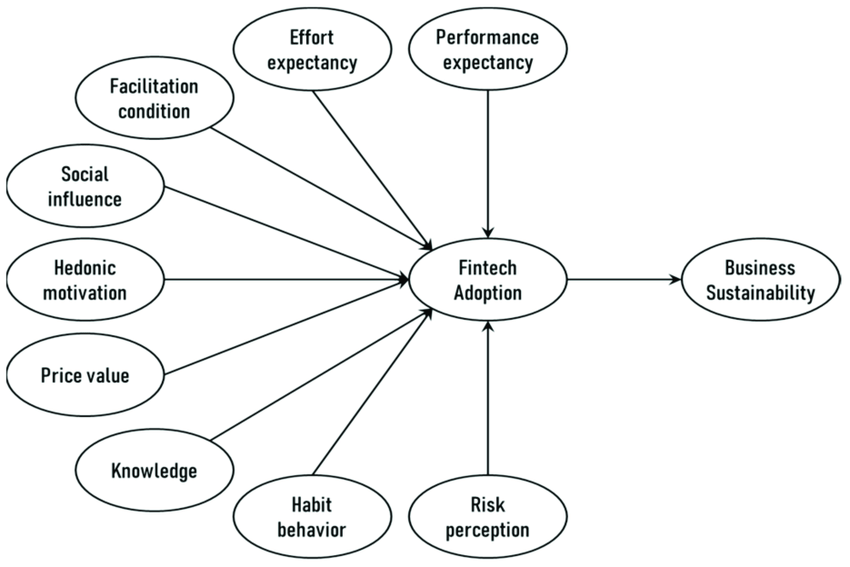
The rapid growth and increased adoption of Money Market Funds in Kenya (MMFs) are closely tied to the rise of Financial Technology (Fintech), which has fundamentally changed how retail investors interact with these products.
1. Lowering Transaction Costs and Friction
Digital Onboarding: Traditional MMF sign-up processes involved physical paperwork and office visits. Fintech has replaced this with seamless digital onboarding via mobile apps and websites, which eliminates geographical barriers and significantly reduces the fund manager’s operational costs.
M-Pesa Integration: The partnership between MMFs and mobile money platforms has reduced the effective cost of investing. Instead of paying bank transfer fees, investors can use low-cost M-Pesa paybill services, making frequent, smaller top-ups financially viable. This encourages Systematic Investment Plans (SIPs) for a wider population.
Zero Redemption Fees: To remain competitive in the digital space, most leading MMFs have eliminated redemption (withdrawal) fees. This promotes liquidity and aligns MMFs more closely with the operational freedom of a digital savings account.
2. Investor Education and Transparency
Gamification and Simplicity: Fintech platforms often use simple, visually appealing interfaces and educational tools to explain MMF concepts like “net yield” and “compounding.” This demystifies investing, targeting younger demographics and first-time investors who might otherwise be intimidated by financial jargon.
Real-Time Data: Technology enables the instantaneous display of the fund’s Net Effective Annual Yield (EAY) and account balance. This unprecedented transparency builds trust and allows investors to compare performance across different funds easily and in real-time.
3. Competition and Innovation
New Entrants: Fintech has lowered the barrier for new fund managers to enter the market. Newer, tech-focused MMFs often challenge established players by offering slightly higher yields, lower minimums (e.g., $\text{Ksh } 100$), or specialized withdrawal features (e.g., instant bank or mobile wallet transfers), which fosters healthy competition and drives innovation across the sector.
Personalized Notifications: Digital platforms use data analytics to send investors personalized alerts, such as reminders for monthly top-ups, notifications on daily interest earned, or alerts if the fund’s yield drops significantly. This helps investors stay engaged and manage their investments proactively.
In essence, Fintech has successfully re-positioned the MMF from an exclusive financial product to a mass-market digital savings tool, making it the bedrock of low-risk personal finance for millions of Kenyans.
Final Summary and Investment Recommendation
The Money Market Fund (MMF) remains the best starting point and the most reliable vehicle for liquid, low-risk savings in the Kenyan market. Its utility is defined by its superior blend of returns, accessibility, and security compared to traditional bank savings options.
Key Takeaways for the Investor:
Prioritize Net Yield: The absolute most important metric is the Net Effective Annual Yield (EAY). This is the real return you receive after all management fees and the $\text{15\%}$ Withholding Tax have been deducted. Always select a fund consistently ranking in the top quartile (currently above $9.5\%$ net).
Evaluate Liquidity: Choose a fund that offers seamless, $\text{24-48}$ hour withdrawal processing, ideally with M-Pesa integration for emergency access to small amounts. Avoid any fund with high or hidden redemption fees.
Trust the Structure: MMFs are protected by the CMA regulatory framework and the separation of the Fund Manager, Trustee, and Custodian. While not bank-insured, the mandatory diversification into T-Bills and high-grade fixed deposits makes the risk of capital loss negligible.
Embrace Compounding: Given that interest is calculated daily and credited frequently (usually monthly), the MMF is a powerful tool for generating passive income. Consistency in small, regular top-ups will significantly accelerate wealth accumulation through compounding.
Strategic Role: Position the MMF as the “safety anchor” in your financial plan—the ideal home for your emergency fund (3-6 months’ expenses) and for any cash saved for goals within the next two years.
Final Investment Recommendation
For the retail Kenyan investor Like Host Kenya and Marsha Creatives seeking to maximize the yield on their liquid savings in the current market environment (2025):
Action: Allocate the majority of your emergency and short-term savings to an MMF that has consistently demonstrated a Net Effective Annual Yield (EAY) above the current market average.
Recommendation: Verify the latest performance reports and choose from the top-tier funds (e.g., Gulfcap, Cytonn, Lofty-Corban, or Etica MMF) known for their competitive yields and low minimum entry requirements.
Review: Re-evaluate the fund’s net performance and the economic outlook (CBR and T-Bill rates) every quarter to ensure your chosen MMF is still performing optimally relative to its peers.