
I. Introduction: The Vibrant Landscape for Small Business in Kenya
Kenya is widely recognized as the economic powerhouse of East Africa, driven largely by the innovation and resilience of its entrepreneurial class. The appetite for starting a small business in Kenya has never been higher, fueled by a youthful, highly-connected population and a government increasingly focused on digital transformation and supporting the hustle economy.

Establishing a small business here offers immense opportunities but requires a clear, strategic roadmap to navigate the regulatory environment and the competitive market.
This comprehensive guide is designed to provide aspiring and new entrepreneurs with the complete blueprint for successfully launching, formalizing, and scaling a profitable small business in Kenya in 2025. We will move step-by-step from idea generation and market validation right through to crucial legal compliance and financing strategies.
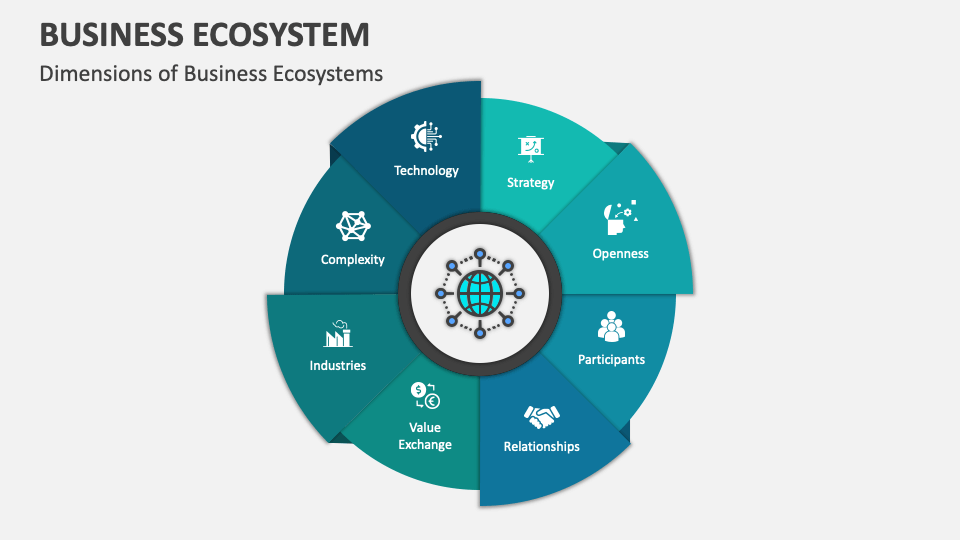
A. Defining the Small Business Ecosystem
In Kenya, the micro, small, and medium enterprises (MSME) sector is the backbone of the economy. According to official government statistics, Small Business accounts for:
- Over 80% of total employment outside the public sector.
- Approximately 33.8% of the Gross Domestic Product (GDP).
Legally, a small business in Kenya typically falls into the definition of enterprises with:
- Employment: Between 10 and 50 employees.
- Annual Turnover: Between KES 500,000 and KES 5 million.
Understanding where your venture falls within this classification is vital, as it determines your tax obligations, access to government support programs, and required business licenses. The growth potential for a successful small business operating within this dynamic economy is tremendous.
B. Why 2025 is the Right Time to Launch Your Small Business
Several factors converge to make the current environment exceptionally favorable for a new small business venture:
- Digital Adoption: Kenya’s digital infrastructure is mature. Services like eCitizen have simplified government processes, and mobile money (M-Pesa) makes transactions instantaneous. Any new small business must capitalize on this digital-first environment.
- Youth Dividend: A vast and highly educated youth population provides both an energetic workforce and a massive consumer base eager for modern, accessible products and services.
- Government Support: Initiatives like the Ajira Digital Programme and the Hustler Fund (targeting micro and small businesses) reflect a national policy supporting entrepreneurial growth and reducing financial barriers to starting a small business.
- Local Sourcing: Post-pandemic, there is a renewed focus on local supply chains and Kenyan-made products, giving local small business owners a competitive edge over imports.
Quote: “The strength of a nation lies in the hands of its entrepreneurs, those daring enough to convert ideas into thriving realities. In Kenya, the hustle is not just survival; it is innovation.” – A leading Kenyan economist on the MSME sector’s vital role.
This introductory section sets the stage, firmly establishing the importance of the small business sector and the opportune timing for new ventures in the Kenyan market.
II. Idea Generation and Market Validation: Finding Your Niche in Kenya
The first and most critical step in starting a successful small business in Kenya is moving beyond a generic idea to a validated market opportunity. The Kenyan market is vast and competitive, meaning success lies in identifying a specific problem that you can solve better than anyone else. This section focuses on generating robust ideas and rigorously testing them against local market realities.

A. Discovering High-Potential Small Business Ideas
Forget starting a business purely because it sounds cool. Focus on the country’s economic and social pain points and the high-growth sectors. Here are some of the most viable and profitable small business ideas in Kenya for 2025, categorized by capital requirement and market trend:
| Sector | High-Potential Business Idea | Key Market Driver in Kenya | Startup Capital (Est.) |
| Digital | Digital Marketing/Content Creation Agency (SME Focus) | The massive shift of local small business to online platforms. | Low (Skill-based) |
| Agribusiness | Value-Addition (e.g., Avocado oil, honey processing, organic farming) | Growing local and export demand for organic/healthy, value-added products. | Medium |
| Logistics/Transport | Last-Mile Courier Service (Motorcycle/Boda Boda fleet) | The boom in e-commerce and the need for fast delivery in urban areas. | Low to Medium |
| Services | Mobile Car Wash and Detailing Service | Rising car ownership and demand for convenience among busy urban professionals. | Low |
| Retail | Niche Mitumba (Second-hand) Boutique (Online & Physical) | High demand for affordable, high-quality fashion, optimized by social media. | Low |
| Fintech/Tech | Tech Repair and Maintenance Services (Phones/Laptops) | High penetration of electronics, creating a constant need for repair services. | Low (Skill & tools) |
🔑 Focus on the Problem: Your business idea must address a clear need. For example, instead of “starting a bakery,” focus on the problem: “Busy Nairobi professionals need quick, healthy, and affordable lunch options delivered to their offices.” This leads to a niche like a ‘Healthy Corporate Lunch Box Delivery Service.’
B. The Crucial Step: Market Research and Validation
An untested assumption is the biggest risk to a small business. Validation is the process of proving that people are willing to pay for your solution.
1. Defining Your Target Customer
You cannot sell to “everyone.” Define your Customer Persona based on specific Kenyan metrics:
- Location: Which Estate (e.g., Kilimani, Thika Road) or County?
- Income Level: Low-income (targeting volume/affordability) or Middle/High-income (targeting quality/convenience)?
- Behavior: Do they use M-Pesa heavily? Are they active on social media?
2. Conducting Localized Market Research
Use a blend of primary and secondary research:
- Secondary Research: Gather existing data.
- KRA Data: Look at sectors with high tax registration growth.
- KNBS Reports: Find data on population demographics and industry trends.
- Google Trends: Check the search volume for keywords related to your product (e.g., “best courier service Nairobi”).
- Primary Research (The Real Test): Get feedback from the street.
- Interviews/Surveys: Talk to at least 20 potential customers. Ask about their pain points, not your solution. For example, “How often do you struggle to get your laundry done?”
- Competitor Analysis: Visit your top 3 competitors. What are their prices? Their strengths? Their weaknesses? Look for the “gap” where your small business can differentiate itself (e.g., better customer service, faster delivery, unique product).
3. The Minimum Viable Product (MVP) Test
An MVP is the simplest version of your product that allows you to collect the maximum amount of validated learning with the least effort.
| Business Idea Example | Simple MVP Test in Kenya | Validation Signal |
| Tailoring/Fashion | Sew five unique pieces. Post them on Instagram/WhatsApp. See how many people ask for the price/custom order. | Customers pre-order and pay a deposit. |
| Courier Service | Use one Boda Boda you hire daily. Personally manage 5 deliveries for a week, charging full price. | Customers provide a positive testimonial and request a repeat service. |
| Online Groceries | List 10 items on a WhatsApp group. Take orders and manually deliver them from the local market. | Customers willingly pay a delivery fee on top of the product price. |
Key Takeaway: Validation is only complete when a customer pays for your solution. A compliment (“That’s a great idea!”) is not validation; cash is.
Legal and Regulatory Compliance: Formalizing Your Small Business in Kenya
Once your small business idea is validated, the next crucial phase is to formalize it. Operating legally in Kenya protects you, gives you access to official tenders and financing, and builds trust with customers. The Kenyan government has streamlined many processes through the online eCitizen platform.
A. Business Registration through eCitizen
All official business registrations are managed via the Business Registration Service (BRS) on the eCitizen platform.
1. Choosing the Right Legal Structure
For a small business in Kenya, the two most common structures are:
| Structure | Definition & Key Features | Suitability for Small Business |
| Sole Proprietorship | Owned and run by one individual. The owner and business are legally the same entity like Host Kenya and Marsha Creatives | Ideal for the smallest ventures (e.g., freelance, single service provider, kiosk). Lowest cost and simplest setup. |
| Limited Company (LTD) | A separate legal entity from its owners (shareholders). Liability of owners is limited to their shares like Safaricom | Recommended for businesses planning to scale, seek investment, or handle significant commercial risk. |
2. The Registration Process
You will need a valid KRA PIN and a Kenyan National ID (or passport for foreigners).
- Name Search: Submit three preferred business names on the BRS portal via eCitizen. This process is often merged with the registration application.
- Application: Complete the online application form, providing details of the business address, nature of business, and directors/proprietors.
- Documentation: For a Limited Company, you will need documents like the Memorandum and Articles of Association (often standardized templates are available, or a lawyer can draft them).
- Payment and Issuance: Pay the required fee (which varies by structure). The registration certificate is usually processed quickly and available for download on your BRS eCitizen portal.
Note: A Limited Company director/shareholder must also be registered on the KRA iTax platform.
B. Tax Compliance with the Kenya Revenue Authority (KRA)
Every registered small business must be tax compliant from day one.

1. Obtaining a Business KRA PIN
When you register a Limited Company, KRA automatically generates a separate Corporate PIN linked to the company’s registration number. For a Sole Proprietorship, you use your personal KRA PIN, but you must register the specific business obligation.
2. Applicable Small Business Taxes (H4)
For the typical Kenyan small business falling under the MSME definition, the main taxes are:
- Turnover Tax (TOT): Paid monthly, levied at 3% on gross receipts of businesses with an annual turnover of between KES 1 million and KES 25 million.
- Value Added Tax (VAT): Businesses with an annual turnover exceeding KES 5 million must register for VAT (currently 16%) and charge it on taxable goods/services.
- Pay As You Earn (PAYE): Applicable if you hire employees.
- Income Tax (Corporation/Individual): Applied to net profit (if the TOT threshold is exceeded).
3. The eTIMS Requirement
All persons engaged in business, including small business entities under TOT or those not VAT registered, are required to onboard the eTIMS (electronic Tax Invoice Management System) and issue electronic tax invoices. KRA provides free software solutions for this to simplify compliance and reduce costs.
C. Licensing and Permits
While business registration is national, licenses and permits are usually handled at the County Government level.
- Single Business Permit (SBP): This is the most essential license required to legally operate a physical premises. It is issued by the respective County Government (e.g., Nairobi City County, Mombasa County). The fee is determined by the size of the business, location, and nature of the activity.
- Sector-Specific Licenses: Depending on your business, you may need additional certification or permits:
- Food/Hospitality: Public Health Certificate.
- Manufacturing/Products: Kenya Bureau of Standards (KEBS) Certification (Standardization Mark or Diamond Mark) to prove product quality and safety. This is critical for selling manufactured goods.
- Financial/Security Services: Licenses from bodies like the Central Bank of Kenya (CBK) or Private Security Regulatory Authority (PSRA).
Navigating these steps correctly ensures your small business foundation is solid, legally compliant, and ready for growth.
IV. Funding Your Small Business in Kenya
Securing capital is often the biggest hurdle for small businesses (SMEs) in Kenya. Fortunately, there’s a range of financing options, from traditional loans to modern digital solutions and investment.

A. Debt Financing: Loans and Credit Facilities
Debt financing requires you to repay the borrowed amount, usually with interest, but allows you to retain 100% ownership of your business.
1. Traditional Banks and Microfinance Institutions (MFIs)
- Commercial Banks (e.g., Equity Bank, KCB): They offer various SME-specific loans, including Working Capital Loans and Asset Financing. They often require collateral (like land title deeds, motor vehicles, or fixed deposits) and a track record of good financial records (bank statements, financial reports).
- Microfinance Banks (MFBs) & SACCOs (e.g., Faulu MFB, Caritas MFB): These institutions are often more accessible to smaller enterprises and startups.
- They frequently offer unsecured or partially secured loans (up to a certain limit, sometimes secured by chattels like business stock or household assets).
- Many also provide LPO/LSO Financing (financing against a confirmed Local Purchase Order or Service Order) and Invoice Discounting for businesses that deal with tenders and credit sales.
2. Digital and Mobile Lending (H4)
- Mobile-Based Loans: Services like M-Shwari, KCB M-PESA, and other digital credit providers offer quick, unsecured micro-loans disbursed directly to your mobile wallet. These are best suited for very small, urgent working capital needs.
- Fintech Lenders (e.g., Pesapal Credit, Pezesha): These platforms use your business transaction data (like payment collection history or M-PESA statements) to assess creditworthiness, often offering small business loans without traditional collateral or guarantors. The process is typically 100% digital and faster than a bank.
B. Government and Institutional Programs
The Kenyan government and various development agencies run specific programs to support SMEs, often involving non-repayable grants or subsidized loans.
| Program Type | Target Group & Focus | Example/Feature |
| Youth/Women Funds | Designed to support entrepreneurship among specific demographics, often requiring minimal collateral. | Government-run funds like the Youth Enterprise Development Fund (YEDF) and Women Enterprise Fund (WEF). |
| Grants and Accelerators | Non-repayable funds awarded to innovative or high-impact businesses. | Local and international donor-funded programs (e.g., those from USADF, Stanbic Kenya Foundation, or tech accelerators like Standard Chartered Women in Tech Accelerator). |
| Sector-Specific Funds | Funds targeting key economic areas like agriculture, technology, or manufacturing. | Programs like the REACT Kenya Programme (targeting clean energy/technology solutions). |
Tip: Keep an eye on the Micro and Small Enterprise Authority (MSEA) and official development agency websites for current application calls.
C. Equity Financing: Selling a Stake
If you have a high-growth, scalable idea, you may consider selling a portion of your business in exchange for capital and expertise.
- Angel Investors: These are wealthy individuals who invest their personal money in early-stage startups.
- Benefit: They provide seed capital when banks won’t, and they often bring hands-on mentorship, industry expertise, and valuable networks.
- Trade-off: You give up a share of equity (ownership) in your company.
- Venture Capital (VC) Firms: These firms manage pooled funds from large investors and focus on businesses that have proven their model (early-stage to growth stage) and show potential for massive, scalable returns (e.g., technology startups).
- Benefit: They provide larger capital injections and strategic guidance for rapid expansion.
- Trade-off: They take a larger, more structured equity stake and often demand a seat on the board of directors.
The most common way for a Kenyan small business to begin is through “Bootstrapping” (self-funding from personal savings and early sales) and “Friends, Family, and Fools (3Fs)” funding, before approaching the structured options above.
V. Business Operations: Technology, Marketing, and Customer Service
The survival and growth of a small business in the modern Kenyan market depend heavily on integrating digital tools into operations and customer engagement.
A. Essential Technology Tools for Kenyan SMEs
Moving beyond manual processes is critical for efficiency, cost reduction, and scalability.

- 1. Digital Payment Platforms (The Kenyan Cornerstone):
- M-PESA Integration: This is non-negotiable. Use official business solutions like M-PESA Business Till (Buy Goods) or M-PESA PayBill to separate business income from personal funds, provide transaction records, and build a digital financial trail for potential loans. The new Pochi La Biashara service also helps micro-businesses formally receive payments.
- Benefits: Instant transactions, security, wider market reach (since nearly all Kenyans use M-PESA), and automated reconciliation via API integration with other systems.
- 2. Financial Management and ERP:
- Cloud-Based Accounting: Tools like QuickBooks Online or Xero streamline invoicing, expense tracking, and financial reporting, replacing error-prone spreadsheets.
- Enterprise Resource Planning (ERP): For growing SMEs, ERP systems (like affordable, tailored versions of Odoo or ERPNext) integrate sales, inventory, accounting, and HR into one platform, providing real-time insights and ensuring compliance with local requirements like KRA e-TIMS.
- 3. Inventory and Sales Management:
- Point-of-Sale (POS) Systems: Modern, mobile-friendly POS systems (often integrated with the accounting and M-PESA platforms) help track daily sales, manage stock levels, and minimize theft or stockouts.
- E-commerce Platforms: Use local platforms like Jumia or global ones like Shopify to sell products online and reach a wider audience beyond your physical location.
B. Digital Marketing Strategies in the Local Context
An effective digital strategy for a Kenyan SME must be local, mobile-first, and highly engaging.
| Strategy | Focus Area | Key Action for Kenyan SMEs |
| Local Search Engine Optimization (SEO) | Visibility for nearby customers. | Claim and optimize your Google Business Profile (GBP); encourage local reviews; use local keywords (e.g., “bakery in Lavington,” “hardware Kisumu”) on your website. |
| Social Media & Content | Building trust and community. | Focus on Facebook and WhatsApp Business (high engagement platforms in Kenya). Use short-form videos (TikTok/Reels) to showcase products and behind-the-scenes content. |
| Paid Advertising (PPC) | Targeted reach with a controlled budget. | Use Meta Ads (Facebook/Instagram) to target specific demographics and locations (e.g., age, interests, and county/sub-county) for efficient spending. |
| Messaging & CRM | Direct communication and relationship building. | Use WhatsApp Business Catalogs for direct sales and Broadcast Lists for promotional updates. Implement a basic Customer Relationship Management (CRM) tool (like HubSpot’s free plan) to track leads and customer history. |
C. Customer Service Excellence
In the highly connected Kenyan market, your customer service is often public, requiring promptness and empathy, especially on mobile platforms.

- Be Instant (Reply Promptly): Customers expect rapid responses, especially via WhatsApp and social media in Kenya. Use automated responses for out-of-hours inquiries, but ensure a personal follow-up soon after.
- Handle Complaints Professionally: Acknowledge negative feedback publicly, but move the conversation to a private channel (Direct Message or phone call) to resolve the issue. Your public response demonstrates that you care.
- Personalization and Engagement: Use the customer’s name and reference their history (if applicable). Use social media not just for selling, but for genuine interaction—running polls, Q&A sessions, and responding to comments to build a loyal community.
- Feedback Loop: Actively encourage and collect feedback via Google Reviews, social media polls, and direct messages. Use this data to continually improve your product or service.
- Key Compliance Requirements for SMEs in Kenya
Small and Medium-sized Enterprises (SMEs) in Kenya must adhere to regulations across multiple government agencies, primarily facilitated through the eCitizen portal.
1. Business Registration and Licensing 📝
The process of officially starting a business typically involves:
Business Name Reservation: Check for and reserve your preferred business name through the Business Registration Service (BRS). This step is often merged with the registration application. - Business Registration/Incorporation: Register the business as a Sole Proprietorship, Partnership, or a Limited Company with the BRS via the eCitizen platform. You’ll receive a Certificate of Registration or Incorporation.
Tax Registration (KRA PIN): Obtain a Kenya Revenue Authority (KRA) Personal Identification Number (PIN) for the business (if a company or partnership) or update your individual PIN for business purposes (if a sole proprietorship) through the KRA iTax portal.
County Business Permit (Single Business Permit): Apply for an annual operating license from the respective County Government (e.g., Nairobi County). This permit consolidates various local licenses.
2. Tax Compliance Requirements 💸
SMEs must register for and comply with various KRA tax obligations:
A. Income Tax (Corporation Tax/Income Tax)
Turnover Tax (TOT): Applicable to businesses whose annual turnover is above KES 1,000,000 but does not exceed KES 25,000,000. The rate is 3% on gross receipts, payable monthly.
Annual Income Tax: For businesses with an annual turnover exceeding KES 25,000,000 or those who opt out of TOT.
Corporation Tax (for Limited Companies): Paid on net profit.
Individual Income Tax (for Sole Proprietors/Partners): Paid on business profits.
B. Electronic Tax Invoice Management System (e-TIMS)
Mandatory for all persons engaged in business (including those registered for TOT/Annual Income Tax and even those supplying VAT-exempt goods/services) to issue electronic tax invoices through KRA’s e-TIMS system.
The goal is to simplify record-keeping and enhance tax visibility. KRA provides various free solutions (e-TIMS Lite, e-TIMS Client Software, or System-to-System integration) depending on the size and nature of the business.
C. Value Added Tax (VAT)
Mandatory registration for VAT if the annual turnover exceeds KES 5,000,000. The standard rate is 16%.
3. Labour Law and Statutory Deductions 🧑💼
For businesses with employees, compliance is governed by the Employment Act and various other laws.
Deduction/Contribution
Calculation/Rate
Employer Obligation
PAYE (Pay As You Earn)
Based on progressive income tax bands.
Deduct from employee’s salary and remit to KRA by the 9th of the following month.
Social Health Authority (SHA) Contribution (Replaced NHIF)
2.75% of the employee’s gross monthly income (with a minimum monthly contribution of KES 300).
Deduct from employee’s salary and remit to the SHA by the 9th of the following month.
NSSF (National Social Security Fund)
Tiered system (Tier I & Tier II). Employee and employer each contribute 6% of pensionable earnings, up to an Upper Earning Limit (UEL) of KES 18,000, for a maximum total contribution of KES 2,160.
Deduct the employee’s portion and contribute the employer’s matching portion. Remit to NSSF by the 15th of the following month.
Housing Levy
1.5% of the employee’s gross monthly salary.
Deduct from the employee’s salary and remit to the KRA by the 9th of the following month.
NITA (National Industrial Training Authority) Levy
Fixed monthly amount of KES 50 per employee (including casual workers).
Remit to KRA by the 5th of the following month.
Key Employment Provisions:
Written Contracts: Mandatory for employees working for more than three months.
Leave Entitlements: Employees are entitled to minimum paid Annual Leave (21 working days), Sick Leave (up to 45 days), Maternity Leave (3 months), and Paternity Leave (14 days).
Minimum Wage: Adherence to government-set minimum wage rates, which vary by sector and location.
1. 🇰🇪 Online Business Registration via eCitizen
The primary platform for registering any business entity (Sole Proprietorship, Partnership, or Limited Company) is the Business Registration Service (BRS), which is accessed through the eCitizen Portal.

A. Pre-requisites
- eCitizen Account: You must have an active eCitizen account registered with your Kenyan National ID or Foreigner ID/Passport.
- KRA PIN: Directors/proprietors must have a personal KRA PIN.
- Documents (for Limited Company): Copies of National IDs/Passports and recent passport-size photos for all directors, shareholders, and beneficial owners.
B. Step-by-Step Registration (General Steps)
| Step | Action | Details |
| 1. Log In | Access the eCitizen Portal and log in to your account. | |
| 2. Select Service | Choose the Business Registration Service (BRS). | |
| 3. Name Search/Reservation | Start a new application and submit 3 to 5 preferred business names in order of priority. | The name reservation fee (approx. KES 150) is often merged into the main registration fee. You’ll receive an SMS/Email notification once a name is approved. |
| 4. Fill Application Forms | Complete the required digital forms with business details, including: | The system automatically generates forms like CR1 (Application for Company Registration), CR2 (Model Memorandum), and CR8 (Notice of Registered Address). |
| 5. Director/Shareholder Details | Enter the details of all directors and shareholders, including their KRA PINs, addresses, and shareholding percentages. | You may also need to fill the BOF1 (Register of Beneficial Owners) form. |
| 6. Sign and Upload | Download the auto-generated statutory forms (CR1, CR8, BOF1, etc.). Sign them physically, scan, and re-upload them to the system. | |
| 7. Payment | Pay the prescribed registration fee (e.g., KES 10,650 for a private limited company) via M-Pesa, card, or bank. | |
| 8. Issuance of Documents | Upon approval, the Certificate of Incorporation/Registration and the Company KRA PIN Certificate are automatically generated and made available for download from your eCitizen account. |
2. KRA e-TIMS On-Boarding Process
The Electronic Tax Invoice Management System (e-TIMS) is mandatory for all persons engaged in business (including VAT and Non-VAT registered taxpayers).
A. Choosing the Right e-TIMS Solution (For SMEs)
KRA offers various free software solutions tailored to different business sizes:
| e-TIMS Solution | Ideal For | Access Method |
| e-TIMS Lite (Simplified Solution) | Small & Micro Taxpayers (especially non-VAT registered, minimal transactions, sole proprietors). | USSD (*222#) or Web Portal via eCitizen. |
| e-TIMS Online Portal | Service-Only Taxpayers (e.g., consultants, minimal invoices). | Web-based access on the e-TIMS website. |
| e-TIMS Client (Software) | Businesses dealing in goods or both goods/services that don’t have an existing invoicing system. | Downloadable software for Windows or Android. |
| VSCU/OSCU | Large businesses with existing ERP/invoicing systems that require system-to-system integration. | Integration with a Virtual/Online Sales Control Unit. |
B. Step-by-Step e-TIMS On-Boarding
The process is generally automated and self-service through the e-TIMS portal:
| Step | Action | Details |
| 1. Sign Up | Go to the official e-TIMS Taxpayer Portal and click Sign Up. | You’ll enter your KRA PIN and receive a One-Time Password (OTP) on your iTax-registered mobile number to verify and set a new password. |
| 2. Log In | Log in using your KRA PIN (User ID) and the password you just created. | |
| 3. Service Request | Click the “Service Request” button. | |
| 4. Select Solution | Under the “e-TIMS Type” menu, select the most suitable e-TIMS solution for your business (e.g., e-TIMS Lite, Online Portal, or e-TIMS Client). | If choosing e-TIMS Client, you may need to provide the serial number of the computer/device you intend to install it on. |
| 5. Upload Documents | Attach the required documents (if prompted by the system): | A copy of the National ID/Passport of the director/owner, and a duly filled e-TIMS Acknowledgement & Commitment Form (downloadable from the KRA website). |
| 6. Submit and Install | Submit the application. Upon automated approval, you can download and install the respective software (if applicable) or start invoicing immediately via the portal/USSD. |
Post-Registration & Ongoing Business Compliance
Registering your business is just the beginning. To operate legally and avoid penalties, you must comply with several ongoing statutory requirements in Kenya.

1. Mandatory Annual Filings & Renewals
| Requirement | Authority | Frequency | Key Action |
| Annual Returns | Business Registration Service (BRS) | Annually | File to confirm the company’s status, directors, and shareholders. Failure to file can lead to penalties and eventual deregistration. |
| Single Business Permit (SBP) | County Government (e.g., Nairobi County) | Annually | Obtain and renew the trading license required to operate your physical business premises in a specific county. |
| Beneficial Ownership (BO) Register | Business Registration Service (BRS) | Ongoing | Maintain and file a register of all individuals who ultimately own or control the company (usually $>10\%$ shareholding/voting rights). Updates must be filed as changes occur. |
2. KRA Tax Compliance Obligations
Your business’s KRA PIN triggers ongoing tax duties. Key taxes and their filing requirements include:
- Income Tax (Corporate or Partnership Tax): Filed annually on or before the last day of the sixth month after the end of your financial year (e.g., June 30th for a December 31st year-end).
- Pay As You Earn (PAYE): If you have employees, you must deduct and remit PAYE monthly by the 9th of the following month.
- Value Added Tax (VAT): Mandatory if your annual turnover exceeds Ksh 5 million. VAT returns must be filed monthly by the 20th of the following month, regardless of sales.
- Turnover Tax (TOT): For small businesses with a gross annual turnover between Ksh 1 million and Ksh 25 million. Filed monthly by the 20th of the following month.
- Digital Service Tax (DST): Applicable to income from services offered over the internet or an electronic network.
💡 New Requirement: All VAT and businesses exceeding the minimum turnover threshold must comply with eTIMS (Electronic Tax Invoice Management System) for issuing electronic invoices. This is crucial for tax compliance.
3. Employee Statutory Deductions
If you hire staff, you must register as an employer and remit contributions to:
- National Social Security Fund (NSSF): Mandatory pension fund contribution.
- Social Health Insurance Fund (SHIF): Mandatory health insurance contributions.
- National Industrial Training Authority (NITA): Industrial training levy, payable for companies with a certain number of employees.
Common Mistakes to Avoid During and After Registration
Avoiding these frequent errors will save you time, money, and legal headaches:

- Inadequate Name Search: Submitting only one name or relying solely on a Google search. Action: Use the BRS eCitizen portal for a comprehensive name search and reserve multiple preferred names.
- Incorrect or Incomplete Documentation: Small errors like mismatched ID numbers, missing signatures, or outdated proof of address on statutory forms (like CR1, CR8, or company constitution) lead to immediate rejection and costly delays. Action: Double-check all details and ensure they match KRA records.
- Ignoring the Post-Registration KRA PIN: Thinking the initial director’s PIN is enough. Action: You must immediately apply for a Company KRA PIN and register for all relevant tax obligations (VAT, TOT, Income Tax) within 30 days of starting business operations.
- Neglecting Annual Compliance: Forgetting to file Annual Returns or renew the Single Business Permit. Action: Set calendar reminders! Penalties for late filing can be significant, and repeated non-compliance can lead to the company being struck off the register.
- Mixing Personal and Business Finances: Operating without a dedicated corporate bank account. Action: Open a business bank account promptly; mixing funds complicates tax filing and business auditing.
Ready to Launch?
Navigating the registration and compliance landscape in Kenya is a detailed process, but with a clear roadmap, your journey to legal business operation will be smooth. By adhering to the mandatory filings and avoiding common pitfalls, you set a strong, compliant foundation for long-term success.
Penalties for Non-Compliance in Kenya
Penalties are designed to ensure timely submission and payment. Note that most tax penalties also accrue a monthly interest charge.
1. Kenya Revenue Authority (KRA) Tax Penalties
Failure to file returns or pay taxes on time attracts significant fines based on the type of tax:
| Tax Obligation | Filing Deadline | Penalty for Late Filing | Penalty for Late Payment |
| Corporate Income Tax (CIT) | Last day of the 6th month after year-end | The higher of Ksh 20,000 or 5% of the tax due. | 5% of the tax due plus interest at 1% per month on the unpaid tax. |
| Value Added Tax (VAT) | 20th of the following month (Monthly) | The higher of Ksh 10,000 or 5% of the tax due. | 5% of the tax due plus interest at 1% per month on the unpaid tax. |
| PAYE (Pay As You Earn) | 9th of the following month (Monthly) | The higher of Ksh 10,000 or 25% of the tax due. | 5% of the tax due plus interest at 1% per month on the unpaid tax. |
| Turnover Tax (TOT) | 20th of the following month (Monthly) | The higher of Ksh 10,000 or 5% of the tax due. | 5% of the tax due plus interest at 1% per month on the unpaid tax. |
| Failure to File NIL Return (Individual/Non-Operational Company) | June 30th (Annual) | Ksh 2,000 for individuals and Ksh 20,000 for non-individuals (companies/partnerships). | N/A |
2. Business Registration Service (BRS) Penalties
These penalties relate to the company structure and public record maintenance.
| Requirement | Authority | Consequence of Default |
| Annual Returns Filing | BRS / Registrar of Companies | Failure to file on time attracts a fine of Ksh 500 per year of delay. Continual default can lead to the company and its directors being fined up to Ksh 200,000 and eventually having the company struck off the register. |
| Beneficial Ownership (BO) Register | BRS / Registrar of Companies | Non-compliance with filing the BO register is an offense liable to a fine or, in serious cases, imprisonment. |
3. County Government Permit Penalties
Failure to renew your trading license impacts your day-to-day operations.
| Requirement | Authority | Penalty for Late Renewal |
| Single Business Permit (SBP) | County Government | Late renewal typically attracts a penalty of 3% per month compounded from the due date. The business also risks closure, enforcement fines, and disruption of operations. |
4. Statutory Employee Contribution Penalties
These deductions are trust money and failure to remit them is taken very seriously.
| Fund | Authority | Penalty for Late Remittance |
| Social Health Insurance Fund (SHIF) (formerly NHIF) | Social Health Authority (SHA) | A penalty of 2% of the amount due for every month or part of a month the payment remains unpaid. Persistent failure is an offense liable to significant fines (up to Ksh 2 Million) or imprisonment. |
| National Social Security Fund (NSSF) | NSSF | Interest is charged at a rate of 5% of the amount due for each month or part thereof the contribution remains unpaid. |
5. eTIMS Compliance Penalty (Critical New Requirement)
The introduction of eTIMS means KRA enforcement is heavily focused on digital compliance.
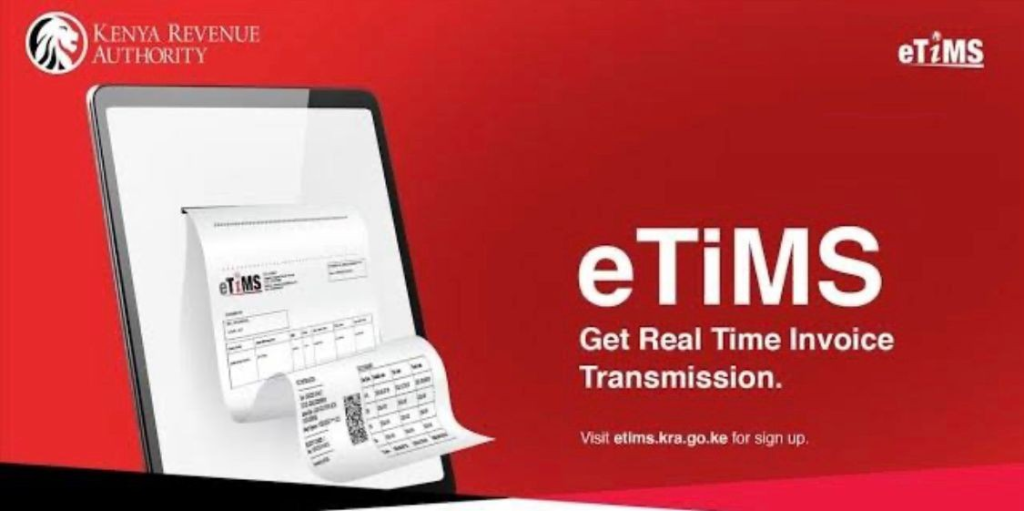
- Consequence: Failure to comply with the eTIMS requirement and issue valid electronic tax invoices can lead to the disallowance of your business expenses (input tax) and the expenses of your customers (input VAT and corporate tax deductions) who transact with you.
- Legal Fine: Non-compliance with the VAT Act (including eTIMS/TIMS regulations) is an offense that can attract a fine not exceeding Ksh 1 million or imprisonment for a term not exceeding three years, or both.
The easiest way to remain compliant is to maintain proper accounting records, keep a compliance calendar, and ensure all submissions and payments are made by the respective deadlines (usually the 9th, 20th, or 30th/31st of the month/year).
That is a great direction to go. Establishing robust financial practices from the start is the foundation for avoiding the penalties we just discussed, ensuring accurate reporting, and ultimately managing your business for growth.
Here is a guide to Financial Best Practices for a new company in Kenya.
Essential Financial Best Practices for Kenyan Companies
The goal is to move beyond simple compliance to genuine financial clarity.
1. Segregation of Finances: The Golden Rule
This is the single most important step for tax and legal compliance, especially in Kenya.
- Open a Business Bank Account: Immediately open a bank account in the company’s name. Do not use your personal M-Pesa or bank account for any business transaction.
- Reason: For KRA audits, all business income and expenses must be clearly distinguishable. Mixing funds can lead to “lifting the corporate veil,” exposing your personal assets to business liabilities and complicating tax computations.
- Establish a Director’s Loan Account: If you need to put personal money into the business (startup capital) or take money out (drawings), channel it through a formal ‘Director’s Loan Account’ in your books. This clearly documents it as a loan to/from the company, not a random personal expense.
- Use Business Tools: Get a dedicated business M-Pesa till number or Pay Bill number for business sales.
2. Implement a Smart Accounting System
You need a reliable, up-to-date system to track every shilling.
| System Component | Description & Kenyan Relevance |
| Accounting Software | Choose a cloud-based software like QuickBooks Online, Xero, or Zoho Books. Many now offer eTIMS/KRA integration (or tools to simplify compliance), making monthly filing much easier. |
| Chart of Accounts (COA) | This is the backbone of your accounting. Customize your COA to reflect your actual business operations (e.g., separate categories for raw materials, rent, salaries, and different revenue streams). A clean COA simplifies year-end filing. |
| Daily Bookkeeping | Record all transactions daily. Do not wait until the end of the month. Link your business bank account to your accounting software for automated transaction feeds. |
| Reconciliation | At least weekly, reconcile your bank statement and M-Pesa statements with the figures in your accounting software. This ensures your records are 100% accurate and helps you spot errors or fraud immediately. |
3. Mastering the KRA Paper Trail (e-Invoicing)
Since January 2024, the mandate for an electronic tax invoice is critical.
- eTIMS Compliance: Ensure every sale is recorded and an electronic tax invoice is issued through your eTIMS solution.
- Support All Expenses: For every expense you incur, you must obtain a compliant eTIMS invoice from your supplier to claim it as a deduction.
- Exception: Certain expenses are excluded, such as salaries, imports, interest, and bank charges. For these, a standard invoice, bank statement, or salary slip is sufficient.
- Maintain Records: Keep digital and/or physical copies of all essential documents for at least five years, as KRA may request them during an audit.
4. Payroll and Statutory Compliance
Ensure your employee deductions are calculated correctly and remitted on time.
- Pay Date Rule: Remit PAYE, NSSF, and SHIF (NHIF) by the 9th of the following month to avoid penalties and interest.
- Use Payroll Software: Use an updated payroll system that automatically calculates the correct PAYE, NSSF, and SHIF deductions. This prevents under-deduction errors that can lead to large penalties later.
- Issue Payslips: Ensure employees receive detailed, signed/electronic payslips showing all gross pay, deductions, and net pay.
5. Management Reporting
Use your accounting system to generate crucial reports for decision-making.
- Monthly Management Accounts: Produce a Profit and Loss Statement and a Balance Sheet every month.
- Cash Flow Forecast: Track your anticipated money coming in and money going out over the next 3-6 months. This prevents unexpected cash shortages, which are the primary cause of business failure.
- Budgeting: Set an annual budget and compare your actual performance against it monthly. This helps you control costs before they spiral out of hand.
The foundation you build now will determine how smoothly you can scale without being bogged down by past compliance issues.