

I. Introduction: Rising Digital Economy in Kenya: How Online Business is Evolving
What is the Digital Economy in Kenya?
The digital economy in Kenya refers to the integration of digital technologies like the internet, mobile phones, and software into economic activities. These technologies enable businesses, entrepreneurs, and individuals to access new markets, streamline processes, and offer innovative products and services. The digital economy covers a broad range of sectors, from e-commerce and fintech to entertainment, education, and agriculture.

Kenya has emerged as a leader in Africa’s digital transformation, largely due to its tech-savvy population, high mobile penetration, and strong government support for digital initiatives. The country’s fast-growing tech ecosystem has attracted global players and sparked a boom in local startups. The development of Kenya’s digital economy is helping to reshape traditional industries, foster economic growth, and create jobs in sectors that previously had limited digital exposure.
The digital economy in Kenya is not just about the rise of tech companies, but it also reflects the widespread use of digital tools across different sectors, empowering both businesses and consumers. As of 2023, Kenya’s mobile penetration stands at over 90%, while internet usage has skyrocketed, making digital platforms the backbone of many emerging industries.
Why is the Digital Economy in Kenya Important?
The significance of Kenya’s digital economy goes beyond just economic growth. It is transforming how businesses operate, how individuals access services, and how economic opportunities are distributed across the country. The rise of mobile money services, such as M-Pesa, has revolutionized financial inclusion, making it easier for Kenyans—particularly in rural areas—to access banking services.
Moreover, the digital economy in Kenya is helping to address some of the country’s most pressing challenges, including youth unemployment and financial exclusion. It provides an alternative source of income through online businesses, freelance opportunities, and digital marketing, empowering a new generation of Kenyan entrepreneurs. In fact, Kenya has been called the “Silicon Savannah” due to its impressive digital infrastructure, startup ecosystem, and innovation hubs.
By embracing digital tools, Kenya has positioned itself as one of Africa’s digital leaders, setting an example for other nations to follow. As Kenya continues to develop its digital economy, it is setting the stage for long-term growth, social inclusion, and job creation.
What’s Driving the Rise of the Digital Economy in Kenya?
Several key factors are driving the growth of the digital economy in Kenya. These include:
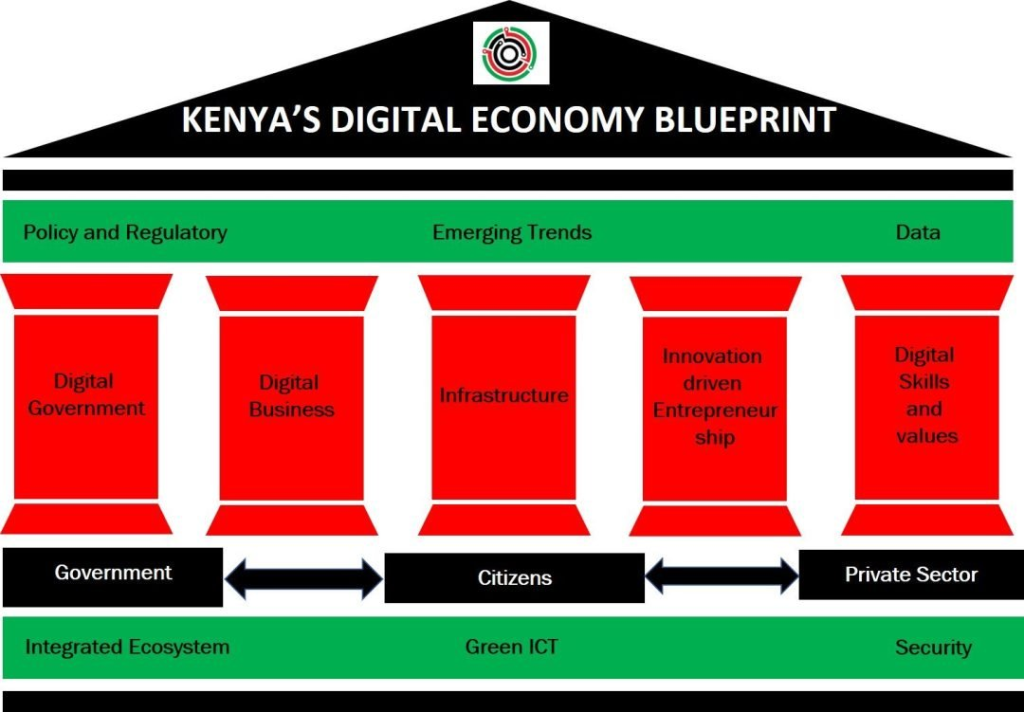
- Mobile Penetration and Internet Accessibility: The widespread availability of mobile phones, particularly smartphones, has been a game-changer for businesses and consumers alike. With affordable data bundles, Kenyans can access services, e-commerce platforms, and financial products on their mobile devices. This has contributed to the rise of mobile commerce, mobile banking, and mobile-based government services.
- Innovative Financial Technology (Fintech): Kenya has become a global leader in fintech, largely driven by the success of M-Pesa, a mobile money service that has transformed the financial landscape in the country. Fintech solutions have enabled millions of Kenyans to access financial services such as savings, loans, and insurance products, even in remote areas.
- Government Initiatives and Infrastructure Investments: The Kenyan government has played a crucial role in supporting the growth of the digital economy. Initiatives like Vision 2030, Konza Technopolis, and Ajira Digital are helping to create a favorable environment for tech startups, digital services, and job creation. Public investments in broadband infrastructure and tax incentives for tech companies have also contributed to the growth of the digital economy.
- Youthful Population and Digital Literacy: Kenya has a young population, with over 70% of the population under the age of 35. Many of these young people are digitally literate and have embraced technology in various aspects of their lives. This demographic has become a driving force behind the growth of online businesses, e-commerce platforms, and digital content creation.
- Access to Global Markets: With the rise of digital tools and platforms, Kenyan businesses can now access global markets with ease. Platforms like Jumia, Glovo, and Safaricom’s M-Pesa have enabled Kenyan entrepreneurs to reach customers beyond national borders. This has helped local businesses scale quickly and tap into a global customer base.
Conclusion
The digital economy in Kenya is evolving rapidly, driven by the country’s young, tech-savvy population, mobile penetration, and the increasing use of innovative technologies. It is opening new economic opportunities, fostering job creation, and boosting financial inclusion for millions of Kenyans. As Kenya continues to embrace digital transformation, the future looks bright for online businesses and entrepreneurs seeking to tap into the growing digital landscape.
II. Laying the Foundation: The Infrastructure Behind Kenya’s Digital Transformation
A. Internet and Connectivity Expansion

The expansion of internet and mobile connectivity has been a critical driver of Kenya’s digital economy. In the past decade, internet penetration has increased significantly, fueled by the government’s investments in digital infrastructure and the growing use of mobile technology. As of 2023, over 85% of Kenya’s population has access to the internet, and mobile subscriptions are nearing 100%. The rise of affordable smartphones and mobile data packages has ensured that more Kenyans can access the digital world, both for personal use and business purposes.
Key Developments in Internet Connectivity:
- Fibre-optic Networks: Kenya has seen significant investments in fiber-optic cables, such as the Seacom and EASSy (Eastern Africa Submarine Cable System) projects, which connect the country to global internet networks. These fiber-optic cables enable faster and more reliable internet access, improving the overall digital experience for businesses and consumers.
- Mobile Network Expansion: Major telecommunications companies like Safaricom, Airtel, and Telkom Kenya have expanded mobile networks across the country, including remote and underserved regions. Safaricom’s dominance in mobile broadband services, including 4G and 5G, has helped increase access to high-speed internet for businesses and individuals alike.
- Affordable Data Plans: With the rise of mobile internet, mobile data has become more affordable for many Kenyans. Telecom companies offer flexible data packages that make it easier for users to stay connected, boosting mobile commerce and access to digital services.
Impact of Connectivity on the Digital Economy:
- Business Expansion: The improvement in internet infrastructure has enabled businesses to scale their operations, expand to new markets, and connect with global customers. This is particularly evident in sectors such as e-commerce, fintech, and digital services.
- Increased Productivity: Access to reliable internet has allowed workers in both urban and rural areas to perform tasks more efficiently, whether it’s accessing cloud-based tools, attending online meetings, or engaging in remote work.
B. Government Initiatives for ICT Growth
The Kenyan government has played a pivotal role in the rise of the digital economy in Kenya through a series of initiatives aimed at fostering innovation, expanding digital services, and creating an enabling environment for tech startups. These initiatives, combined with private-sector partnerships, have significantly contributed to the country’s growing digital landscape.
Key Government Initiatives Supporting the Digital Economy:
- Vision 2030: One of Kenya’s most ambitious initiatives, Vision 2030 aims to position Kenya as a leading global player in ICT and innovation by the year 2030. The plan has seen the government invest heavily in infrastructure, digital skills development, and the promotion of entrepreneurship through tech incubators and accelerators.
- Konza Technopolis: Often referred to as Kenya’s “Silicon Savannah,” Konza Technopolis is a government-led project aimed at creating a modern technology city. Once fully completed, it will house a wide range of businesses, from multinational corporations to local startups, providing state-of-the-art infrastructure and an ideal environment for innovation and digital businesses.
- Ajira Digital Program: Launched in 2016, the Ajira Digital program aims to empower youth by providing them with digital skills and connecting them to online job opportunities. This initiative has trained thousands of young Kenyans in skills such as web development, data entry, and digital marketing, preparing them for the growing demand for digital services in the labor market.
- M-Pesa and Mobile Money Regulation: The Kenyan government has also been instrumental in supporting the growth of M-Pesa, a mobile money service that has revolutionized financial inclusion in the country. By implementing progressive policies that support mobile money operations and regulatory frameworks for mobile banking, the government has ensured that digital financial services can thrive, contributing to the overall digital economy in Kenya.
Impact of Government Initiatives:
- Increased Investment in Tech: Government initiatives like Konza Technopolis and Vision 2030 have attracted foreign and local investments into Kenya’s tech industry. These investments have led to the creation of tech hubs, startup accelerators, and a thriving innovation ecosystem.
- Job Creation: Programs such as Ajira Digital have not only equipped Kenyans with valuable digital skills but also helped them access online jobs, thereby contributing to job creation and reducing unemployment.
C. The Role of Mobile Money in the digital economy in Kenya
Kenya is widely recognized as the pioneer of mobile money, and the success of M-Pesa has significantly contributed to the rise of the digital economy in Kenya. Launched in 2007 by Safaricom, M-Pesa revolutionized the way Kenyans conducted financial transactions. It allowed people to send, receive, and store money using their mobile phones, providing an essential service to individuals who were previously excluded from traditional banking systems.
Key Aspects of Mobile Money in Kenya:
- M-Pesa’s Role: With over 30 million active users, M-Pesa has become a household name in Kenya. The service allows people to perform a wide range of financial transactions, including sending and receiving money, paying bills, and purchasing goods and services—all through their mobile phones.
- Expansion of Mobile Payments: Beyond M-Pesa, other mobile money platforms such as Airtel Money and Equitel have further expanded financial inclusion and access to digital financial services.
- Digital Payment Solutions for Businesses: The rise of mobile money has also opened up opportunities for businesses to adopt mobile payment solutions. From retail businesses to online services, companies are now able to accept payments from customers without the need for traditional banking infrastructure.
Impact on the Digital Economy:
- Financial Inclusion: M-Pesa has empowered millions of unbanked Kenyans by offering them access to financial services. This has contributed to the growth of small businesses, as entrepreneurs now have the ability to accept payments, transfer money, and access loans through mobile platforms.
- Boosting E-commerce: The integration of mobile money with e-commerce platforms has made online shopping easier and more secure. Services like Jumia and Glovo leverage M-Pesa to facilitate seamless payments for consumers.
The digital transformation in Kenya is driven by significant improvements in connectivity, government support for ICT growth, and the widespread adoption of mobile money. These factors have laid a solid foundation for the digital economy in Kenya, enabling businesses and individuals to take full advantage of digital tools and services. As Kenya continues to invest in infrastructure and digital services, the digital economy will play an increasingly important role in the country’s overall economic development.
III. The Rise of Online Business Models in Kenya
A. E-commerce Evolution in Kenya
The e-commerce sector is one of the most significant drivers of the digital economy in Kenya. Over the past decade, online shopping has shifted from a niche market to a mainstream activity. This evolution is powered by factors such as the growth of mobile internet, increased digital literacy, and the proliferation of mobile payment solutions like M-Pesa.

Key Developments in E-commerce:
- Online Retail Platforms:
- Jumia, Kilimall, and Sky.Garden are some of the leading e-commerce platforms in Kenya. These platforms have made it easier for consumers to purchase goods ranging from electronics to groceries without leaving their homes.
- Jumia has become the largest online retailer in Africa, with Kenya serving as one of its primary markets. The platform has capitalized on mobile-first consumers, offering a seamless shopping experience through its mobile app and website.
- Local Alternatives: Local platforms like Sky.Garden cater to the unique needs of Kenyan consumers by offering affordable products and localized payment options, further fueling the growth of e-commerce in Kenya.
- Mobile-First Shopping Experience:
- With over 40 million smartphone users in Kenya, mobile phones have become the primary device for online shopping. Mobile apps for e-commerce platforms have gained popularity, making shopping more convenient for users across urban and rural areas.
- Mobile data packages are affordable, and platforms like M-Pesa allow for quick and secure payments. This has significantly boosted the trust and adoption of online shopping among Kenyans.
Impact of E-commerce on Kenya’s Digital Economy:
- Business Expansion: E-commerce has opened new markets for local businesses and entrepreneurs, enabling them to reach customers outside their physical locations. This has allowed small businesses to scale rapidly.
- Job Creation: E-commerce has created thousands of jobs in various sectors, including logistics, customer service, and digital marketing. Delivery services such as Sendy and Glovo have also expanded, providing employment opportunities.
- Increased Competition: The rise of e-commerce platforms has increased competition in the retail space, encouraging businesses to offer better prices, faster delivery, and more convenient shopping experiences.
B. Freelancing and the Gig Economy in Kenya
Another significant component of the digital economy in Kenya is the rise of freelancing and the gig economy. This sector has provided numerous income-generating opportunities for Kenyans, particularly youth who have been affected by unemployment. The gig economy, which includes freelance work in fields such as graphic design, content writing, web development, and digital marketing, has flourished in Kenya due to the growing demand for digital skills.
Key Aspects of the Gig Economy:
- Freelancing Platforms:
- Kenyan freelancers are increasingly turning to platforms like Upwork, Fiverr, and Freelancer to offer their services to clients globally. These platforms connect skilled professionals with clients seeking various services, from content creation to IT solutions.
- Andela, a tech company based in Nairobi, trains software engineers and connects them with companies around the world, enabling Kenyans to work on international projects and earn competitive salaries.
- Ajira Digital Program:
- The Ajira Digital Program, launched by the Kenyan government, has been a game-changer for young Kenyans interested in freelancing. This initiative equips youth with digital skills such as data entry, web development, and social media management, helping them find online work opportunities.
- The program has trained over 350,000 young people and has contributed significantly to reducing youth unemployment by providing access to freelance jobs.
Impact on the Digital Economy:
- Empowering Youth: Freelancing has empowered youth to create their own career paths and gain financial independence. Many Kenyans are now using their skills to work for global clients, creating a new digital workforce.
- Economic Inclusion: Freelancing has provided income opportunities for people in rural areas who may not have had access to traditional employment. This has helped bridge the rural-urban divide in Kenya’s labor market.
- Boosting Skills Development: The gig economy has encouraged many Kenyans to upskill themselves in areas like web development, digital marketing, and graphic design. This has increased the country’s overall digital literacy and expanded the talent pool available to local businesses and global companies Like Marsha Creatives and Host Kenya
C. Social Commerce and the Influencer Economy
Social commerce is rapidly gaining ground in Kenya, especially with the growing popularity of platforms like Instagram, Facebook, and TikTok. Influencers, content creators, and small businesses are now using social media to reach large audiences and drive sales through direct promotions or affiliate marketing.
Key Elements of Social Commerce:
- Influencers and Brand Collaborations:
- Kenyan influencers, particularly in the fashion, beauty, and lifestyle sectors, have built substantial followings on social media platforms. These influencers collaborate with brands to promote products, often using affiliate marketing links or sponsored posts.
- Influencer marketing has proven to be a highly effective way for brands to reach target audiences, especially younger consumers who are highly active on social media.
- E-commerce Integration with Social Media:
- Platforms like Instagram and Facebook have integrated shopping features that allow users to purchase directly through the app. This integration has made it easier for local businesses to sell products online without needing a separate e-commerce website.
- Kenyan brands are also using WhatsApp groups to engage with customers, promote products, and receive orders, effectively turning social media platforms into e-commerce tools.
Impact on the Digital Economy:
- New Business Opportunities: Social commerce has created new avenues for businesses, particularly small enterprises, to reach a wider audience. This has contributed to the growth of online businesses, especially in sectors like fashion, beauty, and food.
- Consumer Behavior Shifts: Social media is now a key tool for product discovery. Consumers in Kenya increasingly rely on recommendations from influencers and peers when making purchasing decisions, influencing how businesses market their products.
- Digital Marketing Growth: The rise of social commerce has also contributed to the growth of digital marketing as an industry. Content creators, digital marketers, and businesses are investing in social media strategies to drive brand awareness and sales.
The rise of online business models, including e-commerce, freelancing, and social commerce, has been a major catalyst in the digital economy in Kenya. These models have enabled individuals and businesses to capitalize on digital platforms to reach global markets, create new jobs, and drive innovation. As Kenya continues to embrace these evolving business models, the opportunities for growth and expansion in the digital economy are bound to increase.
IV. Fintech Revolution: The Engine of the digital economy in Kenya
A. M-Pesa and the Cashless Transformation
Kenya is widely recognized as a pioneer of mobile money, and M-Pesa is at the heart of the digital economy in Kenya. Launched in 2007 by Safaricom, M-Pesa revolutionized the way people in Kenya conduct financial transactions. It allowed users to send, receive, and store money through their mobile phones, eliminating the need for a traditional bank account.

Key Features of M-Pesa:
- Mobile Payments and Transfers:
- M-Pesa allows users to transfer money instantly using their mobile phones, enabling them to send money to family members, pay bills, and buy goods. Its integration with both urban and rural populations has made it accessible to millions, even in areas without banks.
- Business Transactions:
- For small businesses, M-Pesa offers a reliable and easy-to-use payment solution. Local shops and market vendors can accept payments directly via mobile money, expanding their customer base to include those who may not carry cash.
- M-Shwari and Savings:
- In addition to money transfers, M-Pesa users can also save money and take out micro-loans through M-Shwari, an app launched by Safaricom and CBA (Commercial Bank of Africa). This innovation has brought banking services to millions of unbanked individuals, providing them with the ability to save and access loans in ways they couldn’t before.
Impact of M-Pesa on the Digital Economy:
- Financial Inclusion: M-Pesa has been a game-changer for financial inclusion, especially for Kenyans in rural areas who were previously excluded from the formal banking system. With over 30 million active users, M-Pesa has played a significant role in improving access to financial services.
- Empowering Small Businesses: Small and micro-businesses have flourished due to the adoption of M-Pesa. These businesses can now offer cashless payments, making them more efficient and increasing their market reach.
- Global Influence: M-Pesa’s success has inspired other countries to adopt mobile money solutions. It has become a model for financial inclusion worldwide, showing how digital payment platforms can empower entire economies.
B. Growth of Other Fintech Solutions in Kenya
In addition to M-Pesa, Kenya has seen a proliferation of fintech startups that are further contributing to the growth of the digital economy in Kenya. These fintech solutions cater to a wide range of financial services, including microloans, savings, insurance, and investments.
Key Fintech Players in Kenya:
- Tala:
- Tala is a mobile-based lending platform that provides micro-loans to individuals without requiring a traditional credit history. It uses data from users’ smartphones to assess creditworthiness, allowing millions of Kenyans to access loans that were once unavailable to them.
- Branch:
- Another player in the mobile lending space, Branch uses mobile data to provide users with access to personal loans. The platform has been a major disruptor in the traditional banking sector, offering loans without the need for physical visits to a bank.
- Pezesha:
- Pezesha is an online marketplace for peer-to-peer lending. It connects borrowers with lenders and allows individuals and businesses to access credit based on competitive interest rates. This peer-to-peer lending model is helping democratize access to credit in Kenya.
- Cellulant:
- Cellulant offers digital payment solutions that allow businesses to accept payments across mobile money platforms, debit cards, and mobile banking apps. The company has expanded beyond Kenya and operates in several other African countries.
Impact of Fintech on the Digital Economy in Kenya
- Improved Financial Access: Fintech solutions like Tala, Branch, and Pezesha have significantly increased financial access for underserved populations in Kenya. These platforms have empowered millions to take out loans, save money, and invest—activities that were previously out of reach for many.
- Growth of E-commerce: With secure mobile payment systems in place, e-commerce platforms like Jumia and Glovo are thriving. These platforms rely heavily on fintech solutions to facilitate seamless transactions and provide customers with a convenient way to pay for goods and services.
- Cross-Border Payments: Some fintech solutions in Kenya, such as M-Pesa and Flutterwave, have enabled cross-border payments, making it easier for Kenyan businesses to trade with other countries. This has led to increased international trade and global market access for Kenyan entrepreneurs.
C. Mobile Money and the Future of Fintech in Kenya
The future of fintech in Kenya looks promising, with continued innovation in digital payments, blockchain technology, and artificial intelligence (AI). Mobile money platforms like M-Pesa have paved the way for new fintech services that aim to further disrupt traditional banking and financial services.
Future Trends in Kenyan Fintech:
- Blockchain and Cryptocurrency:
- Blockchain technology and cryptocurrencies are beginning to gain traction in Kenya, especially within the fintech space. BitPesa, a fintech startup, has made it possible to send money across borders using blockchain, offering a faster and more affordable solution compared to traditional remittance services.
- Artificial Intelligence in Fintech:
- AI-powered financial services are becoming more common in Kenya, with platforms using AI to provide personalized financial advice, detect fraud, and optimize lending processes. As more Kenyan fintech companies adopt AI, it is expected that their services will become more accessible, efficient, and secure.
- Digital Insurance:
- Digital insurance platforms are also gaining popularity in Kenya, with companies offering mobile-based policies that cater to individuals who may not be able to afford traditional insurance. Services like M-Tiba allow users to pay for health insurance via their mobile phones, making health coverage more accessible.
Impact on the Digital Economy in Kenya
- Innovation and Disruption: As fintech continues to innovate, it will disrupt more industries beyond just banking. The rise of blockchain, cryptocurrency, and AI will provide even more opportunities for businesses to operate digitally, increasing efficiency and reducing costs.
- Increased Investment: The rapid growth of Kenya’s fintech sector has attracted both local and international investors. This influx of capital has fueled further innovation and expansion, positioning Kenya as a leader in fintech innovation in Africa.
The fintech revolution is one of the most influential factors in the growth of the digital economy in Kenya. Mobile money platforms like M-Pesa have revolutionized financial transactions, while a wide range of fintech startups is providing innovative financial services to millions. As fintech continues to evolve, Kenya is poised to lead the way in financial inclusion, offering new opportunities for businesses and individuals to thrive in the digital economy.
V. Sectoral Transformation Through Digitization
A. Retail and Delivery: The Digital Shopping Revolution
One of the most visible impacts of the digital economy in Kenya is the transformation of the retail and delivery sectors. With the rise of e-commerce, more and more consumers are shifting away from traditional brick-and-mortar stores in favor of online shopping, driven by the convenience of home delivery and a growing array of product choices.
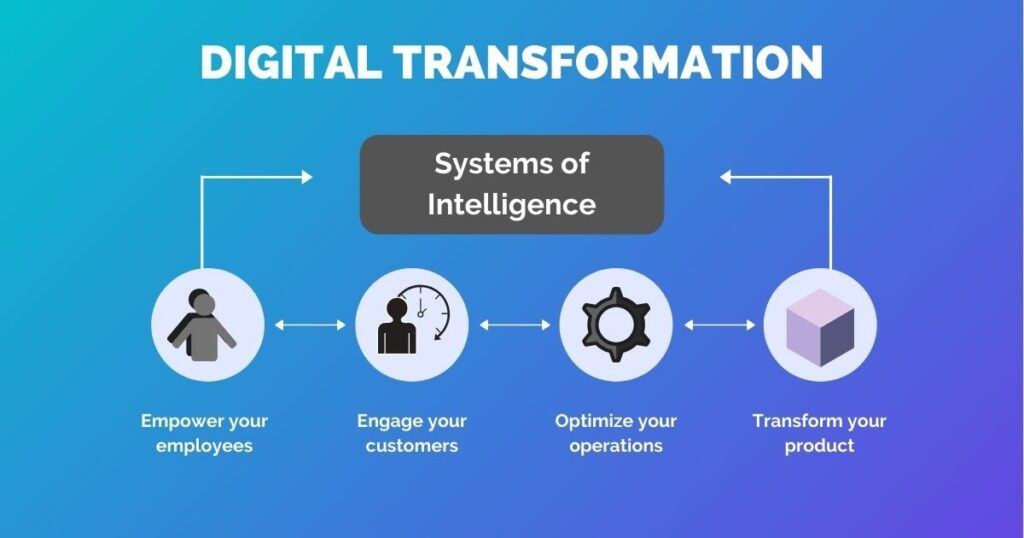
Key Developments in Retail and Delivery:
- E-commerce Giants:
- Jumia, Kilimall, and other local platforms have become household names in Kenya, providing consumers with an extensive range of products, from electronics to groceries. These platforms have expanded rapidly due to the growing demand for online shopping.
- Jumia has particularly benefitted from the rise of mobile commerce, allowing shoppers to browse and make purchases through their smartphones. The platform also offers cash-on-delivery options, which has helped increase trust among Kenyan consumers who were initially wary of online payments.
- Delivery Solutions:
- With the surge in e-commerce, there has also been a boom in delivery services. Companies like Sendy and Glovo are bridging the gap between online retailers and consumers by providing fast and reliable last-mile delivery solutions.
- Sendy, in particular, has facilitated delivery services for businesses, enabling them to fulfill online orders quickly and efficiently. This has made it easier for businesses to cater to a wider audience across different regions of Kenya.
- Mobile Money Integration:
- The integration of mobile money services like M-Pesa into the e-commerce experience has made it easier for Kenyans to pay for their online purchases. This has been particularly important in building trust in online shopping, as many consumers prefer using M-Pesa over credit or debit cards.
Impact of Retail and Delivery on the Digital Economy:
- Increased Market Reach: E-commerce has enabled businesses to reach consumers across the entire country, including those in remote and underserved areas. This has helped local retailers and entrepreneurs tap into previously untapped markets.
- Job Creation: The growth of e-commerce and delivery services has created thousands of jobs in logistics, customer service, marketing, and sales. This is particularly important in a country where unemployment has been a major concern, especially among the youth.
- Changing Consumer Behavior: The convenience of online shopping has led to a shift in consumer behavior, with more people choosing to shop online rather than in physical stores. This shift has forced traditional retailers to adapt, invest in digital infrastructure, and compete with online platforms.
B. Agriculture: Digital Transformation in Kenya’s Backbone Industry
Agriculture has always been a cornerstone of the Kenyan economy, with over 75% of the population relying on farming for their livelihood. In recent years, digital technologies have been used to transform agricultural practices, increase productivity, and improve access to markets for smallholder farmers.
Key Developments in Agricultural Digitization:
- Digital Platforms for Farmers:
- Platforms like Twiga Foods and Digifarm are helping smallholder farmers connect with suppliers, buyers, and markets in a way that wasn’t possible before. These platforms allow farmers to access affordable seeds, fertilizers, and farming tools, and to sell their produce to a wider market.
- Twiga Foods operates a supply chain platform that connects farmers with wholesalers, retailers, and consumers. It has improved access to markets, reduced post-harvest losses, and streamlined the distribution of food products.
- Mobile Apps for Agricultural Advice:
- Many farmers in Kenya are now using mobile apps to access expert advice, weather forecasts, and market prices. Apps like iCow, M-Farm, and AgriGo are helping farmers make more informed decisions, leading to increased yields and better income.
- These apps offer information on pest control, soil health, planting schedules, and crop management, empowering farmers with knowledge that was previously out of reach.
- Mobile Money for Payments:
- As with other sectors, mobile money has revolutionized the way agricultural transactions are conducted in Kenya. Farmers can now receive payments for their produce via M-Pesa, eliminating the need for cash transactions and increasing financial inclusion in rural areas.
Impact on the Digital Economy in Kenya
- Increased Productivity: Digital tools have helped farmers optimize their agricultural practices, leading to increased productivity and higher incomes. The use of digital platforms for purchasing inputs, accessing financial services, and selling produce has empowered farmers to scale their operations.
- Financial Inclusion in Rural Areas: The adoption of mobile money and digital platforms has enabled rural farmers to access financial services, receive payments, and make purchases more efficiently. This has contributed to improving their livelihoods and integrating them into the broader digital economy.
- Improved Food Security: By improving the efficiency of the agricultural supply chain, digital platforms have helped reduce food waste and improved the availability of fresh produce to consumers. This has also increased market access for farmers, helping stabilize food prices.
C. Education and Skills Development: The Digital Classroom Revolution
The education sector in Kenya has also experienced significant transformation due to digital technologies. The rise of online learning platforms, digital classrooms, and e-learning resources is changing the way education is delivered, especially in rural areas.
Key Developments in Education Digitization:
- E-Learning Platforms:
- Platforms like Eneza Education and Moringa School have made learning more accessible to students across Kenya. These platforms provide courses and educational content on various subjects, from primary education to coding and digital skills.
- Moringa School, for example, is an innovative tech school that offers coding and software development courses, preparing students for jobs in the growing tech industry.
- Digital Literacy Programs:
- The Kenyan government has launched several initiatives aimed at improving digital literacy among students and teachers. Programs like Ajira Digital and Digital Literacy Program (DLP) have trained thousands of teachers and students in the use of digital tools and platforms to enhance learning.
- Ajira Digital not only focuses on job creation but also aims to equip young people with the skills necessary for the digital economy, including website development, data entry, and digital marketing.
- Mobile-Based Learning:
- Mobile phones are playing an essential role in delivering education to students, especially in areas where access to traditional classrooms is limited. Through mobile apps and SMS-based learning, students can now access lessons, assignments, and quizzes directly on their phones.
- This is particularly important in rural areas, where traditional educational infrastructure may be lacking.
Impact on the Digital Economy in Kenya
- Job Market Transformation: As more students gain digital skills, Kenya’s workforce is becoming increasingly tech-savvy. This has opened up new employment opportunities in fields such as software development, data analysis, and digital marketing.
- Inclusive Education: Digital learning has made education more accessible, especially for students in remote areas. It has reduced geographical and financial barriers, allowing students from across Kenya to access quality education.
- Skill Development for the Future: The growth of online learning and digital skills training is preparing Kenya’s youth for the digital job market, helping them stay competitive in the global economy.
The digitization of key sectors such as retail, agriculture, and education is fueling the growth of the digital economy in Kenya. As businesses adopt digital tools and services, sectors traditionally reliant on manual processes are becoming more efficient, creating new opportunities for entrepreneurs and workers. The continued expansion of digital platforms across different industries is expected to drive further innovation and economic growth in Kenya.
VI. Role of Government and Regulation in Shaping the Digital Ecosystem
A. Policy Frameworks and Legal Support
The Kenyan government has been instrumental in creating a conducive environment for the growth of the digital economy in Kenya. Through various policies and regulatory frameworks, the government has provided the necessary infrastructure and legal framework to support the expansion of digital businesses, enhance financial inclusion, and promote innovation.
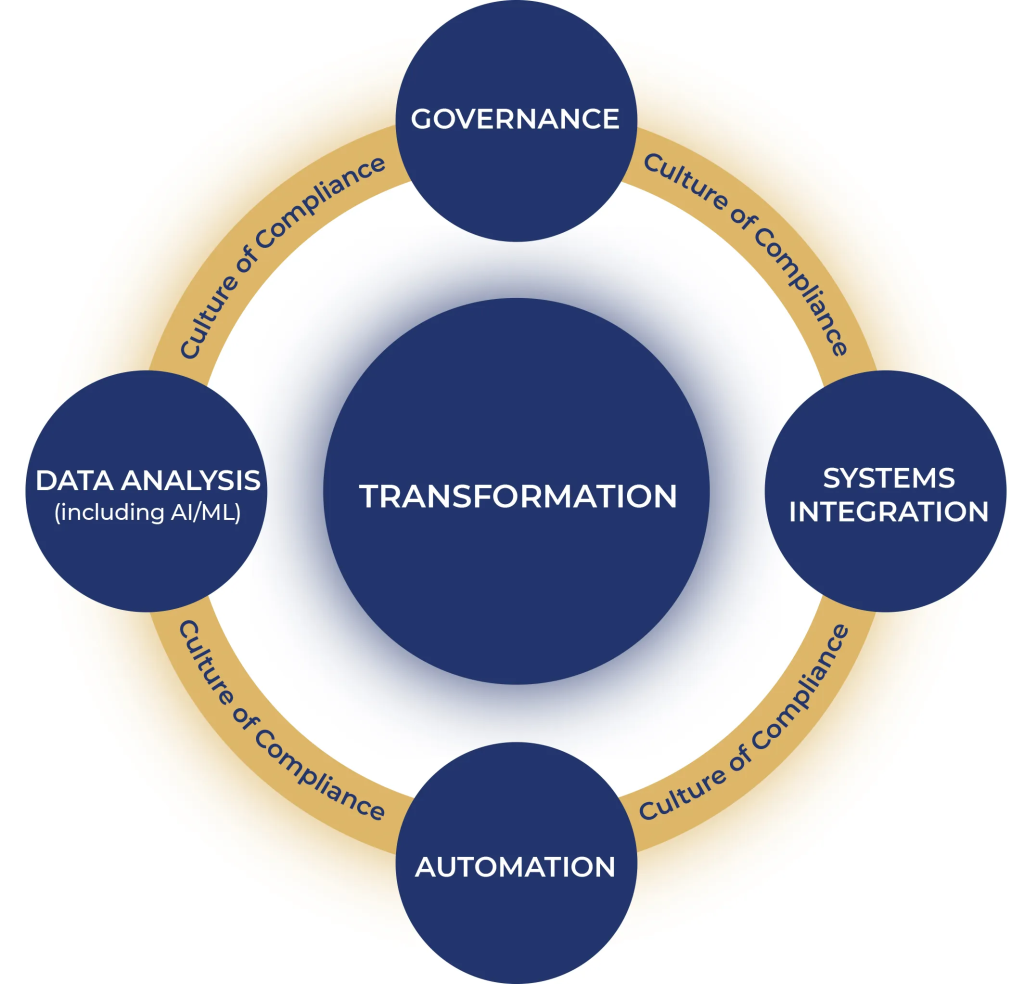
Key Government Policies Supporting the Digital Economy:
- The ICT Policy 2020:
- The ICT Policy 2020 outlines Kenya’s strategy to become a leader in information and communication technology. The policy focuses on developing digital infrastructure, enhancing digital literacy, and creating an ecosystem that fosters digital entrepreneurship. It also emphasizes the need for a regulatory environment that supports innovation and protects consumers.
- Vision 2030:
- As part of the Vision 2030 initiative, the Kenyan government aims to build a knowledge-based economy, which includes developing the digital sector. This vision has led to investments in ICT infrastructure, including the establishment of Konza Technopolis (Kenya’s “Silicon Savannah”), which is expected to house tech firms, start-ups, and international businesses.
- Data Protection Act, 2019:
- The Data Protection Act provides a legal framework for the collection, processing, and storage of personal data. This law ensures that individuals’ privacy is protected in an increasingly digital world. For businesses operating in the digital economy in Kenya, this act ensures that data privacy and cybersecurity standards are upheld, fostering trust in digital platforms.
- Digital Service Tax (DST):
- The introduction of the Digital Service Tax (DST) in Kenya aims to tax revenues generated by global tech companies providing digital services to Kenyan consumers. This tax seeks to ensure that companies operating in Kenya contribute to the country’s revenue, even if they do not have a physical presence in the country.
Impact of Government Policies on the Digital Economy:
- Encouraging Innovation: The ICT Policy 2020 and Vision 2030 have created a strong foundation for the growth of digital businesses, ensuring that the government supports startups, offers incentives, and creates an innovation-friendly environment.
- Consumer Protection: The Data Protection Act has instilled confidence among consumers, knowing that their personal information is being protected by law. This is crucial in encouraging people to engage with online businesses and digital platforms without fear of exploitation or fraud.
- Taxation and Fair Play: The Digital Service Tax ensures that international tech companies contribute to the local economy, leveling the playing field for Kenyan businesses and fostering economic growth.
B. Public-Private Collaborations and Digital Ecosystem Development
The growth of the digital economy in Kenya is not just the result of government policies, but also the result of collaborations between the public sector and private enterprises. These collaborations have facilitated the growth of the technology ecosystem, created job opportunities, and provided valuable resources for digital entrepreneurs.
Key Public-Private Collaborations:
- Konza Technopolis:
- The establishment of Konza Technopolis is a major public-private collaboration aimed at creating a modern technology city. This initiative is expected to create thousands of jobs in the tech and innovation sectors while attracting global investors and multinational companies. The government is working alongside private companies to build the infrastructure necessary for a thriving digital ecosystem.
- Innovation Hubs and Incubators:
- Kenya is home to several tech hubs and incubators, such as iHub, Nailab, and M-Lab. These hubs serve as spaces for young tech entrepreneurs to access mentorship, funding, and resources to scale their ideas. Many of these hubs have been supported by both the Kenyan government and private companies like Google, Microsoft, and Safaricom.
- Fintech Collaboration:
- The fintech ecosystem in Kenya has benefited from partnerships between the government, mobile network providers, and fintech startups. For example, Safaricom’s M-Pesa has partnered with various financial institutions to offer mobile banking services to the unbanked, while the government has created an enabling regulatory environment to support mobile financial services.
Impact of Public-Private Collaborations:
- Access to Funding and Resources: Through public-private partnerships, startups and entrepreneurs have gained access to funding, mentorship, and resources that are crucial for the growth of digital businesses. Innovation hubs like iHub and Nailab play a pivotal role in nurturing the next generation of tech entrepreneurs.
- Increased Job Creation: Public-private collaborations have not only facilitated the growth of digital businesses but have also created a significant number of jobs. For example, Konza Technopolis is expected to generate over 200,000 jobs when fully developed, many of which will be in the tech sector.
- Technological Advancements: The collaboration between the public sector and private enterprises has facilitated technological advancements, particularly in fintech and mobile payments, helping Kenya remain at the forefront of digital financial services in Africa.
C. Regulatory Challenges and Future Prospects
Despite the rapid growth of the digital economy in Kenya, the country faces regulatory challenges that could impact the future growth of the sector. As digital services continue to evolve, the government will need to address issues related to taxation, digital security, and internet governance to ensure that the digital economy continues to thrive.
Challenges Facing the Regulatory Environment:
- Digital Taxation:
- The implementation of the Digital Service Tax (DST) has raised concerns about the impact it may have on foreign tech companies operating in Kenya. While the government aims to ensure that tech companies contribute to local revenue, some companies have expressed concerns about the complexity of tax compliance and the potential for double taxation.
- Cybersecurity and Data Privacy:
- As more businesses move online, the need for stronger cybersecurity measures becomes more pressing. While the Data Protection Act is a step in the right direction, more efforts are needed to enhance cybersecurity infrastructure and protect businesses and consumers from cyber threats.
- Regulation of Emerging Technologies:
- Technologies like blockchain, artificial intelligence, and cryptocurrency are still in their infancy in Kenya. The government will need to develop regulations that balance innovation with consumer protection, ensuring that these technologies can be used safely and responsibly.
Future Prospects:
- Inclusive Regulation: The government will likely continue to refine its regulatory frameworks to ensure that the digital economy remains inclusive, innovative, and secure. Collaborative efforts between the government, private sector, and international partners will help create a digital economy that benefits all Kenyans.
- Continued Innovation: The Kenyan government has shown a strong commitment to fostering innovation in the digital sector. Future investments in infrastructure, education, and policy development will further strengthen Kenya’s position as a leader in Africa’s digital transformation.
The government has played a critical role in shaping the digital economy in Kenya by creating a favorable regulatory environment, supporting public-private collaborations, and investing in digital infrastructure. While there are regulatory challenges to address, the future of Kenya’s digital economy looks promising. Continued investments in technology, innovation, and legal frameworks will ensure that Kenya remains at the forefront of digital transformation in Africa.
VII. Challenges in Kenya’s Digital Transition
A. Infrastructure and Energy Constraints
While Kenya has made tremendous strides in the development of its digital economy, there are still some infrastructure and energy challenges that pose significant barriers to full digital transformation. These issues particularly affect rural areas where access to reliable internet and electricity remains limited.

Key Challenges:
- Limited Internet Coverage in Rural Areas:
- Although internet penetration in urban areas is high, rural areas still face challenges in accessing reliable, high-speed internet. This disparity limits the ability of businesses in these areas to fully participate in the digital economy. The lack of adequate broadband infrastructure further hinders efforts to expand digital services and access to e-commerce.
- Energy Supply Issues:
- The digital economy in Kenya is also hindered by inconsistent electricity supply, particularly in remote regions. Frequent power outages and reliance on unreliable energy sources affect the continuity of business operations, internet access, and the use of digital services.
- Small businesses, in particular, suffer from electricity outages that disrupt operations, making it difficult for them to maintain an online presence, handle e-commerce transactions, or use cloud-based tools efficiently.
Impact of Infrastructure and Energy Constraints:
- Digital Divide: The uneven distribution of digital infrastructure has contributed to a growing digital divide, where urban areas benefit from better access to technology and services, while rural areas continue to lag behind.
- Hindered Business Growth: Without reliable energy and internet access, businesses, especially those in rural areas, are unable to expand their digital footprint. This affects their ability to compete in the growing digital economy in Kenya
- Investment Challenges: Lack of adequate infrastructure also discourages foreign and local investments in certain sectors, limiting the potential for growth and innovation in less-connected regions.
Solutions to Overcome These Challenges:
- Investment in Rural Connectivity: Expanding broadband infrastructure in rural areas through public-private partnerships can bridge the digital divide and provide better access to online services for businesses and individuals.
- Alternative Energy Solutions: Expanding the use of solar-powered internet hubs and other renewable energy sources can help businesses in rural areas stay connected and run efficiently without relying on the unreliable national grid.
B. Cybersecurity and Data Protection Concerns
As the digital economy in Kenya continues to expand, the issue of cybersecurity and data protection has become a growing concern. With an increasing number of digital services, e-commerce platforms, and mobile payments, ensuring the safety of users’ data and transactions has never been more critical.
Key Cybersecurity Challenges:
- Rising Cybercrime:
- The rapid adoption of digital platforms has led to a surge in cybercrime, including hacking, phishing attacks, and online fraud. Criminals exploit vulnerabilities in digital platforms to steal personal information, financial data, and funds from unsuspecting users.
- Reports from the Kenya Cybersecurity Report indicate that Kenyan businesses, particularly in the fintech sector, are increasingly being targeted by cybercriminals, which threatens the integrity of the digital ecosystem.
- Lack of Awareness and Digital Literacy:
- Many Kenyans, particularly those in rural areas, lack the necessary knowledge to identify and protect themselves from digital threats. A lack of understanding of basic cybersecurity measures, such as using strong passwords or recognizing phishing emails, exacerbates the risk of data breaches and online fraud.
- Regulatory Gaps:
- Although Kenya has implemented the Data Protection Act (2019), which sets standards for handling personal data, there are still gaps in enforcement and compliance. Businesses must do more to ensure that they meet the required data protection standards, and consumers need more assurance that their data is safe.
Impact on the Digital Economy:
- Loss of Trust: Cybersecurity breaches and data protection violations undermine consumer trust in digital platforms. If individuals feel that their data and financial transactions are at risk, they may be hesitant to engage with online businesses, slowing the growth of the digital economy in Kenya.
- Business Disruptions: For businesses, cyber-attacks can lead to financial losses, reputational damage, and legal consequences. E-commerce businesses, in particular, are highly vulnerable to cyber-attacks, as they handle sensitive customer information such as payment details.
- Regulatory Challenges: The Kenyan government and regulatory bodies must continually adapt to the evolving nature of digital threats. Failure to address cybersecurity risks effectively can stifle innovation and hinder the growth of Kenya’s digital economy.
Solutions to Overcome Cybersecurity Challenges:
- Stronger Cybersecurity Frameworks: Strengthening Kenya’s cybersecurity laws and ensuring that businesses comply with regulations will help improve overall security and consumer confidence in digital services.
- Awareness Campaigns: Increasing digital literacy through nationwide cybersecurity awareness campaigns can help individuals understand the importance of protecting their personal data and online accounts.
- Investing in Cybersecurity Infrastructure: Businesses, especially those in e-commerce and fintech, should invest in robust cybersecurity measures, including encryption, secure payment gateways, and regular security audits to protect their digital platforms.
C. Digital Divide and Inclusion: Addressing the Gap
Despite the rapid growth of the digital economy in Kenya, significant gaps remain in terms of digital inclusion, particularly for marginalized communities, including women, rural populations, and people with disabilities. Bridging the digital divide is essential to ensuring that all Kenyans can participate in the growing digital economy.
Key Challenges in Digital Inclusion:
- Gender Gap in Digital Access:
- Women in Kenya, especially in rural areas, are less likely to own smartphones or have access to the internet compared to men. This gender gap in digital access limits women’s ability to participate in online business, freelancing, and other opportunities within the digital economy in Kenya
- Limited Access to Digital Devices:
- Many low-income households in Kenya cannot afford the devices or data packages required to access online services. This limits their ability to participate in e-commerce, mobile banking, and other digital services.
- Exclusion of Disabled People:
- People with disabilities face significant barriers when it comes to accessing digital services and participating in online business activities. Websites and digital platforms often fail to accommodate users with disabilities, which hinders their ability to participate in the digital economy in Kenya
Impact on the Digital Economy:
- Economic Exclusion: The lack of access to digital devices and services further excludes marginalized populations from the digital economy. Without access to these resources, individuals are unable to take advantage of digital business opportunities, e-commerce, or online education.
- Limited Innovation: Excluding large sections of the population, particularly women and people with disabilities, limits the diversity of ideas and innovations that could contribute to the growth of Kenya’s digital economy.
- Sustainability Concerns: For Kenya’s digital economy to be sustainable, it must be inclusive and accessible to all Kenyans. If large segments of the population remain digitally excluded, the growth potential of the economy will be constrained.
Solutions to Overcome Digital Inclusion Challenges:
- Affordable Devices and Data: Providing subsidized smartphones and affordable data packages through government programs or partnerships with private companies can help bridge the digital divide.
- Women and Disability Inclusion Programs: Programs aimed at increasing women’s digital literacy, and making digital platforms accessible to people with disabilities, will ensure that everyone can participate in the digital economy.
- Local Language Content: Creating digital platforms and services in local languages can help reach a broader audience, particularly in rural areas where English or Swahili may not be the primary language.
While Kenya’s digital economy continues to grow rapidly, challenges such as infrastructure gaps, cybersecurity concerns, and issues around digital inclusion must be addressed for the sector to reach its full potential. By investing in digital infrastructure, improving cybersecurity, and promoting digital literacy, Kenya can ensure that the benefits of the digital economy are accessible to all Kenyans, helping to drive inclusive growth and innovation.
VIII. Social and Cultural Impact of the Digital Economy in Kenya
A. Empowering Youth and Startups
The rise of the digital economy in Kenya has created a significant opportunity for youth entrepreneurship. Kenya’s young population—more than 70% of Kenyans are under the age of 35—has embraced the digital revolution, making the country a hub for tech-driven startups and digital innovation. The youth are actively participating in freelancing, online businesses, and the creation of digital products, driving a new wave of entrepreneurship.

Key Developments in Youth Empowerment:
- Digital Entrepreneurship:
- The growth of digital platforms has enabled Kenyan youth to explore entrepreneurship in new ways. Online businesses, such as e-commerce, content creation, and freelancing, have become popular career options. Platforms like Upwork, Fiverr, and local platforms like Jumia offer young entrepreneurs the chance to monetize their skills and reach global audiences.
- Tech Hubs and Accelerators:
- Kenya is home to several innovation hubs and tech incubators, such as iHub, Nailab, and Moringa School. These hubs provide mentorship, funding, and networking opportunities for young entrepreneurs who want to scale their digital businesses. They play a crucial role in fostering a culture of innovation, helping youth gain the skills and resources they need to succeed in the digital economy.
- Job Creation through Technology:
- The digital economy has created thousands of jobs for Kenyan youth, particularly in fields like web development, digital marketing, and e-commerce. The government’s Ajira Digital program has also empowered young people by providing them with the necessary skills to participate in the digital economy, offering training in fields like data entry, coding, and digital marketing.
Impact on the Digital Economy:
- Job Creation: The rise of digital entrepreneurship has provided Kenyan youth with alternatives to traditional employment. As more youth embrace the gig economy and freelancing, they contribute to the growth of the digital economy by providing a range of services and products to local and international markets.
- Increased Innovation: Youth-driven startups are introducing new ideas and products that are helping to solve local and regional challenges. This innovation is helping to diversify Kenya’s economy and reduce dependence on traditional sectors such as agriculture and manufacturing.
- Economic Growth: By empowering youth to become entrepreneurs, Kenya is fostering an environment where new businesses can thrive, leading to job creation, increased innovation, and economic development.
B. Digital Gender Inclusion: Bridging the Gap
While the digital economy in Kenya presents vast opportunities for economic growth and innovation, it is essential to address the gender gap that exists in digital access and participation. Women in Kenya face unique barriers when it comes to fully participating in the digital economy, but efforts are underway to bridge this gap and create more inclusive opportunities for women in the digital space.

Key Challenges in Digital Gender Inclusion:
- Limited Access to Technology:
- Women in Kenya, particularly those in rural areas, are less likely to own smartphones or have access to the internet compared to men. This disparity restricts their ability to engage in online business, freelancing, and digital services.
- Gender Stereotypes and Social Norms:
- Cultural norms and stereotypes often discourage women from pursuing careers in technology or entrepreneurship. These social barriers, coupled with a lack of digital skills training, prevent many women from accessing the opportunities within Kenya’s growing digital economy.
- Limited Representation in Tech:
- Women are underrepresented in Kenya’s tech industry. While women make up a significant portion of the population, their presence in fields like software development, engineering, and digital marketing is still relatively low.
Efforts to Promote Gender Inclusion:
- Women in Tech Initiatives:
- Programs such as AkiraChix and Women in Tech Africa are empowering women to pursue careers in technology. These organizations provide mentorship, training, and networking opportunities for women interested in the tech industry.
- Digital Literacy Programs for Women:
- The government’s Ajira Digital Program has also targeted women by offering them training in digital skills such as online freelancing, digital marketing, and web development. These programs are helping women access digital jobs and start their own online businesses.
- Access to Mobile Technology:
- Mobile money platforms like M-Pesa are helping to close the gender gap in financial inclusion, giving women in both urban and rural areas access to banking services, loans, and mobile payments. This financial inclusion is empowering women to participate more fully in the digital economy in Kenya
Impact on the Digital Economy:
- Inclusive Growth: Ensuring that women can fully participate in the digital economy in Kenya is essential for growth. By bridging the gender gap in digital access, women can contribute to the development of digital businesses, innovation, and the workforce.
- Economic Empowerment: Digital inclusion allows women to gain financial independence, access education, and improve their livelihoods. This empowerment has a ripple effect on families and communities, contributing to overall social and economic development.
- Innovation and Diversity: A more inclusive digital economy is likely to result in more diverse ideas and innovations. Women bring unique perspectives to the tech and entrepreneurial sectors, which can help solve local and global challenges in creative and impactful ways.
C. Shift in Consumer Behavior: The Rise of Digital Shopping and Services
The digital economy in Kenya has led to significant shifts in consumer behavior. With increasing access to smartphones and the internet, more Kenyans are turning to online platforms for shopping, entertainment, and accessing services.
Key Trends in Consumer Behavior:
- E-commerce Adoption:
- Kenyans are increasingly shopping online for products ranging from electronics to groceries. The convenience of shopping from home, along with secure payment methods like M-Pesa, has contributed to the growth of online retail. As a result, traditional brick-and-mortar retailers are now competing with online platforms like Jumia, Glovo, and Kilimall.
- Mobile Payments and Wallets:
- Mobile money services, especially M-Pesa, have revolutionized the way Kenyans pay for goods and services. Consumers are more likely to use mobile wallets for everyday transactions, whether it’s buying airtime, paying bills, or making online purchases. This shift to digital payments is facilitating the growth of e-commerce and online services.
- Shift to Digital Entertainment:
- With increased access to the internet, there has also been a surge in the consumption of digital entertainment. Streaming services like Netflix and Showmax have gained popularity, and online gaming has also become a thriving sector, contributing to the digital economy in Kenya.
Impact on the Digital Economy:
- Increased E-commerce Growth: As consumer behavior shifts towards online shopping and digital services, businesses that embrace digital platforms will see increased sales and expanded customer bases.
- Mobile Payments as a Norm: Mobile payment platforms like M-Pesa are now an essential part of everyday transactions, making digital commerce more accessible and efficient.
- New Business Opportunities: The changing consumer behavior is opening up new opportunities in the entertainment, retail, and services sectors, allowing businesses to reach customers in innovative ways.
The digital economy in Kenya is having a profound impact on the social and cultural landscape. From empowering youth to driving digital gender inclusion, Kenya is embracing digital transformation in ways that are creating new opportunities for individuals and businesses alike. As more Kenyans shift their consumption and entrepreneurial activities to the digital realm, the country’s economy is becoming more inclusive, innovative, and globally competitive.
IX. Future Trends and Predictions: The Future of digital economy in Kenya
A. Artificial Intelligence and Automation in Kenya
As digital economy in Kenya continues to evolve, the role of advanced technologies such as artificial intelligence (AI) and automation is expected to grow significantly. AI and automation have the potential to revolutionize many sectors, including agriculture, manufacturing, finance, and education. These technologies will not only enhance productivity but also create new business models and opportunities for innovation.

Key Developments in AI and Automation:
- AI in Fintech:
- AI-powered solutions in Kenya’s fintech sector are gaining traction. Platforms like Tala and Branch already use machine learning algorithms to assess creditworthiness and provide microloans. As AI continues to evolve, it will lead to even more personalized financial services, allowing consumers and businesses to receive customized loan products, investment advice, and insurance solutions.
- AI in Agriculture:
- AI is poised to play a significant role in transforming Kenya’s agricultural sector. Technologies like predictive analytics, drone technology, and AI-powered apps are helping farmers optimize crop yields, monitor soil health, and predict weather patterns. Startups like Twiga Foods and iCow are using AI to assist farmers in making data-driven decisions that lead to improved productivity and reduced waste.
- Automation in Manufacturing:
- As Kenya looks to expand its manufacturing sector, automation technologies are set to improve efficiency and reduce costs. Robotic process automation (RPA) and AI can streamline production processes, improve supply chain management, and reduce human error in manufacturing facilities.
Impact on the Digital Economy:
- Increased Efficiency: Automation and AI will enhance the efficiency of businesses across sectors, allowing them to scale faster and meet growing demand. AI-powered decision-making tools can lead to more accurate and informed business strategies.
- Job Creation in Tech: While automation might reduce the need for certain manual labor jobs, it will create new opportunities in fields like AI development, data science, machine learning, and robotics, contributing to the growth of Kenya’s tech industry.
- Enhanced Service Delivery: AI can help businesses deliver faster and more efficient services to customers, improving customer satisfaction and driving loyalty. In sectors like healthcare, AI-driven tools can assist in diagnosing illnesses and managing patient care more effectively.
B. Blockchain Technology and Digital Identity in Kenya
Blockchain technology is another emerging trend that is set to disrupt digital economy in Kenya. Known for its transparency, security, and decentralization, blockchain has the potential to transform sectors ranging from finance to supply chain management and government services.
Key Developments in Blockchain:
- Blockchain in Finance:
- Companies like BitPesa are already leveraging blockchain to offer faster, cheaper, and more secure cross-border payments. This innovation allows Kenyans to send money across borders with lower fees compared to traditional remittance services. As blockchain technology becomes more mainstream, it will likely improve the efficiency of mobile money platforms like M-Pesa, making international transactions faster and more cost-effective.
- Digital Identity and Voting Systems:
- Blockchain can also play a role in enhancing digital identity systems and improving governance. Kenya has been experimenting with digital voting systems, and blockchain can provide a secure and transparent method for recording votes and preventing fraud. Additionally, digital identity solutions powered by blockchain can help individuals access government services, financial products, and healthcare with greater ease and security.
- Supply Chain Transparency:
- Blockchain’s ability to create secure, transparent, and tamper-proof records is transforming supply chains. In Kenya’s agricultural sector, for example, blockchain can be used to track the journey of produce from farm to market, ensuring that consumers receive quality products while providing farmers with fair compensation.
Impact on the Digital Economy:
- Increased Trust and Transparency: Blockchain can increase transparency in transactions, improving trust in digital platforms and services. This is particularly important in sectors like e-commerce and finance, where trust is a critical factor in consumer adoption.
- Improved Efficiency: Blockchain eliminates intermediaries, reducing transaction costs and processing times. This can significantly benefit industries such as remittances, supply chains, and government services, making operations more efficient.
- Financial Inclusion: Blockchain-based platforms can provide access to financial services for those who are excluded from the traditional banking system, improving financial inclusion in Kenya’s rural areas.
C. Green Tech and Sustainable Digital Solutions
As the digital economy in Kenya grows, there is an increasing focus on sustainability and the need to minimize the environmental impact of technological advancements. Green tech, which focuses on environmentally friendly technologies, is becoming a key area of interest in Kenya, particularly in sectors like agriculture, energy, and transportation.
Key Trends in Green Tech:
- Solar-Powered Solutions:
- Kenya has made significant strides in the use of renewable energy, particularly solar power. Startups like SolarPayGo are providing solar-powered solutions for households and businesses that are not connected to the national grid. These off-grid solar systems allow Kenyans in rural areas to access clean, affordable energy while reducing reliance on fossil fuels.
- Electric Vehicles (EVs) and Clean Transportation:
- The growing interest in electric vehicles (EVs) is also contributing to the country’s green tech sector. Companies like NopeaRide are introducing electric motorcycles and ride-sharing services in urban areas, which help reduce emissions and promote sustainable transport.
- Sustainable Agriculture Technologies:
- As Kenya is a major agricultural economy, there is increasing interest in green technologies that help farmers adopt more sustainable practices. Technologies like drip irrigation, rainwater harvesting, and eco-friendly pesticides are being promoted to reduce the environmental impact of agriculture.
Impact on the Digital Economy:
- Eco-Friendly Innovations: Green technologies are creating new opportunities for businesses to reduce their carbon footprint while offering sustainable products and services to consumers. This aligns with global trends toward sustainability and responsible consumption.
- Job Creation in Green Tech: The rise of green tech is expected to create new job opportunities in areas like renewable energy installation, electric vehicle manufacturing, and sustainable agriculture.
- Long-Term Sustainability: As Kenya embraces green technologies, it will not only reduce its environmental impact but also position itself as a leader in sustainable digital practices, attracting both local and international investment.
D. Regional and Global Integration of Kenya’s Digital Economy
As Kenya continues to grow its digital economy, its role as a leader in Africa’s digital transformation is becoming increasingly important. The country is positioning itself to not only lead in regional innovation but also integrate more closely with global markets. Kenya’s focus on expanding digital infrastructure, improving digital literacy, and fostering a business-friendly environment is enabling the country to become an integral part of global digital networks.
Key Developments in Global Integration:
- AfCFTA and Regional Digital Integration:
- The African Continental Free Trade Area (AfCFTA) agreement presents an opportunity for Kenya to expand its digital trade with other African countries. As digital commerce becomes more central to regional trade, Kenya’s e-commerce and fintech platforms will be better positioned to serve customers across the continent.
- Cross-Border Digital Payments:
- Kenya has been a leader in mobile money, and its platforms, like M-Pesa, are increasingly being used for cross-border payments in other East African countries and beyond. This seamless integration of digital payment systems is helping to boost trade and investment across the region.
- Global Tech Investment:
- Kenya continues to attract global investors, particularly in the fintech, e-commerce, and tech startup sectors. The growth of digital hubs, such as Konza Technopolis, is drawing interest from global tech giants, further integrating Kenya into the global digital economy.
Impact on the Digital Economy:
- Regional Trade Expansion: The integration of Kenya’s digital economy with other African countries will promote intra-Africa trade, providing Kenyan businesses with access to new markets and opportunities.
- Increased Global Competitiveness: By connecting to global digital networks and attracting international investment, Kenya can continue to grow its digital economy and compete with other global players.
- Cross-Border Innovation: The growth of cross-border digital solutions will foster innovation, collaboration, and knowledge sharing, driving the development of new business models and technologies.
The future of digital economy in Kenya is bright, with significant opportunities in AI, blockchain, green tech, and regional integration. As Kenya continues to embrace these emerging technologies and trends, it is set to become a global leader in digital innovation and sustainability. With strong government support, an innovative youth population, and increasing investment, Kenya is well-positioned to lead Africa’s digital transformation for years to come.
X. Conclusion: Rising Digital Economy in Kenya: How Online Business is Evolving
A. Recap of Opportunities and Challenges
Kenya’s digital economy is at a transformative crossroads, driven by a combination of government initiatives, private-sector innovation, and the country’s youthful, tech-savvy population. The rise of mobile money, e-commerce platforms, and fintech solutions has revolutionized the way Kenyans live, work, and do business. Key sectors like retail, agriculture, education, and financial services have seen significant digital disruptions, offering new opportunities for growth, efficiency, and job creation.

Opportunities in Kenya’s Digital Economy:
- Youth Empowerment: With more than 70% of Kenya’s population under the age of 35, the digital economy provides a wealth of opportunities for the youth to engage in entrepreneurship, freelancing, and technology-driven careers.
- E-commerce Growth: Platforms like Jumia, Glovo, and M-KOPA have opened up new markets and created opportunities for local entrepreneurs to sell to a global audience.
- Fintech Innovation: The growth of mobile payment systems like M-Pesa has led to significant financial inclusion, empowering millions of Kenyans to access digital banking, make payments, and transfer money seamlessly.
Challenges in the Digital Economy:
- Infrastructure Gaps: Despite impressive progress in urban areas, rural parts of Kenya still struggle with unreliable internet and power supply, hindering full participation in the digital economy.
- Cybersecurity Risks: As more businesses and individuals embrace digital platforms, cybersecurity threats continue to rise. Ensuring data protection and online safety will be key to sustaining trust in the digital economy.
- Digital Divide: The gender gap and lack of access to digital devices in underserved areas remain challenges, preventing large portions of the population from fully participating in the digital revolution.
B. Final Tips for Aspiring Digital Entrepreneurs
For those looking to capitalize on the growing digital economy in Kenya, here are some essential tips:
- Focus on Innovation and Creativity: The Kenyan market is rapidly evolving, and consumers are seeking innovative solutions to their problems. Whether you’re launching an e-commerce business, offering a fintech service, or creating digital content, focus on offering unique, value-driven solutions.
- Adapt to Changing Consumer Behavior: Understanding consumer behavior and the shift to mobile-first platforms is key. Invest in user-friendly mobile apps and e-commerce websites, and integrate digital payment systems like M-Pesa to enhance the customer experience.
- Embrace Continuous Learning: The digital economy is dynamic, with new technologies and business models emerging regularly. Stay updated on industry trends, improve your digital skills, and continuously innovate to stay ahead of the competition.
- Collaborate and Network: Engage with Kenya’s vibrant tech community by joining incubators, attending tech events, and collaborating with other businesses. Networking with like-minded entrepreneurs can open up opportunities for partnerships, funding, and mentorship.
- Prioritize Cybersecurity: With the increasing risks of cyberattacks, it’s crucial for businesses to prioritize cybersecurity. Invest in strong security protocols and educate your team and customers on best practices to ensure data protection.
C. Looking Ahead: Kenya’s Position in Africa’s Digital Future
As Kenya continues to expand its digital economy, it is positioning itself as a leader not just in East Africa, but across the continent. The country’s government support, innovative startups, and growing digital infrastructure make Kenya a prime location for tech investments and digital entrepreneurship. By fostering a culture of innovation, increasing access to technology, and addressing challenges related to infrastructure and inclusivity, Kenya can solidify its position as a digital powerhouse in Africa.
Looking ahead, the country is set to become a model for other nations on how to successfully integrate digital technologies into the economy, offering valuable lessons on the importance of policy, infrastructure, and private-sector partnerships. With the right investments and continued innovation, Kenya’s digital economy has the potential to drive the next wave of growth, creating new opportunities for businesses, consumers, and entrepreneurs alike.
In Conclusion:
The digital economy in Kenya is rapidly evolving, and its future is brimming with opportunities. Whether you’re an entrepreneur, a freelancer, a business owner, or someone looking to tap into Kenya’s growing tech scene, now is the time to engage with the digital landscape. By leveraging digital tools, embracing innovation, and overcoming the challenges, Kenya will continue to thrive in the ever-expanding digital world.
Final Thoughts: The rise of Kenya’s digital economy represents not just a business opportunity, but a social and cultural shift. As technology continues to reshape how Kenyans live, work, and interact, it is clear that the digital future is here—and it is only getting brighter.
Call to Action:
Are you ready to be a part of Kenya’s digital revolution? Whether you’re looking to start an online business, explore freelancing, or simply expand your digital skills, the opportunities in Kenya’s digital economy are limitless. Start today, embrace innovation, and be a part of the next chapter of Kenya’s tech-driven future!