

Starting a successful venture in East Africa’s economic powerhouse requires more than just a brilliant idea; it demands a solid, well-researched business plan in Kenya. This document is your strategic roadmap, and its first two sections—the Executive Summary and the Company Description—are the most critical. They form the essential foundation that will either hook potential investors and partners or see your proposal instantly dismissed.
In the fast-paced, competitive Kenyan market, stakeholders like banks, venture capitalists, and even potential employees, often only have time to review the Executive Summary before deciding to delve deeper. Likewise, a Company Description that clearly defines your mission and structure is vital for establishing credibility. Neglecting these initial sections is a risk no serious entrepreneur should take.
Executive Summary: Your Elevator Pitch for a Business Plan in Kenya
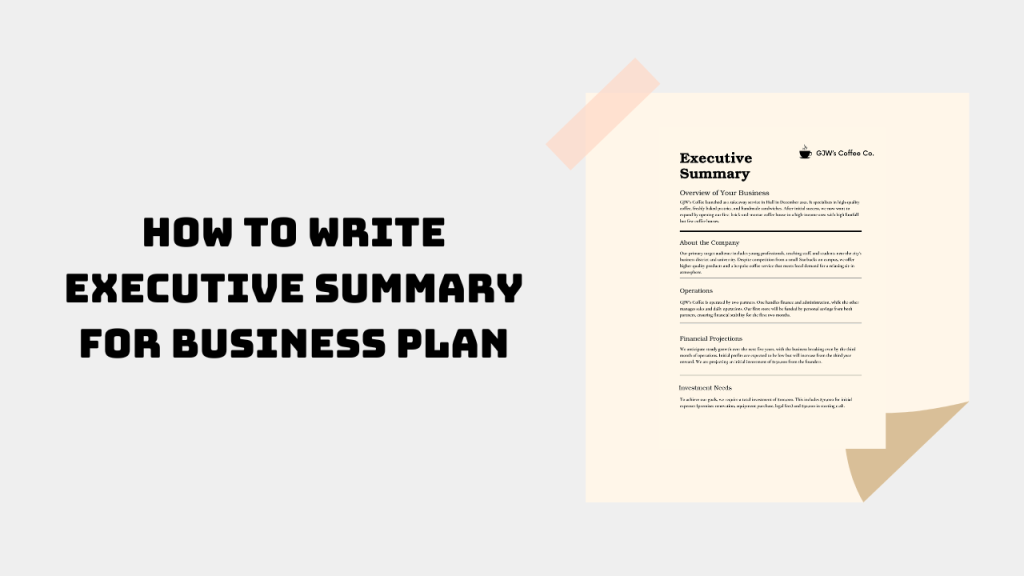
The Executive Summary is arguably the most important component of your entire business plan in Kenya. It must be a compelling, concise, and standalone document—ideally no longer than one to two pages—that summarizes every other section of your plan. Its primary goal is to convince the reader that your business is a viable, high-potential investment that warrants further attention.
Think of it as the ultimate “elevator pitch” for your business, structured to quickly answer the key questions a lender or investor in the Kenyan financial landscape will have.
Key Components of a High-Impact Executive Summary
For your business plan in Kenya to stand out, the Executive Summary must touch upon the following six essential points, written with clarity and conviction:
- Business Concept and Model:
- What you do: State the nature of your business clearly (e.g., “A tech-driven logistics platform focusing on last-mile delivery in Nairobi’s informal settlements”).
- The Problem: Succinctly describe the specific pain point or market need you are addressing in Kenya (e.g., “High cost and unreliability of cold chain logistics for small-scale vegetable farmers in the Rift Valley”).
- The Solution/Value Proposition: Explain how your product or service uniquely solves this problem and what makes it exceptional (e.g., “Our mobile-app-based solar-powered cold storage units reduce spoilage by 40% and connect farmers directly to urban markets”).
- Market Opportunity and Target Audience (in Kenya):
- Present a compelling statistic about the size and growth potential of your target market in Kenya. For example, “The Kenyan e-commerce logistics sector is projected to grow by 15% annually over the next five years.”
- Briefly describe your target customer segment (e.g., “SMEs in the manufacturing sector and middle-class households in the Nairobi Metropolitan Area”).
- Competitive Advantage (The Kenyan Edge):
- What sets you apart from existing players in the Kenyan market? Is it technology, a superior cost structure, a strategic location, or an exclusive partnership? This is your Unique Selling Proposition (USP).
- Example: “While competitors focus on large corporates, our micro-lending model is specifically designed for the jua-kali (informal sector) artisans, offering flexible repayment schedules unavailable elsewhere.”
- Management Team Highlights:
- Showcase the credibility of your leadership. Briefly mention the names and relevant, key experience of the founders/key managers.
- Tip: Investors invest in people as much as ideas. Highlight experience in the Kenyan market, track record of success, and complementary skills.
- Financial Highlights and Funding Request:
- Present your most exciting financial projections (e.g., “Projected revenue of KES 50 million by year three, achieving profitability within 18 months”).
- Clearly state your funding need: “We are seeking KES 10 million in seed funding…” and, crucially, how you will use the money and the expected return on investment (ROI) for the investor.
- Call to Action:
- Conclude with a powerful sentence that clearly states the desired next step, whether it is a request for a meeting, a partnership, or securing the funding.
Pro-Tip for the Kenyan Context:
Write the Executive Summary LAST. Although it appears first, you can only summarize the entire, well-developed business plan in Kenya effectively after all the detailed research, financials, and strategies are complete. A strong Executive Summary is the result of thorough planning, not the start of it.
The Real-World Cost of Poor Planning in Kenya
The high failure rate among Small and Medium Enterprises (SMEs) in Kenya is a sobering reminder of the need for a robust business plan in Kenya.
| SME Failure Statistic in Kenya | Data | Source |
| SMEs Failing in First 3 Years | Approximately 70% | Multiple studies (e.g., KNBS, Exploratory Study on Critical Success Factors for SMEs in Kenya) |
| Common Causes of Failure | Lack of managerial competence, inadequate access to finance, poor financial planning/forecasting, lack of market information. | Business Daily, IFC Studies |
This alarming statistic highlights that a high percentage of Kenyan businesses do not have a rigorous business plan in Kenya that addresses managerial and financial challenges upfront. A compelling Executive Summary is the first line of defense against becoming one of these statistics.
Company Description: Defining Your Purpose in the Kenyan Market
Once the Executive Summary has grabbed the reader’s attention, the Company Description provides the necessary depth and formal structure. This section outlines who you are, what you stand for, and the official structure you operate within the Kenyan legal and commercial environment.

Essential Elements of a Detailed Company Description
This section of your business plan in Kenya should cover the following elements:
1. Official Business Identity and Structure
- Business Name: Full registered name e.g Host kenya, Marsha Creatives, Kenya Revenue Authority
- Legal Structure: Clearly state your legal form: Sole Proprietorship, Partnership, Limited Liability Company (LLC), or Public Limited Company (PLC). This is crucial for legal and tax purposes in Kenya.
- Registration Details: Mention the date of registration and your registration number (e.g., from the Registrar of Companies).
- Location: State the physical and postal address, including the specific county and sub-county. For a business operating in Kenya, the location can be a key competitive factor (e.g., proximity to a port, access to a major road, or location within a Special Economic Zone).
2. Mission, Vision, and Values
These statements define your company’s purpose and long-term ambition, acting as the ideological anchor of your entire business plan in Kenya.
- Mission Statement: A concise statement of the company’s current purpose and what it does for its customers.
- Example: “To provide affordable, clean energy solutions to underserved rural communities across Kenya.”
- Vision Statement: Aspirational, defining the company’s desired future state or impact on the Kenyan industry/society.
- Example: “To be the leading sustainable energy provider and a catalyst for rural economic growth in East Africa by 2035.”
- Core Values: The guiding principles that dictate behavior and decision-making within the organization (e.g., Integrity, Customer Focus, Innovation, Uwezo – Capacity/Ability).
3. Company History and Current Status
- For a Startup: Detail the idea’s origin, the formation of the founding team, and key milestones achieved so far (e.g., prototype developed, pilot test completed in [specific county], initial funding secured).
- For an Existing Business: Provide a brief history, key growth points, current number of employees, and revenue achievements to date. Mention any significant pivots or expansions within the Kenyan market.
4. The Problem and Solution in Detail (Expanding on the Summary)
Use this section to transition from the brief overview in the Executive Summary to the in-depth knowledge that will follow.
- Detailed Problem Analysis: Delve into the specifics of the market gap or customer need. Use data and qualitative research specific to the Kenyan consumer or industry.
- Detailed Solution: Elaborate on the product or service, explaining how it works and why this specific solution is appropriate for the Kenyan context (e.g., addressing infrastructure challenges, cultural norms, or price sensitivity).
By writing the Executive Summary and Company Description with this level of depth, you not only create a document for funding but also establish the clear, purposeful vision required to navigate the complex yet opportunity-filled Kenyan business landscape.
Products and Services Description
- Detailed Description: Clearly explain each product or service you offer. For physical products, describe the features, size, materials, and quality. For services, describe the process of delivery, the benefits, and any customization options.
- Customer Benefits: Don’t just list features; focus on the benefits to the customer. For example, a feature might be “uses energy-efficient LED lights,” but the benefit is “saves the customer money on their electricity bill.”
- Problem Solved: Explicitly state the specific pain point or need your offering addresses in the Kenyan market. Why is your solution necessary and timely?
- Product/Service Lifecycle: If applicable, describe where your offering is in its lifecycle (idea stage, prototype, established, or maturity) and plans for future updates or new lines.

Unique Selling Proposition (USP)
Your USP is a concise statement that explains what makes your business better or different than the competition and why a customer should choose you.
- Differentiation: What can your business offer that competitors in Kenya cannot or do not? This must be a feature or benefit that is valuable to your target customer.
- Examples of USPs in the Kenyan Context:
- Lowest Price/Best Value: “The most affordable, high-quality solar lighting solution for rural Kenyan homes.”
- Highest Quality/Exclusivity: “Hand-stitched leather goods using only ethically sourced, locally produced Kenyan hides, offering unmatched durability and status.”
- Superior Service/Convenience: “24/7 technical support and on-site repair within one hour, guaranteed, for Nairobi businesses.”
- Innovative/Unique Offering: “The only mobile app platform in Kenya that connects small-scale farmers directly to export markets, eliminating middlemen.”
Pricing Strategy
Explain how you will price your products or services and justify that strategy within the Kenyan market.
- Cost Structure: Briefly mention the breakdown of your production or delivery costs to show you understand your margins.
- Chosen Strategy and Justification: Select and explain the pricing model that fits your business:
- Penetration Pricing: Setting a low initial price to quickly gain market share, often used by new tech startups or those entering a competitive market.
- Competitive Pricing: Setting prices based on what your direct competitors are charging in the local market (e.g., matching or slightly undercutting them).
- Value-Based Pricing: Setting the price based on the perceived value your product provides to the customer, often higher if your USP is strong (e.g., a premium service).
- Cost-Plus Pricing: Calculating the total cost to produce the product/service and adding a fixed markup percentage.
- Price List: Include a table or list of your main prices, bundles, or service tiers.
Marketing and Sales Strategy
This section outlines the business’s strategy to generate awareness, acquire customers, and drive sales revenue. It details the core marketing message, pricing, distribution, and the tactical sales approach.

1. Marketing Objectives
- Primary Objective: [e.g., Achieve a market share of X% in the Nairobi region within the first 18 months.]
- Customer Acquisition Goal: [e.g., Acquire 500 paying customers in Year 1 at an average Customer Acquisition Cost (CAC) of KES X.]
- Brand Awareness Goal: [e.g., Increase brand recognition among the target demographic by 40% in Year 2, as measured by a consumer survey.]
2. The Four P’s (Marketing Mix)
A. Product Strategy (Recap & Differentiator)
- Unique Value Proposition (UVP): State clearly what makes your offering superior or unique to the competition.
- Example: “Our Product offers the fastest delivery time in the city, guaranteed, solving the common pain point of delayed e-commerce logistics.”
- Branding & Positioning: Define the desired perception of your brand in the market.
- Example: Positioned as the premium, reliable, and technology-driven service provider.
B. Pricing Strategy
- Approach: [e.g., Value-Based Pricing, Competitive Pricing, or Cost-Plus Pricing]
- Details: Describe your specific pricing model.
- Example (Value-Based): Base service at KES 5,000/month, reflecting the high value and efficiency delivered.
- Example (Tiers): Offer a Basic tier, a Standard tier, and a Premium/Enterprise tier to cater to different customer segments.
- Justification: Explain why this pricing is sustainable and competitive within the Kenyan market.
C. Promotion Strategy (Marketing Channels)
This section details the specific channels used to reach the target audience.
| Channel | Tactics & Activities | Key Metrics (KPIs) |
| Digital Marketing | Targeted ads on Facebook and Instagram for local awareness. Content Marketing (blogs, videos) to establish industry expertise. Google My Business optimization for local search (SEO). | Website Traffic, Lead Generation Rate, Cost Per Click (CPC), Conversion Rate. |
| Social Media & Community | Engagement on popular Kenyan platforms (e.g., X/Twitter, TikTok, WhatsApp Business). Run online contests or polls to boost viral sharing. | Engagement Rate, Follower Growth, Lead Volume from WhatsApp. |
| Traditional & Local | Word-of-Mouth/Referral Program with incentives for existing customers. Partnerships with key local businesses/influencers. Local print/radio ads (if relevant to your target demographic). | Referral Rate, Customer Acquisition Cost (CAC) from this channel. |
| Email Marketing | Nurturing leads with a weekly newsletter and personalized promotional offers. Customer Retention campaigns. | Open Rate, Click-Through Rate (CTR), Customer Lifetime Value (CLV). |
D. Place Strategy (Distribution and Sales Channels)
- Sales Channel(s): How will the product or service actually be sold?
- Example: Direct sales via a dedicated sales team; E-commerce platform/website; Distribution through a network of local agents/retail partners.
- Geographic Focus: Clearly state the initial and future target areas.
- Initial Focus: Nairobi CBD and surrounding urban satellite towns.
- Expansion Plan: Roll out to Mombasa and Kisumu in Year 3.
3. Sales Strategy & Process
- Sales Funnel: Outline the stages of your customer journey and how you move a prospect to a paying customer.
- Lead Generation (e.g., digital ad form, website signup) $\rightarrow$ Qualification (e.g., phone call screening) $\rightarrow$ Presentation/Demo $\rightarrow$ Closing (e.g., contract signing/purchase) $\rightarrow$ Customer Onboarding.

- Sales Team: Describe the structure and initial staffing (if applicable).
- Example: A single Sales Manager supported by two Field Sales Representatives focused on B2B leads.
- Key Sales Tactics:
4. Key Performance Indicators (KPIs)
The following metrics will be tracked to measure the success of the Marketing and Sales Strategy:
- Customer Acquisition Cost (CAC): Total sales and marketing spend divided by the number of new customers.
- Customer Lifetime Value (CLV): Projected revenue a customer will generate over their relationship with the company. This must be greater than CAC.
- Monthly/Quarterly Sales Growth: The rate at which sales revenue is increasing.
- Conversion Rates: The percentage of leads that convert into paying customers..
Management Team & Organizational Structure
This part introduces the people behind the plan and how they are organized.
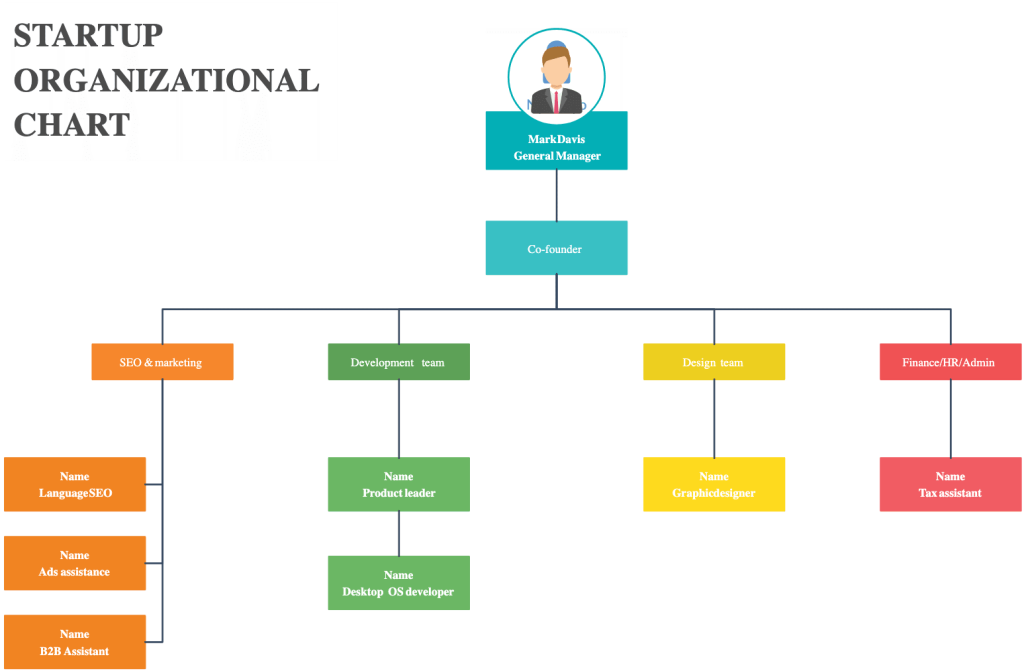
- Organizational Structure:
- Present a visual Organizational Chart showing the hierarchy (e.g., Founder/CEO, Operations Manager, Finance, etc.) and reporting relationships.
- Briefly describe the chosen structure (e.g., Flat, Hierarchical, Functional) and why it is the most efficient for your current size and future goals.
- Key Management Personnel:
- Provide a profile for each key member (e.g., Founder, Department Heads).
- Name and Title
- Roles and Responsibilities (Clearly define their specific duties).
- Relevant Experience and Expertise (Highlight their track record, qualifications, and how their skills align with the company’s objectives).
- Education and Professional Background (Keep it focused on relevance).
- Management Gaps and Needs:
- Identify any missing expertise or key roles (e.g., a dedicated Head of Marketing).
- Explain your plan to fill these gaps (e.g., a timeline for hiring, using a consultant/advisor, or developing internal talent).
- Board of Directors/Advisors (If applicable):
- List any key advisors or board members.
- Describe the strategic guidance and industry experience they bring to the company.
Operations Plan (The Engine of the Business)
This part describes the physical and logistical requirements and the daily workflow of your business.
- Business Location and Facilities:
- Describe your physical location (e.g., office, retail space, factory, online only) and its relevance to your market and operations in Kenya.
- Detail any necessary equipment, technology, or machinery.
- Mention ownership or lease details, and any plans for future expansion or relocation.
- Production/Service Delivery Process:
- Manufacturing/Sourcing: If you produce a physical product, outline the production process from raw materials to finished goods. If you source, detail your Supply Chain and Vendor/Supplier Agreements.
- Service Delivery: If a service, outline the steps from initial client contact to final delivery/follow-up.
- Highlight any unique technology or proprietary processes (e.g., an in-house developed app, a lean manufacturing system).
- Inventory Management (If applicable):
- Describe how you will manage inventory (e.g., Just-in-Time, reorder points).
- Detail your warehousing and logistics strategy.
- Quality Control (QC) and Standard Operating Procedures (SOPs):
- Explain the procedures you have in place to ensure the quality and consistency of your product or service.
- Outline essential SOPs for daily activities, customer service, or safety/compliance (e.g., food safety standards, financial reconciliation process).
- Legal and Regulatory Issues:
- List all necessary licenses, permits, and registrations required to operate in Kenya (e.g., KRA PIN, Business Permit from the County, industry-specific licenses).
- Describe your adherence to relevant Kenyan labour laws, tax regulations, and industry standards.
Management Structure
A well-defined management section of the Business Plan in Kenya outlines the team responsible for executing the business plan, instilling confidence in stakeholders regarding the leadership’s capability.
Key Components of the Management Section
- Organizational Chart: A visual representation of the internal hierarchy, showing reporting lines and the chain of command (e.g., Founder/CEO, Operations Manager, Finance Manager, etc.).
- Key Personnel: Detailed biographies for each core team member, including:
- Name and Job Title
- Roles and Responsibilities: Clear definition of their specific duties and decision-making authority.
- Relevant Experience and Expertise: Highlight their track record, education, and skills that are directly applicable to the business’s success.
- Accountability: Specify their key success metrics or outcomes.
- Management Gaps and Future Hires: Acknowledgment of any key positions currently unfilled and a plan for recruiting those roles, including the required skills and experience.
- External Management (Advisory Board): Listing any board members, advisors, or critical professional service providers (like accountants or legal counsel) who offer strategic guidance and oversight.
Why it matters: A strong management team is often considered a critical factor for business success, especially for startups. Highlighting the team’s combined experience, commitment, and alignment with the company’s mission is essential.
Operations Plan
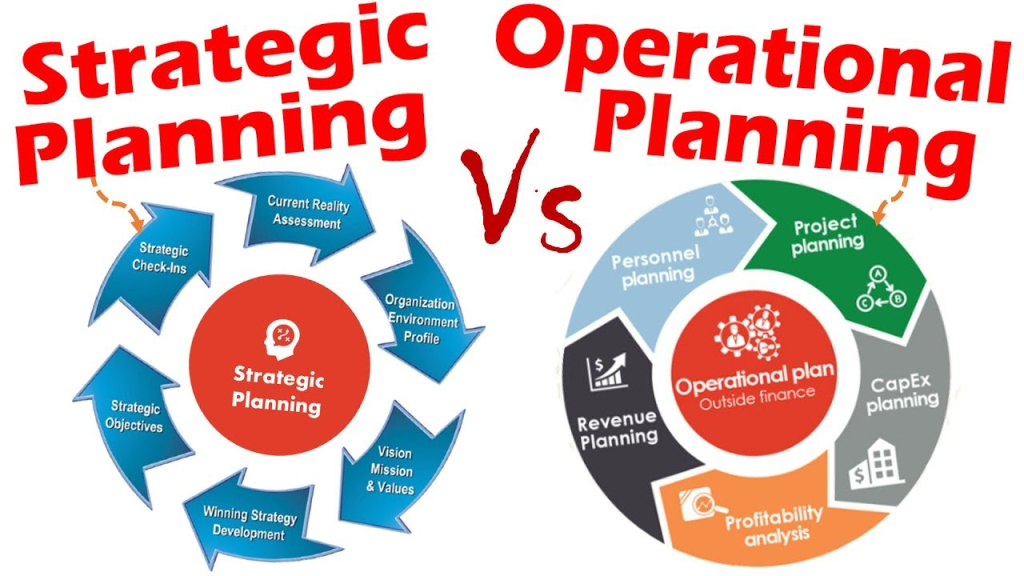
The operations plan details the day-to-day processes, activities, and resources necessary to produce your product or service and deliver it to the customer. It’s the blueprint for how the business works.
Essential Elements of the Operations Plan
The plan converts the strategic goals into actionable daily tasks, covering four main areas:
- Production and Service Delivery:
- Process Description: A step-by-step description of the workflow—from sourcing raw materials (or receiving an order) to delivering the final product or service. This is where you explain how the product/service is created.
- Standard Operating Procedures (SOPs): Detailed instructions for routine and critical tasks (e.g., cash handling, quality control, customer service, inventory receiving).
- Quality Control: Procedures to ensure the product or service consistently meets quality standards and customer expectations.
- Facilities and Equipment:
- Location: The physical location of the business and why it was chosen (e.g., proximity to suppliers, target market, or transport links).
- Assets: A list of essential machinery, equipment, software, and tools required for operations.
- Capacity: An assessment of the maximum volume the current setup can handle, and how capacity will be scaled as the business grows.
- Inventory and Supply Chain:
- Supplier Management: Identification of key suppliers, your relationship with them, and procurement/purchasing procedures.
- Inventory Control: Methods for tracking, storing, and managing raw materials and finished goods to minimize waste and ensure stock availability.
- Logistics: Plans for receiving supplies and delivering the finished product.
- Resource and Risk Management:
- Resource Allocation: Detailing the necessary budget, personnel (staffing plan), and time needed for operational tasks.
- Key Performance Indicators (KPIs): Measurable metrics (e.g., production efficiency, delivery time, defect rate) that will be monitored to track operational success.
- Risk Mitigation: Identification of potential operational risks (e.g., supply chain disruption, equipment breakdown) and contingency plans to address them.
Financial Control and Performance Metrics
Financial management is the bloodstream of your retail operation. Effective control prevents loss, ensures compliance, and provides the data you need to grow.
Standard Operating Procedures (SOPs) for Financial Control
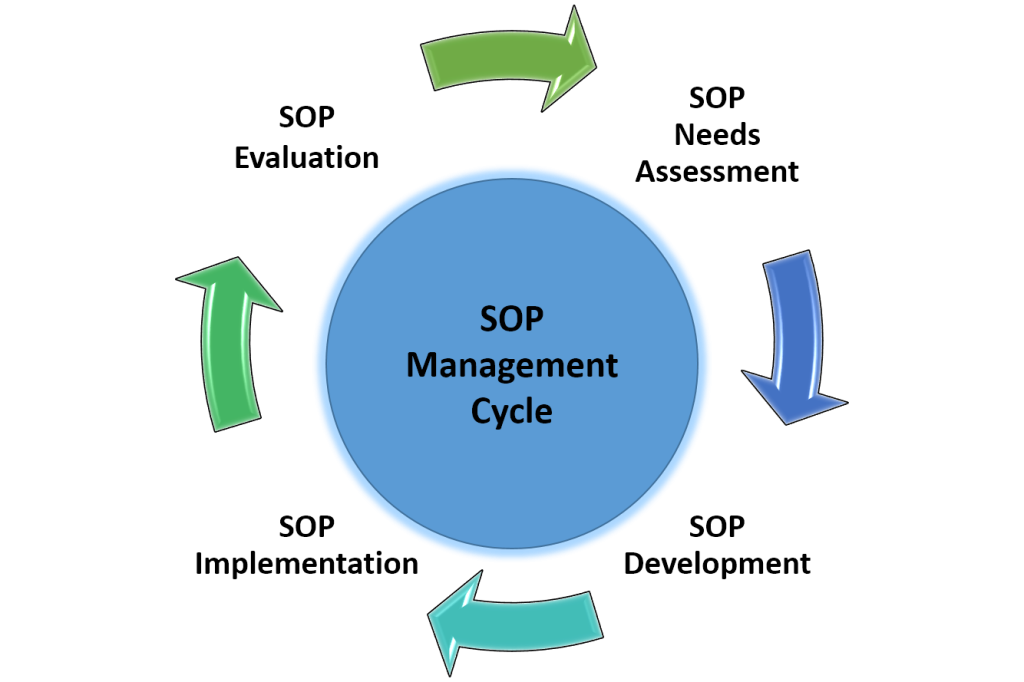
To maintain a healthy financial picture, you need clear, consistent procedures, especially around cash and inventory, which are the most vulnerable assets in a retail setting:
- Cash Management (Point-of-Sale – POS):
- Daily Cash Float: Always start the day with a fixed, documented opening balance (float).
- Shift Reconciliation: Each cashier must count their drawer and reconcile the physical cash against the POS system’s transaction report at the end of their shift. Any discrepancy must be immediately investigated and documented.
- Secure Deposits: All daily cash receipts should be counted by at least two people (the cashier and a manager) and immediately secured or deposited into the bank. Never keep large amounts of cash on the premises overnight.
- Petty Cash: Maintain a separate, strictly controlled petty cash fund for minor expenses, requiring a valid receipt for every disbursement.
- Inventory Control:
- Receiving Goods: A designated staff member must verify that the quantity and condition of goods received match the purchase order and supplier invoice before signing off.
- System Entry: Immediately after verification, new stock must be entered into the inventory management system (POS software or dedicated system) to ensure real-time accuracy.
- Periodic Counts: Conduct daily or weekly spot checks on high-value or fast-moving items, and a full physical stock count monthly or quarterly. The actual stock must be reconciled against the system’s records, with all variances investigated.
- Dead/Damaged Stock: Establish a clear SOP for identifying, documenting, and physically separating damaged, expired, or obsolete (dead stock) items to be written off. This minimizes waste and prevents inaccurate inventory records.
Key Performance Indicators (KPIs) for Operations
To judge how well your operational plan is executing, you must track specific metrics. These KPIs give you actionable insights into efficiency and profitability.
| Retail KPI | Formula | What it Measures & Why it Matters |
| Inventory Turnover Rate | $$\frac{\text{Cost of Goods Sold (COGS)}}{\text{Average Inventory Value}}$$ | How many times inventory is sold and replaced over a period. A high rate is good, indicating strong sales and efficient stock management (less dead stock). |
| Gross Margin Return on Investment (GMROI) | $$\frac{\text{Gross Profit}}{\text{Average Inventory Cost}}$$ | The profit generated for every shilling invested in inventory. A value above 1.0 is essential, as it means your returns exceed your investment cost. |
| Average Transaction Value (ATV) | $$\frac{\text{Total Revenue}}{\text{Total Number of Transactions}}$$ | The average amount a customer spends per visit. Measures the effectiveness of up-selling, cross-selling, and merchandise arrangement. |
| Sales per Square Foot | $$\frac{\text{Total Net Sales}}{\text{Total Retail Area (in square feet)}}$$ | The revenue efficiency of your physical space. Helps you identify which areas of the store are most profitable. |
| Shrinkage Rate | $$\frac{\text{(Recorded Inventory – Actual Inventory)}}{\text{Recorded Inventory}} \times 100$$ | Loss due to theft, damage, or administrative errors. Keeping this rate low is critical for direct profitability. |
Risk Mitigation Strategies
Every operation faces risks, from stock-outs to theft. A proactive Risk Management Plan involves identifying threats and developing a strategy to avoid, reduce, transfer, or accept them.
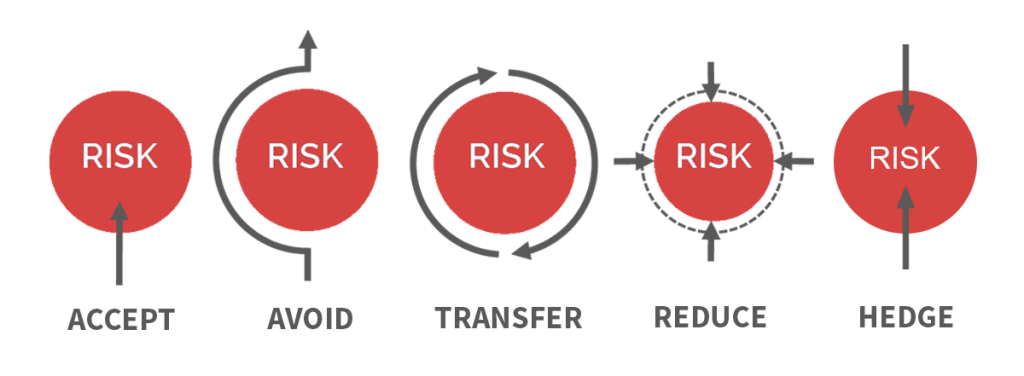
- Supplier & Supply Chain Risk:
- Strategy: Diversification. Establish relationships with at least two reliable suppliers for key products to mitigate the impact of a single supplier failing or facing logistical issues.
- Operational & Financial Risk (Theft/Fraud):
- Strategy: Control & Insurance. Implement the robust financial SOPs mentioned above, cross-train staff, and invest in a comprehensive business insurance policy (e.g., fire, theft, public liability) to transfer the financial consequence of major unforeseen events.
- Technology/System Failure:
- Strategy: Contingency Plan. Use cloud-based POS and accounting systems with daily backups. Have a simple, manual fallback process (e.g., printed receipts, manual logbook) ready to use during power outages or system downtimes.
- Market Risk (Economic Downturn/Competition):
- Strategy: Flexibility. Regularly review pricing and costs, and maintain a contingency fund (e.g., 3-6 months of operating expenses) to buffer the business during periods of low sales.
Technology for Retail Success
In the competitive retail landscape, leveraging technology is crucial for a small business to streamline operations, reduce errors, and gain valuable insights.
- Point of Sale (POS) and Inventory Management System:
- Implement an integrated POS system that handles sales transactions and simultaneously tracks inventory levels in real-time. This is vital for managing stock, identifying fast-moving and slow-moving items, and preventing stockouts or overstocking.
- Look for local or affordable global solutions like JiPOS, SimbaPOS, UZAPOINT, or KORONA POS (as seen in the Kenyan market) that offer features tailored for small businesses, including M-Pesa integration and ease of use.
- Cloud-Based Accounting Software:
- Transitioning from manual or desktop-based accounting to a cloud-based solution (like QuickBooks, Xero, or Sage, which have a presence in Kenya) offers significant benefits:
- Accessibility: Access your financials anytime, anywhere, from any device.
- Real-time Insights: Get an up-to-the-minute view of your financial health, enabling quick, informed decisions.
- Automation: Automate repetitive tasks like bank reconciliation and invoicing, which saves time and reduces human error.
- Data Security and Backup: Your data is securely backed up and protected with bank-level security measures by the provider.
- Transitioning from manual or desktop-based accounting to a cloud-based solution (like QuickBooks, Xero, or Sage, which have a presence in Kenya) offers significant benefits:
Human Resources: Building Your Team
Your staff is the face of your business, and having clear policies and a strong hiring/training process is key to success.

1. Key HR Policies
Establish essential policies and procedures to ensure a fair, compliant, and productive work environment, adhering to Kenyan labor laws. Key policies a small retail business should have include:
- Code of Conduct: Defines expected professional behaviour, dress code, and standards for client interaction.
- Discipline and Termination Policy: Clearly outlines procedures for addressing misconduct or poor performance, ensuring legal compliance.
- Leave Policy: Details entitlements and procedures for annual leave, sick leave, maternity/paternity leave, and public holidays as required by Kenyan law.
- Workplace Health and Safety (WHS) Policy: Outlines procedures for maintaining a safe working environment and handling emergencies.
- Grievance Handling Policy: Provides a formal process for employees to raise concerns and resolve disputes fairly.
- Compensation and Benefits Policy: Clearly defines pay schedules, deductions, and any benefits provided.
2. Hiring and Training Retail Staff
Focus on finding the right fit and then equipping them with the necessary skills.
| Step | Focus Area | Actionable Points |
| Hiring | Attitude over Skill | Hire for attitude (people-oriented, positive, adaptable) and train for skills (POS operation, inventory). |
| Clear Job Descriptions | Detail responsibilities, qualifications, and expected customer service skills to attract the right candidates. | |
| Assess Customer Service | Use behavioural interview questions (“Tell me about a time you dealt with a difficult customer”) to gauge interpersonal skills. | |
| Training | Structured Onboarding | Provide a comprehensive orientation to the company’s culture, policies, and systems (especially the POS/inventory system). |
| On-the-Job Training | Implement practical training on daily tasks like cash handling, stock receiving, merchandising, and customer engagement. | |
| Continuous Development | Offer ongoing training, particularly in soft skills (communication, conflict resolution), as these directly impact the customer experience. |
Scaling and Exit Strategies: Planning for the Future
Once your small retail business is stable and profitable, the focus shifts to long-term growth and, eventually, your exit. These are critical phases that determine your business’s legacy and your final return on investment.
Scaling Your Small Retail Business in Kenya
Scaling means growing your business revenues significantly without a proportional increase in costs. Key strategies for the Kenyan retail market include:
- Embrace E-commerce and Mobile Payments: Kenya has high mobile money penetration (like M-Pesa). Integrate mobile payments and establish an online storefront (even a simple, mobile-friendly one) to reach a wider customer base beyond your physical location.
- Expand Your Product/Service Line: Based on data (what’s selling and customer feedback), introduce complementary products or new services (e.g., delivery, personalized shopping, minor repairs) to increase the average customer transaction value.
- Strategic Partnerships: Collaborate with complementary local businesses. For example, a clothing boutique could partner with a local dry cleaner or a tailor for value-added services.
- Optimize Operations with Technology: Invest in a modern Point-of-Sale (POS) system that can manage inventory, track sales data, and generate reports. Automation of tasks like accounting and inventory management frees up your time to focus on growth.
- Loyalty and Customer Retention Programs: Implement a simple rewards program to encourage repeat business. Retaining existing customers is often more cost-effective than acquiring new ones.
- Geographic Expansion (Carefully): Instead of immediately opening a new full-size store, test new locations with pop-up shops or small kiosks in different neighborhoods or towns to gauge market demand with lower risk.
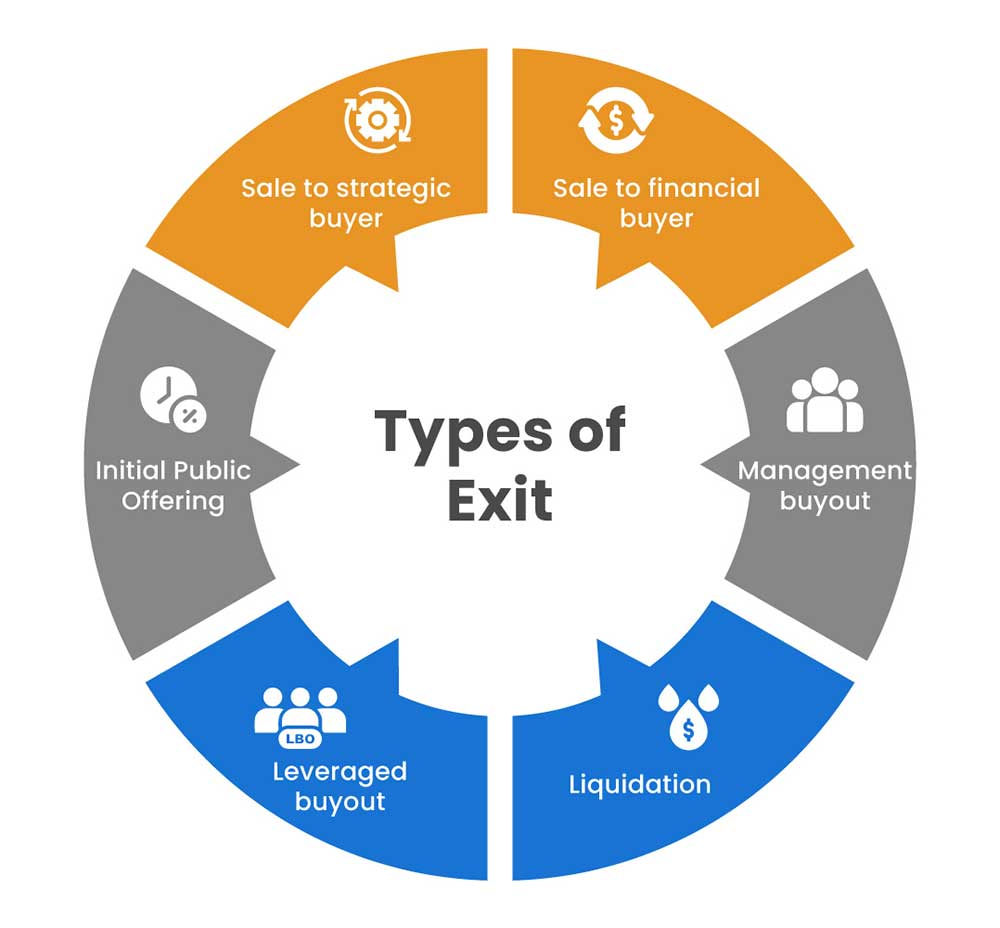
Preparing Your Exit Strategy
Every business owner will eventually leave their business. Having an exit strategy planned maximizes its value when you are ready to depart.
- Selling the Business (Acquisition):
- External Buyer (Competitor or Investor): This often yields the highest price, but requires your business to have clear, well-documented operations and proven profitability. Start documenting processes and building a strong management team early.
- Internal Buyer (Management Buyout or Key Employee): This ensures continuity of your vision, but you may have to provide seller financing since employees may not have large upfront capital.
- Family Succession:
- Common in Kenyan family-owned businesses, this requires a formal succession plan, not just an assumption.
- Train the Successor: The next generation should be actively involved in operations and decision-making for several years to ensure a smooth transition.
- Formalize Governance: Establish clear rules for ownership, management, and conflict resolution (a ‘Family Business Constitution’) to protect the business and family harmony.
- Liquidation:
- This is the sale of all business assets (inventory, equipment, fixtures) and is typically the least desirable, often only pursued if the business is struggling or if a high price cannot be secured for the going concern.
General Summary and Conclusion for Starting and Growing a Small Retail Business in Kenya
Summary of Key Steps

Starting a successful small retail business in Kenya, while promising due to urbanization and rising incomes, demands a methodical approach. The foundational steps involve:
- Thorough Planning: Define a unique business concept and conduct comprehensive market research to identify a profitable niche, understand consumer demand, and analyze competitors. This is formalized in a robust business plan covering your target audience, financial projections, and marketing strategy.
- Legal & Financial Setup: Formalize your business by registering it and securing necessary licenses. Crucially, establish a strong financial foundation by securing adequate financing, separating business and personal accounts, and keeping detailed records to manage cash flow and profitability.
- Operations & Customer Focus: Select a strategic location with good accessibility and foot traffic. Implement efficient inventory management systems to avoid stockouts and excess inventory. Most importantly, prioritize exceptional customer service to build a loyal customer base, as your people are a key differentiator.
- Growth & Adaptation: Develop an effective marketing and promotion strategy, leveraging both in-store and online platforms (social media, e-commerce) to reach a wider audience. Constantly monitor performance metrics, stay competitive on pricing, and be prepared to adapt to the dynamic Kenyan market by embracing technology and continuous learning.
Conclusion and Final Advice
The journey of a small retail entrepreneur in Kenya is one of calculated risk and relentless hard work. Success hinges on mastering the fundamental principles: “the customer is king” and “retail is detail.”
To thrive and ensure long-term sustainability, an entrepreneur must:
- Be Customer-Obsessed: Everything—from product selection to store experience—must revolve around solving the customer’s needs and delivering service that consistently exceeds expectations.
- Be Disciplined with Finances: Volatility is a reality. Maintaining meticulous records, sticking to a budget, and negotiating favorable supplier terms are non-negotiable for managing cash flow and preventing failure.
- Embrace the Digital Shift: Leverage technology, whether a modern Point-of-Sale (POS) system for efficiency or a robust online presence for expanded reach. The future of retail is omnichannel.
- Don’t Wait for Perfect: The best time to start is now. Begin with what you’ve learned, start small, and commit to growing and evolving over time.
By combining solid preparation with grit, flexibility, and an unwavering focus on the customer, Kenyan retail entrepreneurs can overcome challenges and carve out a profitable, sustainable niche in the growing economy.