
Mastering Passive Income in Kenya: A Comprehensive Guide to Financial Freedom
The dream of earning money while you sleep is no longer a myth; it’s a strategically achievable goal, especially in a dynamic and growing economy like Kenya’s. Passive income in Kenya represents the cornerstone of true financial freedom, allowing you to decouple your time from your earnings. Unlike the traditional 9-to-5 where you exchange time for money (active income), passive income involves an initial investment—be it of time, capital, or skill—that creates an asset that generates continuous returns with minimal ongoing effort.

For many Kenyans, building wealth requires moving beyond a single salary or business. The goal is to create multiple, diverse income streams that can weather economic storms and provide stability. This in-depth guide is your blueprint to identifying, building, and optimizing genuine streams of passive income in Kenya, focusing on practical, high-potential opportunities, from low-risk investments to highly scalable digital ventures.
Investment-Based Passive Income in Kenya: The Low-Risk Starting Point
For those who are just beginning their journey toward financial independence, or those who prioritize capital preservation and liquidity, investment-based strategies are the ideal starting point for generating passive income in Kenya. These options are highly regulated, offer predictable returns, and require relatively low entry capital, making them accessible to a broad demographic.
Money Market Funds (MMFs): The Cornerstone of Passive Income in Kenya
Money Market Funds (MMFs) are arguably the most popular and accessible form of passive income in Kenya. They are a type of Unit Trust that pools money from many investors to invest in short-term, low-risk, interest-bearing assets.
What MMFs Invest In:
- Treasury Bills (T-Bills): Short-term government debt (maturing in less than one year).
- Fixed Deposit Accounts: Deposits held in highly rated commercial banks.
- Commercial Papers: Short-term, unsecured debt issued by large, stable corporations.
Key Features and Deep Dive Knowledge:
- Low Risk & Capital Preservation: MMFs are considered the least risky of all Unit Trusts. They aim to preserve the investor’s initial capital. The primary risk is a fluctuation in the daily yield (interest rate), not the loss of the invested principal.
- High Liquidity: Funds are highly liquid. Most MMFs allow withdrawals within 24-72 hours, making them excellent for an emergency fund or saving for short-term goals. Some providers even allow instant withdrawals of smaller amounts via M-Pesa.
- Competitive Returns: MMFs typically offer returns that are higher than traditional savings accounts and often beat the prevailing inflation rate, protecting the purchasing power of your money.
- Data Fact: As of September 2025, the average daily cumulative net return (after 15% Withholding Tax) for top-performing Kenyan MMFs ranged from approximately 7.00% to over 10.40% per annum.
Case Study: Comparing MMF Performance (September 2025 Data)
To illustrate the potential for passive income in Kenya through MMFs, consider the following data (note: Past performance does not guarantee future results):
| Fund Manager | Average Gross Return (p.a.) | Net Return (After 15% WHT) | Minimum Initial Investment (KES) |
| Cytonn MMF | 12.23% | 10.40% | 100 |
| Lofty-Corban MMF | 11.49% | 9.77% | 1,000 |
| Old Mutual MMF | 10.28% | 8.74% | 1,000 |
| CIC MMF | 8.22% | 6.99% | 1,000 |
Source: Market Performance Reports, September 2025
Starting Your MMF Journey:
- Research & Compare: Look at the net-of-tax returns, management fees, and the reputation of the fund manager (who must be licensed by the Capital Markets Authority – CMA).
- Open Account: This is often done digitally via mobile app or online portal, requiring your National ID and KRA PIN certificate.
- Regular Top-Ups: Consistency is key. Setting up a regular monthly contribution, even a small amount like KES 2,000, allows the power of compounding to multiply your passive income in Kenya over time.
MMFs vs. Treasury Bonds: Which is Better for Passive Income in Kenya?
While MMFs are highly liquid, a deeper dive into fixed-income securities introduces Treasury Bonds (T-Bonds), which often offer a higher return for a longer lock-in period. Understanding this distinction is vital for optimizing your passive income in Kenya strategy.
| Feature | Money Market Funds (MMFs) | Treasury Bonds (T-Bonds) – Direct Purchase |
| Risk Level | Very Low (focus on capital preservation) | Low (backed by the Government of Kenya) |
| Liquidity | High (Withdrawals within 24-72 hours) | Low (Capital is locked until maturity – 1 to 30 years) |
| Income Type | Daily Compounding Interest (Variable Yield) | Semi-Annual Coupon Payments (Fixed Rate) |
| Minimum Investment | As low as KES 100 to KES 5,000 | Minimum is KES 50,000 |
| Time Horizon | Short-term (Emergency Fund, < 1 Year Goals) | Medium to Long-term (1 to 30 years) |
In-Depth Analysis:
- For the short-term: MMFs are superior. They are an accessible liquid safety net that still earns competitive interest, making them the ultimate vehicle for your emergency fund.
- For the long-term: T-Bonds are a better generator of predictable passive income in Kenya. They pay a fixed coupon rate every six months for the life of the bond. For example, a 15-year infrastructure bond issued at a 13.5% coupon rate will pay a fixed income regardless of market fluctuations, providing a powerful hedge against economic volatility for your passive income in Kenya portfolio.
Profitable Ideas Passive Income in Kenya 🇰🇪
Passive income involves generating earnings that require minimal ongoing effort after the initial work or investment. In Kenya, this can range from digital ventures to real estate investments.
#1 Digital Passive Income Ideas
Digital opportunities are accessible and can be scaled effectively:
- Selling Digital Products: Create and sell items like eBooks, online courses (on platforms like Teachable or Zydii.com), website themes, or digital designs Companies I.e Host Kenya and Marsha Creatives (logos, templates) . Once the product is created, sales can generate passive income over time.
- How to Start: Choose a niche based on your expertise or passion, create a high-quality product, and use platforms like your own website, Gumroad, or Teachable to sell it.
- Affiliate Marketing: Earn a commission by promoting other companies’ products or services.
- Steps to Start:
- Choose a Niche: Select a specialized, profitable segment you’re knowledgeable about (e.g., specific tech gadgets, home organization).
- Select a Platform: Use a blog, a dedicated product review website, or social media channels like YouTube or TikTok to share content.
- Join Affiliate Programs: Sign up for programs like Jumia Affiliate Program, Amazon Associates, or international networks like Awin or ClickBank.
- Create Valuable Content: Write reviews, tutorials, or comparison posts and naturally integrate your unique affiliate links.
- Drive Traffic: Use Search Engine Optimization (SEO) or social media marketing to get people to view your content and click your links.
- Steps to Start:
- Blogging or YouTube Channel: Create content around a niche and monetize through affiliate marketing, selling your own digital products, or running ads (e.g., Google AdSense). This requires time to build a sizable audience but can become a steady income stream.
- Print-on-Demand (POD) Business: Create unique graphic designs and list them on platforms (like Gelato) that print the designs onto products (T-shirts, mugs, etc.) and ship them directly to the customer when an order is made.
#2 Real Estate and Rental Income
Real estate remains a strong avenue for passive income in Kenya, especially in high-demand areas like Nairobi:

- Buy-to-Let Properties: Purchase residential (apartments) or commercial properties and rent them out to tenants for a steady monthly income.
- Key Considerations: Focus on locations with good infrastructure, access to amenities, and high tenant demand (e.g., Kilimani, Westlands in Nairobi). Effective property management (which can be outsourced) is crucial for maximizing returns.
- Short-Term Rentals (Airbnb): Renting out a spare room or an entire well-furnished apartment on platforms like Airbnb, particularly in tourist hotspots or major cities like Nairobi and Mombasa, can often yield higher returns than traditional long-term leases.
- Real Estate Investment Trusts (REITs): This is an alternative that allows you to invest in a portfolio of income-generating real estate without the complexities of direct property management.
- How it Works: REITs pool funds from investors to acquire or develop properties. They are regulated by the Capital Markets Authority (CMA) and must distribute a significant portion (often up to 90%) of their taxable income to unit holders as dividends, providing a consistent income stream.
- Kenyan Examples: Acorn I-REIT and ILAM Fahari I-REIT (Income REITs) are options currently available on the market.
#3 Fixed-Income Securities and Money Market Funds
This opportunity focuses on investments that pay a fixed, predictable rate of return, providing a steady income stream.
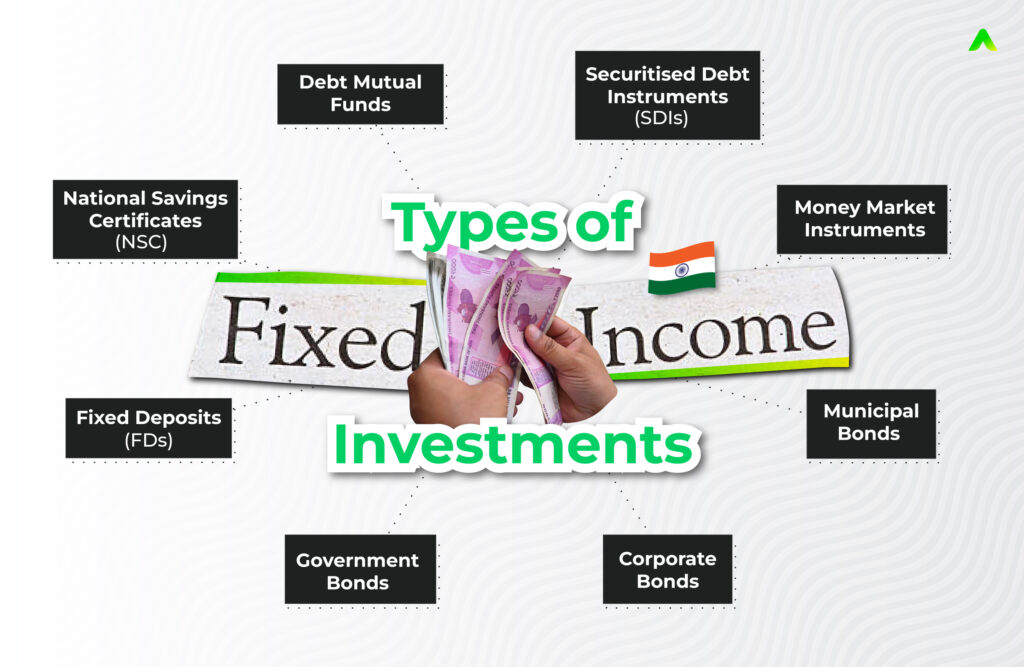
1. Treasury Bills and Bonds (Government Securities)
This is considered one of the safest passive income options because the investment is backed by the government.
- Treasury Bonds (T-Bonds): These are long-term instruments (maturities of 2 to 30 years) that pay a fixed interest rate (coupon) semi-annually (every six months). They are an excellent source of predictable, long-term passive income. Some, like Infrastructure Bonds, offer tax-exempt returns.
- Treasury Bills (T-Bills): These are short-term investments (91, 182, or 364 days). They are sold at a discount to their face value, and you get the full face value back at maturity. The difference is your passive income/return.
- How to Start (in Kenya): You can invest directly through the Central Bank of Kenya (CBK) by opening a DhowCSD Account or through an investment bank or a commercial bank. The minimum investment is typically KES 50,000.
2. Money Market Funds (MMFs)
MMFs are a popular, low-risk, and highly liquid investment vehicle ideal for short-term savings or emergency funds, offering higher returns than traditional savings accounts.
- How it Works: You invest your money with a licensed fund manager, who pools it with other investors’ money to buy short-term, high-quality, low-risk instruments like T-Bills, commercial paper, and fixed bank deposits.
- Passive Income: You earn interest on your investment, which is calculated daily and typically allocated to your account monthly.
- Benefits:
- Low Minimum Investment: Often starting from as low as KES 500 to KES 1,000.
- High Liquidity: You can easily withdraw your funds, often with quick access via mobile apps or USSD.
- Low Risk: The investments are highly diversified into safe, short-term assets, protecting your capital from market volatility.
3. Dividend-Paying Stocks
This involves investing in shares of publicly traded companies that regularly distribute a portion of their earnings to shareholders.
- How it Works: You buy shares in stable, profitable companies (often on the Nairobi Securities Exchange, NSE) with a history of paying out dividends.
- Passive Income: You earn a dividend—a cash payment per share—usually on a quarterly or annual basis, without selling your stock. You also benefit from any capital appreciation (rise in the stock price).
- How to Start: Open a brokerage account with a licensed firm and select reliable companies that are known for consistent dividend payouts.
#4 Investments in Other Asset Classes
This category includes investments that can be highly passive once the initial selection is made, offering cash flow that isn’t directly tied to the daily fluctuations of the stock market or active business management.
Here are two popular options within this category:
1. Peer-to-Peer (P2P) Lending
P2P lending involves lending money to individuals or small businesses through online platforms in exchange for interest payments.
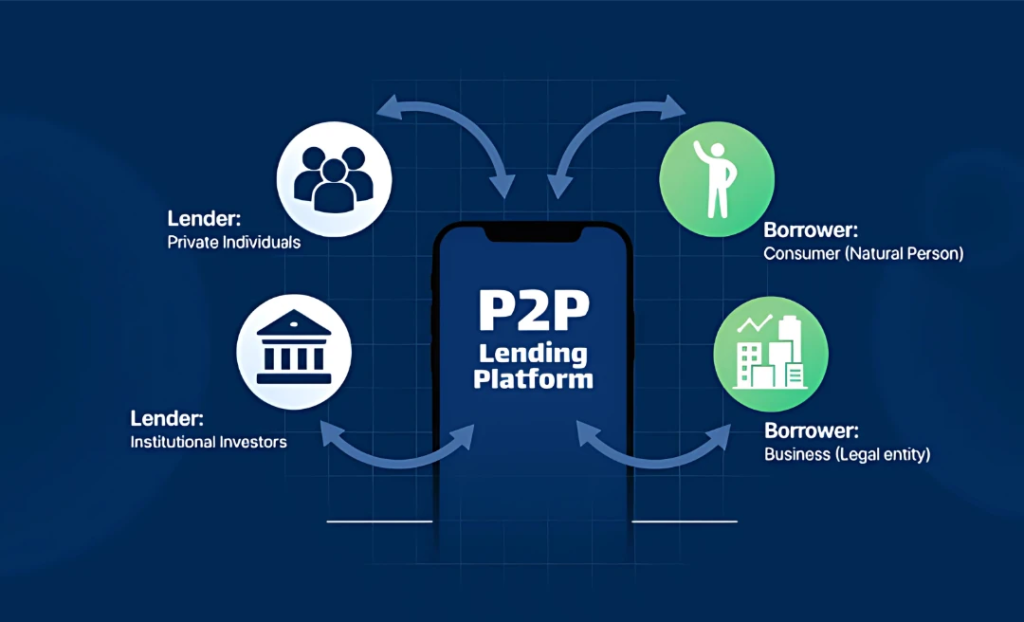
- How it Works: You fund a loan (or a portion of many loans) through a regulated platform. The borrower repays the loan in installments with interest, and the platform handles the servicing.
- Passive Element: Many platforms offer “auto-invest” features where you set your lending criteria (interest rate, risk level) once, and the platform automatically allocates your funds to new loans, minimizing your time commitment.
- Key Consideration: This is not risk-free. If a borrower defaults, you could lose your principal. Diversification across many small loans is crucial to mitigate this risk. In some countries, including Kenya, there are local P2P platforms you can explore, though regulatory landscapes vary.
2. Investing in Royalties
This is an advanced, yet potentially very passive, way to earn income from the commercial use of intellectual or physical property.
- How it Works: You purchase the rights to a stream of income generated by a creative work or a natural resource. This could include royalties from:
- Music/Literature: Payments to the creator every time a song is streamed or a book is sold.
- Patents/Trademarks: Fees paid for the use of an invention or a brand.
- Oil and Gas/Minerals: Payments to the owner of the mineral rights based on the production from the land (often through Royalty Trusts).
- Passive Element: Once you buy the royalty stream (often through specialized auction sites or investment trusts), you simply receive payments for the life of the asset.
- Key Consideration: The income is entirely dependent on the commercial success of the underlying asset (e.g., how popular the song remains, or the price of oil). It requires significant due diligence before investing.
#5 Investment Vehicles
These options typically require a monetary investment and are generally considered highly passive, requiring minimal ongoing effort:
- Money Market Funds (MMFs): These are one of the most liquid and low-risk investments in Kenya. Your money is pooled and invested in short-term government securities, bank deposits, and corporate debt.
- Minimum Investment: Can be as low as Ksh 500 to Ksh 5,000.
- Passive Nature: Highly passive, as a fund manager handles all the investment decisions.
- Treasury Bills (T-Bills) and Bonds (T-Bonds): These are debt instruments issued by the Kenyan government.
- Minimum Investment: T-Bills often start at Ksh 100,000 and T-Bonds at Ksh 50,000.
- Passive Nature: Once purchased, they provide periodic interest payments (T-Bills are discounted, T-Bonds pay a coupon) until maturity.
- Dividend-Paying Stocks/Equity Funds: Investing in shares of reputable companies on the Nairobi Securities Exchange (NSE) that regularly pay out a portion of their profits as dividends. You can also invest through an Equity Fund in a unit trust.
- Minimum Investment: Varies, but some unit trusts allow investments from as low as Ksh 5,000. Direct stock purchase requires a minimum number of shares (often 100).
- Passive Nature: Very passive, earning income through dividends and potential capital appreciation.
- Real Estate Investment Trusts (REITs): These allow you to invest in a portfolio of income-generating real estate (like rental properties) without having to buy and manage the physical property yourself.
- Minimum Investment: Varies, but can be a good way to access real estate with less capital than buying a property outright.
- Passive Nature: Extremely passive, as professional managers handle the property acquisition, management, and rental collection.
- Peer-to-Peer (P2P) Lending: Platforms that connect investors with individuals or small businesses seeking loans. Your return is generated from the interest paid on the loan.
- Minimum Investment: Varies by platform, some as low as Ksh 1,000 to Ksh 10,000.
- Passive Nature: Mostly passive, but involves the risk of borrower default.
Investment and Finance Alternatives
- High-Yield Savings Accounts and Certificates of Deposit (CDs): While returns are often lower than other investments, they are a low-risk, highly liquid way to earn interest on your cash, making them suitable for an emergency fund or short-term savings.
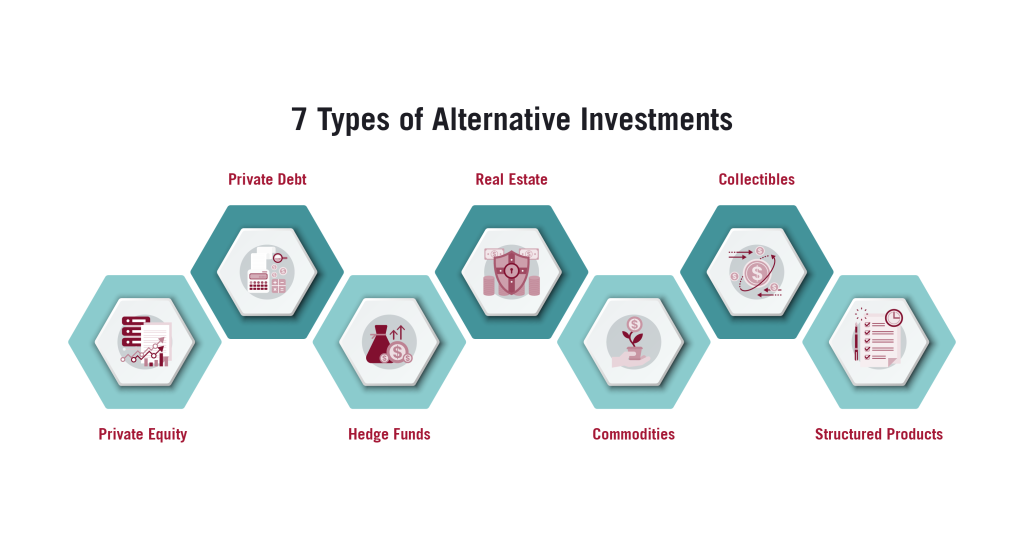
- Startup Investments/Venture Capital: You can invest smaller amounts in startups through online crowdfunding platforms. This carries a high risk but has the potential for high returns if the company succeeds.
- Buying a Monetized Website or Blog: Instead of building a site from scratch, you can purchase an already profitable website with established traffic and income streams (e.g., affiliate marketing, ads).
Physical Asset and Space Sharing
- Vending Machines or ATMs: This involves an initial investment in the machine and securing a good location. Once set up and stocked, it provides income with maintenance limited to restocking and collecting cash.
- Renting Out Unused Space or Assets:
- Premium Space Sharing: Rent out specialized storage space (e.g., wine, art, specialty vehicles) in your property if you have suitable facilities.
- Advertise on Your Car: Companies will pay you to display advertisements on your vehicle.
- Rent out useful household items or party supplies.
Creative and Intellectual Property
- Licensing Intellectual Property (IP): If you create unique assets like music, images, software, or even a compelling product idea, you can earn royalties by licensing it to others for their use.
Automated Services
- Laundromat or Self-Service Car Wash Ownership: These are businesses that can be highly automated or run with minimal staff, offering revenue from a physical location with an initial high capital investment.
Deep Dive into Top Passive Income Ideas
Now that you’ve seen the breadth of passive income opportunities, let’s explore a few of the most accessible and popular methods in detail. Getting started requires understanding the initial effort and capital involved.
1. Generating Interest from High-Yield Accounts (Low Effort, Low Risk)
One of the simplest ways to earn passive income is by leveraging the interest paid by banks. While not generating massive returns, it’s a secure, low-risk way to make your savings work for you.
- High-Yield Savings Accounts (HYSAs): These accounts typically offer significantly higher Annual Percentage Yields (APYs) than traditional savings accounts, often from online-only banks. Your money remains liquid (accessible), making HYSAs an excellent place for emergency funds or short-term savings goals. The interest rate, however, is variable and can change with market conditions.
- Certificates of Deposit (CDs): A CD is a savings certificate with a fixed maturity date (e.g., 6 months, 1 year, 5 years) and a fixed interest rate. You agree to leave your money untouched for the specified term. In exchange for this commitment, CDs often offer higher, fixed interest rates than HYSAs, providing a guaranteed return. Early withdrawal usually incurs a penalty.
- Strategy: The CD Ladder: To balance the higher returns of a CD with the need for liquidity, you can create a CD Ladder. This involves dividing your money and investing it into multiple CDs with staggered maturity dates (e.g., one matures every 6 or 12 months). As each one matures, you can reinvest it into a new, long-term CD at the end of your ladder, giving you regular access to a portion of your funds while continually locking in higher, long-term rates.
| Feature | High-Yield Savings Account (HYSA) | Certificate of Deposit (CD) |
| Risk Level | Low | Low |
| Interest Rate | Variable (fluctuates with market) | Fixed (locked-in for the term) |
| Liquidity | High (easy access, though limited monthly withdrawals) | Low (funds locked until maturity, early withdrawal penalty) |
| Best For | Emergency funds, short-term goals | Fixed-date goals (e.g., saving for a down payment in 3 years) |
2. Starting a Vending Machine Business (Medium Effort, Low-to-Medium Risk)
A vending machine business involves an initial investment in equipment and inventory, but once set up, it can generate consistent cash flow with relatively low overhead.
- Initial Steps:
- Research and Niche Selection: Decide what to sell (snacks, cold drinks, healthy options, specialty items like coffee or PPE). Research local demand and competition.
- Secure Funding and Equipment: The machine itself is the biggest initial cost, ranging from a few hundred dollars for used models to over $10,000 for new, technologically advanced units (with cashless payment and inventory monitoring).
- Find Prime Locations: This is the most crucial step. Look for high-traffic areas like office buildings, hospitals, gyms, schools, and apartment complexes. You will need to negotiate a contract (often a flat monthly fee or a percentage of sales) with the property owner.
- Maintaining Passivity: While not entirely “hands-off,” you can minimize active work by:
- Using remote monitoring software to track inventory and sales.
- Focusing on high-margin products that sell consistently.
- Creating an efficient route for restocking and cash collection (the main active tasks).
- As you scale, you can hire a part-time service person to handle stocking and maintenance, making it more passive.
3. Creating a Passive Income Blog or YouTube Channel (High Effort Upfront, High Potential Reward)
While the effort required to create and initially promote content is high, once your archive of content is established and attracting traffic, it can generate income passively through multiple streams.
- Monetization Methods:
- Affiliate Marketing: Placing links in your content to products or services you recommend. You earn a commission when a reader clicks the link and makes a purchase.
- Display Advertising: Joining an ad network (like Google AdSense or Mediavine) that places automated ads on your site or channel. You earn money based on page views or clicks.
- Selling Digital Products: Creating an e-book, online course, or downloadable templates (like budgets or planners) and selling them directly. This is a one-time effort that can lead to recurring sales.
- The “Passive” Element: The passivity comes from your archive of evergreen content (content that remains relevant over time) that continues to rank in search engines and bring in traffic and sales long after the initial creation.
Digital Passive Income Streams
Two of the most popular digital paths for passive income are affiliate marketing through a blog and selling digital products.
1. Optimizing a Blog for Affiliate Income and Ads
To maximize passive income from a blog, focus on strategic affiliate marketing and display ads:
- Know Your Audience and Niche: Understand your readers’ needs and problems to recommend relevant products.
- Choose the Right Affiliate Programs: Select products you genuinely believe in and use.
- Optimize High-Traffic Posts: Review your most popular posts using tools like Google Analytics and strategically insert relevant, natural-feeling affiliate links (this is often called “low-hanging fruit”).
- Create Value-Driven Content: Write posts (like reviews, comparisons, or “how-to” guides) where the primary goal is to help the reader, with the affiliate product being a genuine solution.
- SEO is Essential: Optimize your posts for search engine optimization (SEO) to maintain and grow your traffic over time.
- Legal Compliance: Be sure to disclose your affiliate relationship as required by advertising rules and platform terms of service.
- Use Ad Networks: Once you meet the traffic thresholds, placing automated display ads (like those from Google AdSense or higher-tier networks) can provide another stream of truly passive income.
2. Creating and Selling Digital Products
Digital products, such as e-books, online courses, and templates, offer high scalability because they are created once and sold repeatedly.
- Identify Your Expertise and Passion: Start with a topic you’re knowledgeable and passionate about that addresses a specific need or problem for an audience.
- Conduct Market Research: Use tools like Google Trends and social platforms (like Reddit or YouTube) to validate demand for your idea and see what existing products are missing or could be improved.
- Focus on a User-Centered Approach: Create a Minimum Viable Product (MVP) first and gather feedback to ensure it solves your audience’s problem effectively.
- Choose a Selling Platform: Decide whether to sell on your own website (e.g., using WooCommerce) for more control or on a marketplace (e.g., Etsy, Gumroad, Teachable) for wider reach.
- Marketing Strategy: Promote your product through free content (like a blog or YouTube channel), social media, and by building an email list before and after launch for continued sales.
Long-Term Maintenance and Scaling
True passive income often requires minimal ongoing effort once set up, but successful scaling and maintenance demand a strategy:
- Reinvest and Diversify: Reinvest profits into other income-producing assets (like dividend stocks, index funds, or more digital products) to build wealth over time.
- Automate Processes: Automate wherever possible, whether it’s dividend reinvestment, scheduled content updates, or using an affiliate link management tool.
- Update Content and Products: Digital products and content, especially online courses and highly competitive blog posts, need regular, minor updates to stay relevant, accurate, and optimized for search engines.
- Maintain Audience Trust: Continue to prioritize providing high value and maintaining your audience’s trust; this is the most critical long-term asset.
Active Income vs. Passive Income: The Key to Financial Freedom
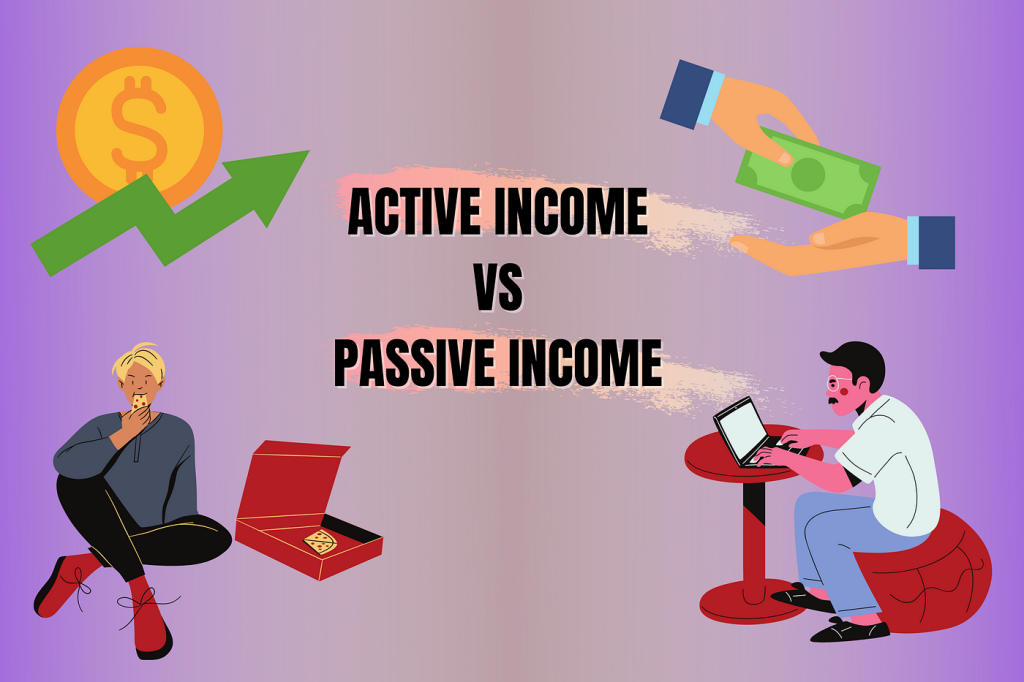
The journey to financial security starts with understanding where your money comes from. All income generally falls into one of two categories: Active Income or Passive Income. Knowing the difference is crucial for effective money management and long-term wealth creation.
Active Income in Kenya: Trading Time for Dollar
Active income is the money you earn in exchange for performing a service or work. It requires your direct, ongoing involvement—you trade your time and effort for a paycheck.
- Examples: Salaries, hourly wages, tips, commissions, and most income from a side hustle like freelancing, driving for a rideshare service, or consulting.
- Pros: It’s typically predictable and stable, providing the foundational cash flow to cover your daily expenses and build initial savings.
- Cons: It’s limited by the number of hours you can physically work, and the income stops when you stop working.
Passive Income in Kenya: Making Money Work for You
Passive income is money earned from a venture in which you are not actively or materially involved on a daily basis after the initial setup. This is often described as making money “while you sleep.”
- Examples: Rental income from property, dividends from stocks, interest from high-yield savings accounts or bonds, and royalties from creative works like books or music.
- Pros: It offers the potential for unlimited scalability and financial freedom, as it isn’t tied directly to your time. It builds your wealth even when you aren’t working.
- Cons: It usually requires a significant upfront investment of time, money, or resources to set up, and the returns can be less predictable than active income, especially in the early stages or with market fluctuations.
The Power of Both
While active income is essential for immediate financial stability, passive income in Kenya is the engine for long-term wealth and early financial independence. The most effective strategy involves using your active income to cover your living expenses and strategically investing a portion of it to build passive income streams. This diversified approach ensures stability while simultaneously working towards financial freedom.
| Feature | Active Income | Passive Income |
| Effort | Direct, ongoing effort required. | Minimal ongoing effort after initial setup. |
| Source | Wages, salary, commissions, freelance pay. | Investments, rental properties, royalties, automated businesses. |
| Limitation | Limited by your time and physical capacity. | Highly scalable, not limited by your time. |
| Role | Provides immediate cash flow and stability. | Builds long-term wealth and financial freedom. |
Tax Implications: Active vs. Passive Income
Understanding how the IRS classifies your earnings is crucial, as the rules for deducting losses and paying taxes are significantly different for active income versus passive income.
I. The IRS Definition: Material Participation
The distinction between active and passive income for tax purposes often comes down to one key concept: material participation.

- Active Income: This is generally earned from activities where you materially participate. It includes wages, salaries, tips, and income from a business in which you are regularly, continuously, and substantially involved.
- Tax Consequence: Active income is typically subject to regular federal and state income tax, as well as payroll taxes (Social Security and Medicare).
- Passive Income: This is income from a trade or business activity in which you do not materially participate or from most rental activities (even if you do participate, unless you qualify as a real estate professional).
- Tax Consequence: Passive income is generally not subject to payroll taxes. However, high-income taxpayers may be subject to the Net Investment Income Tax (NIIT) of 3.8% on certain passive income.
II. Key Distinction: The Passive Activity Loss (PAL) Rules
The most significant tax rule affecting passive income relates to losses:
- Loss Limitation: Generally, losses generated from a passive activity (Passive Activity Losses or PALs) can only be deducted against income from other passive activities.
- What this means: You typically cannot use passive losses to offset active income, such as your W-2 wages or salary from an active business.
- Carryforward: If your passive losses exceed your passive income in a given year, the unused losses are carried forward to future tax years, where they can offset future passive income or be fully deducted when you sell your entire interest in the activity.
III. Forms Used for Reporting Passive Income
Different types of passive income are reported on different IRS forms. Common examples include:
| Income Source | IRS Form/Schedule | Notes on Reporting |
| Rental Real Estate | Schedule E (Form 1040) | Use to report income and deduct expenses (like depreciation, mortgage interest, and property taxes). |
| Limited Partnerships / S-Corps | Schedule K-1 (Form 1065 or 1120-S) | The partnership/S-Corp issues the K-1, and you report the details on Schedule E. |
| Royalties | Schedule E (Form 1040) | Report gross royalties and deduct related expenses. |
Key Types of Passive Income Streams
This section will dive into the most effective and popular methods for generating passive income.
Investment-Based Passive Income
- Real Estate:
- Rental Properties (direct ownership with property manager, or turnkey properties)
- Real Estate Investment Trusts (REITs)
- Real Estate Crowdfunding and Syndication
- Stocks and Funds:
- Dividend-paying Stocks
- Index Funds and Exchange-Traded Funds (ETFs)
- Bonds and Certificates of Deposit (CDs)
- Peer-to-Peer (P2P) Lending
Creation-Based Passive Income
- Digital Products:
- Online Courses and Tutorials
- E-books and Digital Templates (e.g., planners, spreadsheets, graphics)
- Selling Stock Photography or Video
- Software or Mobile App Development
- Content Monetization:
- Blogging/Niche Websites (Ad revenue, affiliate marketing)
- YouTube Channel (AdSense, sponsorships)
Business & Partnership Passive Income
- Limited Partnerships (LPs) / Silent Investments
- Owning an Automated Business (e.g., vending machines, laundromats with a manager)
Actionable Steps: Your Passive Income in Kenya Launch Plan
It’s time to move from theory to execution. This section provides a step-by-step launch plan for the three passive income strategies discussed.

1. Real Estate Investment (Beyond Direct Ownership)
Achieving “passive” income in real estate often means leveraging other vehicles to avoid the “landlord headache” of tenants, toilets, and trash.
| Step | Actionable Plan | Pro Tip |
| 1. Education | Understand passive vehicles: REITs (Real Estate Investment Trusts) and Real Estate Crowdfunding. | REITs are highly liquid like stocks; Crowdfunding is less liquid but offers direct property exposure. Start with research on platforms like Fundrise or CrowdStreet. |
| 2. Capital Assessment | Determine your initial investment amount. REITs can start with small amounts (like buying a stock share); Crowdfunding often requires a higher minimum (e.g., $5,000 – $25,000). | Factor in a contingency fund. Real estate investments are long-term and illiquid, so don’t invest money you might need soon. |
| 3. Platform Selection | For REITs: Use your existing brokerage account. For Crowdfunding: Research platforms, check their track record, fees, and the types of properties they specialize in (e.g., commercial, residential). | Look for platforms with strong due diligence on the properties and clear communication with investors. |
| 4. Investment Selection | REITs: Look at their dividend history and the properties they hold. Crowdfunding: Scrutinize the specific deal’s projections, the sponsor’s experience (the team managing the property), and the market. | Diversify! Don’t put all your real estate funds into a single project or a single geographic area. |
2. Dividend Stock Investing
Building a portfolio of dividend-paying stocks is a classic, scalable form of passive income. The key is sustainability, not just high yield.
| Step | Actionable Plan | Pro Tip |
| 1. Define Your Goal | Decide if you’re prioritizing High Current Yield (more immediate income) or Dividend Growth (income that increases over time). | Most beginner investors should focus on Dividend Growth—companies with a proven history of raising their dividend, like “Dividend Aristocrats.” |
| 2. Screen for Quality | Focus on companies with a low to moderate Payout Ratio (generally 40%-60%). This ensures the company retains enough earnings for growth and to sustain the dividend in a downturn. | Avoid “yield traps.” A dividend yield above 8-10% often signals the stock price has crashed due to an impending dividend cut. |
| 3. Analyze Fundamentals | Look for companies with strong free cash flow, low debt, and a stable business model in a resilient industry (like utilities or consumer staples). | Check for a history of paying and increasing dividends for at least 5-10 years. A long track record indicates financial stability. |
| 4. Execute and Automate | Purchase your stocks or dividend ETFs. Then, enroll in a Dividend Reinvestment Plan (DRIP) to automatically buy more shares with your dividend payments. | Reinvesting dividends (compounding) is the most powerful tool for wealth acceleration in your early years of investing. |
3. Creating and Selling an Online Course
This strategy requires more initial effort but can result in a highly passive income stream once the course is built and the marketing is automated.
| Step | Actionable Plan | Pro Tip |
| 1. Niche Validation | Identify a topic based on your expertise that solves a specific, painful problem for a defined audience. Validate demand by looking at what courses already sell well or what questions people ask in online communities. | Go niche. Instead of “Blogging for Beginners,” try “SEO Strategy for Local Service Businesses.” A specific solution is easier to market. |
| 2. Content Blueprint | Map out a clear, step-by-step curriculum that leads the student to a specific, measurable result. Break it into modules and short, manageable video lessons (5-10 minutes each). | Pre-sell your course to a small audience at a discount before you film everything. This validates your idea, provides initial capital, and gives you crucial feedback. |
| 3. Production and Platform | Record your lessons (use good audio/lighting). Choose a course hosting platform like Teachable, Kajabi, or Udemy. | Focus on audio quality—it’s more important than video resolution. The platform you choose should integrate well with your payment and email systems. |
| 4. Launch and Automation | Create a dedicated landing page. Set up an automated email sequence that provides free value and funnels leads to your sales page. Use social media or paid ads to drive traffic to your free content/email sign-up. | Your initial effort is the content and the marketing funnel. The passive part is the funnel continuously generating sales without daily intervention. |
Conclusion: Starting Your Journey to Financial Freedom
You now have a clear understanding of what passive income is, why it’s essential for financial independence, and an actionable plan for three of the most effective strategies.
Your Next Steps
Building true passive income isn’t a get-rich-quick scheme; it’s a commitment to a different financial future. The key to success is consistency and starting small.
- Pick One Strategy: Don’t try to launch a course, buy a REIT, and screen dividend stocks all at once. Choose the strategy that best aligns with your available capital, time, and interest level.
- Commit Capital: Start with an amount you are comfortable with. Whether it’s setting up an automatic investment of $50 per month into a dividend ETF or dedicating two hours a week to outline your online course, make the commitment non-negotiable.
- Automate Everything: The more you can set on autopilot—dividend reinvestment, monthly REIT contributions, or your course marketing funnel—the closer you get to true passive income.
The journey to financial freedom begins with a single step. Start that process today, and let your money start working for you.