

I. Introduction: Digital Tax in Kenya Explained for Small Business Owners
The world of taxes can often feel complex and overwhelming, especially for small business owners who are just starting to explore the ins and outs of tax compliance. A key area of focus for small businesses today is digital tax in Kenya. With the rise of e-commerce, online services, and digital platforms, the government has introduced digital tax in Kenya to ensure businesses operating in the digital space contribute to the nation’s tax revenue

But what exactly is digital tax in Kenya, and why is it important for small business owners to understand it?
This blog post aims to provide a detailed, easy-to-understand explanation of digital tax in Kenya and its implications for small business owners. Whether you’re an e-commerce entrepreneur, a freelancer, or a content creator, understanding this tax is crucial for staying compliant and avoiding potential penalties.
What is Digital Tax in Kenya?
Digital tax in Kenya refers to a tax imposed on digital services and transactions within the country. The Kenyan government introduced this tax through the Finance Act 2020, with the aim of capturing revenue from online businesses and digital platforms that generate income from Kenyan consumers, both local and foreign.
The digital tax in Kenya is charged at a rate of 1.5% on the value of digital transactions. This tax applies to both local and foreign service providers offering digital services to Kenyan customers. It is specifically aimed at businesses that operate exclusively online, such as e-commerce platforms, content creators, digital service providers Like Host Kenya and Marsha Creatives, and businesses that rely on online advertising.
For example, if you operate an e-commerce store and sell products to Kenyan customers, you are required to collect and remit digital tax for those transactions. The same applies if you’re a freelance graphic designer offering services to clients based in Kenya via platforms like Fiverr or Upwork.
Why is Digital Tax in Kenya Important for Small Business Owners?
As a small business owner, staying compliant with digital tax in Kenya is essential for several reasons:
- Legal Compliance: Not adhering to digital tax regulations could result in penalties or legal action from the Kenya Revenue Authority (KRA).
- Contributing to National Development: By paying digital tax, your business helps fund essential public services and infrastructure development in Kenya.
- Avoiding Penalties: Failing to comply with tax obligations can result in hefty fines and interest charges, which can significantly harm your business.
- Building Business Credibility: Being compliant with tax laws gives your business credibility, builds trust with customers, and boosts your reputation as a responsible entity.
If you’re unsure whether your business falls under the scope of digital tax, it’s always advisable to consult a tax expert or refer to the KRA guidelines.
II. Understanding Digital Tax in Kenya
What is Digital Tax in Kenya?
To fully grasp the importance of digital tax in Kenya, it’s essential to understand what it encompasses and how it affects various business activities.
In Kenya, digital tax is a form of taxation aimed at businesses that offer digital services. This includes businesses engaged in e-commerce, online platforms like Host Kenya, streaming services, social media influencers, and other digital products and services. The tax was introduced to capture revenue from the growing digital economy, ensuring that both local and international digital service providers contribute their fair share.
The Finance Act 2020 brought about the imposition of this tax at a rate of 1.5% on the value of digital transactions, which primarily affects companies earning income from Kenya through digital channels.
Which Services and Transactions Are Affected by Digital Tax in Kenya?
The scope of digital tax in Kenya is broad and covers a wide range of online services. Below are some of the key activities and businesses affected:
- E-commerce Transactions: If you run an online store that sells products or services to Kenyan consumers, your business is subject to digital tax. This includes everything from fashion and electronics to groceries sold online.
- Digital Services: Freelancers or service providers offering online services, such as graphic designers, copywriters, consultants, and software developers, also need to pay digital tax on the income they earn from Kenyan clients.
- Online Advertising: If your business generates income through online advertising on platforms like Google Ads, Facebook Ads, or YouTube, this revenue is also subject to digital tax.
- Content Creators and Influencers: Bloggers, YouTubers, and other content creators who monetize their online presence through sponsorships, ads, or affiliate marketing are required to pay digital tax on the income generated from Kenyan consumers.
- Digital Platforms: Digital platforms like ride-sharing services (e.g., Uber) or accommodation services (e.g., Airbnb) are also subject to digital tax if they operate in Kenya and generate income from local users.
Who is Required to Pay Digital Tax in Kenya?
The digital tax in Kenya applies to a wide range of businesses, both local and international. Here’s a breakdown of who is required to pay:
- Local Businesses: Any small or medium-sized business that offers goods or services through digital platforms to Kenyan consumers must comply with the digital tax regulations.
- Foreign Businesses: Even foreign businesses that provide digital services to Kenyan customers must pay digital tax. This is true whether the business is registered in Kenya or not. For instance, if you subscribe to services like Netflix or Spotify in Kenya, these international platforms are also required to remit digital tax.
- Freelancers and Online Service Providers: Independent contractors who earn money through online platforms are required to pay digital tax on income earned from Kenyan clients.
How is Digital Tax Calculated in Kenya?
The digital tax rate in Kenya is set at 1.5% of the total value of a digital transaction. Here’s how the calculation works:
- If a business sells a product or service online to a Kenyan customer, it must charge 1.5% on the total transaction value as digital tax.
- This applies to the gross income of the business generated through digital services or products.
- For example, if your business generates KES 100,000 in digital transactions from Kenyan customers, your digital tax would amount to KES 1,500 (1.5% of 100,000).
Digital Tax vs. Other Taxes in Kenya
It’s important to understand that digital tax in Kenya is not the same as other forms of taxation such as VAT (Value Added Tax) or income tax.
- Digital Tax is specifically aimed at online businesses and digital services.
- VAT applies to the sale of goods and services, whether online or offline, and is typically charged at 16%.
- Income Tax applies to the overall profits of businesses, including digital services.
Digital tax in Kenya is separate and only applies to online business activities that meet the criteria outlined by the Kenya Revenue Authority (KRA). For many small business owners, understanding the difference between these taxes and ensuring they comply with all applicable rules is crucial for staying on the right side of the law.
Who Needs to Pay Digital Tax in Kenya?
Small Business Owners Engaged in E-commerce
If you run an online store in Kenya or sell goods to Kenyan consumers via platforms such as Jumia, Kilimall, or your own website like Marsha Creatives and Host kenya, you must ensure compliance with digital tax in Kenya. For instance:
- Jumia: An online marketplace where many small businesses list their products must remit digital tax on sales made to Kenyan customers.
- Freelance Marketplaces: If you’re a freelancer on platforms like Upwork or Fiverr, and you provide services to clients in Kenya, you must account for digital tax on the revenue you earn from these transactions.
Freelancers and Service Providers
Freelancers offering digital services such as web design, graphic design, writing, and consulting need to comply with digital tax requirements if they earn income from Kenyan clients. For example:
- If Marsha Creatives earns KES 50,000 from a Kenyan client for providing web development services, digital tax of KES 750 would need to be remitted to the KRA (1.5% of 50,000).
Content Creators and Influencers
Content creators such as YouTubers, bloggers, and social media influencers who make money through sponsorships, affiliate marketing, or ads must also comply with digital tax. For instance:
- A YouTuber who earns revenue from ads served to Kenyan viewers is required to remit digital tax on the income generated from their audience in Kenya.
Summary
In conclusion, digital tax in Kenya impacts a wide range of businesses, both local and international, and covers various digital activities such as e-commerce, online services, digital content creation, and advertising. Understanding how digital tax works, who is affected, and how it is calculated is crucial for any small business operating in the digital space in Kenya.
With the rapid expansion of digital services, it’s important for small business owners to stay compliant with the evolving tax regulations to avoid penalties and contribute positively to the Kenyan economy.
III. How Digital Tax in Kenya Affects Small Business Owners
Understanding the impact of digital tax in Kenya is crucial for small business owners. The introduction of this tax has altered the way businesses operating in the digital space must approach their operations. This section will explain how digital tax affects small business owners and what actions they should take to ensure compliance.
Which Small Businesses Are Affected by Digital Tax in Kenya?
Several types of businesses in Kenya are affected by digital tax. If your business falls under any of the categories listed below, you need to understand how this tax affects your operations and ensure compliance.
- E-commerce Businesses
Businesses that sell products or services online to Kenyan customers are directly impacted by digital tax in Kenya. Whether you’re selling fashion items, electronics, groceries, or any other goods, the revenue generated from these online transactions is subject to the 1.5% digital tax rate. This includes both businesses that operate their own online store and those who sell on platforms like Jumia, Kilimall, or Mookh. Example:
A business selling smartphones online generates KES 200,000 in sales to Kenyan customers. The digital tax payable would be KES 3,000 (1.5% of 200,000). - Freelancers and Online Service Providers
Freelancers offering services like graphic design, web development, digital marketing, and content writing are also required to pay digital tax on income earned from Kenyan clients. This applies even if the freelancer operates on global platforms such as Fiverr, Upwork, or Freelancer.com. Example:
A freelancer offering SEO optimization services earns KES 50,000 from a Kenyan client. The digital tax on this amount would be KES 750 (1.5% of 50,000). - Content Creators and Influencers
In Kenya, many YouTubers, bloggers, TikTok influencers, and Instagram influencers earn money through affiliate marketing, sponsorships, and ads. Since this income is generated from Kenyan consumers or businesses, it is subject to digital tax. Example:
A Kenyan YouTuber with 100,000 subscribers earns KES 100,000 from ad revenue. The digital tax payable on this income is KES 1,500 (1.5% of 100,000). - Subscription-based Businesses
Online businesses that operate on a subscription model, such as software-as-a-service (SaaS) platforms or digital content providers like online magazines or learning platforms, are also required to collect and remit digital tax on the revenue generated from Kenyan users. Example:
A SaaS company offering digital marketing tools to Kenyan businesses earns KES 500,000 in subscriptions. The digital tax on this income would be KES 7,500 (1.5% of 500,000). - Online Advertising Businesses
Businesses that rely on digital advertising (Google Ads, Facebook Ads, etc.) to generate income are also required to remit digital tax. This includes digital marketing agencies and advertisers operating in Kenya. Example:
A digital marketing agency that manages Facebook Ads for Kenyan clients generates KES 250,000 in ad revenue. The digital tax on this amount would be KES 3,750 (1.5% of 250,000).
Understanding the Scope of Digital Transactions and Taxable Activities
To ensure digital tax compliance, it’s important to understand what constitutes a digital transaction and which activities are considered taxable.
Here’s a breakdown of common taxable activities under digital tax in Kenya:
- Sales of Goods and Services:
Any transaction where a business sells goods or services online to Kenyan customers is taxable. This includes everything from physical products to digital services. - Subscription Fees:
Income derived from subscriptions (whether for content or services) offered to Kenyan customers is subject to digital tax. - Advertising Revenue:
Any advertising revenue generated through platforms like Google AdSense, Facebook Ads, YouTube, or any other digital ad platform is subject to digital tax. - Payment for Digital Services:
Payments for services like software usage, consulting, and digital marketing provided online to Kenyan consumers fall under digital tax.
Implications for Small Business Growth
While digital tax is an important part of the Kenyan government’s efforts to regulate the growing digital economy, it comes with both challenges and opportunities for small businesses.
Challenges:
- Increased Tax Burden: Small business owners may find the additional 1.5% tax on digital transactions to be an extra financial burden, especially in the early stages of business growth.
- Complexity in Tracking Transactions: For small businesses operating across multiple digital platforms, tracking transactions and accurately calculating the digital tax can be complicated. Businesses need to ensure that they account for every sale, subscription, or service transaction, which can require sophisticated record-keeping systems.
- Compliance Costs: Ensuring compliance with digital tax may require small businesses to hire accountants or invest in accounting software, adding to operational costs.
Opportunities:
- Encouraging Transparency: Paying digital tax helps businesses stay transparent and fosters trust with customers, partners, and the government. This transparency can be a selling point, especially for businesses that pride themselves on being compliant with local laws.
- Boosting Credibility: Businesses that follow tax regulations are seen as more trustworthy by potential investors, partners, and customers. This can lead to long-term growth and opportunities for expansion.
- Streamlined Financial Management: By incorporating digital tax tracking into business processes, small businesses may be able to better understand their financials and make more informed decisions on pricing, budgeting, and profit margins.
Summary
In summary, digital tax in Kenya applies to a broad range of small businesses engaged in digital activities, including e-commerce, online services, content creation, and advertising. Small business owners must understand the scope of digital tax, its implications for their operations, and how to comply with KRA regulations. While digital tax can be seen as an additional cost, it also offers opportunities for transparency, credibility, and streamlined financial management.
By understanding how digital tax affects your business, you can make informed decisions about how to manage your finances and ensure compliance with Kenyan tax laws.
IV. Digital Tax Registration and Compliance
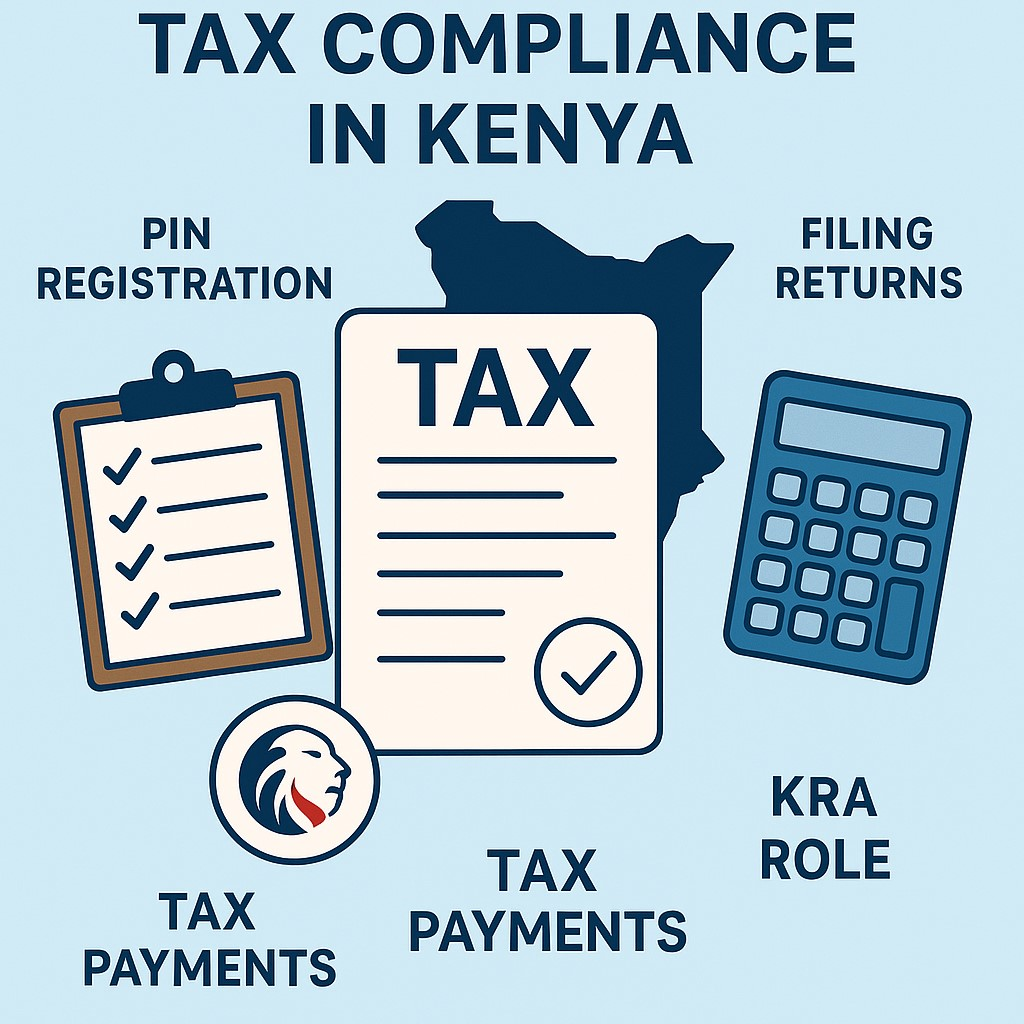
As a small business owner in Kenya, one of the most crucial aspects of digital tax in Kenya is registering for the tax and ensuring compliance with the Kenya Revenue Authority (KRA) regulations. This section will guide you through the process of registering for digital tax, filing returns, and staying compliant with KRA requirements.
How to Register for Digital Tax in Kenya
Registration for digital tax in Kenya is a simple yet essential process for any business involved in digital transactions. Here’s how you can register:
- Create an Account on the KRA iTax System
The KRA uses an online portal called iTax to manage tax registrations and filings. To register for digital tax, you need to create an account on iTax if you don’t have one already. Steps to Create an iTax Account:- Visit the official KRA iTax portal: https://itax.kra.go.ke
- Click on “New to iTax? Register here” and fill in the required details.
- Provide your business details, including your PIN (Personal Identification Number), business registration details, and contact information.
- Complete the registration process and ensure your account is activated.
- Complete Digital Tax Registration
Once your iTax account is active, log in and proceed with registering for digital tax under the “Taxpayer Registration” section. You will be asked to provide information about your digital business activities, including:- Type of digital services provided (e-commerce, freelance services, digital advertising, etc.).
- Details about your business (business name, registration number, etc.).
- Contact information for receiving KRA communications.
- Obtain Your Digital Tax Certificate
Once registered, you can download your digital tax certificate from the iTax portal. This certificate is proof that your business is compliant with digital tax regulations.
Who is Responsible for Paying the Digital Tax in Kenya?
While the digital tax applies to a wide range of businesses and activities, it’s essential to understand who is ultimately responsible for remitting the tax. Here’s the breakdown:
- Local Businesses
If your business operates in Kenya and sells products or services to Kenyan consumers, you are responsible for digital tax compliance. As the business owner, you must ensure that you calculate, collect, and remit the tax to KRA. - Foreign Businesses
Even if you operate a foreign business that provides digital services to Kenyan consumers, you are still required to register for and pay digital tax. This includes platforms like Netflix, Spotify, and Amazon that earn revenue from Kenyan users. In such cases, these businesses need to designate a representative within Kenya to handle their tax obligations. - Freelancers and Independent Contractors
Freelancers offering services to Kenyan clients (whether directly or through online platforms like Fiverr, Upwork, etc.) are also responsible for ensuring they pay digital tax on the income they earn from Kenyan customers.
How to File Digital Tax Returns in Kenya
Once registered for digital tax and active in the iTax system, you are required to file returns and pay the tax on time. Here’s how the process works:
- Log in to iTax
Access your iTax account and navigate to the “Returns” section. Click on the “File Return” option to begin the filing process. - Enter Your Digital Transaction Details
In the return form, you will need to input details of your digital transactions during the specified period. This includes the total value of taxable digital services or products sold to Kenyan customers.- For example, if your e-commerce business made KES 200,000 in online sales, you’ll need to declare this in the relevant section.
- Calculate the Digital Tax Due
The digital tax rate of 1.5% is applied to the total value of your taxable digital transactions. For the example above, you would need to pay KES 3,000 (1.5% of 200,000). - Submit the Return and Pay the Tax
Once you’ve reviewed and confirmed the details of your return, submit it. Then, proceed to make the payment. Payments can be made through various methods, such as mobile money (e.g., M-Pesa), bank transfer, or directly through the iTax system. Important: Always double-check the filing deadline to avoid penalties for late submission.
Payment Methods for Digital Tax in Kenya
The KRA iTax system supports multiple payment methods to make remittance of digital tax easier for business owners. Here are the available options:
- Mobile Payment (M-Pesa)
One of the most convenient ways to pay your digital tax is via mobile money services like M-Pesa. After filing your return, you can pay directly from your mobile phone. Steps to Pay via M-Pesa:- Log in to the iTax portal and complete your tax return.
- Choose M-Pesa as your payment option.
- Follow the prompts to complete the payment securely.
- Bank Transfer
You can also choose to pay your digital tax directly via bank transfer to the designated KRA account. Ensure you have the correct payment reference and details from the iTax portal. - Bank Branches
For those who prefer to pay offline, the KRA allows payments to be made at select bank branches. Simply visit the bank, provide your KRA PIN, and pay the digital tax. - Online Payment via iTax
After submitting your return on the iTax platform, you can pay the amount due directly online through the portal’s integrated payment options.
Important Deadlines and Penalties for Late Payment
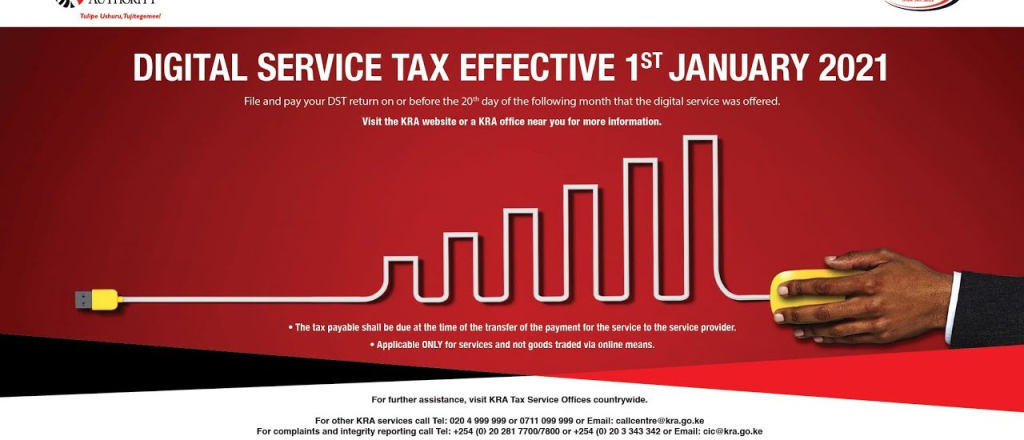
Digital tax in Kenya is typically filed monthly, with the due date falling at the end of each month. Failure to file returns and make payments on time can result in severe penalties. These include:
- Late Filing Penalties: If you fail to submit your return by the deadline, you will incur a penalty of KES 1,000 or 5% of the tax due, whichever is higher.
- Late Payment Penalties: If you don’t pay your tax on time, interest is charged on the outstanding amount. The KRA charges an interest rate of 1% per month on overdue taxes.
Tax Invoices and Receipts for Digital Transactions
For every digital tax transaction, it’s essential to keep accurate records, including tax invoices and receipts, for future reference or audits by the KRA. Here’s what you need to do:
- Issuing Digital Tax Invoices
For every sale or service provided, ensure that you issue a proper invoice that includes the 1.5% digital tax charged. This is particularly important for businesses engaged in e-commerce or providing digital services to Kenyan customers. - Record Keeping and Document Retention
Ensure that you retain all records of digital transactions for at least 5 years, as required by KRA. This includes invoices, receipts, payment confirmations, and transaction records.
Summary
Successfully registering for digital tax in Kenya, filing your returns, and making payments on time is essential for staying compliant with local tax regulations. The process is straightforward, and by using the KRA iTax system, small business owners can ensure they meet their digital tax obligations with ease. Additionally, knowing the deadlines and payment options available will help prevent penalties and interest charges.
V. Key Challenges for Small Business Owners in Kenya
While digital tax in Kenya is an essential part of ensuring fairness in the digital economy, it presents various challenges for small business owners. Navigating these challenges is crucial for ensuring compliance and minimizing the risk of penalties. In this section, we’ll explore some of the common hurdles small business owners face with digital tax and offer solutions to overcome them.

1. Navigating Complexities of Digital Tax Compliance
For small business owners, especially those new to taxation, understanding and complying with digital tax in Kenya can seem overwhelming. The complexities arise from:
- Tracking Digital Transactions: Many small businesses operate across multiple online platforms, making it difficult to track all digital transactions accurately. Whether it’s sales on your e-commerce website, income from freelancing platforms, or revenue from ads, keeping up with each transaction can be a time-consuming task.
- Determining Taxable Activities: Not every digital transaction may be taxable. Some business owners may struggle to identify which services or products are subject to digital tax and which are not. For instance, distinguishing between local and international transactions or understanding whether digital products (like ebooks or online courses) fall under taxable activities can be confusing.
- Calculating the Right Tax Amount: Ensuring you calculate the correct digital tax is critical. Errors in tax calculation can lead to underpayment or overpayment, which may attract penalties or require amendments.
Solution:
- Use accounting software that integrates with your digital platforms to automatically track and categorize digital transactions. Tools like QuickBooks, Xero, and Zoho Books can help you maintain accurate records of income, track sales, and calculate digital tax on each transaction.
- Seek advice from a tax consultant or accountant to ensure you’re correctly categorizing transactions and calculating tax.
2. Technological Barriers to Compliance
Small businesses in Kenya face significant technological challenges when dealing with digital tax. These challenges include:
- Limited Digital Literacy: Many small business owners, especially those running micro-businesses, lack the necessary digital skills to navigate the iTax portal, maintain accurate tax records, and understand the intricacies of digital taxation.
- Access to Reliable Tax Tools: Some businesses may not have access to reliable tax software or automated tools that help calculate taxes on digital transactions, which could lead to human error and delays in filing.
- System Downtime or Errors: The iTax system itself can sometimes face downtime, glitches, or errors, which can be frustrating for small business owners trying to file their returns.
Solution:
- Invest in tax training programs or workshops. Several organizations, such as Kenya Revenue Authority (KRA), offer training on how to use iTax effectively.
- Consider using digital tools and platforms that integrate with iTax, which simplify the process of filing and payment.
- Regularly check for system updates and stay in touch with KRA support in case of issues accessing the portal.
3. Dealing with Cross-Border Digital Transactions
Many small businesses in Kenya offer digital services to clients and customers outside of the country. While digital tax is designed to capture local transactions, businesses dealing with international customers face unique challenges:
- Taxing Foreign Transactions: If you’re providing a service to a client in another country, it may be difficult to determine whether that transaction is subject to digital tax in Kenya. Similarly, receiving payments from international platforms can complicate tax filing.
- Double Taxation: Small businesses that operate internationally may fear double taxation. In some cases, businesses could be taxed both by Kenya and the foreign country where the client resides.
- Different Payment Systems: International transactions often use different payment gateways (like PayPal or Stripe), making it harder for businesses to track payments and calculate taxes.
Solution:
- Review international tax treaties between Kenya and other countries to ensure you’re not subject to double taxation. The Kenya Revenue Authority (KRA) may have agreements with other nations that allow businesses to avoid paying tax in both countries.
- Work with a tax professional who specializes in international tax laws to help navigate the complexities of cross-border transactions.
- Use accounting tools that integrate with international payment gateways to help track transactions and make tax filing easier.
4. Lack of Awareness About Digital Tax Laws
A significant challenge faced by many small business owners is the lack of awareness regarding digital tax laws. This can result in businesses unknowingly failing to comply, which may lead to penalties or audits.
- Unclear Tax Requirements: Many small business owners are unaware of which services are taxable and which are not. For example, some might not realize that income from platforms like Amazon Associates or Google AdSense is subject to digital tax.
- Late Registration: Some businesses may delay registering for digital tax with KRA because they are unsure whether they are required to register in the first place.
Solution:
- Regularly check updates on digital tax regulations via the KRA website or subscribe to newsletters that inform businesses about changes in tax laws.
- Participate in KRA workshops, webinars, or training sessions to stay updated on the latest tax requirements.
- Seek professional advice from a tax consultant to clarify whether your business falls under the scope of digital tax and ensure timely registration.
5. Dealing with Inconsistent Cash Flow and Delayed Payments
Many small businesses face challenges with inconsistent cash flow, which can make it difficult to set aside funds for tax payments, especially if digital tax is not paid regularly. The 1.5% digital tax might seem small, but it can add up quickly if you’re not keeping track of your transactions.
Additionally, for businesses relying on international platforms or clients, delayed payments can make it challenging to pay taxes on time.
Solution:
- Plan Ahead: Set aside a portion of your revenue for tax purposes as soon as you receive payments. This will help ensure that you have enough funds to cover your digital tax when it’s due.
- Cash Flow Management Tools: Use financial management software to help you forecast cash flow and allocate funds for taxes accordingly.
Summary
The challenges that come with digital tax in Kenya may seem daunting at first, but they can be managed with the right tools and knowledge. By staying informed about the tax requirements, using accounting software to track transactions, and seeking professional advice when necessary, small business owners can ensure they stay compliant and avoid penalties.
Despite these challenges, digital tax also brings many benefits, such as improved financial transparency, trust with customers, and a fairer business environment. With a proactive approach and proper planning, small businesses can thrive in Kenya’s growing digital economy.
VI. Digital Tax Enforcement and Audits in Kenya
As with any tax system, enforcement is key to ensuring compliance. The Kenya Revenue Authority (KRA) is responsible for monitoring and enforcing digital tax compliance, ensuring that businesses adhere to the law. This section will explore how digital tax is enforced in Kenya, what happens during an audit, and the penalties for non-compliance.

What Happens if You Fail to Comply with Digital Tax in Kenya Requirements?
Failure to comply with digital tax in Kenya can result in serious consequences. The KRA takes non-compliance seriously, and businesses that fail to register, file returns, or pay digital tax can face significant penalties.
Some of the key consequences of failing to comply with digital tax include:
- Penalties for Late Filing or Non-Filing:
If you miss the deadline for filing your digital tax return, you will incur a penalty. The penalty is KES 1,000 or 5% of the tax due, whichever is higher.
For example, if you owe KES 10,000 in digital tax and fail to file on time, you would incur a penalty of KES 500 (5% of 10,000), in addition to the tax owed. - Late Payment Penalties:
If you fail to pay the digital tax by the due date, you will be charged interest on the unpaid amount. The interest is charged at 1% per month on the overdue tax. This interest accrues each month until the tax is fully paid.
For example, if you owe KES 20,000 in digital tax and pay 3 months late, the interest could total KES 600 (1% per month for 3 months). - Tax Audits and Investigations:
The KRA has the authority to conduct audits on businesses to ensure that they are compliant with digital tax regulations. An audit may involve a thorough review of your financial records, digital transactions, and tax filings.
If discrepancies or errors are found, the KRA may impose additional penalties or demand back payment of taxes owed. - Legal Action:
In cases of deliberate tax evasion or failure to remit taxes after repeated warnings, the KRA may take legal action. This can include prosecuting the business owner, which can result in heavy fines or imprisonment, depending on the severity of the case.
How to Avoid Penalties:
- File and Pay on Time: Ensure that you meet the filing deadlines every month to avoid late penalties.
- Consult with a Tax Professional: If you’re unsure about how to file or what transactions are taxable, it’s always a good idea to seek advice from a tax professional. They can guide you on the correct procedures and help you avoid mistakes.
- Maintain Proper Records: Keep accurate records of all your transactions and tax filings. This will help you avoid discrepancies and prepare for any potential audits.
How the Kenya Revenue Authority (KRA) Monitors Digital Tax Compliance
The KRA uses a combination of manual and automated methods to monitor compliance with digital tax in Kenya. Some of the key ways that KRA enforces tax compliance are:
- Use of Technology:
The KRA has invested heavily in technology, including the iTax system, to automate tax filings, monitor payments, and track digital transactions. This helps the KRA identify businesses that are not complying with digital tax regulations. The system also allows KRA to cross-check the information provided in tax returns with payment records. - Collaboration with Digital Platforms:
The KRA collaborates with popular digital platforms and service providers to ensure that businesses offering digital services through these platforms remit their taxes. For example, KRA can monitor transactions from platforms like Jumia, Upwork, and Google Ads to track taxable income and ensure that businesses are paying the correct digital tax. - Third-Party Information:
In addition to monitoring transactions on digital platforms, the KRA also gathers information from third-party sources such as banks, payment processors, and other financial institutions. This helps KRA identify businesses that may not be properly reporting their digital income. - Audits and Investigations:
If KRA suspects that a business is not compliant, they may conduct a tax audit. During an audit, KRA will examine the business’s financial records, including sales data, digital transactions, and tax filings. Businesses that fail an audit may face additional penalties or be required to pay back taxes, interest, and fines.
Tax Audits and How to Prepare for Them
A tax audit is an in-depth examination of a business’s financial records by the KRA to ensure compliance with tax laws. For small businesses, an audit can seem intimidating, but it’s important to know what to expect and how to prepare.
What to Expect During a Digital Tax Audit:
- Notification of Audit:
The KRA will notify the business in writing that they are being audited. The letter will include the scope of the audit and the specific tax periods that will be reviewed. - Document Review:
KRA auditors will review all relevant documents, including:- Sales records and digital transactions.
- Bank statements and payment processor records (e.g., PayPal, M-Pesa).
- Digital tax returns and payments made.
- Contracts with clients or customers.
- Invoices and receipts for digital transactions.
- Interviews with Business Owners:
In some cases, KRA may interview the business owner or employees to better understand how the business operates and how it handles digital transactions. - Assessment and Recommendations:
Once the audit is complete, the KRA will issue an assessment. If discrepancies are found, the business may be required to pay additional taxes, penalties, and interest. In severe cases, legal action may be taken.
How to Prepare for a Tax Audit:
- Keep Accurate Records: Ensure that all digital transactions are well-documented, and that you have records of every sale, purchase, and payment made. Use accounting software to track these transactions easily.
- Reconcile Your Accounts: Regularly reconcile your bank statements, payment processor records, and sales data to ensure everything aligns with your tax filings.
- Consult a Tax Professional: If you’re concerned about the audit, consider consulting a tax professional to guide you through the process and help ensure that your records are in order.
Tax Disputes and How to Resolve Them
In some cases, businesses may find themselves in tax disputes with the KRA. Disputes can arise if the KRA disagrees with your tax filings or assessments, or if there are errors in the amount of tax owed.
Common Reasons for Tax Disputes:
- Disagreements Over Taxable Transactions: The KRA may disagree with your classification of digital transactions, leading to discrepancies in your reported income.
- Errors in Calculation: Mistakes in calculating digital tax or misreporting income may lead to disputes.
- Late Payments or Missing Returns: If you fail to file returns or pay on time, the KRA may issue penalties or claim that more tax is due.
How to Resolve Tax Disputes:
- Appeal the KRA’s Decision:
If you believe that KRA’s assessment is incorrect, you have the right to appeal. You can file a written appeal to KRA’s Tax Appeals Tribunal or seek legal advice on how to proceed. - Negotiate a Settlement:
In some cases, it may be possible to negotiate a settlement with KRA if penalties are applied. This may include reducing the penalties or paying a lower tax amount. - Seek Professional Help:
If the dispute becomes complicated, consider hiring a tax consultant or lawyer who specializes in digital tax and KRA regulations.
Summary
The enforcement of digital tax in Kenya is a critical aspect of ensuring compliance and fairness in the digital economy. By understanding the penalties for non-compliance, how KRA monitors businesses, and how to prepare for audits and disputes, small business owners can navigate the complexities of digital tax more effectively.
Staying proactive, maintaining accurate records, and consulting with professionals when needed will help ensure that your business remains compliant and avoids penalties or legal complications.
VII. Tips for Small Business Owners to Ensure Digital Tax Compliance
Ensuring compliance with digital tax in Kenya can be a challenging yet manageable task for small business owners. By taking the right steps, staying organized, and using the right tools, you can make sure your business is fully compliant with tax regulations. In this section, we’ll explore practical tips that small business owners can follow to stay on top of their digital tax obligations.

1. Keep Accurate Records of All Digital Transactions
Accurate record-keeping is one of the most important steps in ensuring compliance with digital tax in Kenya. Whether your business is large or small, keeping track of every digital transaction, sale, and service is essential. Proper documentation will not only help you file accurate returns but will also make it easier to manage any future tax audits.
What to Track:
- Sales records: Keep a record of all digital sales, including the date, amount, and details of the transaction.
- Payment records: Track all payments received, whether they are through online payment gateways (e.g., M-Pesa, PayPal, Stripe) or direct bank transfers.
- Invoices and receipts: Ensure you issue invoices for every sale, and retain a copy for your records. This helps in calculating the total value of taxable transactions.
- Refunds and cancellations: Record any refunds or cancellations that may affect the total taxable income.
How to Keep Records:
- Use accounting software: Software like QuickBooks, Zoho Books, and Xero can help automate transaction tracking and tax calculation. These tools often integrate with online payment systems, making it easier to keep a record of digital transactions.
- Maintain digital copies: Store all invoices, receipts, and transaction records in a cloud-based system like Google Drive or Dropbox for easy access and backup.
2. Use Digital Tax Software and Tools
To simplify the process of managing digital tax in Kenya, consider investing in tax and accounting software that can help you track digital sales, calculate taxes, and file returns.
Popular Tools to Help You Stay Compliant:
- iTax: The Kenya Revenue Authority (KRA) provides a free platform for filing returns and making tax payments online. Ensure you’re familiar with iTax for digital tax registration, filing, and payment.
- QuickBooks: This accounting software integrates with many digital payment platforms and can help you track income, expenses, and tax obligations in real-time.
- Xero: Xero is another cloud-based accounting software designed for small businesses. It offers tax tracking features and easy integration with bank accounts and digital payment gateways.
- Zoho Books: A popular accounting tool for small businesses in Kenya that helps track transactions, calculate tax obligations, and stay compliant with digital tax.
Why Use Tax Software:
- Automation: Automating tax calculations and tracking helps prevent errors.
- Efficiency: Software helps streamline the filing process, saving time and reducing the likelihood of late submissions.
- Accuracy: Automated tools minimize mistakes in tracking transactions and calculating the correct tax amount.
3. Set Aside a Portion of Revenue for Tax Payments
Managing cash flow is essential for small businesses, and setting aside a portion of your revenue for digital tax payments is a smart strategy to avoid financial strain. The 1.5% digital tax may seem small, but it can add up quickly if you don’t plan for it in advance.
How to Plan for Digital Tax in Kenya:
- Allocate a percentage of revenue: Set aside 1.5% of your monthly income to cover digital tax. This ensures that you have the necessary funds available when it’s time to file your returns.
- Use financial management tools: Utilize budgeting tools or accounting software to forecast your tax obligations and set aside funds accordingly.
- Create a separate savings account: Consider creating a dedicated account just for taxes. By segregating funds, you’ll be less likely to spend money that needs to go toward tax payments.
4. Consult with Tax Professionals
While digital tax may seem straightforward, the nuances of the law can be complex, especially for businesses offering multiple services or engaging in cross-border transactions. Consulting with a tax professional can help ensure that you are correctly interpreting and applying digital tax regulations.
When to Consult a Tax Professional:
- If you’re unsure about your tax status: If you’re unsure whether your business needs to pay digital tax, a tax professional can assess your situation and advise you on your obligations.
- If you’re handling international transactions: Cross-border transactions can be tricky when it comes to tax laws. A tax consultant can help you navigate the potential issues of double taxation and guide you on how to report foreign income.
- If you’re new to tax filing: If you’re new to filing taxes, a consultant can help you understand the process and avoid costly mistakes.
How to Find a Reliable Tax Consultant:
- Referrals: Ask other small business owners for recommendations on tax consultants.
- Check credentials: Ensure the consultant is registered with the Institute of Certified Public Accountants of Kenya (ICPAK) or another recognized authority.
- Do research: Look up reviews or ratings online to find tax consultants who specialize in digital tax and small business needs.
5. Stay Updated on Changes in Digital Tax Regulations
Tax laws are subject to change, and staying informed about new regulations or adjustments to existing laws is essential for business compliance. Digital tax in Kenya is a relatively new concept, and the KRA may update its rules from time to time to adapt to the evolving digital economy.
How to Stay Informed:
- Follow KRA updates: Regularly visit the KRA website or sign up for newsletters to stay up-to-date on tax news and announcements.
- Subscribe to industry blogs and forums: Follow blogs and social media accounts that specialize in Kenyan tax laws and small business operations.
- Attend tax workshops and webinars: KRA often hosts workshops and training sessions to educate business owners on tax-related matters. These events provide valuable insights into the latest regulatory changes.
Summary
Ensuring compliance with digital tax in Kenya requires a proactive approach, especially for small business owners. By keeping accurate records, using tax software, setting aside funds for taxes, consulting with professionals, and staying updated on regulatory changes, businesses can manage their tax obligations efficiently and avoid penalties.
With the right tools, knowledge, and mindset, you can ensure that your business remains compliant with digital tax laws while focusing on growth and innovation in Kenya’s vibrant digital economy.
VIII. Future of Digital Tax in Kenya
As the world continues to move toward an increasingly digital economy, digital tax in Kenya will continue to evolve. This section will explore the role of digital tax in Kenya’s economy, potential changes to the tax system, and how small business owners can adapt to the changing landscape.

The Role of Digital Tax in Kenya’s Economy
Kenya has recognized the growing importance of the digital economy and has implemented digital tax to ensure that businesses operating in the online space contribute to the nation’s tax revenue. As more businesses shift to digital platforms, digital tax plays a vital role in:
- Boosting National Revenue:
The Kenyan government has long struggled with collecting taxes from digital businesses, particularly those operating from outside the country. Digital tax ensures that both local and foreign businesses that generate revenue from Kenyan consumers are contributing to the country’s economy. - Fairness and Equity:
By introducing digital tax, the government aims to level the playing field for businesses, both large and small, operating in the digital sector. Previously, international companies like Netflix and Amazon were not taxed in Kenya despite earning substantial revenue from local customers. Digital tax ensures that these companies also contribute their fair share to Kenya’s economy. - Promoting Local Business Growth:
The revenue generated from digital tax can be reinvested into the economy, providing funding for infrastructure, education, and other development programs. This can directly benefit small businesses by creating a more robust economic environment and improving access to resources. - Improving Tax Compliance:
By requiring digital businesses to pay taxes, the government aims to reduce the size of the informal economy and promote transparency. Businesses that comply with digital tax regulations contribute to a healthier, more transparent business environment.
Potential Changes and Updates to Digital Tax Laws
As Kenya’s digital economy continues to grow, digital tax laws are likely to evolve. The Kenyan government has already demonstrated a willingness to adjust tax regulations in response to market dynamics. Small business owners should stay informed about potential changes to ensure they remain compliant.
Some potential changes to digital tax regulations could include:
- Adjustment of Tax Rates:
While the current rate of 1.5% is relatively low, the government may adjust this rate in the future to reflect the growth of the digital economy. Increases in the tax rate could affect the profitability of small businesses that rely heavily on online sales or digital services. - Expansion of Taxable Activities:
The scope of digital tax could expand to include new digital services or platforms as the economy evolves. For instance, the rise of cryptocurrency and blockchain-based services might prompt the government to introduce new tax regulations for businesses operating in this space. - Increased International Cooperation:
As more countries around the world introduce digital tax, Kenya may align its policies with global standards. This could involve collaborating with other nations to ensure that digital tax is applied consistently and fairly, especially in cross-border transactions. - Technology-Driven Compliance Measures:
As the government continues to invest in digital systems, we can expect further automation and streamlining of tax processes. The introduction of AI-powered tools could make it easier for small businesses to track their digital tax obligations and submit returns.
How Small Businesses Can Adapt to the Changing Landscape
As digital tax evolves, small businesses will need to adapt to new regulations to stay compliant. Here are some tips for adapting to the future of digital tax in Kenya:
- Stay Informed About Changes:
Regularly check for updates from the Kenya Revenue Authority (KRA) and other reputable sources about changes to digital tax laws. Staying informed will help you avoid surprises and ensure that your business is always in compliance with the latest regulations. - Invest in Digital Tools and Software:
As digital tax becomes more complex, it’s crucial to use the right tools to streamline tax processes. Accounting and tax software that integrates with iTax can help small businesses stay organized, automate calculations, and file returns efficiently. - Build Relationships with Tax Professionals:
As digital tax laws evolve, having a reliable tax consultant or accountant can be invaluable. Tax professionals can help you navigate changes in the law, optimize your tax filings, and provide advice on minimizing your tax liabilities. - Plan for Tax Adjustments:
If the digital tax rate increases, it will directly impact your business’s bottom line. To prepare for this, make sure your business is flexible and can adjust pricing or operational costs to account for potential tax increases. - Explore New Digital Business Models:
The digital landscape is constantly changing, and new opportunities are emerging every day. Stay ahead of the curve by exploring new business models, such as subscription services, online content creation, or digital marketing, which could open up new revenue streams for your business.
Digital Tax and Kenya’s Position in the Global Economy
Kenya is positioning itself as a hub for digital innovation and entrepreneurship in Africa. With the introduction of digital tax, the country is ensuring that its digital economy remains competitive while also securing its fair share of global revenue.
As digital businesses in Kenya grow and become more integrated with global platforms, the government may continue to adjust its digital tax policies to align with international standards. This could include cooperation with international tax bodies and other countries to ensure that cross-border transactions are taxed fairly and consistently.
The rise of digital tax also signals a shift toward a more digital-first economy in Kenya, where e-commerce, technology services, and online business are central to growth. This shift presents both challenges and opportunities for small business owners in Kenya, who will need to stay agile and adapt to the changing regulatory environment.
Summary
The future of digital tax in Kenya is dynamic, with potential changes in tax rates, the scope of taxable activities, and international cooperation. Small business owners must stay informed, adapt to regulatory updates, and invest in the right tools and professional support to ensure compliance. By doing so, they can navigate the evolving landscape of Kenya’s digital economy and continue to grow their businesses successfully.
IX. Conclusion: Digital Tax in Kenya Explained for Small Business Owners
Recap of Key Points for Small Business Owners
Throughout this article, we’ve explored the essential aspects of digital tax in Kenya and its impact on small business owners. Here’s a quick recap of the key points:

- Digital tax in Kenya is a tax imposed on income generated through digital services and transactions. It was introduced as part of the Finance Act 2020 to ensure that businesses operating in the digital space contribute to the country’s tax revenue.
- The digital tax rate is set at 1.5% of the total value of digital transactions, and it applies to a wide range of businesses, including e-commerce platforms, freelancers, content creators, and businesses that generate revenue from online advertising.
- Small business owners are responsible for registering for digital tax, filing returns, and making timely payments to the Kenya Revenue Authority (KRA). Failure to comply with digital tax regulations can lead to penalties, interest on overdue payments, and even audits.
- Proper record-keeping and the use of digital tools can help small business owners stay on top of their digital tax obligations. Using accounting software and tax platforms like iTax can streamline the process and reduce the risk of errors.
- As digital tax laws evolve, it’s important for small business owners to stay informed about regulatory changes, use professional advice when needed, and plan for future adjustments in tax rates or regulations.
Final Tips for Small Business Owners
Successfully managing digital tax in Kenya is crucial for ensuring that your business remains compliant, avoids penalties, and contributes to the growth of Kenya’s digital economy. Here are some final tips for small business owners:
- Stay Consistent with Your Tax Filings:
Consistency is key when it comes to filing digital tax returns. Ensure you file your returns on time each month to avoid late penalties and interest charges. Set reminders or automate the filing process if possible. - Use Technology to Your Advantage:
Take advantage of digital tax software and accounting tools to help you track transactions, calculate taxes, and streamline the filing process. Automating these tasks will reduce errors and make your business more efficient. - Consult with Tax Professionals:
If you’re unsure about any aspect of digital tax or if your business operates in multiple regions, it’s wise to consult with a tax professional. They can provide guidance on tax compliance and help you navigate more complex aspects of the tax system. - Plan for Tax Changes:
Stay informed about changes in digital tax laws. As the digital economy grows, the government may introduce new taxes or adjust existing ones. Planning ahead for these changes will help you stay prepared. - Educate Yourself Regularly:
Digital tax is still a relatively new concept in Kenya. Attend workshops, read up on new developments, and keep up with KRA announcements to ensure you’re always in the loop.
Final Thoughts: Moving Forward with Confidence
Understanding and managing digital tax in Kenya is an ongoing process that requires diligence, organization, and a willingness to adapt to new tax regulations. However, by staying compliant, small business owners can build trust with customers, protect their business from legal risks, and contribute to the growth of Kenya’s digital economy.
In the end, the key to thriving in this digital-first economy is staying proactive about tax compliance and leveraging the right tools and resources to make the process as smooth as possible. With the right knowledge and preparation, your business can thrive and succeed in the growing Kenyan digital marketplace.
Frequently Asked Questions (FAQs)
Here are some common questions related to digital tax in Kenya:
- What is the digital tax rate in Kenya?
- The current digital tax rate in Kenya is 1.5% of the total value of digital transactions.
- Do small businesses need to pay digital tax in Kenya?
- Yes, any small business that generates income through digital transactions or online services is required to pay digital tax in Kenya.
- How can I register for digital tax in Kenya?
- To register for digital tax, you need to create an account on the KRA iTax system, provide your business details, and complete the registration process.
- How do I file digital tax returns in Kenya?
- You can file your digital tax returns through the iTax portal. Once logged in, you will need to input your transaction details, calculate your tax due, and submit the return for payment.
- What happens if I don’t pay digital tax on time?
- Failure to file or pay digital tax on time can result in penalties, interest charges, and even tax audits. The KRA charges KES 1,000 or 5% of the tax due, whichever is higher, for late filings.