

What is a Pension Plan in Kenya?
A pension plan in Kenya is a financial product designed to provide individuals with income after they retire. This plan typically involves making contributions during one’s working years, which are then invested to grow over time. Upon retirement, the individual can access their pension funds either as a lump sum, a monthly payout, or both, depending on the type of plan they have chosen.

Pension Plans In Kenya are offered by various providers, including the National Social Security Fund (NSSF) for public sector employees, private companies offering employer-sponsored plans, and personal pension schemes. These pension funds are regulated by the Retirement Benefits Authority (RBA), which ensures their safety and proper management.
The main purpose of a pension plan in Kenya is to provide financial security in old age when regular income sources (like a salary) cease. Having a solid pension plan ensures that individuals can live comfortably during retirement, without relying solely on family or government support.
Why Choosing the Right Pension Plan in Kenya Matters
Choosing the right pension plan in Kenya is crucial for several reasons:
- Long-term Financial Security: A well-chosen pension plan ensures that you have enough funds to sustain yourself during retirement. It protects you against unforeseen economic challenges or inflation.
- Investment Growth: A pension plan offers an opportunity to grow your savings through investments. The more wisely you invest, the more likely it is that your pension fund will grow substantially over time.
- Reduced Dependence on Government: With a reliable pension plan, you are less reliant on government assistance or support from your family. In Kenya, the government offers some safety nets, but these may not be sufficient for a comfortable retirement.
- Tax Benefits: Contributing to a pension plan in Kenya comes with tax advantages. For example, the National Social Security Fund (NSSF) contributions are tax-deductible. Choosing the right plan can help you minimize tax liability while building retirement savings.
- Peace of Mind: Knowing that you have a robust financial backup for retirement provides peace of mind. It allows you to focus on other aspects of life, such as career, family, and health, without constant worry about your future.
II. Types of Pension Plans in Kenya
What Are the Different Types of Pension Plans Available in Kenya?
In Kenya, there are several types of pension plans available, each designed to cater to different needs and work environments. Understanding the options can help you choose the most suitable plan for your retirement goals. Below are the primary types of pension plans available in Kenya:
Public Sector Pension Plans in Kenya
The National Social Security Fund (NSSF) is the primary pension plan for employees in the public sector. It is a mandatory savings scheme that all employees in Kenya are required to contribute to, with contributions deducted directly from their salary.

Key Features:
- Mandatory Contributions: Both the employer and the employee contribute to the NSSF. In recent years, there has been a push for higher contribution rates, aiming to provide more substantial retirement benefits for Kenyans.
- Basic Retirement Savings: While the NSSF provides some level of income upon retirement, it may not be sufficient to fully sustain you in your golden years. However, it serves as a foundation, and you may need to supplement it with other pension plans.
- Social Security Benefits: Apart from retirement benefits, NSSF also offers other social security benefits, including disability, survivor, and funeral benefits.
Considerations:
- The payout from NSSF may be modest, as it is designed to be a basic level of support rather than a comprehensive retirement income solution. This is why many individuals also consider supplementary private pension schemes.
Private Sector Pension Plans in Kenya
Private sector employees can benefit from employer-sponsored pension plans. These plans are voluntary for the employer to provide but are becoming increasingly common in larger companies.
Key Features:
- Employer-Sponsored Contributions: In these plans, the employer contributes a percentage of your salary to your pension account. In many cases, employees are also encouraged to contribute, either at a fixed percentage or voluntarily.
- Defined Contribution vs. Defined Benefit Plans: Private sector pension plans may either be defined benefit (where your retirement benefits are predetermined based on factors like salary and years of service) or defined contribution (where both employee and employer contributions accumulate and grow over time, and the final pension depends on the investment returns).
- Portability: If you change jobs, your contributions can be transferred to another plan or kept in an individual account, making it easier for employees who switch jobs or careers to maintain retirement savings.
Considerations:
- Private sector pension plans tend to offer greater flexibility and the potential for higher returns, especially if the employer offers matching contributions. However, they can also come with higher fees or more complex investment strategies, which require careful management.
Voluntary Pension Plans In Kenya
For self-employed individuals, freelancers, or those who simply wish to supplement their NSSF or employer pension, voluntary pension plans are an excellent option. These plans are typically offered by financial institutions, including banks and insurance companies, and allow individuals to contribute voluntarily to their retirement savings.
Key Features:
- Flexible Contributions: Unlike mandatory pension plans, voluntary plans allow individuals to contribute as little or as much as they want. This makes them ideal for those with irregular income.
- Investment Options: Voluntary pension plans often come with various investment options, from conservative bond-based funds to more aggressive equity investments, depending on the individual’s risk tolerance.
- Tax Benefits: Contributions to a voluntary pension plan may be eligible for tax deductions, reducing an individual’s taxable income.
Considerations:
- Since these plans are voluntary, it’s easy to overlook or underfund them. To make the most of a voluntary pension plan, consistency is key. Setting up an automatic contribution system can help ensure you stay on track.
Retirement Benefits Schemes
Retirement benefits schemes are designed to help individuals accumulate savings for their retirement. These can be defined benefit or defined contribution schemes, depending on the setup of the specific plan.
Key Features:
- Defined Benefit Plans: The retirement payout is predetermined based on factors like salary history and the number of years worked with the employer. These plans offer a more predictable pension outcome, but they are becoming less common in the modern job market.
- Defined Contribution Plans: In these plans, the amount of the final payout depends on the amount contributed during the working years, plus any investment returns. The more you contribute and the better your investments perform, the larger your pension payout will be.
- Regulation and Oversight: All retirement benefits schemes in Kenya must adhere to regulations set by the Retirement Benefits Authority (RBA), which ensures that these funds are properly managed and that employees’ savings are protected.
Considerations:
- Defined contribution schemes, while offering greater control and flexibility, come with the risk that investment returns may not be as high as expected, which could affect the amount available upon retirement. Defined benefit plans, on the other hand, offer more certainty but may lack the growth potential of contribution-based plans.
How to Choose the Right Pension Plan in kenya for You?
When selecting a pension plan in Kenya, it’s important to consider several factors to ensure you choose the one that aligns with your retirement goals. Here are a few considerations:

- Employment Status: Are you employed by the government, a private company, or are you self-employed? Public sector employees are usually covered by NSSF and may benefit from additional employer-sponsored plans. Self-employed individuals will need to rely on voluntary pension plans to supplement their retirement savings.
- Financial Goals: What level of retirement income do you want to achieve? Consider how much you need to save based on your anticipated retirement lifestyle.
- Contribution Ability: How much can you afford to contribute towards your pension plan? Private sector and voluntary pension plans may offer greater flexibility and higher potential returns, but they may also require more regular contributions.
- Risk Tolerance: Consider whether you prefer a safer, low-risk investment approach or a higher-risk strategy that offers potentially higher returns over time. This will help determine the investment strategy for your pension plan.
- Tax Benefits: Ensure that the pension plan you choose provides you with tax advantages, whether through deductions on contributions or tax-free growth on investments.
III. Key Factors to Consider When Choosing a Pension Plan in Kenya
What Are the Key Features of a Good Pension Plan in Kenya?
When choosing a pension plan in Kenya, it’s essential to understand the key features that define a strong and suitable plan for your future. A good pension plan ensures that you are making smart investments with an eye on long-term growth, while also offering flexibility and accessibility. Below are the key features to consider:
1. Contribution Rates
The contribution rate of a pension plan determines how much you and your employer (if applicable) contribute towards your pension savings. This is one of the most important features of a pension plan, as it will directly impact the final payout upon retirement.
- Standard Contribution Rates: The National Social Security Fund (NSSF) in Kenya requires a mandatory contribution from both the employer and the employee. As of recent changes, the monthly contribution is set to a percentage of the employee’s monthly salary. Employees contribute a portion, and employers match that contribution, up to a specific cap.
- Employer Contributions: Many employer-sponsored pension plans require companies to contribute a percentage of an employee’s salary to the pension scheme. Typically, these contributions range from 5% to 15% of the employee’s salary.
- Voluntary Contributions: In voluntary pension plans, employees can choose how much they wish to contribute, with the flexibility to adjust the contribution amount as income levels fluctuate.
- How It Affects Your Retirement Fund: Higher contributions generally lead to larger retirement funds. It’s important to evaluate how much you can contribute, whether there is a cap on contributions, and if there are any employer-matching incentives.
2. Investment Options
A pension plan’s investment options determine how the funds contributed are allocated, and they play a crucial role in growing your retirement savings.
- Low-Risk Investments: Some pension plans primarily invest in low-risk assets such as bonds, which offer stable but lower returns. These are ideal for individuals who prefer a more secure approach to saving for retirement.
- Higher-Risk Investments: If you are willing to take on more risk, you can select plans that invest in stocks, real estate, or other assets with higher growth potential. These can yield higher returns but come with a greater risk of losing value.
- Diversification: A well-diversified portfolio helps spread the risk. Many pension plans offer a mix of investment options, which may include both equity and debt funds, to balance risk and growth potential.
- Fund Manager: In Kenya, many pension funds are managed by fund managers who are responsible for investing the pooled contributions. You should choose a plan managed by a reputable fund manager who has a track record of strong performance.
- Performance Monitoring: It’s important to monitor the performance of your investments regularly. Check how well your pension fund is growing and whether it aligns with your retirement goals.
3. Benefits and Payout Structures
Understanding the benefits and payout structures of your pension plan is essential to know how you will access your funds when you retire.
- Lump-Sum Payment: Some pension plans allow you to withdraw your savings as a lump sum, which can be useful for managing large expenses or investments after retirement. However, withdrawing your entire pension at once might come with tax implications.
- Monthly Payouts: Many plans offer monthly pensions, which provide a stable and predictable income stream during retirement. This is a great option for retirees who want to ensure a continuous cash flow to meet living expenses.
- Combination of Lump Sum and Monthly Payments: Some plans allow retirees to take a portion of the pension as a lump sum and receive the rest as a monthly income. This flexibility can be appealing if you need immediate cash for large expenses but still want ongoing retirement support.
- Withdrawal Rules: Each pension plan has specific rules regarding when and how you can access your funds. It’s important to understand the age requirements (usually retirement age), penalties for early withdrawal, and any other conditions that may apply.
4. Retirement Age and Accessibility
Pension plans in Kenya typically have a retirement age, which is usually between 55 and 65 years. This is the age when you can begin to access your pension funds. However, some pension plans allow for early retirement, and others provide flexible withdrawal terms.
- Standard Retirement Age: The official retirement age in Kenya for most pension schemes is 60 years. At this age, pension plan members are eligible to begin drawing down their retirement benefits, either as a lump sum or through monthly payments.
- Early Retirement: Some plans allow early access to pension funds, although this may come with penalties or reduced payouts. If you want to retire earlier, you should verify if your pension plan allows early withdrawal and understand the financial implications.
- Pension Plan Withdrawal Process: The ease and speed of accessing your funds can vary between plans. Some pension schemes have a more straightforward withdrawal process, while others may require additional paperwork, medical assessments, or proof of retirement.
5. Flexibility and Portability
One of the most valuable features of a pension plan in Kenya is its flexibility and portability, particularly if you change jobs or careers. Here’s why:
- Portability: If you are employed by a private company and leave for another job, your pension plan should be portable, meaning you can transfer your accrued contributions to your new employer’s plan or an individual retirement account.
- Voluntary Contributions: For individuals who are self-employed or wish to contribute beyond the minimum, voluntary pension plans allow flexibility in contribution amounts and the ability to adjust your retirement savings based on life changes or financial circumstances.
- Changing Employers: If your employer offers an employer-sponsored pension plan, ensure that you can move your contributions to your new employer’s plan without penalties. This portability ensures that your retirement savings continue to grow without interruption, even if your job situation changes.
6. Regulatory Oversight and Security
Pension plans in Kenya are subject to oversight by the Retirement Benefits Authority (RBA), which regulates and supervises all pension schemes in the country. This regulatory framework is designed to protect contributors’ funds and ensure the financial integrity of pension plans.
- Regulations by the RBA: The RBA ensures that pension plans comply with the laws and regulations governing the sector, such as maintaining minimum solvency levels and protecting employees’ funds.
- Pension Fund Guarantees: The RBA also works to ensure that pension funds are properly managed and that contributors’ savings are safeguarded. This regulatory framework provides a layer of security for contributors, ensuring that their retirement savings are not mismanaged or lost.
- Risk Mitigation: Pension plans often have insurance policies or guarantees in place to mitigate risk in case of financial instability or mismanagement. It’s essential to understand what security measures your pension plan has in place.
How to Choose the Right Pension Plan for You?
When selecting the right pension plan in Kenya, consider the following:
- Evaluate Your Retirement Goals: Think about the lifestyle you want during retirement. Do you want a stable income stream, or are you comfortable with taking more risks for higher potential returns? Understand your financial needs in retirement.
- Assess Your Risk Tolerance: If you are younger and have a long time until retirement, you might be more comfortable with a higher-risk investment strategy. However, as you near retirement, a more conservative approach may be preferable.
- Review Contribution Flexibility: Can you afford to make consistent contributions? Does your employer match contributions? The more you contribute, the larger your retirement fund will grow.
- Consider Portability and Flexibility: If you anticipate changing jobs or careers, choose a pension plan that is portable and can be transferred smoothly to another scheme.
- Research Fund Managers: Select a pension plan managed by a reputable fund manager with a history of strong performance. Good management will help your retirement savings grow over time.
IV. Understanding the Regulatory Environment in Kenya
What Are the Legal and Regulatory Requirements for Pension Plans in Kenya?
Pension plans in Kenya are governed by several laws and regulations aimed at protecting the savings of individuals and ensuring that pension funds are managed efficiently and transparently. The Retirement Benefits Authority (RBA) plays a crucial role in regulating pension schemes and ensuring that they adhere to established standards. Here’s a breakdown of the legal and regulatory environment in Kenya concerning pension plans:
1. The Retirement Benefits Act (RBA Act)
The Retirement Benefits Act (No. 3 of 1997) is the primary piece of legislation governing pension plans in Kenya. It establishes the Retirement Benefits Authority (RBA) and sets out the framework for managing and overseeing pension schemes, including the roles of fund managers, trustees, and administrators.
- Role of the RBA: The RBA regulates and supervises pension schemes to ensure they are managed in a manner that safeguards the interests of contributors. This includes ensuring that pension funds are invested responsibly, contributions are properly collected, and benefits are paid out to retirees in accordance with the scheme’s rules.
- Regulation of Private and Public Pension Schemes: Both public and private pension schemes are subject to the RBA’s oversight. This ensures that pension schemes in Kenya adhere to strict standards regarding fund management, investment, and payment of benefits.
- Compliance with Reporting Standards: Pension schemes must regularly submit financial reports to the RBA, outlining their performance and the security of their investments. This helps ensure transparency and accountability in the management of pension funds.
2. The National Social Security Fund (NSSF)
The NSSF is a mandatory pension scheme that provides social security benefits to all Kenyan employees, both in the private and public sectors. The NSSF is regulated by the RBA to ensure its proper management and the security of contributors’ funds.
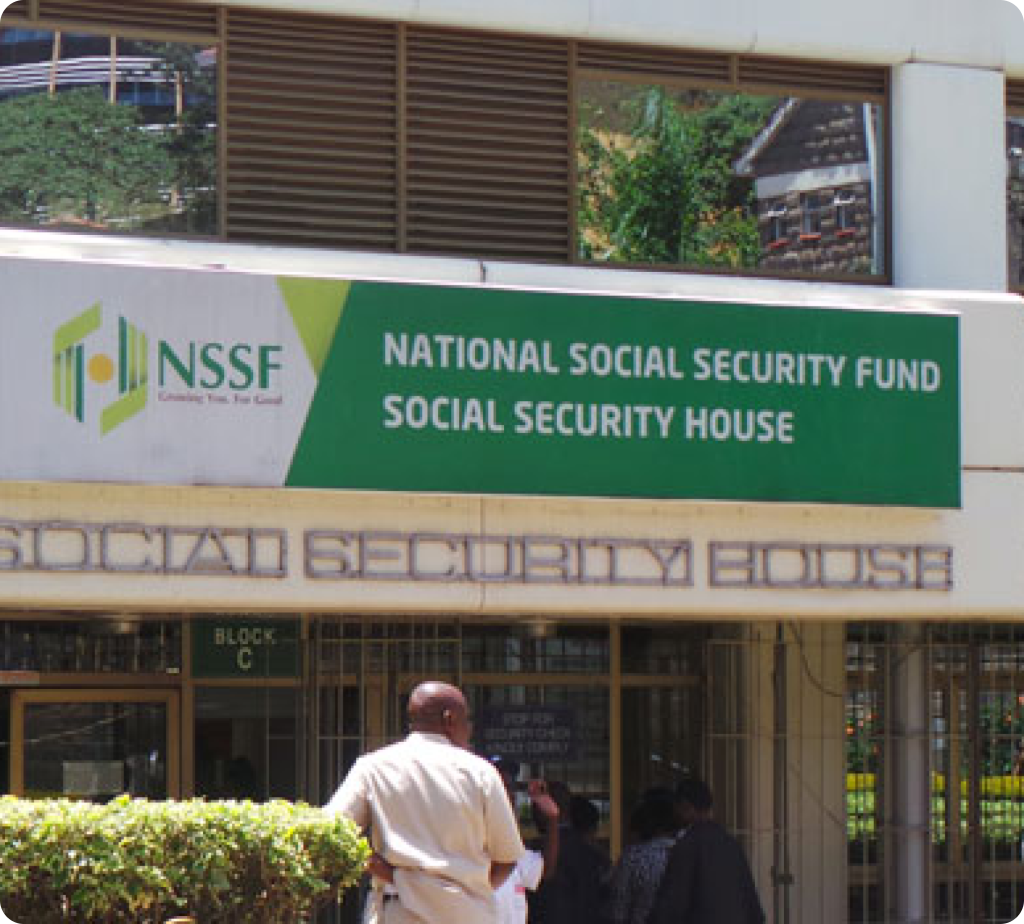
- Mandatory Contributions: Employees and employers are required to contribute a certain percentage of an employee’s salary to the NSSF. In recent years, there has been a push to increase these contribution rates to improve retirement benefits.
- Benefits of NSSF: The NSSF offers various benefits, including retirement pensions, disability benefits, and survivor’s benefits. While the NSSF provides a foundation for retirement savings, many individuals find that it is not enough to fully sustain them in retirement, which is why additional pension plans are recommended.
- Tax Advantages: Contributions to NSSF are tax-deductible, offering contributors a tax break while they save for retirement. This makes it an attractive option for individuals who wish to reduce their taxable income.
3. Taxation and Pension Contributions
In Kenya, there are various tax advantages related to pension contributions. These tax incentives encourage individuals and companies to contribute towards pension plans and long-term savings.
- Tax Deductibility of Contributions: Contributions made to a pension plan in Kenya are typically tax-deductible. This means that both employees and employers can reduce their taxable income by contributing to a pension plan, leading to immediate tax savings.
- Tax-Free Investment Growth: The investments made by pension funds are generally tax-free, allowing the funds to grow without being subject to taxation on capital gains or interest. This is a significant benefit for pension plans, as it allows your retirement savings to compound more quickly.
- Taxation at Withdrawal: While contributions and investment growth may be tax-free, pension funds are subject to taxation when withdrawn, depending on the amount and how the funds are accessed. It’s important to understand the tax implications of pension payouts before making withdrawals.
- Tax Breaks for Employer-Sponsored Plans: In employer-sponsored pension plans, employers can benefit from tax deductions for contributions made to employee pension accounts, making these plans even more attractive to employers who wish to provide benefits to their staff.
4. Pension Fund Security and Solvency Regulations
Pension funds in Kenya must adhere to stringent solvency regulations to ensure that they can meet their long-term obligations to contributors.
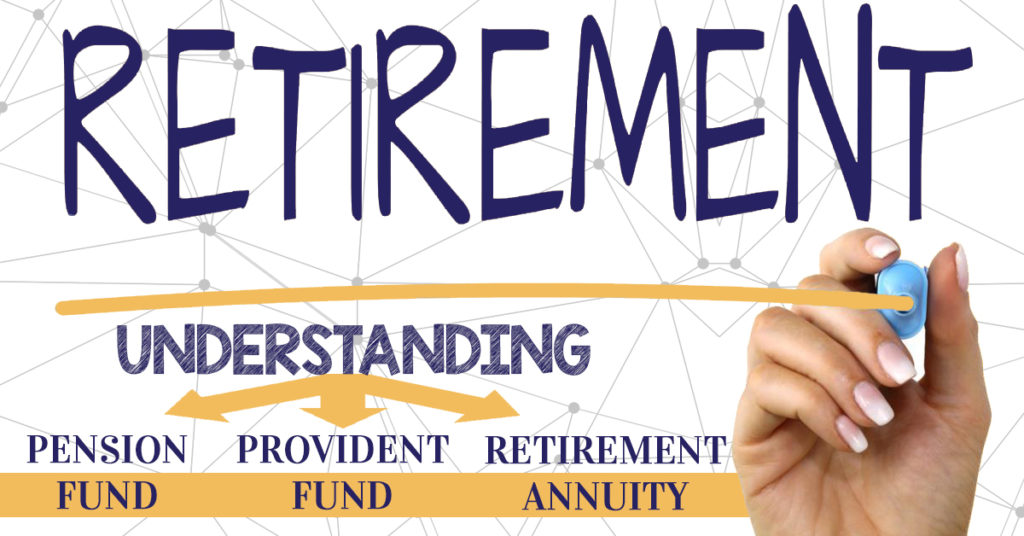
- Solvency Requirements: The RBA ensures that pension funds maintain sufficient reserves to cover their liabilities. This includes assessing the solvency of pension schemes and requiring them to maintain a healthy balance between assets and liabilities.
- Insurance for Pension Plans: Some pension funds take out insurance policies to safeguard their investments and minimize the risk of mismanagement. This ensures that contributors’ funds are protected even in cases of fund mismanagement or unexpected market downturns.
- Pension Scheme Audits: Pension schemes are required to undergo regular audits to ensure that they comply with the legal requirements set by the RBA. These audits help identify any discrepancies or risks and ensure that funds are being managed properly.
5. The Role of the Retirement Benefits Authority (RBA)
The Retirement Benefits Authority (RBA) is the main regulatory body overseeing pension schemes in Kenya. It ensures that pension schemes comply with the Retirement Benefits Act and protects the interests of pension plan members.
- Oversight of Pension Funds: The RBA monitors the operations of pension schemes, ensuring that they are being managed in a way that is consistent with the law and best practices. This includes regular inspections and audits of pension fund management.
- Investor Education: The RBA also plays a key role in educating the public about the importance of saving for retirement and the benefits of pension plans. They provide resources and guidance on how to select a pension plan and manage retirement savings effectively.
- Dispute Resolution: If there are any disputes between pension plan members and fund managers, the RBA acts as an intermediary to resolve conflicts. They also provide a forum for members to raise concerns and seek solutions.
How Safe Are Your Pension Funds in Kenya?
The security of your pension funds is of utmost importance when choosing a pension plan in Kenya. There are several ways in which pension funds are safeguarded:
- Regulation by the RBA: The RBA regulates all pension schemes in Kenya, ensuring that they adhere to strict financial management and solvency requirements. This helps protect the funds of pension contributors.
- Insurance and Guarantees: Some pension plans provide insurance coverage or guarantees to protect contributors’ funds against losses due to mismanagement or poor investment performance.
- Diversification of Investments: Pension funds are typically invested in a diversified portfolio of assets, including equities, bonds, and real estate. This diversification helps mitigate the risk of significant losses from any one investment.
- Fund Management Standards: Pension fund managers in Kenya must meet specific standards of financial competence and professionalism. The RBA monitors their performance to ensure that they act in the best interests of contributors and comply with industry regulations.
Regulatory Compliance and Safety for Your Pension Plan
When selecting a pension plan in Kenya, it’s important to choose one that complies with the regulatory framework set by the RBA. Ensure that the pension plan you select is licensed and regulated by the RBA and adheres to the required solvency and reporting standards. This ensures that your contributions are being managed properly and that your retirement savings are safe.

V. How to Evaluate the Best Pension Plan in Kenya for You
How to Assess Your Retirement Goals and Needs?
Choosing the right pension plan in Kenya is closely tied to understanding your long-term retirement goals. The first step in selecting a pension plan is assessing what you want your retirement to look like. Here are some key considerations to help you define your goals:

1. Define Your Ideal Retirement Lifestyle
- Living Standards: Think about the kind of lifestyle you want to lead during retirement. Will you need extra funds for travel, leisure, or special activities, or do you envision a more minimalist lifestyle with fewer financial requirements?
- Location: Your retirement location also plays a role in defining how much money you will need. Living in urban centers like Nairobi or Mombasa may require higher retirement funds than living in rural areas due to cost of living differences.
- Healthcare Needs: As you age, healthcare becomes an essential expense. Consider whether you will need long-term care or health insurance coverage. Factor in potential medical costs, especially if you have specific health concerns.
- Family Obligations: Do you have children, dependents, or others to support during your retirement? These obligations should be considered when estimating the funds required for your retirement.
Tip: Calculate your anticipated monthly expenses during retirement and compare it with your expected pension payout. This can help you determine how much extra savings you need to build through other channels, like voluntary pension plans or personal savings.
2. Estimate Your Retirement Expenses
Understanding how much money you will need to live comfortably in retirement is essential for choosing the right pension plan. Here’s how to go about it:
- Basic Monthly Living Costs: Start by estimating your monthly living costs, including rent/mortgage, utilities, food, transportation, insurance, and other essential expenses.
- Lifestyle Upgrades: Factor in any upgrades you anticipate, such as traveling, upgrading your home, or engaging in hobbies that might cost more in your later years.
- Inflation Factor: Inflation erodes the purchasing power of money over time. To account for this, consider adding 5-7% to your retirement expenses each year to make sure your pension plan grows to match future price increases.
- Other Financial Goals: If you have other financial goals, such as leaving an inheritance or funding a charitable cause, consider these costs when estimating your retirement needs.
Tip: Once you’ve outlined your anticipated expenses, you can use this information to determine how much your pension plan should provide monthly, and whether you need to supplement it with other savings.
How Much Should You Save for Retirement?
Once you’ve established your retirement goals and estimated your expenses, you’ll need to determine how much you should save and contribute to your pension plan. The general rule of thumb is to aim for saving 10-15% of your annual income for retirement. However, this can vary depending on your current lifestyle and how much you expect to earn in retirement.
- NSSF as a Base: If you are contributing to NSSF, it will provide a foundation for your retirement savings. However, NSSF alone may not be sufficient, especially if you expect a higher standard of living or have specific goals for retirement.
- Additional Contributions: In addition to NSSF, consider contributing to a private pension plan or voluntary plan. These extra savings can help close the gap between what NSSF will provide and what you need for retirement.
- Calculate Retirement Savings Goal: A common rule is to aim to save at least 25 times your desired annual retirement income. For example, if you want to receive KSh 500,000 annually in retirement, your savings goal would be KSh 12.5 million.
How to Choose the Right Pension Plan Based on Risk Tolerance?
Every individual has a different risk tolerance when it comes to investing. Some may prefer the stability of low-risk investments, while others may be willing to take on higher risk for the potential of greater returns. Here’s how to evaluate your risk tolerance when selecting a pension plan in Kenya:
1. Conservative Risk Tolerance
If you have a low-risk tolerance, you may prefer pension plans that focus on safer investments, such as government bonds, fixed deposits, and other stable assets.
- Plan Features: Look for plans that prioritize capital preservation and offer fixed returns over a set period. These plans typically provide more predictability and are ideal if you want to protect your savings.
- Investment Mix: Pension plans with a conservative approach will have a higher proportion of bonds and cash equivalents in their portfolio.
- Suitability: This type of plan is well-suited for individuals nearing retirement, or those who are risk-averse and prefer to avoid significant fluctuations in their portfolio.
2. Moderate Risk Tolerance
If you’re comfortable with some risk and want to balance growth and stability, a moderate-risk pension plan may be the best fit. These plans often include a mix of stocks, bonds, and real estate.
- Plan Features: You’ll find that these plans typically offer a diversified portfolio of investments. They may focus on equities, which provide growth opportunities, but also include bonds and cash to provide stability.
- Investment Mix: The portfolio will likely include a mix of domestic and international equities, along with debt instruments to provide steady returns and reduce overall risk.
- Suitability: A moderate-risk plan is ideal for individuals who still have some time before retirement but want a balanced approach to growing their savings while keeping some of the risk at bay.
3. High-Risk Tolerance
If you have a high-risk tolerance, you’re likely looking for maximum returns and are willing to accept higher volatility in your portfolio. Younger individuals or those with more aggressive growth goals often choose high-risk pension plans.
- Plan Features: High-risk plans may focus heavily on equities, commodities, and other high-growth investments. These plans offer the potential for higher returns but come with more risk, especially during market downturns.
- Investment Mix: The plan will have a significant portion of the funds invested in stocks, real estate, and alternative investments like private equity.
- Suitability: These plans are best for individuals who are far from retirement and can withstand the ups and downs of the market. They are willing to take on more risk for the potential of substantial returns over the long term.
What Are the Pros and Cons of Each Pension Plan Type?
When evaluating your pension plan in Kenya, it’s important to weigh the pros and cons of each type of plan. Here’s a summary of the main benefits and drawbacks of the key pension plan options:

| Pension Plan Type | Pros | Cons |
|---|---|---|
| Public Sector Plans (NSSF) | – Mandatory participation – Provides a basic retirement safety net – Tax advantages on contributions | – May not provide enough for a comfortable retirement – Limited growth potential |
| Private Sector Plans | – Potential for employer matching – More investment options – Portable across employers | – May require higher contributions – Investment returns depend on market conditions |
| Voluntary Plans | – Flexible contributions – Tax advantages – Tailored to individual needs | – Risk of inconsistent contributions – Potential penalties for early withdrawal |
| Retirement Benefits Schemes | – Defined benefit plans offer predictable payouts – Some offer inflation protection | – Limited flexibility – Defined contribution plans come with investment risk |
How to Choose the Right Pension Plan for You?
When choosing a pension plan in Kenya, consider the following steps to ensure you select the best option for your retirement goals:
- Assess Your Financial Situation: Understand how much you can afford to contribute to your pension plan and whether your employer offers matching contributions.
- Consider Your Retirement Goals: Define what you want to achieve in retirement, whether it’s maintaining your current lifestyle or having more freedom for travel and leisure.
- Evaluate Risk Tolerance: Choose a plan that matches your comfort level with investment risk. If you are risk-averse, consider more conservative plans.
- Check for Tax Benefits: Ensure that your chosen pension plan offers tax advantages, either through contributions or investment growth.
- Review Fees and Expenses: Be aware of the fees associated with each plan. High fees can eat into your returns over time, so select a plan with reasonable fees and clear cost structures.
VI. Costs and Fees Involved in Pension Plans in Kenya
What Are the Costs Associated with Pension Plans?
Understanding the costs associated with a pension plan in Kenya is essential because these fees can significantly impact the amount of money you accumulate for retirement. Pension plans typically charge various fees related to fund management, administration, and investment. Here’s a breakdown of the common costs and their implications:
1. Contribution Costs
Contribution costs refer to the percentage of your income that you are required to contribute to the pension plan. In Kenya, these contributions are generally deducted from your salary and are either matched by your employer (in employer-sponsored plans) or made on a voluntary basis (in personal pension plans).
- NSSF Contributions: The National Social Security Fund (NSSF) contributions are mandatory for all employees in Kenya. As of recent reforms, the contribution rate is set at 6% of an employee’s salary, with the employer matching this amount. While this is a low contribution rate, it ensures that every employee has some level of retirement savings.
- Employer-Sponsored Plans: Private sector employers typically contribute between 5% and 15% of an employee’s salary to their pension plan. Some employers also match employee contributions, which can significantly increase retirement savings.
- Voluntary Contributions: If you’re contributing to a voluntary pension plan (such as a personal retirement scheme), the amount you contribute is entirely up to you. While higher contributions generally lead to higher retirement savings, it’s essential to balance contributions with other financial goals and obligations.
Tip: The more you contribute, the larger your retirement fund will grow. If possible, try to maximize your employer’s matching contributions to take full advantage of the retirement savings opportunity.
2. Administrative Fees
Every pension plan has administrative fees associated with managing the fund. These fees typically cover the costs of record-keeping, statements, and processing retirement payouts. These costs may seem small, but over time they can add up, reducing the growth of your pension savings.
- Flat Fees: Some pension schemes charge a fixed administrative fee each year, regardless of the size of your pension fund. For example, a pension scheme may charge KSh 1,000 per year for administrative services.
- Percentage-Based Fees: Other pension plans charge a percentage of your overall pension fund balance to cover administrative expenses. This can range from 0.5% to 1.5% per year, depending on the provider.
- How It Affects Your Savings: High administrative fees can erode the value of your pension fund over time. It’s important to compare the administrative fees of different pension plans to find one that offers a good balance between services and costs.
Tip: Choose pension plans with lower administrative fees to maximize the amount of money going into your retirement savings.
3. Investment Management Fees
Pension funds are typically managed by professional fund managers, and there are fees associated with their services. These fees cover the costs of managing the investments, conducting research, and executing trades to ensure your pension grows.
- Percentage of Fund: Most pension plans charge a fee based on the size of the assets being managed, typically around 1% to 2% of your pension fund balance annually. For example, if your pension fund grows to KSh 500,000, you might pay KSh 5,000 to KSh 10,000 per year in investment management fees.
- Active vs. Passive Management: Some pension plans may offer actively managed investment options, where the fund manager makes decisions about where to invest based on market conditions. These funds tend to have higher management fees because of the more hands-on approach.
- Passive Investment Strategies: Other pension plans use passive management, such as investing in index funds or other market-tracking strategies, which usually come with lower management fees.
Tip: If you are comfortable with lower risk and want to minimize costs, consider opting for pension plans with passive investment strategies. These typically come with lower management fees and have the potential to provide consistent returns over the long term.
4. Exit Fees and Penalties
Some pension plans may charge exit fees if you choose to withdraw or transfer your pension before retirement age. Additionally, early withdrawal may incur penalties, which could affect the overall value of your retirement savings.
- Early Withdrawal Penalties: If you decide to access your pension funds before the official retirement age (usually 55 or 60 years in Kenya), you may face a penalty. This penalty is typically a percentage of the withdrawn amount and can reduce the value of your pension fund.
- Transfer Fees: If you decide to switch pension providers or move your pension plan to a new employer, you may be charged a transfer fee. This can range from KSh 500 to several thousand shillings, depending on the scheme.
- Tax Implications: In some cases, early withdrawals or lump-sum payouts may be subject to tax, depending on the amount and the provider’s policies. It’s important to understand how taxes will affect your final retirement payout.
Tip: If you are unsure about withdrawing funds early, consider the long-term impact of the penalties and taxes on your retirement savings. The goal is to leave the money to grow for as long as possible.
5. Hidden Fees
While not always explicitly listed, hidden fees may also affect the overall performance of your pension plan. These could include fees for transactions, rebalancing the portfolio, or managing specific assets. Some pension providers may charge additional fees for specialized investment options or asset classes.
- Transaction Fees: If the fund manager buys or sells securities within the pension portfolio, transaction fees may be incurred. These fees can be small, but they add up over time.
- Rebalancing Fees: Some pension plans charge fees for regularly rebalancing the portfolio to ensure that the asset mix aligns with the investment strategy. This fee is usually a percentage of the assets being reallocated.
Tip: Always review the fine print and ask your pension provider for a detailed breakdown of any fees, including hidden costs, so that you can make an informed decision.
How Do Costs Affect Your Retirement Savings?
It’s important to understand how the fees associated with pension plans can impact your retirement savings over the long term. Even small differences in fees can have a significant impact on the growth of your pension fund due to the compound effect.

- Higher Fees = Lower Returns: As mentioned earlier, administrative, management, and other fees can reduce the overall returns on your pension investments. Over the years, this can add up to a substantial reduction in the value of your fund.
- Compare Fees Across Providers: To ensure that your pension plan provides maximum value, compare the fees charged by different providers. A pension plan with lower fees but solid investment options can lead to a better return on investment over the long term.
- Seek Transparency: Make sure that your pension plan provider is transparent about all fees. Some providers may charge hidden fees that only become apparent after a few years, so it’s essential to ask upfront and carefully review the terms and conditions.
Conclusion: Minimizing Pension Plan Costs
When choosing a pension plan in Kenya, it’s crucial to understand all the associated costs and how they will affect your retirement savings. While fees are inevitable, you can minimize their impact by selecting plans with lower administrative and management fees, and being mindful of early withdrawal penalties or transfer fees.
Taking the time to research and compare the costs of different pension plans will pay off in the long run, helping you maximize your retirement savings and build a solid financial foundation for your retirement years.
VII. How to Enroll in a Pension Plan in Kenya
What Are the Steps to Register for a Pension Plan in Kenya?
Enrolling in a pension plan in Kenya is an essential step toward securing your financial future. The process is straightforward, but it’s important to understand the various steps involved. Here’s a comprehensive guide to help you navigate the enrollment process for both mandatory and voluntary pension schemes:
1. Registering for the National Social Security Fund (NSSF)
For most employees in Kenya, the National Social Security Fund (NSSF) is the starting point for pension savings. Since NSSF contributions are mandatory for both public and private sector employees, it’s essential to ensure that you are properly registered.
- Step 1: Obtain an NSSF Number: If you’re employed, your employer will automatically register you with NSSF, and your NSSF number will be provided. If you’re self-employed, you’ll need to register with NSSF directly by visiting an NSSF office or using their online registration system.
- Step 2: Make Contributions: Contributions to NSSF are made directly from your salary by your employer. The standard contribution rate is currently set at 6% of your monthly salary, with the employer contributing an equal amount. For self-employed individuals, contributions are made directly to NSSF, based on a fixed rate.
- Step 3: Monitor Your Contributions: Once registered, you can track your NSSF contributions via their online portal or through monthly statements provided by NSSF. It’s important to verify that contributions are being made correctly and consistently to avoid any issues later.
- Step 4: Claim Benefits: Upon reaching the official retirement age (usually 60 years), you can apply for your pension benefits from NSSF. You will receive a lump sum or monthly payments based on the amount you’ve contributed over your working years.
Tip: If you change employers or become self-employed, ensure that your NSSF contributions are transferred to a new account or plan, or that you continue paying voluntarily.
2. Joining an Employer-Sponsored Pension Scheme
Many private sector companies Like Marsha Creatives and Host Kenya in Kenya offer employer-sponsored pension schemes. These plans are designed to supplement the NSSF and provide employees with a higher level of retirement income. Here’s how you can enroll in an employer-sponsored pension plan:
- Step 1: Confirm Eligibility: Check with your employer to find out if they offer a pension scheme. Typically, larger companies offer these schemes, but small businesses may not. Employers that offer pension plans usually match employee contributions to a certain percentage, which helps boost savings.
- Step 2: Understand the Plan’s Features: Your employer’s pension scheme may be either a defined contribution or defined benefit plan. In a defined contribution plan, both you and your employer contribute a fixed percentage of your salary into the plan. In a defined benefit plan, the retirement benefit is predetermined based on factors like your salary and years of service.
- Step 3: Register for the Plan: Once you confirm that your employer offers a pension plan, you will need to complete registration forms. Your employer will provide the necessary paperwork, and you will need to choose the contribution rate and investment options.
- Step 4: Contribute Regularly: After enrollment, contributions will typically be deducted directly from your salary, and your employer will match your contribution (if applicable). Ensure that contributions are made regularly to maximize your retirement savings.
- Step 5: Monitor and Adjust Your Contributions: If your employer allows, you may be able to increase your contribution rate or adjust the investment options based on your retirement goals. It’s important to regularly monitor your pension account and make adjustments as needed.
3. Setting Up a Voluntary Pension Plan (Individual Retirement Scheme)
For self-employed individuals, freelancers, or those who wish to supplement their NSSF contributions, setting up a voluntary pension plan is a great option. These plans allow you to contribute additional funds to secure a more comfortable retirement.
- Step 1: Choose a Pension Provider: Research the available pension providers in Kenya, such as banks, insurance companies, and investment firms. Some popular providers include Old Mutual, UAP Life, and Liberty Life, among others.
- Step 2: Select the Type of Plan: Voluntary pension plans can be customized based on your financial goals. You can choose between individual retirement plans or group plans if you belong to a professional organization or group that offers a pension scheme.
- Step 3: Complete the Enrollment Process: To enroll in a voluntary pension plan, you will need to fill out the registration form provided by the pension provider. This typically includes providing your personal information, income details, and risk preferences (to help choose the appropriate investment options).
- Step 4: Choose Your Contribution Amount: Unlike mandatory schemes like NSSF, voluntary pension plans offer flexibility in terms of contribution amounts. You can decide how much to contribute based on your financial capacity and retirement goals. Contributions can be made monthly, quarterly, or annually.
- Step 5: Monitor Your Fund Performance: Once enrolled, your contributions will be invested according to your selected plan. Regularly review your plan’s performance, and consider adjusting your investment strategy or contribution amount to ensure you stay on track to meet your retirement goals.
4. Individual Retirement Accounts (IRAs) for Self-Employed Individuals
Self-employed individuals in Kenya can also benefit from Individual Retirement Accounts (IRAs), which allow for flexible retirement savings. These accounts are not employer-sponsored, so you’ll have full control over your contributions and investment options.
- Step 1: Choose a Reputable IRA Provider: Many banks and financial institutions in Kenya offer IRAs, which provide a tax-advantageous way to save for retirement. Look for an IRA provider that offers a range of investment options, including stocks, bonds, and real estate.
- Step 2: Set Up Your IRA: To open an IRA, you’ll need to provide proof of your self-employment status and complete the necessary paperwork. You can choose how much you want to contribute on a monthly, quarterly, or annual basis, and decide on the investment mix that aligns with your risk tolerance.
- Step 3: Make Contributions: IRAs allow you to contribute any amount, up to the maximum allowable limit set by the Kenya Revenue Authority (KRA). Contributions are typically tax-deductible, which can reduce your taxable income for the year.
- Step 4: Monitor Your Account and Performance: As with other pension plans, it’s essential to monitor your IRA account regularly to ensure that your contributions are growing at an optimal rate. This may involve adjusting your investment choices or increasing your contribution over time.
5. Choosing a Pension Fund Manager
Whether you are enrolling in a voluntary pension plan or contributing to an employer-sponsored plan, choosing the right pension fund manager is critical. Fund managers play a key role in investing and managing the pension funds, so it’s important to select one with a solid reputation and track record.
- Step 1: Research Fund Managers: Look for a fund manager who has experience in managing pension funds and a proven history of delivering solid returns on investments. Top providers often include banks, investment firms, and insurance companies.
- Step 2: Evaluate Fees and Charges: Different fund managers have varying fee structures. It’s important to choose a manager whose fees are transparent and competitive. The goal is to minimize fees to maximize your retirement savings.
- Step 3: Check for Regulation and Safety: Ensure that the pension fund manager is regulated by the Retirement Benefits Authority (RBA). This ensures that the fund manager adheres to industry standards and legal requirements.
- Step 4: Understand the Investment Strategy: Choose a fund manager who offers an investment strategy that aligns with your risk tolerance and retirement goals. You should have a clear understanding of how your funds will be invested and the expected returns.
VIII. Common Mistakes to Avoid When Choosing a Pension Plan in Kenya
What Are the Most Common Mistakes People Make When Choosing a Pension Plan?
When selecting a pension plan in Kenya, it’s important to avoid certain pitfalls that can undermine your retirement savings in the long term. Many people make the mistake of choosing a pension plan without fully understanding their own financial needs, the terms of the plan, or how to make the most of the options available. Below are some of the most common mistakes people make when choosing a pension plan:

1. Delaying Pension Contributions
One of the most common mistakes is delaying contributions to a pension plan. While it may seem tempting to delay saving for retirement, starting later in life can severely impact your ability to accumulate sufficient funds.
- Why It’s a Mistake: The power of compounding means that the earlier you start contributing to your pension, the more your money grows over time. A late start can reduce the amount of time your savings have to grow, making it more difficult to achieve your retirement goals.
- How to Avoid This Mistake: Start contributing to your pension plan as early as possible, even if it’s a small amount. Consistency is key to growing your retirement fund, so don’t wait until later in life to begin saving.
2. Focusing Too Much on Immediate Returns
Many people focus too much on short-term returns and neglect the long-term growth potential of their pension plans. High-return investments can be tempting, but they often come with greater risk, which may not be suitable for retirement savings.
- Why It’s a Mistake: Focusing only on immediate returns may cause you to make decisions that hurt your long-term financial goals. For instance, high-risk investments can lead to significant losses, especially in the years leading up to retirement.
- How to Avoid This Mistake: Instead of chasing short-term gains, focus on long-term growth and stability. Choose a pension plan that offers a diversified portfolio of investments that balance risk and reward over the long term. Ensure that the investment options align with your retirement goals and risk tolerance.
3. Underestimating the Impact of Inflation
Inflation erodes the purchasing power of money over time. Many individuals fail to factor in the effect of inflation on their pension plan and underestimate how much they’ll need to live comfortably in retirement.
- Why It’s a Mistake: If you don’t account for inflation, you could find that your retirement income is insufficient to cover the rising costs of living, especially healthcare and housing. This could leave you financially strained during retirement.
- How to Avoid This Mistake: Always factor inflation into your retirement calculations. Aim for a pension plan that offers investments that can outpace inflation, such as stocks or real estate. Additionally, you may want to adjust your contributions over time to keep up with inflationary increases in living costs.
4. Not Diversifying Investments
Another common mistake is failing to diversify investments within a pension plan in Kenya. Many individuals focus on one type of asset, such as bonds or cash, which can lead to low returns over the long term.
- Why It’s a Mistake: Lack of diversification increases risk, as the performance of a single asset class can be unpredictable. For example, if you only invest in government bonds and interest rates drop, your returns will be minimal, reducing the overall value of your retirement savings.
- How to Avoid This Mistake: Diversify your investments to reduce risk and increase the chances of higher returns. Opt for a mix of asset classes, such as stocks, bonds, and real estate, to balance risk and reward. Many pension plans offer a diversified investment option, but you should ensure that your portfolio is properly balanced.
5. Ignoring the Fees and Charges
Fees and charges associated with pension plans can significantly reduce your retirement savings over time. Many people overlook or fail to fully understand the fees they are paying, which can erode their returns.
- Why It’s a Mistake: High fees, whether for administration, management, or transactions, can eat into your pension fund. Over the years, these fees compound and can result in a significantly lower retirement fund than anticipated.
- How to Avoid This Mistake: Before enrolling in a pension plan, carefully review all the fees associated with the plan. Compare fees between different pension providers and opt for a plan with competitive rates. Pay particular attention to hidden fees such as transaction costs or exit penalties that may not be immediately apparent.
6. Not Reviewing and Adjusting the Pension Plan Regularly
Another mistake is not reviewing your pension plan regularly. Many people set their pension plan contributions and forget about it, failing to adjust their investments or contributions as their financial situation changes.
- Why It’s a Mistake: Life events, such as salary increases, changes in job, marriage, or children, can impact how much you should be saving for retirement. Additionally, as you age, your risk tolerance may change, and your investment strategy should adjust accordingly.
- How to Avoid This Mistake: Review your pension plan at least once a year, or whenever your financial situation changes. Adjust your contribution levels, investment strategy, and risk tolerance as necessary to keep your retirement savings on track.
7. Failing to Consider Additional Income Sources
Many individuals only rely on their pension plan for retirement income, without considering other potential income sources, such as personal savings, rental income, or investments in stocks and bonds outside the pension plan.
- Why It’s a Mistake: Relying solely on your pension plan can be risky, especially if the plan underperforms or if you haven’t contributed enough to meet your retirement needs. Having additional income sources can provide financial stability during retirement.
- How to Avoid This Mistake: Consider other income-generating opportunities, such as real estate investments, stocks, or business ventures, to supplement your pension savings. Building multiple streams of income will ensure that you have sufficient funds to maintain your lifestyle during retirement.
How Can You Avoid These Mistakes?
To avoid the common mistakes outlined above, follow these best practices when selecting a pension plan in Kenya:
- Start Early: The earlier you begin contributing to a pension plan, the better your financial situation will be when you retire. The power of compounding will work in your favor over time.
- Focus on Long-Term Growth: Instead of chasing immediate returns, focus on investments that will provide stable, long-term growth.
- Diversify Your Investments: Spread your investments across multiple asset classes to reduce risk and increase potential returns.
- Monitor Your Contributions and Investments: Regularly review your pension plan and adjust your contributions and investments as needed.
- Consider Other Income Sources: Don’t rely solely on your pension plan. Explore other income-generating opportunities to ensure a comfortable retirement.
IX. Final Thoughts: How to Choose a Pension Plan in Kenya That Works for You
Recap of Key Points to Remember When Choosing a Pension Plan in Kenya
As you’ve learned throughout this guide, selecting the right pension plan in Kenya is a critical step in securing your financial future. With various options available, understanding the key factors—such as contribution rates, investment strategies, fees, and flexibility—can help you make an informed decision. Here are some important takeaways:

- Types of Pension Plans: There are several types of pension plans in Kenya, including the National Social Security Fund (NSSF), employer-sponsored plans, voluntary pension plans, and individual retirement schemes. Each has its own features, benefits, and limitations.
- Contribution and Investment Flexibility: Your ability to contribute to your pension plan and the investment options available will directly affect your savings. Consider both the contribution rates (mandatory and voluntary) and the investment strategies that align with your financial goals and risk tolerance.
- Understanding Fees: Pension plan fees—administrative, management, and exit fees—can erode your retirement savings over time. Always ensure that you are aware of all the fees associated with your pension plan and choose a plan that provides transparency and competitive rates.
- Risk Tolerance and Investment Strategy: Your risk tolerance will play a key role in determining which pension plan best suits your retirement goals. Whether you prefer a low-risk, stable investment approach or a higher-risk strategy for greater growth, choose a plan that aligns with your financial comfort level.
- Regulatory Oversight: Pension plans in Kenya are regulated by the Retirement Benefits Authority (RBA), ensuring that your pension funds are managed in a safe and secure manner. Always verify that your chosen pension plan complies with regulatory standards.
Final Advice for Securing a Comfortable Retirement
Securing a comfortable retirement in Kenya requires proactive planning, commitment, and regular evaluation of your pension strategy. Here are some final tips to ensure that you choose the best pension plan for your needs:
- Start Early and Be Consistent: The sooner you start contributing to your pension plan, the better. Even small contributions made consistently over time can lead to significant growth thanks to the power of compounding.
- Diversify Your Investment Portfolio: Don’t put all your retirement savings into one type of investment. Diversify your portfolio to balance risk and maximize returns. A well-diversified portfolio is more likely to withstand market fluctuations and provide more stable long-term growth.
- Monitor Your Pension Plan Regularly: Review your pension plan at least once a year or whenever there is a significant change in your financial situation. This allows you to make adjustments to contributions, investment strategies, or even switch pension plans if necessary.
- Understand the Tax Benefits: Take advantage of the tax incentives offered by pension plans in Kenya. Contributions to both NSSF and voluntary pension plans may offer tax deductions, reducing your taxable income and helping you save more.
- Plan for the Long-Term: Retirement planning is a marathon, not a sprint. Keep your long-term financial goals in mind and avoid the temptation of withdrawing funds early or making hasty investment decisions. Your pension plan is designed to work over decades, so let it grow steadily over time.
- Consider Supplementing Your Pension Savings: While pension plans are important, they may not be enough to cover all your retirement needs. Consider other investments, such as real estate, stocks, or business ventures, to diversify your income sources and ensure financial stability during retirement.
Is Choosing the Right Pension Plan Worth the Effort?
Choosing the right pension plan in Kenya is indeed worth the effort. By planning ahead and selecting a well-suited pension plan, you are taking a crucial step toward securing your financial future. The right pension plan will give you the peace of mind that, no matter what happens in the future, you’ll have the resources to maintain your lifestyle in retirement.
The key to success is consistency. Whether you are contributing to NSSF, joining an employer-sponsored pension plan, or setting up a voluntary individual retirement account, making regular contributions and diversifying your investments will ensure that your pension fund grows over time, providing you with a comfortable and secure retirement.
A Call to Action: Take Steps Today to Secure Your Financial Future
Don’t wait until it’s too late—start planning for your retirement today. Review your current pension plan, determine if it aligns with your financial goals, and adjust your contributions as necessary. Whether you’re just starting your career or are nearing retirement, it’s never too early (or too late) to take control of your financial future. By making informed decisions today, you can ensure a financially secure and comfortable retirement tomorrow.