
I. Introduction: Why You Should Build an Ecommerce Website in Kenya
A. What is an Ecommerce Website?
An ecommerce website in Kenya is an online platform that allows businesses to sell goods and services directly to consumers over the internet. Whether it’s a small, local shop or a large multinational business, ecommerce provides a platform for companies to reach customers across different regions or even globally.
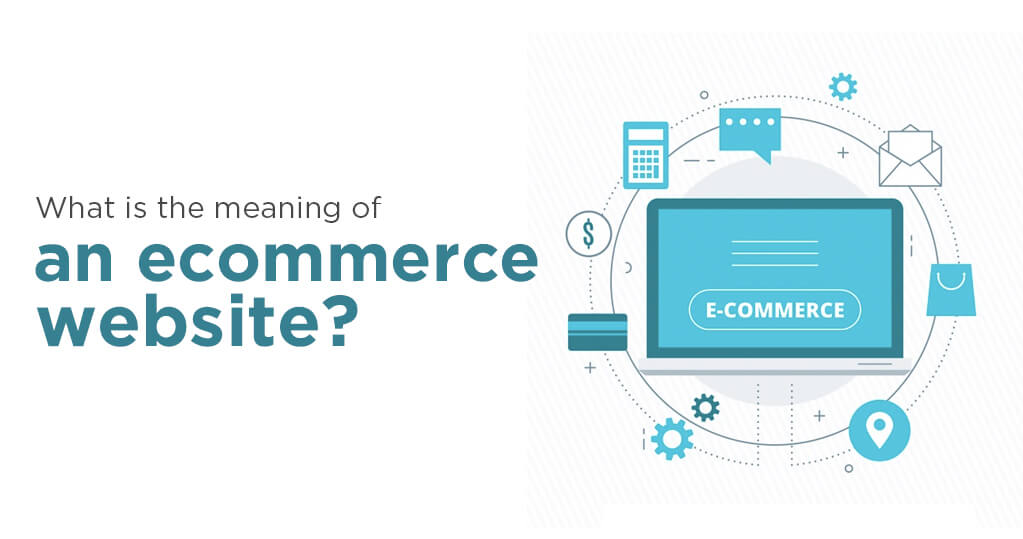
In Kenya, where mobile internet penetration is increasing and a large portion of the population is turning to online shopping, building an ecommerce website in Kenya is no longer just an option—it’s a necessity. The ease of access to mobile phones and digital payment methods like M-Pesa has made ecommerce a growing trend across the country.
B. Why Build an Ecommerce Website in Kenya?
Building an ecommerce website in Kenya comes with several benefits:
- Growing Ecommerce Market: The ecommerce market in Kenya is growing rapidly, with more people opting for the convenience of online shopping. In fact, reports show that Kenya’s ecommerce market is expected to grow significantly over the next few years due to increasing internet penetration and mobile usage.
- Mobile-First Country: Kenya has one of the highest rates of mobile phone usage in Africa. This presents an opportunity for businesses to tap into a market that shops primarily through mobile devices. Having a mobile-optimized ecommerce website ensures you’re reaching customers where they are.
- Low Startup Costs: Compared to traditional brick-and-mortar stores, building an ecommerce website in Kenya has relatively low startup costs. You don’t need to rent a physical location, stock up on inventory in bulk, or hire a large staff to get started.
- Target Local and International Markets: Whether you’re targeting Kenyan consumers or looking to expand to other African countries, an ecommerce website provides you with the flexibility to market both locally and globally. You can scale your operations and customer base much more easily than with a physical store.
C. Key Benefits of an Ecommerce Website in Kenya
Building an ecommerce website in Kenya offers numerous benefits:
1. Convenience for Customers
- 24/7 Shopping: Unlike physical stores, your ecommerce website is open around the clock, allowing customers to shop at their convenience, whether it’s during the day or at night.
- Ease of Access: Customers can browse through a wide range of products without needing to leave their homes. With mobile phones being the primary device for accessing the internet in Kenya, having a mobile-friendly website is essential.
2. Low Operating Costs
- No Rent or Utilities: Operating an online store eliminates the need for renting a physical store, paying utility bills, and maintaining a storefront. This makes ecommerce especially appealing for small businesses and startups in Kenya.
- Low Inventory Costs: With dropshipping and print-on-demand services, you can sell products without having to purchase large quantities of stock upfront, reducing financial risk.
3. Access to Global Customers
- By setting up your ecommerce website in Kenya, you can potentially reach customers from all over the world, especially those looking for Kenyan-made products or services. Ecommerce removes the geographical barriers that typically come with physical retailing.
4. Marketing and Analytics
- Data-Driven Insights: Ecommerce platforms provide tools that track customer behavior, sales trends, and inventory levels, which are essential for making informed business decisions.
- Cost-Effective Marketing: With tools like social media advertising, Google Ads, and email marketing, you can promote your ecommerce business at a fraction of the cost of traditional marketing methods.
II. Key Considerations Before Building Your Ecommerce Website in Kenya
Before you jump into building your ecommerce website in Kenya, there are several key considerations that will lay the foundation for a successful online store. This section will help you understand the essential steps in planning and structuring your ecommerce business.

A. Defining Your Business Goals
The first step in creating your ecommerce website in Kenya is defining your business goals. Understanding your goals will help you choose the right ecommerce platform, design, and marketing strategies.
- What Are You Selling?
Are you selling physical products like electronics, fashion items, or groceries? Or are you offering digital products such as e-books, courses, or software? Each product type has different needs when it comes to ecommerce features and design. For example, physical products will require a robust inventory management system, while digital products may require secure download links or content delivery systems. - Target Audience
Knowing your target market is crucial. Are you selling to local customers in Nairobi or reaching out to rural areas in Kenya? Alternatively, you might want to target regional markets like Uganda or Tanzania. Understanding your audience’s preferences, income levels, and shopping habits is vital for tailoring your product selection, website design, and payment options. - Business Model
Decide on the business model you will use. There are a few different types of ecommerce models to consider:- B2C (Business to Consumer): This is the most common model where businesses sell directly to customers.
- B2B (Business to Business): If you plan to sell products in bulk to other businesses, this model is ideal.
- C2C (Consumer to Consumer): Platforms like Jumia and Kilimall also allow individuals to sell directly to other consumers.
- Dropshipping: You can partner with suppliers who fulfill orders on your behalf, reducing the need to hold inventory.
B. Market Research: Understanding Kenyan Consumers
To succeed with your ecommerce website in Kenya, you need to understand the behaviors, preferences, and trends of Kenyan consumers. Here’s how to conduct effective market research:
- Consumer Preferences
Kenyan consumers tend to prefer online shopping for its convenience, especially for products like electronics, fashion, and beauty items. A growing trend is mobile-first shopping, as the majority of Kenyans access the internet via their smartphones. Understanding local purchasing habits is key. Are your potential customers willing to pay for delivery, or do they prefer cash on delivery (COD)? Will they be paying via M-Pesa, mobile wallets, or credit cards? - Competitive Landscape
The ecommerce space in Kenya is becoming increasingly competitive, with established players like Jumia, Kilimall, and Masoko already dominating the market. To differentiate your ecommerce website in Kenya, research what these competitors are doing well and where they are lacking. Look for gaps in the market that you can fill, whether it’s offering unique products, better customer service, or more flexible payment options. - Consumer Pain Points
Every market has its challenges. In Kenya, consumers often face issues like:- High shipping costs: Delivery charges can make up a large portion of the total cost for consumers.
- Product quality concerns: Some online shoppers worry about receiving subpar products or being scammed.
- Delivery delays: While major cities like Nairobi and Mombasa have better infrastructure, rural areas face longer delivery times.
Understanding these pain points and addressing them effectively will help you provide better value and a smoother shopping experience for your customers.
C. Legal and Regulatory Requirements
Kenya’s ecommerce industry is governed by various legal frameworks that ensure consumer protection, fair business practices, and tax compliance. Here are some important regulations to consider before launching your ecommerce website in Kenya:
- Business Registration
To operate legally, you must register your business with the Registrar of Companies through the eCitizen platform. This process is quick and efficient, ensuring that your ecommerce business is recognized by the government. - Taxation
The Kenya Revenue Authority (KRA) imposes taxes on ecommerce businesses, including VAT and income tax. Make sure to understand the applicable taxes for online transactions. The Digital Services Tax (DST), introduced in 2021, is also relevant for businesses that provide digital services or sell goods online. You must ensure that your business complies with KRA’s requirements to avoid penalties. - Consumer Protection Laws
Consumer rights are protected under the Kenya Consumer Protection Act. This act ensures that customers have the right to return faulty products and are protected from unfair business practices. Having clear terms and conditions, including return and refund policies on your website, will not only help you comply with the law but also build trust with your customers. - Data Protection
The Data Protection Act 2019 in Kenya regulates how businesses collect, store, and process personal data. As an ecommerce business, you will be handling sensitive customer information, such as names, addresses, and payment details. Make sure to implement strong data protection measures, such as encryption and secure payment gateways, to protect your customers’ data.
Summary of Key Considerations:
Before launching your ecommerce website in Kenya, it’s essential to:
- Define your business goals clearly—know what you’re selling, your target audience, and your business model.
- Conduct market research to understand consumer preferences, competitors, and pain points.
- Ensure legal compliance by registering your business, understanding taxation, and adhering to consumer protection laws.
By addressing these foundational elements, you can set up an ecommerce website in Kenya that not only meets regulatory requirements but also provides the best possible experience for your customers.
III. Choosing the Right Platform for Your Ecommerce Website in Kenya
Once you have a clear understanding of your business goals, market, and legal requirements, the next step in building your ecommerce website in Kenya is selecting the right platform. This decision will influence how your website operates, scales, and delivers a user-friendly experience. In this section, we’ll explore the most popular ecommerce platforms, their features, and which ones are best suited for the Kenyan market.
A. Best Ecommerce Platforms for Kenyan Entrepreneurs
Choosing the right ecommerce platform for your ecommerce website in Kenya depends on factors such as budget, product type, desired features, and technical expertise. Here’s a rundown of some of the most popular options:
1. Shopify
- Why Choose Shopify?
Shopify is one of the most popular ecommerce platforms globally and offers an easy-to-use interface, making it ideal for beginners. It’s perfect for small to medium-sized businesses and provides various features such as customizable themes, payment gateway integration, and inventory management tools.

- Key Features:
- Mobile-Optimized: Shopify ensures that your ecommerce website is fully responsive on mobile devices, an essential feature for Kenya’s mobile-first consumers.
- Payment Gateways: Shopify integrates with several payment providers, including M-Pesa, Stripe, and PayPal, making it ideal for Kenyan businesses.
- Ease of Setup: Shopify allows for quick setup, even for users with little technical experience.
- Pricing: Shopify has different pricing plans, starting from around $29/month, which may be cost-prohibitive for some startups but offers good value for its features.
2. WooCommerce (WordPress)
- Why Choose WooCommerce?
WooCommerce is a free plugin for WordPress, making it an attractive option for entrepreneurs who already use WordPress for their websites. It’s highly customizable and flexible, allowing you to create an ecommerce website in Kenya that suits your unique needs. It’s an excellent option for those with some technical knowledge or those who are comfortable working with developers.

- Key Features:
- Open-Source: WooCommerce is open-source, giving you full control over your store’s features and appearance.
- SEO-Friendly: WooCommerce integrates well with SEO plugins like Yoast, helping you optimize your site for better visibility in search engines.
- Integration with Local Payment Systems: WooCommerce supports payment gateways like PayPal, Stripe, and mobile payments such as M-Pesa through plugins.
- Pricing: The WooCommerce plugin is free, but you’ll need to pay for hosting, domain, and possibly premium themes or plugins. The total cost can vary, but it’s generally affordable for startups.
3. Magento
- Why Choose Magento?
Magento is a powerful, open-source ecommerce platform that is ideal for larger businesses or those planning to scale significantly. It offers extensive customization options and is known for its ability to handle complex ecommerce needs.

- Key Features:
- Highly Scalable: Magento is perfect for businesses with large inventories or those that expect to scale rapidly.
- Multi-Store Functionality: If you plan to sell in multiple regions or offer multiple languages, Magento’s multi-store feature is invaluable.
- Robust Security: Magento comes with built-in security features, making it a solid choice for businesses looking for high levels of data protection.
- Pricing: Magento is free to download, but the costs of hosting, development, and ongoing maintenance can make it expensive, particularly for smaller businesses.
4. Wix Ecommerce
- Why Choose Wix?
Wix is a website builder that includes ecommerce functionality. It’s a great choice for beginners who want an all-in-one solution for creating their website and online store. Wix provides drag-and-drop functionality, making it easy to set up your ecommerce website in Kenya without much technical knowledge.

- Key Features:
- Drag-and-Drop Interface: No coding required, making it easy for non-technical users to create an online store.
- Mobile-Optimized: Wix templates are fully mobile-responsive, an essential feature for Kenyan consumers who shop primarily via smartphones.
- Affordable Pricing: Wix offers low-cost plans, starting at around $23/month, which is great for small businesses and startups.
- Pricing: Wix offers affordable pricing plans, including a free tier, but you’ll need to upgrade to a paid plan for ecommerce features, starting at around $23/month.
5. Local Platforms
- Why Consider Local Platforms?
In addition to global platforms like Shopify and WooCommerce, there are several local ecommerce platforms in Kenya that may be better suited to local needs and preferences. Some platforms offer built-in integrations with local payment systems like M-Pesa and local courier services. -
- HostPinnacle and Host Kenya: Both of these local hosting providers offer ecommerce website hosting with built-in features that are compatible with platforms like WooCommerce, making it easier to integrate payment systems and shipping options tailored to the Kenyan market.

- Kilimall and Jumia: These are Kenyan ecommerce platforms that allow third-party sellers to create stores within their marketplaces, providing exposure to millions of local consumers.
B. Domain Name and Hosting
Once you’ve chosen your platform, it’s time to secure your domain name and hosting. This step is crucial for creating a professional ecommerce website in Kenya and ensuring that your site performs well.
Choosing a Domain Name
- Keep It Short and Memorable: Your domain name should be easy to remember, spell, and type. Aim for a domain name that reflects your business and the products you’re selling.
- Use Keywords: Incorporating relevant keywords into your domain can help with SEO, but avoid stuffing it with too many keywords. For example, “BestShoesKenya.com” would work if you sell shoes.
- Use .ke Domain: For a Kenyan ecommerce website, using a .ke domain helps build trust with local customers and signals that your business is locally focused.
Choosing a Hosting Provider
- Local Hosting: Local hosting providers like Host Kenya, Truehost, and KenyaWebExperts are ideal for Kenyan entrepreneurs as they offer localized customer support and faster server speeds within the country.
- International Hosting: If you prefer international hosting providers, options like Bluehost and SiteGround are also great for ecommerce stores and offer robust customer support and security features.
Tip: When choosing a hosting plan, ensure it provides enough bandwidth and storage to handle traffic spikes, especially during sales or promotions.
C. Installing and Setting Up the Ecommerce Platform
Setting up your ecommerce website in Kenya can be done in a few simple steps, depending on the platform you choose. Let’s break down the general steps:
1. Installing the Platform
For Shopify, Wix, and other hosted solutions, installation is easy and can be done with a few clicks. These platforms offer one-click installs that automate much of the process.
For WooCommerce, you will need to:
- Install WordPress: First, install WordPress on your hosting provider’s server.
- Install WooCommerce Plugin: Next, install the WooCommerce plugin from the WordPress dashboard and follow the setup wizard.
2. Customizing Your Site
- Choose a Theme: Select a theme that fits your business’s aesthetic and is mobile-optimized. Many ecommerce platforms, like Shopify and WooCommerce, offer a variety of free and paid themes designed specifically for online stores.
- Customize Layout: Customize the layout to include product categories, a search bar, a shopping cart, and a checkout page.
3. Add Products and Set Up Payment Gateways
- Add Product Listings: Upload your product details, including images, descriptions, and prices.
- Set Up Payment Gateways: Integrate local payment methods like M-Pesa, Airtel Money, or PayPal to allow customers to pay easily and securely.
Summary of Key Steps:
- Choose the right ecommerce platform based on your business needs, budget, and technical expertise.
- Select a memorable domain name that reflects your business and includes relevant keywords.
- Choose the right hosting provider, preferably a local one to improve speed and support.
- Install the platform and customize your store to suit your business goals and target market.
IV. Design and User Experience: Creating a Seamless Shopping Experience for Kenyan Consumers
The design and user experience (UX) of your ecommerce website in Kenya are crucial to the success of your online store. A well-designed website that is easy to navigate can significantly improve customer satisfaction, encourage repeat purchases, and reduce bounce rates. In this section, we’ll explore the key elements of designing an effective ecommerce website and creating a seamless shopping experience for your customers.
A. Mobile-First Design: Why It’s Crucial for Kenyan Ecommerce
Kenya is a mobile-first country, meaning that the majority of internet users access the web through smartphones. According to a 2020 report by the Communications Authority of Kenya, over 90% of internet users in Kenya use mobile devices to access the internet. This trend makes it absolutely critical for your ecommerce website in Kenya to be fully optimized for mobile.

1. Mobile-Friendly Themes
When building your ecommerce website in Kenya, make sure you choose a mobile-optimized theme. Most modern ecommerce platforms, such as Shopify, WooCommerce, and Wix, offer themes that automatically adjust to various screen sizes. This ensures that your website will provide a smooth shopping experience on smartphones, which is essential for attracting and retaining Kenyan mobile shoppers.
2. Mobile Payment Integration
Since mobile money services like M-Pesa and Airtel Money are widely used in Kenya, ensuring that your ecommerce website supports these payment methods is critical. M-Pesa in particular has become synonymous with mobile payments in Kenya, and integrating it into your store provides an easy and familiar payment option for your customers.
3. Optimize Load Times
Mobile users often have slower internet connections, especially in rural areas, so optimizing your site’s load time is essential. Slow-loading websites can lead to high bounce rates and frustrated customers. Optimize images and scripts, and choose fast-loading themes and hosting providers to ensure your site performs well on mobile devices.
B. Simple and Intuitive Navigation
An important part of creating a great user experience is ensuring that your website is easy to navigate. If customers can’t find what they’re looking for, they’ll leave your site without making a purchase. Here’s how to simplify navigation for your ecommerce website in Kenya:
1. Clear Menu Structure
Organize your products into categories that are easy to understand. If you’re selling multiple types of products (e.g., electronics, clothing, beauty products), use clear and descriptive categories like Smartphones, Laptops, Fashion, and Skincare. Include sub-categories as well if necessary, to narrow down the choices further.
2. Search Functionality
A search bar is an essential feature for any ecommerce site, especially if you have a large product catalog. Make sure the search bar is prominently placed at the top of your homepage and is functional across devices. This will allow users to quickly find the products they’re looking for without having to navigate through categories.
3. Filters and Sorting Options
For an ecommerce website with a large number of products, allow users to filter products by parameters like price, brand, color, and rating. This is particularly important for Kenyan shoppers, as they may have specific needs or budget constraints that they want to consider when shopping online.
4. Clear Product Information
Ensure that each product page provides all the information customers need to make an informed decision. This includes:
- High-quality images: Showcase your products from multiple angles.
- Detailed descriptions: Include information such as size, material, features, and instructions.
- Pricing and availability: Make sure the price and stock status are visible.
- Customer reviews: Allow customers to leave feedback and read reviews from others.
C. Payment Gateways and Checkout Process
The payment and checkout process is one of the most critical steps in the ecommerce experience. A seamless and secure checkout will help reduce cart abandonment rates, which is a common issue in ecommerce.
1. Offer Multiple Payment Methods
Kenyan consumers are accustomed to paying via mobile money services like M-Pesa, Airtel Money, and Equitel. Therefore, integrating these local payment methods into your ecommerce website in Kenya is essential. Offering international payment gateways like PayPal and Visa/Mastercard will also appeal to international customers.
Recommended Payment Providers for Kenyan Ecommerce:
- M-Pesa Paybill: Integrate M-Pesa’s Paybill system for easy payment processing.
- Airtel Money: Another popular mobile payment service in Kenya.
- Stripe: For international payments via credit cards.
- PayPal: Widely used for global transactions, especially if you’re selling to customers outside Kenya.
2. Simplify the Checkout Process
Keep the checkout process as simple as possible. The more steps there are, the more likely customers will abandon their carts. Implement features like guest checkout (for customers who don’t want to create an account), autofill for billing and shipping addresses, and multiple delivery options (such as standard or express shipping).
- Save Cart Functionality: Allow users to save their cart for later. This helps increase conversion rates by giving users time to think about their purchase without losing their selections.
- Clear Call-to-Action (CTA): Ensure that buttons like “Add to Cart,” “Proceed to Checkout,” and “Pay Now” are large and easy to click.
D. Visual Appeal and Branding
Aesthetics play a huge role in ecommerce success. A clean, modern, and visually appealing design helps to build trust with customers, and ensures that they are comfortable shopping on your site. Here are a few tips for designing a visually engaging ecommerce website in Kenya:
1. Consistent Branding
Make sure your website’s design reflects your brand’s identity. This includes the use of brand colors, logos, and fonts. A consistent visual identity reinforces brand recognition and makes your website look more professional.
2. High-Quality Visuals
Use high-quality images and videos of your products. Customers should feel like they are inspecting the product up close. For instance, if you’re selling clothing, include close-up shots of fabric textures or a video showing how the item looks when worn.
- Image Optimization: Optimize images for fast loading. Large, uncompressed images can slow down your site, so use tools like TinyPNG to compress them without losing quality.
- Product Videos: If possible, include videos that demonstrate the functionality or features of your products. For example, if you’re selling gadgets, create a short video showing how the product works.
3. Use of White Space
Don’t overcrowd your pages with too much text or too many images. Use white space (empty space around elements) to make your content more readable and create a clean, organized look.
E. User Feedback and Continuous Improvement
Once your ecommerce website in Kenya is live, it’s essential to gather user feedback to identify areas for improvement. You can achieve this by:
- User Surveys: Ask customers about their experience on your website. What did they like? What could be improved?
- Google Analytics: Track important metrics like bounce rates, time spent on the site, and conversion rates to see where customers are dropping off during the shopping process.
- A/B Testing: Test different versions of your website (e.g., different checkout processes, button colors, or product layouts) to determine what works best for your audience.
Summary of Key Design Principles:
- Mobile-First Design: Optimize for mobile devices, as most Kenyan shoppers use smartphones.
- Simple Navigation: Organize products into categories and ensure easy access to search and filtering options.
- Seamless Checkout: Offer multiple local and international payment options and simplify the checkout process.
- Strong Visual Appeal: Use high-quality images, maintain consistent branding, and ensure easy navigation with plenty of white space.
- Continuous Improvement: Collect user feedback and use tools like Google Analytics to optimize and enhance the user experience.
V. Marketing Your Ecommerce Website in Kenya: Driving Traffic and Sales
Once your ecommerce website in Kenya is set up and designed, the next critical step is marketing. Driving traffic to your website, increasing brand awareness, and converting visitors into customers is essential for long-term success. In this section, we’ll explore several effective marketing strategies to help you attract more visitors, build a loyal customer base, and grow your online sales.

A. Social Media Marketing: Connecting with Kenyan Shoppers
Social media is an incredibly powerful tool for promoting your ecommerce website in Kenya. In Kenya, platforms like Facebook, Instagram, Twitter (X), and TikTok are highly popular, with millions of active users. Leveraging social media allows you to connect directly with potential customers and build a community around your brand.
1. Facebook and Instagram Ads
Both Facebook and Instagram offer robust advertising platforms that allow you to target specific demographics, interests, and behaviors. These platforms also integrate seamlessly with your ecommerce website in Kenya, allowing you to run campaigns that drive traffic directly to your product pages.
- Targeting Kenyan Consumers: You can narrow down your audience by targeting users in Kenya, selecting specific cities like Nairobi, Mombasa, or Kisumu, and focusing on factors like age, gender, income level, and purchasing behavior.
- Types of Ads: Use carousel ads, video ads, and collection ads to showcase multiple products or demonstrate how your product works. Make sure to use high-quality visuals to capture the attention of your audience.
- Retargeting: Retarget users who have visited your website but did not make a purchase. By showing them ads of the products they viewed, you increase the likelihood of converting them into customers.
2. Influencer Marketing
Influencer marketing is a popular tactic in Kenya, particularly on platforms like Instagram and TikTok. Collaborating with local influencers allows you to tap into their followers and build brand awareness quickly.
- Find the Right Influencers: Look for influencers in your niche who have an engaged audience. For example, if you sell fashion, consider collaborating with Kenyan fashion influencers.
- Micro-Influencers: Consider working with micro-influencers who have smaller but more engaged audiences. They tend to have better relationships with their followers and may be more affordable than larger influencers.
3. Hashtags and User-Generated Content
Encourage your customers to share their experiences with your products on social media. Create branded hashtags, and offer incentives like discounts for customers who post pictures or reviews of your products. This builds trust and acts as social proof.
- Examples of Effective Hashtags: #ShopKenya, #MadeInKenya, #KenyanEcommerce.
- Engagement: Like, comment, and share user-generated content to foster a sense of community and engagement.
B. Search Engine Optimization (SEO): Getting Found on Google
Search Engine Optimization (SEO) is a long-term strategy that helps your ecommerce website in Kenya rank higher on search engines like Google. When potential customers search for products you sell, you want your website to appear at the top of search results.
1. Keyword Research for Kenyan Consumers
Effective SEO starts with keyword research. In Kenya, people use a combination of local and global terms when searching for products online. For example, instead of just searching for “smartphone,” Kenyan consumers may search for “buy smartphone in Nairobi” or “best phone in Kenya.”
- Tools for Keyword Research:
- Google Keyword Planner: This tool will help you identify the most searched keywords related to your products.
- Google Trends: Use Google Trends to track the popularity of specific keywords in Kenya and understand regional variations in search behavior.
2. On-Page SEO
On-page SEO refers to the optimization of individual pages on your website. Here are some key elements to focus on:
- Title Tags: Include your main keyword (e.g., “Buy Smartphones in Kenya”) in the title tag of each product page.
- Meta Descriptions: Write concise and engaging meta descriptions (155-160 characters) for each page, including your target keyword.
- Product Descriptions: Ensure that each product description is unique, informative, and includes keywords naturally. Avoid duplicate content, which can harm your SEO.
- Image Optimization: Optimize images by compressing them and adding descriptive alt text that includes keywords like “buy shoes online Kenya” or “affordable laptops in Nairobi.”
3. Off-Page SEO and Backlinks
Building high-quality backlinks to your ecommerce website in Kenya from reputable websites is essential for improving your site’s authority and search engine ranking.
- Content Marketing: Publish blog posts related to your industry or niche, such as “Top 10 Must-Have Gadgets for 2023 in Kenya,” and link back to your products.
- Guest Blogging: Contribute articles to other websites or blogs in your niche, and include backlinks to your site.
4. Local SEO
Because you’re targeting Kenyan consumers, local SEO is essential. Ensure that your website is listed in Google My Business, and make sure your business address, phone number, and hours are correct.
- Google My Business: This free tool allows you to manage your business profile and appear in local search results, increasing your visibility among Kenyan shoppers.
- Local Listings: Submit your business to local directories, such as Yellow Pages Kenya and Kenya Business Directory, to increase your local presence.
C. Email Marketing: Nurturing Leads and Building Loyalty
Email marketing remains one of the most effective ways to drive repeat business and keep your customers engaged. Here’s how to leverage email marketing for your ecommerce website in Kenya:
1. Build an Email List
Start by collecting email addresses from visitors who are interested in your products. Offer incentives like discounts or exclusive offers for signing up.
- Opt-in Forms: Place opt-in forms on key pages like your homepage, product pages, and checkout page.
- Pop-up Forms: Use pop-ups to encourage users to sign up for your newsletter or special promotions.
2. Personalized Campaigns
Once you have an email list, create personalized email campaigns based on your customers’ preferences and purchase history. This can include:
- Product Recommendations: Based on previous purchases or browsing behavior, recommend related products.
- Abandoned Cart Emails: Send emails to customers who added products to their cart but didn’t complete the purchase, offering them a discount or reminding them to check out.
3. Promotions and Sales
Email marketing is a great way to promote sales events, new product launches, or special discounts.
- Seasonal Sales: Offer special promotions during holidays, such as Black Friday, Jamhuri Day, or Christmas, which are major shopping events in Kenya.
- Loyalty Programs: Offer rewards or discounts to customers who make frequent purchases or refer friends to your store.
D. Paid Advertising: Using Google Ads and Retargeting
Paid advertising can help you drive immediate traffic to your ecommerce website in Kenya. Here’s how to use paid advertising effectively:
1. Google Ads
Google Ads (formerly Google AdWords) allows you to run ads that appear at the top of search engine results pages when potential customers search for keywords related to your products.
- Target Keywords: Use keyword research to identify the most relevant and cost-effective keywords for your products.
- Ad Extensions: Use ad extensions to show additional information, such as your business location, phone number, or special offers.
2. Retargeting Ads
Retargeting allows you to show ads to users who have visited your website but didn’t make a purchase. This helps keep your brand top of mind and encourages users to return and complete their purchase.
- Facebook Retargeting: Retarget users who visited your site using Facebook’s ad manager.
- Google Display Network: Show ads on other websites that your visitors frequent, increasing the chances of a return visit.
Summary of Marketing Strategies for Kenyan Ecommerce Websites:
- Leverage social media marketing on platforms like Facebook, Instagram, and TikTok to engage with Kenyan shoppers and build a community.
- Optimize for SEO by focusing on local keywords, on-page optimization, and building backlinks to improve visibility in search engines.
- Utilize email marketing to nurture leads, build loyalty, and drive repeat purchases.
- Invest in paid advertising like Google Ads and retargeting to drive targeted traffic to your ecommerce website.
By implementing these marketing strategies, you can increase traffic to your ecommerce website in Kenya, convert visitors into customers, and build a loyal customer base.
VI. Managing Logistics and Delivery: How to Handle Shipping and Fulfillment in Kenya
A crucial aspect of running a successful ecommerce website in Kenya is managing logistics and shipping. Customers expect fast, reliable, and affordable delivery services when purchasing products online. In this section, we’ll explore the different aspects of logistics, including shipping methods, fulfillment, and how to manage customer expectations when it comes to delivery.

A. Choosing the Right Delivery Methods for Kenyan Ecommerce
When it comes to shipping and delivery, there are several options available for ecommerce businesses in Kenya. The choice of delivery methods largely depends on your business model, the type of products you sell, and the geographical location of your customers.
1. Local Delivery Services
For local deliveries within major cities like Nairobi, Mombasa, Kisumu, and Eldoret, there are a variety of services you can rely on. Some of the most popular local delivery services in Kenya include:
- G4S Kenya: Known for its reliable courier services, G4S is a leading player in Kenya’s logistics industry. They offer same-day or next-day deliveries, which is important for customers looking for quick fulfillment.
- Sendy: This is a tech-enabled logistics company that provides fast and affordable delivery services for e-commerce businesses. Sendy offers services like door-to-door delivery, which can be particularly useful for customers in Nairobi and other urban areas.
- Jumia Express: As part of the Jumia ecommerce platform, Jumia Express provides delivery services to sellers on their platform. If you’re selling on Jumia, they will handle the logistics, including last-mile delivery to customers across Kenya.
2. Nationwide Delivery
If you want to expand your ecommerce website in Kenya to cater to customers outside major cities, you’ll need to consider delivery services that offer nationwide coverage. Some reliable options include:
- Kenya Post: The national postal service offers both domestic and international shipping. Their parcel post service can deliver products to remote areas, though it may take a bit longer than private courier services.
- PostaPay: This service allows you to send packages across the country, with the ability to track shipments and ensure secure delivery.
- Freight Forwarding Companies: For large items like furniture or electronics, freight forwarding companies that specialize in bulk shipments can be a cost-effective option.
3. International Shipping
If you’re planning to sell your products internationally, particularly to East African countries like Uganda, Tanzania, and Rwanda, or beyond, you will need to partner with international logistics providers. Some reputable companies for international shipping include:
- DHL: DHL is a global leader in logistics and offers international shipping options for ecommerce businesses in Kenya. They provide fast delivery services and comprehensive tracking tools.
- FedEx: Another reliable option for international shipping, FedEx offers efficient delivery for ecommerce businesses with worldwide reach.
4. Delivery Pricing and Options
When determining delivery pricing for your ecommerce website in Kenya, there are several things to consider. While you may want to offer free shipping to attract more customers, you must balance that with the cost of delivering products.
- Flat Rate Shipping: Offer a single shipping price regardless of the customer’s location. This works well for small, lightweight products.
- Variable Shipping Rates: Offer different rates based on the destination. For example, delivery to Nairobi may be cheaper than to a remote village.
- Free Shipping: Offer free shipping for orders over a certain amount to encourage customers to buy more. For example, “Free delivery on orders over KSh 5,000.”
Remember, transparency in pricing is key. Always ensure that shipping costs are clearly displayed before the checkout process, so customers aren’t surprised by hidden fees.
B. Building a Reliable Fulfillment Process
The efficiency and accuracy of your order fulfillment process are crucial to your ecommerce success. A smooth fulfillment process not only helps you deliver orders on time but also improves customer satisfaction, which can lead to repeat business.
1. In-House Fulfillment vs. Outsourcing
When deciding how to handle fulfillment, there are two primary options: in-house fulfillment and outsourcing fulfillment.
- In-House Fulfillment: This involves managing the entire process of storing, packing, and shipping products yourself. While this gives you complete control over your inventory, it requires significant resources, including warehouse space, manpower, and logistics management.
- Outsourcing Fulfillment: Alternatively, you can partner with a third-party logistics (3PL) provider to handle the storage, packing, and shipping of your orders. Outsourcing can be a more efficient option, as it allows you to focus on marketing and sales while leaving the logistics to experts. Popular 3PL providers in Kenya include DHL, G4S, and Sendy.
2. Inventory Management
A solid inventory management system is essential for ensuring that you always have the right stock available to fulfill customer orders. Using an inventory management software can help you track product quantities, monitor reorders, and avoid stockouts.
Some tools you can use for inventory management include:
- Zoho Inventory: A cloud-based inventory management solution that helps you track stock levels, manage orders, and integrate with your ecommerce platform.
- TradeGecko: This is another inventory management software that allows for smooth integration with platforms like Shopify and WooCommerce.
3. Packaging and Labeling
Proper packaging and labeling are important for ensuring that your products are delivered safely and efficiently. Poor packaging can lead to damaged products, resulting in a negative customer experience.
- Branding Your Packaging: Adding your brand logo and design to your packaging is a great way to make your products look professional and enhance customer experience.
- Eco-Friendly Packaging: As environmental consciousness grows in Kenya, consider using eco-friendly packaging materials. Many Kenyan consumers are becoming more aware of sustainability, and using recyclable or biodegradable packaging could be a selling point.
C. Managing Customer Expectations with Delivery Times
One of the biggest frustrations for customers shopping online is long or unpredictable delivery times. Managing delivery times effectively can help build trust with your customers and reduce complaints.
1. Set Clear Delivery Expectations
Be transparent with your customers about how long it will take for them to receive their orders. Clearly display expected delivery times on your product pages and during the checkout process.
- Local Delivery: Most urban deliveries (Nairobi, Mombasa, etc.) should take 1-3 days.
- Nationwide Delivery: Shipments to more rural areas may take 5-7 days or longer.
- International Delivery: International shipping can take between 7-21 days, depending on the shipping service and destination.
2. Provide Tracking Information
Allow customers to track their orders through your website or via email notifications. Partner with your courier service to provide tracking numbers, so customers can check the status of their deliveries in real-time. This not only increases customer confidence but also reduces customer service inquiries related to shipping.
3. Delivery Notifications
Send automated delivery notifications via email or SMS to let customers know when their order has shipped and when it’s out for delivery. Additionally, consider sending reminder messages as delivery time approaches.
Summary of Logistics and Delivery Strategies for Ecommerce in Kenya
- Choose local, regional, and international delivery partners that best meet your needs, such as G4S, Sendy, and DHL.
- Optimize delivery pricing based on destination, offering flat rates, free shipping, or variable pricing depending on location.
- Consider in-house fulfillment or outsourcing to 3PL providers for efficient order fulfillment.
- Manage customer expectations by setting clear delivery timelines and offering real-time tracking.
By implementing these logistics strategies, you can offer your customers a seamless and reliable delivery experience, which is key to building trust and encouraging repeat business for your ecommerce website in Kenya.
VII. Payment Methods and Security: Ensuring Smooth Transactions on Your Ecommerce Website in Kenya
One of the key factors that can make or break your ecommerce website in Kenya is how you handle payments. For Kenyan consumers, a smooth, secure, and convenient payment process is essential. This section will cover the various payment methods you can integrate into your ecommerce website, along with tips for ensuring secure transactions and building trust with your customers.

A. Popular Payment Gateways for Ecommerce Websites in Kenya
To provide your customers with an efficient and secure payment experience, you need to integrate a payment gateway that supports local and international payment methods. Below are some of the most widely used payment gateways for ecommerce websites in Kenya:
1. M-Pesa Paybill Integration
M-Pesa is by far the most popular mobile money service in Kenya, and it’s widely used for both online and offline transactions. Integrating M-Pesa as a payment method on your ecommerce website in Kenya allows customers to pay directly using their M-Pesa wallets.
- How It Works: M-Pesa users can pay for products directly from their mobile phones by selecting the M-Pesa Paybill option during checkout.
- Benefits:
- Widespread usage: M-Pesa has over 30 million subscribers in Kenya, so it is a trusted payment method.
- Ease of use: Customers simply enter the M-Pesa code and follow the prompts to complete the payment.
- Instant payments: M-Pesa transactions are processed in real-time, ensuring fast payments.
To integrate M-Pesa on your ecommerce website, you can use local service providers like Pesapal or Safaricom’s M-Pesa API to facilitate these transactions.
2. PayPal
PayPal is another widely used payment gateway, especially for international transactions. If you plan to sell products to customers outside of Kenya, PayPal provides an excellent platform for cross-border payments.
- How It Works: Customers can pay using their PayPal account, which is linked to their credit or debit card.
- Benefits:
- Global reach: PayPal is widely used worldwide, which makes it ideal for international transactions.
- Buyer protection: PayPal offers buyer protection, which can encourage consumers to make a purchase knowing they’re covered if there are issues with the transaction.
- Fast and secure: PayPal transactions are processed quickly, and the platform uses robust security measures.
To integrate PayPal into your ecommerce website, you can use tools like WooCommerce, Shopify, or Magento to easily set up and start accepting payments.
3. Credit and Debit Cards
Accepting credit and debit card payments is a standard payment method for any ecommerce website. Visa, MasterCard, and American Express are commonly used in Kenya, and most local payment processors provide card payment gateways that can be integrated directly into your site.
- How It Works: Customers enter their card details during checkout, and the payment processor handles the transaction.
- Benefits:
- Widely accepted: Credit and debit cards are widely used for online purchases, making this a must-have payment method for your ecommerce website in Kenya.
- Instant processing: Card payments are processed instantly, providing a smooth customer experience.
- Security features: Card networks offer fraud protection, and you can enhance security further by enabling 3D Secure for added protection.
Popular local payment gateways for card transactions in Kenya include Pesapal, iPay, and Direct Pay Online.
4. Airtel Money and Other Mobile Payment Options
Aside from M-Pesa, Airtel Money is another popular mobile payment option in Kenya. Similar to M-Pesa, Airtel Money allows users to pay for goods and services directly from their mobile phones.
- How It Works: Customers can select Airtel Money as their preferred payment method and complete the payment via their phone.
- Benefits:
- Local popularity: Airtel Money is widely used by Kenyan mobile users, especially those who are not on M-Pesa.
- Convenience: It provides another mobile payment option for customers who prefer Airtel’s services over M-Pesa.
5. Bank Transfers
For larger purchases, some Kenyan customers may prefer to pay using bank transfers. You can allow customers to make payments directly to your business bank account.
- How It Works: Customers initiate a transfer from their bank to your business account, either using mobile banking apps or visiting their bank in person.
- Benefits:
- Trustworthy: Some customers may feel more comfortable using their bank’s official services for larger transactions.
- No transaction fees: Depending on the bank, there may be no or minimal fees for transfers.
However, bank transfers may take longer to process, and you will need to confirm the payment manually before dispatching the goods.
B. Payment Security: How to Protect Your Ecommerce Website and Customers
Security is a top priority when handling payments on your ecommerce website in Kenya. Customers want to know that their financial information is safe, and any vulnerabilities in your payment system could lead to lost trust and reputational damage. Let’s explore how to ensure secure transactions on your site.
1. Use SSL Encryption
SSL (Secure Sockets Layer) encryption is a security protocol that protects sensitive data during transmission. It ensures that any information shared between your website and the customer’s browser (such as credit card details or login information) is encrypted and cannot be intercepted by malicious actors.
- How to Implement SSL: Most hosting providers offer SSL certificates as part of their packages. You can also purchase SSL certificates from trusted providers like Comodo or GeoTrust.
- Why SSL Matters: Besides securing transactions, an SSL certificate boosts your website’s credibility. Customers can see that your site is secure by the HTTPS prefix in your website URL.
2. Payment Gateway Compliance (PCI-DSS)
Ensure that your payment gateway is PCI DSS (Payment Card Industry Data Security Standard) compliant. PCI-DSS is a set of security standards designed to protect card payment information. Non-compliance with PCI-DSS can lead to severe penalties and loss of trust.
- How It Works: PCI-DSS compliance ensures that your payment gateway follows best practices for data encryption, secure storage, and transaction authentication.
- Vendors Offering PCI-DSS Compliance: Payment processors like PayPal, M-Pesa, iPay, and Pesapal are PCI-DSS compliant and have robust security features.
3. Two-Factor Authentication (2FA)
For added security, you can implement two-factor authentication (2FA) for both your admin panel and customer accounts.
- For Admin Panel: This adds an extra layer of protection by requiring a second verification step when logging into your backend system.
- For Customers: Encourage customers to enable 2FA for their accounts to prevent unauthorized access.
4. Regular Security Audits
Regularly audit your ecommerce website for potential vulnerabilities. Work with a trusted IT professional or security firm to conduct penetration tests, vulnerability assessments, and ensure that all software is up to date.
- Importance of Updates: Make sure to keep your website platform (like WordPress or Shopify), payment gateway integrations, and any plugins up to date to avoid security loopholes.
C. Customer Trust and Payment Transparency
Building trust with your customers is vital to the success of your ecommerce website in Kenya. Customers need to feel confident that their transactions will be handled safely and securely. Here are some tips to build customer trust regarding payments:
1. Display Payment Options Clearly
Make sure the available payment methods are clearly displayed during the checkout process. Display recognizable payment logos, such as M-Pesa, PayPal, and Visa, so customers know they are dealing with reputable payment providers.
2. Offer Refund and Return Policies
Clearly outline your refund and return policies on your website. Customers will feel more secure when they know that if anything goes wrong with their order, they can request a refund or return.
3. Customer Reviews and Testimonials
Displaying customer reviews and testimonials on your site adds an element of social proof. Positive feedback from past customers assures new customers that your ecommerce website is trustworthy and reliable.
Summary of Payment Methods and Security for Ecommerce Websites in Kenya
- Offer multiple payment gateways to cater to various customer preferences, including M-Pesa, PayPal, credit/debit cards, and Airtel Money.
- Ensure payment security with SSL encryption, PCI-DSS compliance, two-factor authentication, and regular security audits.
- Build customer trust by clearly displaying payment options, offering transparent return policies, and showcasing positive customer reviews.
By providing secure, reliable, and convenient payment methods, you can foster a positive shopping experience for your customers, increase conversion rates, and ultimately grow your ecommerce website in Kenya.
VIII. Marketing Your Ecommerce Website in Kenya: Strategies to Drive Traffic and Sales
Now that you have a fully functioning ecommerce website in Kenya, the next step is to get traffic to your site and convert those visitors into paying customers. This section will focus on key digital marketing strategies to help you promote your ecommerce website and grow your business. We’ll explore various methods including SEO, social media marketing, email marketing, and paid advertising.
A. Search Engine Optimization (SEO) for Ecommerce Websites in Kenya
Search Engine Optimization (SEO) is one of the most effective ways to increase organic traffic to your ecommerce website in Kenya. By optimizing your site for search engines like Google, you can improve your visibility and attract potential customers who are searching for products like yours.
1. Keyword Research for Ecommerce Websites
The first step in optimizing your ecommerce website for SEO is conducting thorough keyword research. This helps you understand what terms your target audience is searching for and how you can optimize your content around those keywords.
- Keyword Tools: Use tools like Google Keyword Planner, Ubersuggest, or SEMrush to discover the most relevant keywords for your products. Look for high-volume, low-competition keywords that you can rank for.
- Long-Tail Keywords: Incorporate long-tail keywords like “affordable shoes in Nairobi” or “buy electronics online in Kenya” into your product descriptions, blog posts, and other content.
2. On-Page SEO for Ecommerce Websites
On-page SEO involves optimizing individual pages on your website to rank higher in search results. Here’s how you can improve the on-page SEO for your ecommerce website in Kenya:
- Product Descriptions: Write unique and detailed product descriptions that include your target keywords. This helps search engines understand what your products are about and increases the likelihood of ranking higher for relevant searches.
- Title Tags and Meta Descriptions: Each product page should have a unique title tag and meta description that includes the product name and main keyword. For example, “Buy Quality Leather Bags in Nairobi – [Your Store Name].”
- Alt Text for Images: Since ecommerce websites rely heavily on images, be sure to use descriptive alt text for every product image. This helps search engines understand what the image is about and can help you rank in Google Images search.
- Internal Linking: Link relevant products to each other. For instance, if a customer is looking at a pair of shoes, you could link to matching socks, belts, or accessories. This boosts SEO and also enhances the user experience.
3. Technical SEO for Ecommerce Websites
Ensure that your website is technically sound for SEO by focusing on factors like website speed, mobile optimization, and a secure connection. Google uses these factors to rank websites higher in search results.
- Site Speed: Fast-loading websites are critical for both user experience and SEO. Compress images, use caching, and opt for a fast hosting provider to improve load times.
- Mobile-Friendly Design: With the majority of Kenyan consumers accessing the internet through mobile devices, it’s essential that your ecommerce website is mobile-responsive. Google ranks mobile-friendly websites higher, so make sure your design adjusts to different screen sizes.
- SSL Certificate: Google favors websites with SSL encryption (secure connection). Not only does it protect customer data, but it also boosts your website’s trustworthiness in the eyes of search engines.
B. Social Media Marketing for Ecommerce Websites in Kenya
Social media platforms are essential tools for promoting your ecommerce website in Kenya. With millions of Kenyans using platforms like Facebook, Instagram, Twitter, and TikTok, social media offers a vast opportunity to engage with your audience, increase brand awareness, and drive traffic to your site.
1. Facebook and Instagram Ads
Both Facebook and Instagram are great platforms for targeted advertising. With Facebook’s advanced ad targeting features, you can reach customers based on their interests, location, age, and even online behavior.
- Set Clear Objectives: Decide whether you want to increase brand awareness, generate leads, or drive sales. Your objective will determine how you set up your campaign.
- Use Engaging Visuals: Ecommerce businesses are highly visual, so use high-quality images and videos of your products in your ads. Show how the product works or highlight its benefits.
- Audience Targeting: Target specific demographics like Kenyan women interested in fashion or young professionals who are shopping for tech gadgets. You can also retarget users who have already visited your website to encourage them to complete their purchase.
2. Influencer Marketing
Collaborating with Kenyan influencers can significantly boost your brand’s visibility. Choose influencers who align with your brand and have an engaged following in your niche. For instance, if you’re selling fashion products, partnering with a popular fashion influencer could help you reach potential customers who trust their recommendations.
- Types of Influencers: There are different types of influencers, ranging from macro-influencers (with large followings) to micro-influencers (with smaller, more niche audiences). For ecommerce, micro-influencers are often more effective as they tend to have more engaged and loyal followers.
- Product Reviews and Unboxing: Ask influencers to review your products or do an unboxing video to give their followers a glimpse of what you offer. This builds social proof and helps generate buzz around your products.
3. User-Generated Content (UGC)
Encourage your customers to share photos or videos of your products on their social media accounts. This creates user-generated content (UGC), which serves as authentic social proof and can influence other consumers to buy from your ecommerce store.
- Run Contests or Giveaways: Create a fun contest where customers can participate by posting pictures of themselves using your product. Reward the winner with a discount or free product to further incentivize engagement.
- Share UGC on Your Social Channels: Repost user-generated content on your own Instagram or Facebook pages to show appreciation for your customers and encourage others to do the same.
C. Email Marketing for Ecommerce Websites in Kenya
Email marketing is one of the most effective ways to stay connected with your customers and drive sales. By creating targeted email campaigns, you can encourage repeat purchases and nurture leads.
1. Build an Email List
The first step in email marketing is building a solid email list. You can collect emails by offering discounts, exclusive offers, or free shipping in exchange for signing up for your newsletter.
- Pop-up Forms: Use pop-up forms on your site that offer discounts for signing up. You can also create exit-intent pop-ups that prompt visitors to subscribe before they leave your site.
- Customer Signups: Encourage customers to sign up for updates, so they can receive notifications about sales, new products, or promotions.
2. Create Engaging Email Campaigns
Once you have an email list, use it to nurture leads and convert them into customers. Some email campaign types include:
- Welcome Emails: Send a warm welcome email to new subscribers with a special offer or discount.
- Abandoned Cart Emails: If a customer adds items to their cart but doesn’t complete the purchase, send a reminder email with a discount or offer to encourage them to finish the transaction.
- Promotional Emails: Send periodic promotions and discounts to your customers. Be sure to make these emails visually appealing and include a clear call to action (CTA) like “Shop Now” or “Claim Your Discount.”
3. Segment Your Email List
Not all customers are the same, and your emails should reflect this. Segment your email list into categories such as:
- New subscribers
- Repeat customers
- Abandoned cart users
- High-value customers
This ensures you send personalized and relevant content that resonates with each group.
D. Paid Advertising for Ecommerce Websites in Kenya
Paid advertising, through platforms like Google Ads and Facebook Ads, can help you generate traffic quickly and efficiently. While organic traffic is important, paid ads can give your ecommerce website in Kenya a boost, especially when you’re just starting out.
1. Google Ads
Google Ads is a powerful platform that allows you to display your ads to users who are actively searching for products like yours. You can use both search ads (which show up on the search results page) and display ads (which show on other websites).
- Targeted Keywords: Choose keywords that your potential customers are likely to search for, such as “buy shoes in Nairobi” or “best online store in Kenya”.
- Google Shopping Ads: If you have an ecommerce store, you can use Google Shopping Ads to showcase your products directly on the Google search results page, including an image and price.
2. Retargeting Ads
Retargeting ads allow you to target users who have previously visited your website but did not make a purchase. By displaying ads to them as they browse other websites, you can remind them of your products and encourage them to return and complete their purchase.
Summary of Marketing Strategies for Ecommerce Websites in Kenya
- Focus on SEO: Optimize product pages, use long-tail keywords, and ensure technical SEO elements are in place.
- Leverage Social Media: Use Facebook, Instagram, TikTok, and influencers to increase brand visibility and drive traffic.
- Email Marketing: Build an email list, segment it, and send personalized campaigns to nurture leads and encourage repeat purchases.
- Paid Advertising: Use Google Ads and Facebook Ads for targeted advertising, and incorporate retargeting to bring back potential customers.
- By implementing these marketing strategies, you can successfully promote your ecommerce website in Kenya, reach a wider audience, and drive sales.
IX. Legal and Regulatory Considerations for Ecommerce Websites in Kenya
As you build and grow your ecommerce website in Kenya, it’s essential to understand the legal and regulatory framework that governs online businesses. Compliance with local laws ensures that your business operates smoothly, avoids legal disputes, and builds customer trust. This section covers the key legal aspects you need to consider when operating an ecommerce business in Kenya.
A. Business Registration and Licensing for Ecommerce Websites
To operate your ecommerce website in Kenya legally, you must register your business with the relevant authorities. Here’s what you need to know about the process:
1. Register Your Business with the eCitizen Portal
In Kenya, all businesses must be registered with the Registrar of Companies. The registration process can be completed through the eCitizen platform, which is an online government service portal. Here’s a brief guide on how to register:
- Step 1: Visit the eCitizen portal and create an account.
- Step 2: Choose the type of business structure (e.g., sole proprietorship, limited company).
- Step 3: Provide the necessary details about your business (e.g., business name, address, directors).
- Step 4: Pay the registration fees online.
Once your business is registered, you’ll be issued a Certificate of Incorporation (if it’s a company) or a Business Name Certificate (if it’s a sole proprietorship). This certificate is proof that your business is legally recognized in Kenya.
2. Obtain a Business Permit
In addition to registering your business, you’ll need to obtain a business permit from the County Government where your business is located. This permit is required for any business operating within a specific county and is meant to regulate local businesses and ensure compliance with health, safety, and tax regulations.
- The cost of the business permit varies depending on the size and type of business you are running.
- You can apply for the permit through the County Government’s online platform or visit their office.
B. Consumer Protection and Ecommerce Regulations in Kenya
Consumer protection is an essential aspect of running an ecommerce website in Kenya. There are specific laws designed to safeguard consumers and ensure that businesses treat their customers fairly.
1. The Consumer Protection Act (2012)
The Consumer Protection Act, 2012 outlines the rights of consumers in Kenya and sets out the obligations of businesses, including those operating in the ecommerce space. Some key aspects of the Act include:
- Right to Information: Ecommerce businesses must provide clear and accurate information about their products, including descriptions, prices, and terms of sale.
- Right to Refund: Consumers are entitled to a refund or replacement if the product delivered is defective or not as described.
- Fair Trading Practices: Businesses must not engage in unfair practices like false advertising, misrepresenting products, or exploiting customers.
By adhering to these regulations, you ensure that your ecommerce website in Kenya operates ethically and gains the trust of customers.
2. The Kenya Information and Communications Act (2013)
The Kenya Information and Communications Act (2013) governs the collection and use of personal data in Kenya. For ecommerce websites, this is important because you’ll be handling sensitive customer data such as names, addresses, payment details, and contact information.
- Data Protection: Businesses must ensure that customer data is collected and stored securely, and not shared with unauthorized third parties.
- Privacy Policy: You are required to include a privacy policy on your website that outlines how customer data will be collected, used, and protected.
Compliance with these laws ensures that you respect consumer privacy and avoid legal liabilities related to data breaches or misuse of customer information.
C. Taxation for Ecommerce Websites in Kenya
As an ecommerce business owner in Kenya, you must also comply with the country’s tax regulations. Below are the key taxes you need to be aware of:
1. Value Added Tax (VAT)
In Kenya, businesses that make annual taxable supplies exceeding KSh 5 million are required to register for Value Added Tax (VAT) with the Kenya Revenue Authority (KRA). This applies to ecommerce businesses selling goods and services within Kenya.
- VAT Rate: The standard VAT rate in Kenya is 16%, which you will need to charge on your products and remit to KRA.
- VAT Registration: Once registered, you must file VAT returns monthly and keep proper records of all your transactions.
2. Income Tax
If you run a profitable ecommerce business, you will also be required to pay income tax based on your earnings. The tax rate depends on your business structure (sole proprietorship, partnership, or limited company):
- Sole Proprietorship: Income tax is based on the individual’s personal income tax rate (progressive, up to 30%).
- Company: Corporate tax rate is 30% on the company’s profits.
You’ll need to keep accurate financial records and submit annual tax returns to KRA.
3. Digital Service Tax (DST)
In 2020, the Kenyan government introduced a Digital Service Tax (DST), which applies to businesses that offer digital services in Kenya. The DST rate is 1.5% of the gross income derived from the digital platform.
- Who is Affected: Ecommerce businesses offering digital services or goods to Kenyan customers, including digital products (e.g., eBooks, courses) and physical products sold through online platforms.
- How to Pay: DST is paid alongside your monthly or annual tax filings with KRA.
D. Intellectual Property Protection for Ecommerce Businesses in Kenya
Your ecommerce website in Kenya may have valuable intellectual property, including your brand name, logo, website design, and content. Protecting these assets is crucial to maintain a competitive edge and avoid infringement.
1. Trademark Protection
You can protect your brand name, logo, or slogan by registering it as a trademark with the Kenya Industrial Property Institute (KIPI). This grants you exclusive rights to use the trademark and prevents others from using similar marks in the market.
- How to Register a Trademark: The trademark registration process involves submitting an application to KIPI and waiting for approval. The process typically takes several months.
2. Copyright Protection
Your website content, such as product descriptions, images, and videos, can be protected by copyright. Copyright protection grants you exclusive rights to use and distribute your creative works.
- Registering Copyright: In Kenya, you can register your copyright with the Kenya Copyright Board (KCB) to protect your work and prevent unauthorized use.
E. Ensuring Compliance with Online Sales Laws in Kenya
Operating an ecommerce website in Kenya requires compliance with various online sales laws, particularly in terms of consumer rights, product returns, and refunds.
- Clear Return and Refund Policies: Make sure you have a clear and transparent return and refund policy on your website. This policy should specify the conditions under which customers can return products, the time frame for returns, and how refunds are processed.
- Sales Contracts and Terms of Service: Your terms of service should outline the responsibilities of both the business and the customer. Include information about shipping costs, delivery times, and dispute resolution.
Summary of Legal Considerations for Ecommerce Websites in Kenya
- Register your business with the eCitizen portal and obtain a business permit from your local County Government.
- Ensure consumer protection by following the Consumer Protection Act and Kenya Information and Communications Act.
- Comply with tax regulations, including VAT, income tax, and Digital Service Tax.
- Protect your intellectual property by registering trademarks and copyrights with relevant authorities.
- Follow ecommerce sales laws regarding product returns, refunds, and sales contracts to build trust with customers.
By adhering to these legal and regulatory requirements, you can operate a compliant and trustworthy ecommerce website in Kenya, which will help you build a loyal customer base and avoid legal complications in the future.
X. Final Thoughts: Building a Successful Ecommerce Website in Kenya
Starting an ecommerce website in Kenya can be a rewarding venture if you approach it strategically. While there are challenges to consider, the opportunities for growth in the Kenyan ecommerce space are vast. In this final section, we will summarize the key points from the article and provide actionable advice to help you succeed with your ecommerce business.
A. Recap of Opportunities and Challenges
1. Opportunities in the Kenyan Ecommerce Market
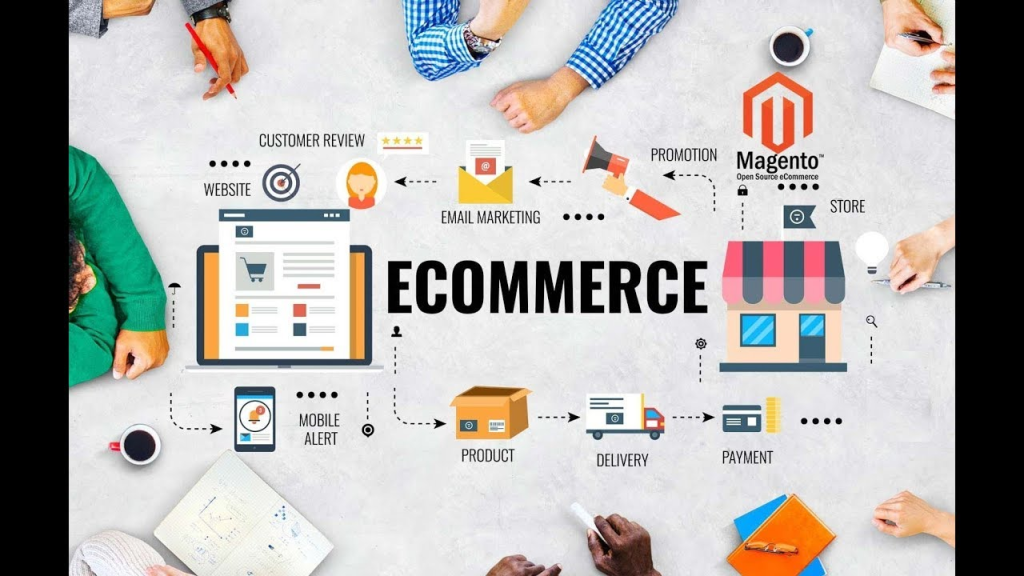
Kenya has a rapidly growing digital economy, with an increasing number of consumers turning to online shopping for convenience and competitive prices. The rise of mobile phone usage, improved internet access, and the popularity of mobile money platforms like M-Pesa have all contributed to the growth of ecommerce in Kenya.
- Growing Digital Population: With over 40 million internet users in Kenya, ecommerce is poised for exponential growth. The youth, particularly those aged 18-35, are more likely to engage in online shopping.
- Cashless Transactions: The adoption of mobile payment solutions like M-Pesa, Airtel Money, and Visa makes online payments more convenient and secure for Kenyan consumers.
- International Expansion: Kenya’s ecommerce market also provides opportunities for businesses to expand regionally within East Africa and beyond, as cross-border ecommerce continues to thrive.
2. Challenges for Ecommerce Businesses in Kenya
While the potential for success is high, ecommerce businesses in Kenya also face certain challenges, including:
- Logistics and Delivery: One of the biggest hurdles for ecommerce businesses in Kenya is the reliable delivery of products. Working with local courier services and ensuring timely delivery can be challenging, particularly in rural areas.
- Internet Access and Digital Literacy: Although internet penetration is growing, some areas still experience slow internet speeds, and there’s a gap in digital literacy that affects some consumers’ ability to engage with ecommerce platforms effectively.
- Payment Barriers: Despite mobile money platforms being widely used, there are still some concerns around online payment security and fraud.
B. Final Tips for Aspiring Ecommerce Entrepreneurs in Kenya
Here are a few actionable tips to help you succeed with your ecommerce website in Kenya:
1. Focus on Customer Experience
Creating an excellent customer experience is crucial for building a loyal customer base. From the moment visitors land on your site, they should have a smooth and enjoyable shopping experience.
- User-Friendly Design: Ensure your website is easy to navigate, with clear categories and a streamlined checkout process.
- Mobile Optimization: Since many Kenyans access ecommerce websites via mobile phones, make sure your site is mobile-friendly and loads quickly on all devices.
- Customer Support: Provide excellent customer service through live chat, email, or social media to address concerns and build trust with your customers.
2. Prioritize Localization
Kenya has a unique culture and market, and understanding the local context is essential for success. Here are some ways to localize your ecommerce website:
- Local Payment Options: Offer popular local payment methods such as M-Pesa, Airtel Money, and credit card payments to make transactions easier for Kenyan consumers.
- Language and Currency: Use Kenyan shillings (KES) as the primary currency on your site, and consider adding local languages (Swahili, for example) to appeal to a wider audience.
- Highlight Local Products: Consider featuring locally made products or sourcing your inventory from Kenyan suppliers to connect with the growing demand for homegrown goods.
3. Leverage Social Media to Build Brand Awareness
Social media plays a major role in ecommerce success in Kenya. With platforms like Instagram, Facebook, Twitter, and TikTok being widely used, you can create targeted campaigns to build brand awareness and engage with your audience.
- Engage with Customers: Use social media platforms to interact with your audience, answer questions, and share valuable content.
- Use Influencers: Collaborate with Kenyan influencers who align with your brand to increase visibility and credibility.
4. Monitor and Adapt to Changing Trends
The ecommerce landscape is dynamic, with consumer preferences, technology, and regulations constantly evolving. To stay ahead of the competition, you must be willing to adapt.
- Track Analytics: Use tools like Google Analytics and Facebook Insights to track your website’s performance and understand customer behavior.
- Test and Experiment: Try different marketing strategies, product offerings, and website features to see what resonates best with your customers.
C. Conclusion: The Road Ahead for Ecommerce Websites in Kenya
Building a successful ecommerce website in Kenya is an exciting journey, but it requires careful planning, execution, and ongoing effort. The Kenyan ecommerce market is vibrant and growing, with vast opportunities for businesses to tap into.
By focusing on the key areas covered in this guide—choosing the right platform, optimizing for SEO, offering excellent customer service, and staying compliant with legal requirements—you can set your business up for long-term success.
Remember to always:
- Stay informed about the latest ecommerce trends and technologies.
- Invest in customer experience and deliver value at every touchpoint.
- Continuously test and refine your strategies to improve sales and grow your brand.
The future of ecommerce in Kenya is bright, and with the right strategy, your website can be at the forefront of this exciting digital revolution. Whether you’re selling products locally or aiming for regional expansion, success in the ecommerce space is within your reach.